How Does a Self Propelled Lawn Mower Work: A Complete Guide for 2026
Disclosure: We may earn a commission when you buy through links on this page, at no extra cost to you. As an Amazon Associate I earn from qualifying purchases. Learn more
Wondering how does a self propelled lawn mower work? A plain English guide to the drive system, types, uses and trade offs.
A self propelled lawn mower uses a drive system to turn its wheels, so the mower moves forward on its own while you simply steer and guide it. The engine or battery motor spins the cutting blade, and a transmission or a separate drive motor sends power to the front, rear or all four wheels whenever you engage the drive control on the handle.
If you have ever wondered how does a self propelled lawn mower work, the short answer is that it splits its power between cutting and driving. This guide explains the main parts, how they work together, what these mowers are best at, the different types you can buy, and the honest pros and cons, so you can decide whether one belongs in your garage.
What Is a Self Propelled Lawn Mower?
A self propelled lawn mower is a walk behind mower with powered wheels. It looks much like a standard push mower, with a cutting deck, a handle and a grass bag or discharge chute, but it adds a drive system that pulls or pushes the mower across the lawn. You still walk behind it and steer, yet you no longer supply the force that moves its weight forward.
That difference matters more than it sounds. A full size mower with a bag of wet clippings can be heavy, and pushing it up a slope or across a large yard is tiring. With self propel engaged, the mower carries its own weight and you set the pace. Most models let you release the drive and push manually for tight spots, so you get the best of both styles.
The cutting deck, blade and height adjusters are the same as on a push mower, so the only real difference in daily use is the drive control on the handle. Self propelled mowers come in gas and battery versions, and many cordless models now match gas mowers for everyday suburban lawns.
How Does a Self Propelled Lawn Mower Work?
Every self propelled mower has two jobs running at once: spinning the blade and driving the wheels. Here are the main components and how they work together.
- Power source: a gas engine or a battery powered electric motor turns the blade shaft under the deck at high speed.
- Drive system: on most gas mowers, a belt runs from a pulley on the engine shaft to a small transmission. On battery mowers, the wheels are usually driven by their own electric motor, separate from the blade motor.
- Transmission or gearbox: reduces the high engine speed to a slow, walkable wheel speed and sends that power to an axle.
- Drive wheels: gears or pinions on the axle engage the wheels at the front, rear or on all four corners.
- Controls: a drive bail, lever, trigger or palm pad on the handle engages the drive. Many models add a speed dial or lever for variable speed.
When you squeeze the drive control, a cable tightens the drive belt or closes the circuit to the drive motor. Power then flows to the wheels and the mower starts walking forward. Release the control and the drive disengages, letting the mower roll freely or stop. Separately, the blade control, usually a bail you hold against the handle, must stay engaged for the blade to spin. Let go and the blade stops within seconds, a safety feature on all modern walk behind mowers.
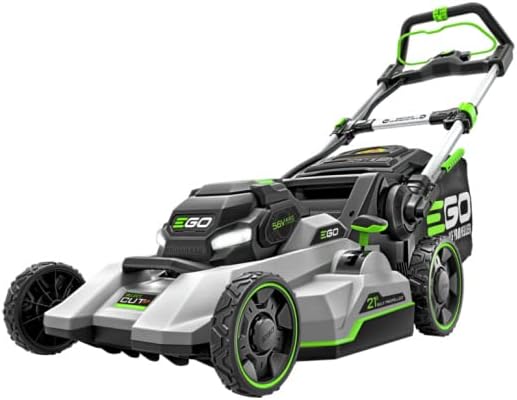
Variable speed systems let you match the mower to your stride. Some use a simple lever with several speeds, others use a dial at your fingertips. EGO's Touch Drive, for example, engages the self propel with the pressure of your palm and sets the speed with a dial.
Battery models work a little differently from gas mowers under the hood. Instead of a belt taking power from the engine, a dedicated drive motor turns the wheels, so the mower can control wheel speed electronically and the blade motor keeps its full power for cutting. That is also why self propel draws extra charge: two motors are running instead of one. On gas mowers, the drive belt and cables are the parts that stretch and wear over time, and a slipping belt is the most common reason a self propelled mower starts to feel sluggish.
What Is a Self Propelled Lawn Mower Used For?
Put simply, what is a self propelled lawn mower used for? It takes the physical effort out of mowing anywhere a push mower would feel heavy or slow. These are the situations where it helps most.
Hills & Uneven Terrain
Slopes are where self propel earns its keep. Rear wheel and all wheel drive models keep traction as weight shifts back on an incline. See our picks for the best self propelled lawn mower for steep hills.
Large Yards
On a half acre or more, walking behind a heavy mower adds up. Powered wheels reduce fatigue and keep a steady pace. Our guide to the best self propelled lawn mower for large yards covers models with long runtimes.
Small Yards
On small, flat lawns, self propel is a comfort feature rather than a must. It still helps when bagging clippings, since a full bag adds weight.
Tall / Thick Grass
Thick grass slows a push mower and makes you shove harder. A drive system keeps the mower moving while the blade does the work.
Wet Grass
Damp grass is heavier and stickier. Powered wheels help, though mowing wet grass is still best avoided for a cleaner cut and safer footing.
Types of Self Propelled Lawn Mowers
Self propelled mowers differ mainly in which wheels are driven and how they are powered.
- Front wheel drive: easy to steer and turn, since you can tip the mower back to lift the front wheels. Traction drops on hills and when the bag fills, because weight shifts to the rear.
- Rear wheel drive: the most common choice for slopes and bagging. Weight over the rear wheels improves grip uphill.
- All wheel drive: power to all four wheels for the best traction on steep or uneven ground. Usually heavier and more expensive.
- Gas powered: unlimited runtime with a refill, strong for very large or rough lawns, but louder and more maintenance heavy.
- Battery powered: quiet, push button start and minimal upkeep. Runtime depends on battery size, and many kits include two batteries.
Speed control also varies: single speed drives move at a fixed pace, while variable speed models let you speed up on open stretches and slow down around beds and trees.
Wheel size matters too. Larger rear wheels roll more easily over bumps and thick turf, which is why many rear wheel drive models pair the drive with bigger back wheels. If your lawn has ruts, roots or soft spots, that combination makes the mower feel steadier and easier to guide.
Pros and Cons
Pros
- Much less effort on slopes, large lawns and thick grass
- Steady pace for a more even cut
- Easier to manage a full grass bag
- Variable speed suits different walking paces
Cons
- Costs more than a comparable push mower
- Heavier to lift, load and store
- Drive belts, cables or motors add parts that can wear
- Battery models use more charge when the drive is engaged
Is a Self Propelled Lawn Mower Right for You?
A self propelled mower is a smart choice if your lawn is larger than a small city lot, has slopes, or if pushing a mower leaves you sore. It is also worth it if you bag clippings often, since the bag adds weight as it fills. If your yard is small, flat and simple, a lighter push mower will do the job for less money and is easier to store. Gas or battery is the next decision: battery suits most suburban lawns, while gas still makes sense for very large or rough properties.
It also helps to try the controls before you buy if you can. Some drive systems feel smooth and gradual, while others engage with a sudden pull. A design that matches your walking speed and responds predictably will make every mow more comfortable, especially around flower beds, trees and play areas.
Frequently Asked Questions
Can you push a self propelled mower with the drive turned off?
Yes. On most models, releasing the drive control disengages the wheels so you can push the mower like a standard push mower. This is handy for tight turns, trimming around beds and backing up. Some drives add slight resistance when pulled backward, which is normal.
Is a self propelled lawn mower worth buying?
For many homeowners, yes. It saves real effort on slopes, larger lawns and thick grass, and it makes bagging easier. If your yard is small and flat, the extra cost and weight may not be worth it, and a good push mower is enough.
How long does a self propelled lawn mower last?
With regular care, a quality self propelled mower usually lasts many seasons. Keep the blade sharp, clean the deck, and check the drive belt or cables. Gas engines need oil changes and fresh fuel, while battery mowers need proper battery storage.
Final Thoughts
So, how does a self propelled lawn mower work? It uses an engine or motor for the blade and a drive system that powers the wheels whenever you engage the handle control, letting you steer instead of push. Ready to choose one? Browse our picks for the best self propelled lawn mower and the best lawn mower, and see where to buy a lawn mower for retailer tips.