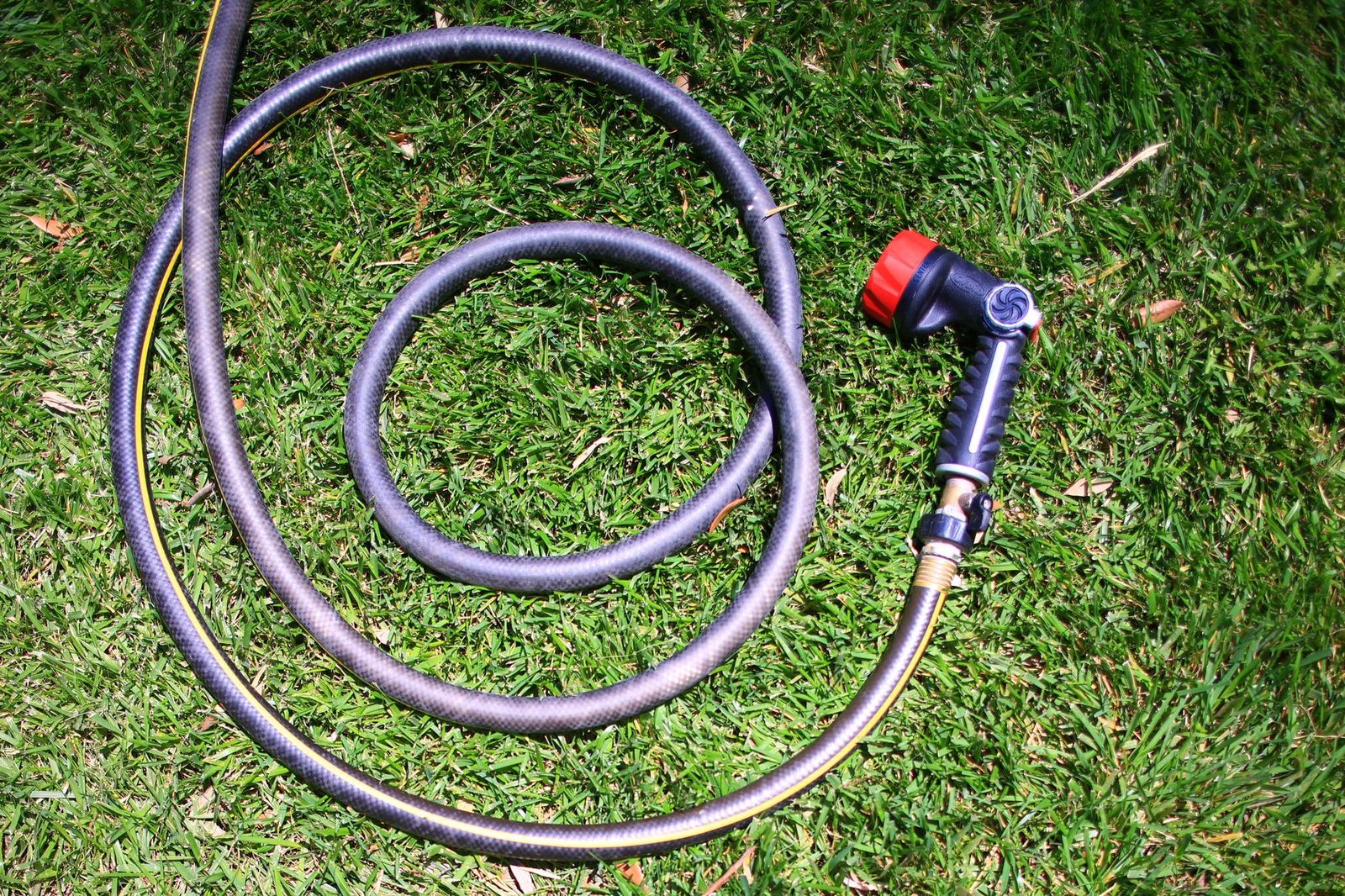
How Does a Sprinkler System Work: Expert Tips and Step by Step Guide
Disclosure: We may earn a commission when you buy through links on this page, at no extra cost to you. As an Amazon Associate I earn from qualifying purchases. Learn more
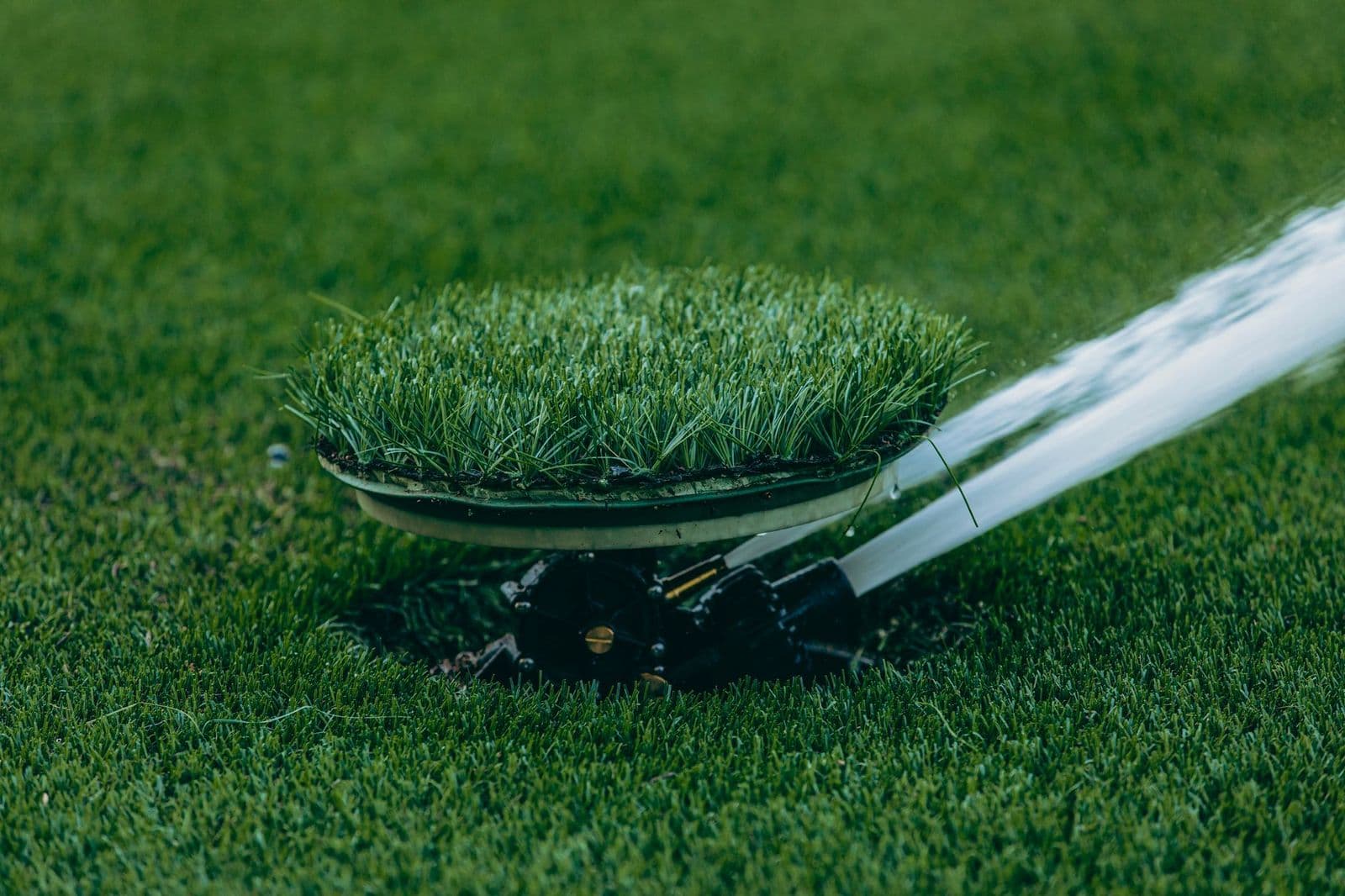
How does a sprinkler system work? A controller opens zone valves so water flows to heads or drip lines on a schedule.
So, how does a sprinkler system work? A controller, or timer, opens electric valves on a schedule, letting pressurized water from your home supply flow through buried pipes to sprinkler heads in one zone at a time. The heads pop up or spray, spin or drip to spread water across the lawn and beds, then retract when the valve closes. Each zone runs for a set number of minutes, and the controller moves on to the next until the whole yard is watered. Smart controllers adjust that schedule automatically based on weather.
Below, we explain what a sprinkler system is, the main parts and how they work together, where each type of watering shines, and the pros and cons, so you can decide whether one fits your yard.
What Is a Sprinkler System?
A sprinkler system is a network of pipes, valves and watering devices that delivers water to lawns and gardens automatically. Unlike a hose and a single sprinkler you move by hand, an installed system divides the yard into zones and waters each one with the right amount of water at the right time, usually early in the morning when evaporation is lowest.
Systems range from simple hose end setups with a timer to fully buried in ground irrigation with a dozen zones. Many homes combine spray or rotor heads for lawns with drip irrigation for flower beds, shrubs and vegetable gardens, since drip lines put water right at the roots with very little waste.
The goal is the same in every case: consistent, efficient watering that keeps plants healthy without the guesswork, wasted water or the chore of dragging hoses around the yard.
How Does a Sprinkler System Work?
An in ground sprinkler system has a handful of main components. Here is what each one does and how they work together.
- Water source and backflow preventer. The system taps into your main water line or a well. A backflow preventer stops irrigation water, which may contain fertilizer or soil, from flowing back into your drinking water.
- Controller. The brain of the system. It stores the watering schedule, deciding which zones run, on which days and for how long. Smart sprinkler controllers connect to Wi-Fi and use local weather data to skip watering after rain or adjust run times in hot spells.
- Valves. Each zone has an electric valve, usually grouped in a valve box. The controller sends a low voltage signal to open a valve, and water flows into that zone's pipes.
- Pipes. Buried mainline and lateral pipes, typically PVC or polyethylene, carry water from the valves to the heads.
- Sprinkler heads and emitters. Pop up spray heads cover small areas with a fan of water, rotor heads rotate streams across larger lawns, and drip emitters or micro sprays water beds slowly at the soil.
- Sensors. Optional rain, freeze and soil moisture sensors pause watering when it is not needed.
When a zone starts, water pressure pushes the pop up heads above the grass. They spray for the scheduled time, then a spring pulls them back down when the valve closes. Splitting the yard into zones keeps pressure high enough for every head to work properly, since running everything at once would leave each head with too little water.
Step by step, a typical watering cycle looks like this:
- At the scheduled start time, the controller checks any rain or moisture sensor and, if watering is needed, sends a signal to the first zone valve.
- The valve opens and water flows from the mainline into that zone's lateral pipes.
- Water pressure raises the pop up heads, which spray, rotate or drip for the programmed run time.
- The controller closes the valve, the heads drop back down, and the next zone begins.
- After the last zone, the system shuts off until the next scheduled day.
Simpler setups follow the same idea. A hose timer on an outdoor faucet acts as a one zone controller, opening and closing the water supply to a hose end sprinkler or drip line on a watering schedule you set.
What Is a Sprinkler System Used For?
If you are asking what is a sprinkler system used for, the answer is any area of the yard that needs regular, even watering. Here is how systems are typically set up for different spaces.
Flower Beds
Flower beds do best with drip irrigation or low flow micro sprays that keep water off leaves and blooms, which helps prevent disease. Drip lines can snake between plants and deliver water exactly where it is needed. Our guide to the best sprinkler system for flower beds covers kits made for this job.
Hills and Uneven Terrain
Slopes shed water quickly, so short, repeated watering cycles, sometimes called cycle and soak, let water sink in before running off. Low precipitation rotor heads and pressure compensating drip lines help keep coverage even from top to bottom.
Large Yards
Large lawns use rotor heads that throw water 20 feet or more, divided into several zones so each gets enough pressure. Smart controllers are especially valuable here because small schedule improvements save a lot of water across a big area.
Raised Beds
Raised beds dry out faster than ground soil, so drip lines or soaker hoses on a timer are ideal. A simple manifold can feed several beds from one faucet. See our picks for the best sprinkler system for raised beds for easy kits.
Small Gardens
Small gardens and patios often need nothing more than a hose timer with a drip kit or a single spray zone. These setups are inexpensive, easy to install without digging and simple to remove at the end of the season. A smart hose timer adds app control and weather skips for a modest cost.
Types of Sprinkler Systems
In ground spray systems use pop up spray heads for small to medium lawns and are the most common choice for residential yards.
Rotor systems use rotating heads that cover large areas with fewer heads and apply water more slowly, which suits big lawns and clay soil.
Drip irrigation delivers water through tubing and emitters directly to plant roots. It is the most efficient option for beds, shrubs, trees and vegetable gardens.
Soaker hoses are porous hoses that weep water along their length. They are cheap and easy for beds and rows, and they can be hidden under mulch so they stay out of sight all season.
Hose end systems with timers connect a portable sprinkler or drip kit to an outdoor faucet and a battery or smart hose timer. They are perfect for renters, small yards and anyone who wants automation without digging.
Not sure which suits your yard? Our guide on how to choose a sprinkler system walks through the decision step by step.
Pros and Cons
Pros
- Waters automatically on a schedule, even when you are away
- More even coverage than hand watering
- Can save water with smart controllers, sensors and drip zones
- Keeps lawns and gardens healthier through dry spells
- Frees up time spent moving hoses
Cons
- In ground systems have a high upfront cost and require digging
- Poorly set schedules can waste water
- Needs seasonal maintenance and winterizing in cold climates
- Broken heads and leaks can go unnoticed without regular checks
Is a Sprinkler System Right for You?
A sprinkler system is a strong fit if you have a lawn or garden that needs regular watering, live in a warm or dry climate, or travel often in summer. In ground systems add value to a home, while hose end timer kits give renters and small yards most of the convenience for much less money.
If your yard is small, shaded or mostly native plants that need little water, a hose and a timer may be enough. Our guide on is a sprinkler system worth it breaks down the costs and savings in more detail.
Before you invest, check local watering rules, since many towns limit irrigation days or times in summer, and confirm your water pressure and flow. A plumber or irrigation installer can test both and suggest how many zones your supply can handle.
Frequently Asked Questions
What is a sprinkler system used for?
A sprinkler system waters lawns, flower beds, shrubs, trees and gardens automatically. It delivers water on a schedule through zones, keeping plants healthy with less effort and often less water than hand watering with a hose.
Is a sprinkler system worth buying?
For most homes with lawns or large gardens, yes. Automated watering saves time, keeps plants healthier and can lower water use when paired with a smart controller. Hose end timer kits are a low cost alternative for smaller spaces.
How long should each zone run?
It depends on the head type, soil and season. Spray zones often run about 10 to 20 minutes and rotor zones longer, since rotors apply water more slowly. Aim for roughly an inch of water per week for most lawns in summer, split into two or three deep sessions, and adjust when you see runoff or dry spots.
How long does a sprinkler system last?
Buried pipes can last decades, while sprinkler heads, valves and controllers usually need repair or replacement every several years. Regular checks, seasonal adjustments and proper winterizing in cold climates help a system last much longer.
Final Thoughts
Understanding how does a sprinkler system work makes it easier to choose and maintain one: a controller opens valves, water flows through pipes to heads or drip lines, and each zone runs on schedule. For specific products, see our picks for the best sprinkler system.