How Long Does a Leaf Blower Last? How to Make It Last Longer
Disclosure: We may earn a commission when you buy through links on this page, at no extra cost to you. As an Amazon Associate I earn from qualifying purchases. Learn more

How long does a leaf blower last? Typical lifespans for corded, battery and gas models, plus habits that add years.
Most leaf blowers last about 5 to 10 years. Corded electric models often reach the high end of that range because they have so few wearing parts, battery blowers usually last 5 to 10 years with a battery replacement along the way, and well maintained gas blowers can run 10 years or more, while neglected ones may fail in just a few seasons. So how long does a leaf blower last in your garage? It depends far more on care, storage and how hard you work it than on the price tag.
Below we cover typical lifespans by type, the factors that shorten or extend them, the warning signs that a blower is wearing out, the habits that keep it running for years and how to decide between repair and replacement.
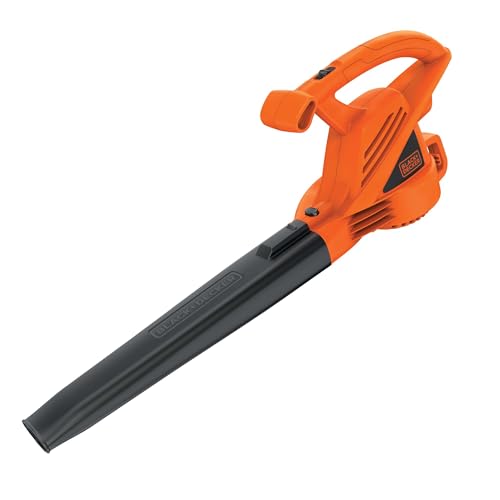
How Long Does a Leaf Blower Last? Average Lifespan
The honest answer is a range, because lifespan varies by power source, build quality and use. The ranges below reflect typical homeowner use of a few hours a month during leaf season, with basic care.
- Corded electric: about 7 to 10 years or more. There is no engine to tune and no battery to wear out, so the motor and switch are the main failure points.
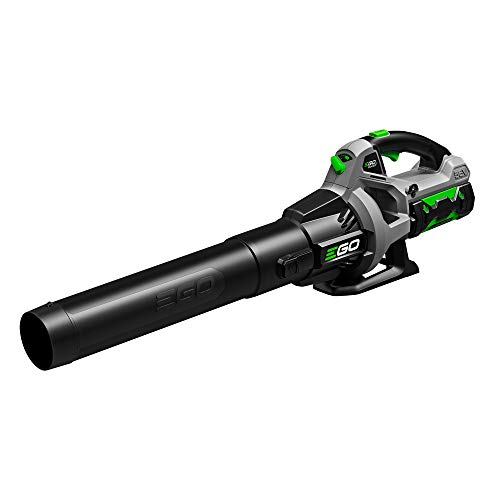
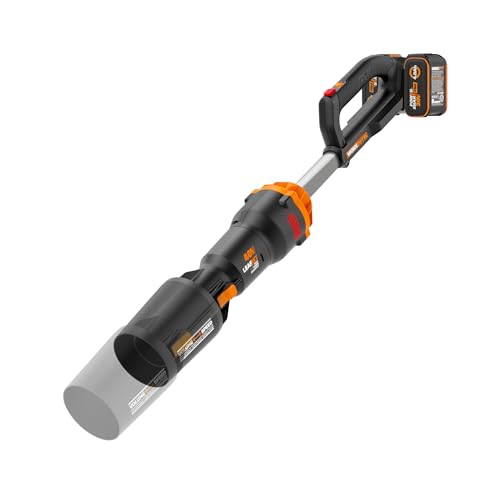
- Battery powered: about 5 to 10 years for the tool itself. The lithium ion battery often needs replacing after roughly 3 to 5 years or several hundred charge cycles, depending on use and storage.
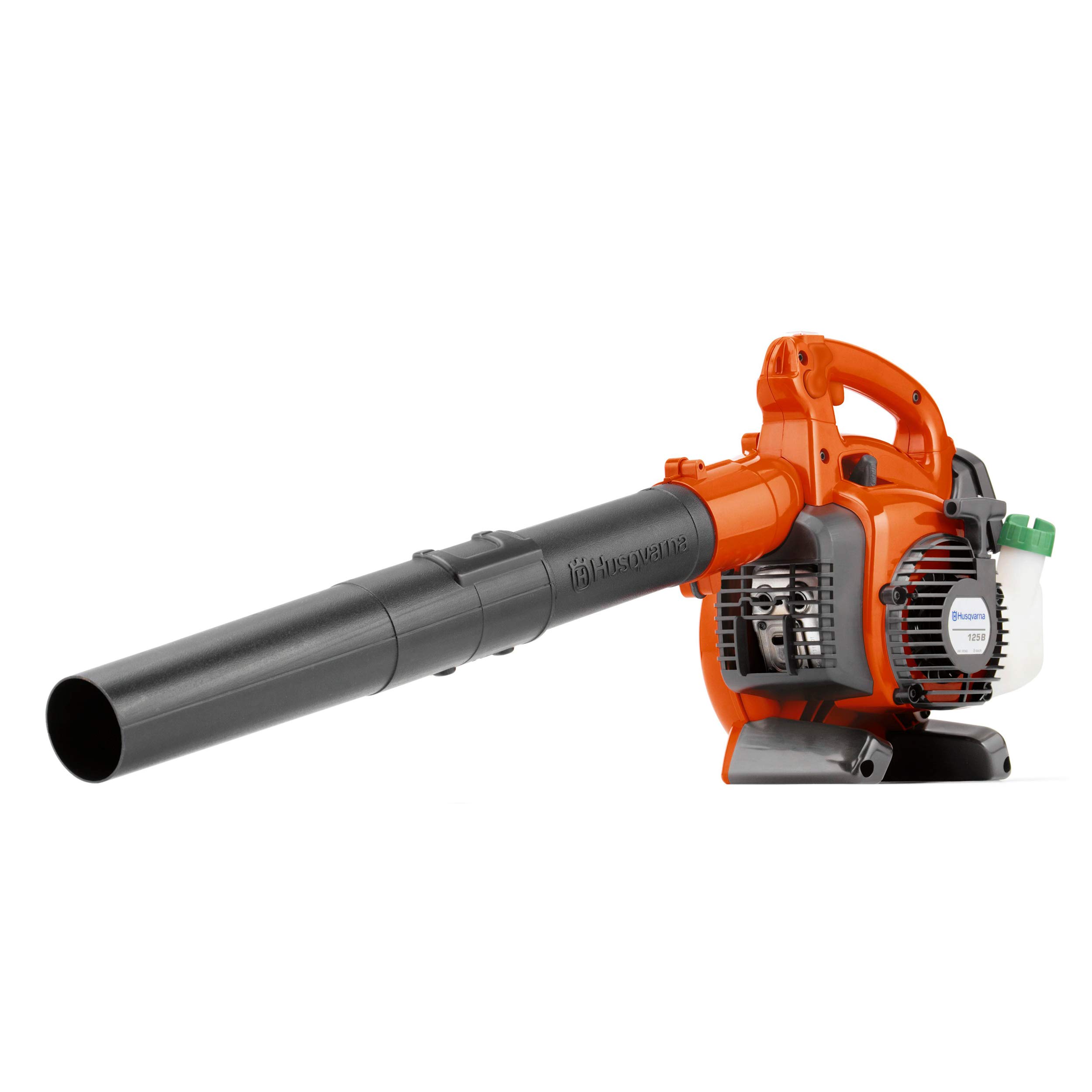
- Gas handheld: about 5 to 10 years for consumer models, longer with careful fuel and filter care.
- Gas backpack and commercial grade: often 10 years or more for homeowners, since these engines are built for daily professional use.
Warranty length gives a useful clue. Many consumer blowers carry 2 to 5 year warranties, while premium battery platforms and professional gas models often offer longer coverage. A longer warranty usually signals sturdier parts.
Keep in mind that these figures describe homeowner use. Landscaping crews may wear out a consumer blower in a single busy season, while a light user who only clears a deck could keep the same tool running well past ten years. Your own habits are the biggest variable.
Factors That Affect How Long It Lasts
Power source. Brushless battery motors and corded motors have fewer moving parts than two stroke engines, so they tend to need less upkeep. Gas engines can last a long time, but they are sensitive to bad fuel and dirty filters.
Frequency and intensity of use. A blower that clears a small patio once a week will outlast one that runs at full throttle for hours every fall weekend. Constant turbo use also heats motors and drains batteries harder.
Fuel and battery habits. Old or incorrectly mixed fuel is the top killer of small gas engines. For batteries, extreme heat, deep discharges and storing packs empty all shorten their life.
Storage conditions. Damp sheds, freezing garages and hot attics all speed up wear. Moisture corrodes contacts and metal parts, while heat breaks down plastics and battery cells.
Build quality. Thicker housings, quality switches, metal fasteners and brushless motors simply hold up longer. Budget models can work well, but they often use lighter plastics that crack sooner.
What you blow. Gravel, sand and wet debris drawn into the intake can damage the fan. Keeping the intake clear and avoiding dirt heavy areas helps.
Handling and transport. Dropping a blower on concrete, tossing it into a truck bed or hanging it by the tube all stress plastic parts and joints. Set it down gently, carry it by the handle and give it a dedicated hook or shelf so nothing heavy lands on it during the off season.
Signs Your Leaf Blower Needs Repair or Replacement
Watch for a clear drop in airflow, even after cleaning the intake and tube. That often points to a damaged fan, a clogged filter or a weak battery. Hard starting, stalling or surging on a gas blower usually means fuel, carburetor or spark plug trouble.
Other warning signs include unusual rattles or grinding noises, strong vibration, a burning smell, sparks at the motor vents, cracks in the housing or tube, and a trigger or switch that works only some of the time. For battery models, runtime that falls to a fraction of what it used to be is a sign the pack is near the end of its life. Any burning smell, swelling battery or exposed wiring is a reason to stop using the tool right away.
How to Make Your Leaf Blower Last Longer
Clean after every use
Wipe dust and leaves off the housing, clear the air intake screen and blow out the tube. Debris trapped in the intake makes the motor work harder and run hotter. A soft brush and a dry cloth are all you need. Avoid spraying water into the motor vents, and never clean a gas blower while the engine is still hot.
Inspect the fan, tubes and housing
Leaf blowers do not have cutting blades, chains or lines, but they do have a fan and tubes that take abuse. Check that tubes lock firmly in place, look for cracks in the housing and listen for any rattle that might signal a loose or chipped fan. Tighten loose screws before they fall out.
Replace worn parts
Replace cracked tubes, worn nozzles, frayed cords and damaged intake screens promptly. On gas models, swap worn starter ropes and fuel lines before they fail in the middle of a job. Using genuine replacement parts keeps fit and airflow correct.
Air filter, spark plug and fuel care (gas)
Clean or replace the air filter regularly, since a clogged filter chokes the engine. Check the spark plug each season and replace it when the electrode looks worn or fouled. Mix fuel at the exact ratio in the manual, use fresh gas and add stabilizer if it will sit for more than a few weeks. Before long storage, run the engine dry or drain the tank.
Battery owners have their own routine. Charge packs before storage but avoid leaving them on the charger for months, keep them indoors at room temperature and let a hot battery cool before recharging.
Repair or Replace?
Repair makes sense when the fix is simple and the blower is otherwise sound: a new spark plug, air filter, fuel line, carburetor cleaning, a replacement tube or a new battery. As a rule of thumb, if the repair costs more than about half the price of a comparable new blower, replacement is usually the better choice. Replacement also makes sense when a newer model would be much lighter, quieter or stronger. Our guide to the best leaf blower compares current models, and our guide on where to buy a leaf blower explains where to find parts and new tools.
Frequently Asked Questions
How long does a cordless leaf blower last?
The answer to how long does a cordless leaf blower last has two parts. The tool itself often lasts 5 to 10 years, especially with a brushless motor. The battery usually lasts about 3 to 5 years before capacity drops noticeably, so plan on replacing a pack at some point. Storing batteries indoors and avoiding full drains helps.
Is it worth repairing an old leaf blower?
Often, yes, if the fix is cheap and simple, such as a spark plug, filter, fuel line or carburetor cleaning on a gas model. If the motor or engine is failing, or the repair costs more than half the price of a new blower, replacing it is usually smarter. Our article on is a leaf blower worth it covers the value question.
What brand of leaf blower lasts the longest?
Professional gas brands such as Stihl, Husqvarna and ECHO have strong reputations for durability, and premium battery platforms like EGO, DEWALT and Milwaukee are known for solid build quality. Care matters more than the badge, though. Older users can find light, durable options in our list of the best leaf blower for seniors.
Final Thoughts
So, how long does a leaf blower last? Usually 5 to 10 years, and often longer with clean intakes, fresh fuel, careful battery storage and quick repairs. When it is finally time to upgrade, compare our picks for the best leaf blower, or browse our guide to the best leaf blower for homeowners.