
Is a Leaf Blower Worth It? Honest Pros, Cons and Verdict (2026)
Disclosure: We may earn a commission when you buy through links on this page, at no extra cost to you. As an Amazon Associate I earn from qualifying purchases. Learn more

Is a leaf blower worth it? What each price level buys, the real pros and cons, running costs and when a rake is enough.
Is a leaf blower worth it? For most homeowners, yes. A leaf blower clears a driveway, patio or lawn in a fraction of the time a rake or broom takes, and it keeps working long after fall ends on grass clippings, dust, light snow and debris. The exception is a very small yard with few trees, where a rake still does the job for almost nothing.
Whether one fits your home comes down to your yard size, the trees around it, your tolerance for noise and how much you want to spend. Here is what each price level buys, the real pros and cons, the long term costs and a clear verdict.

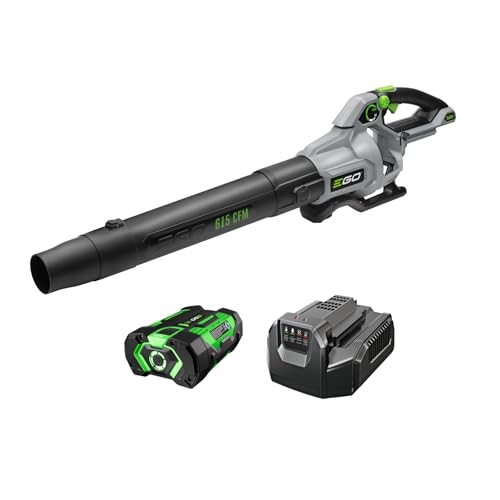

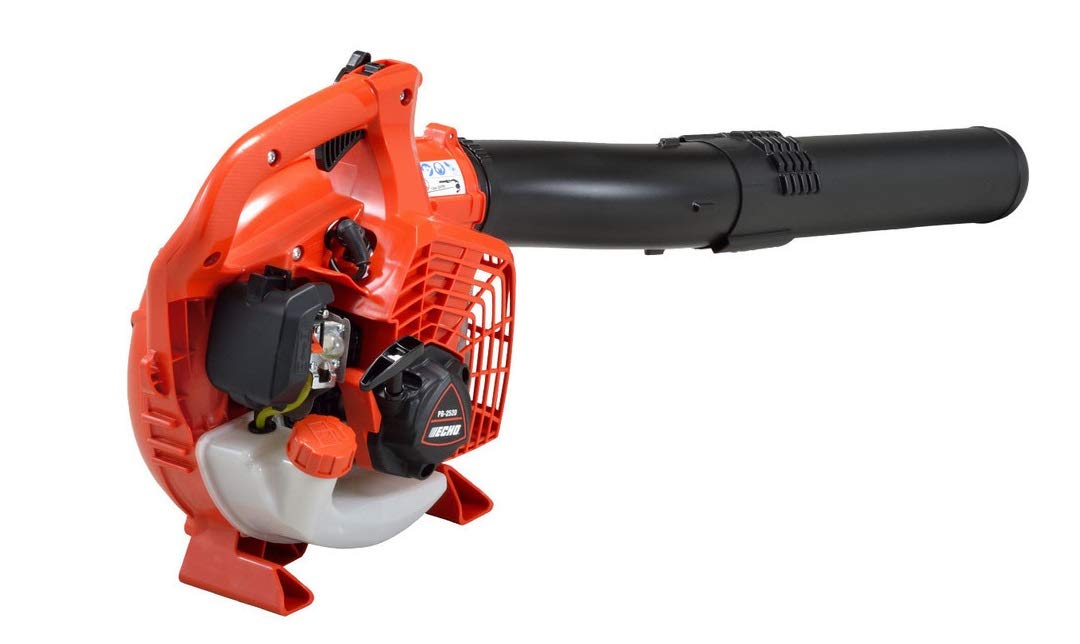

What You Get for the Money
Leaf blowers range from around $40 to around $700, and the price mostly tracks power, runtime and build quality.
Around $40 to $80 buys a corded electric blower or a small cordless model with a basic battery. These are light, quiet compared with gas and ideal for sweeping decks, sidewalks and short driveways. Corded units offer unlimited runtime, while the cheapest cordless ones may run only a short while per charge.
Between about $120 and $300 you get the sweet spot for most homeowners: brushless cordless blowers with a battery and charger, plus reliable gas handhelds. Airflow in this range is strong enough for wet leaves and full lawns, and features like variable speed, cruise control and turbo buttons become standard.
From around $350 to $700 you move into premium cordless kits with large batteries and gas backpack blowers. These move the most air, run the longest and are built for acre plus properties or heavy fall cleanups.
Benefits of Owning a Leaf Blower
Speed is the headline benefit. A blower can push a lawn full of leaves into a single pile in minutes, and it clears a driveway or patio faster than sweeping. That time savings adds up every weekend from early fall into winter.
A leaf blower is also more versatile than most people expect. It cleans grass clippings off walkways after mowing, blows dust and sawdust out of garages, clears light, dry snow from steps and cars, and pushes debris out of corners where brooms struggle. Some owners even use one to dry off cars, outdoor furniture or a boat after washing.
Less strain on your body is another plus. Raking and sweeping involve repeated bending and twisting, which can be tough on your back and shoulders. A light battery blower lets you stand upright and guide the air with one hand.
Modern cordless models have also made ownership much easier. They start with a trigger pull, need no fuel mixing and run quietly enough for early morning chores in many neighborhoods. For anyone asking why buy a cordless leaf blower, that convenience is the answer. If you share batteries with a mower or trimmer from the same brand, one battery platform covers your whole yard.
Drawbacks to Consider
Noise is the most common complaint. Gas blowers in particular are loud, and many towns and homeowners associations now limit when or whether they can be used. Even electric models are loud enough that hearing protection is a good idea.
A blower moves leaves, it does not collect them. You still need to bag or compost the pile, so it complements a rake or leaf vacuum rather than replacing every tool.
Battery runtime can be limiting. On full power or turbo, cordless blowers drain much faster, and a single battery may not finish a large yard. Spare batteries add real cost.
Gas models bring their own hassles: fuel mixing, pull starts, exhaust fumes, vibration and seasonal engine care. Blowers can also kick up dust, pollen and debris, so eye protection and a little care around cars and windows are wise.
Who Should Buy One (and Who Should Skip It)
A leaf blower makes sense if you have a medium or large lawn, several deciduous trees, a long driveway or lots of hard surfaces like patios and walkways. People who mow their own grass will use it every week for clippings, not just in fall. Anyone with mobility limits that make raking painful will also appreciate it. This is why buy a leaf blower for most suburban homes: it turns hours of work into minutes. Our guide to the best leaf blower for homeowners covers the models that suit typical yards, and older users should read about the best leaf blower for seniors, which focuses on light weight and easy starting.
You can skip it if you live in a condo or townhouse with only a small patio, have no trees nearby, or face strict noise rules where you live. In those cases a broom, a rake or a small handheld vacuum may serve you better.
Cost of Ownership Over Time
Corded blowers cost almost nothing to run beyond electricity and the occasional extension cord. Cordless models are cheap to charge, but replacement batteries are the main long term expense and usually need replacing after several seasons of regular use.
Gas blowers need fuel, two stroke oil or premixed fuel, plus periodic spark plugs, air filters and fuel lines. You will also need to run the tank dry or add stabilizer before winter storage to keep the carburetor clean. These costs are small each season, but they add up over the life of the tool. Every type benefits from simple care: keep vents clear, store it dry and check nozzles for cracks.
Alternatives Worth Considering
A sturdy rake and a tarp still work well for small yards and cost very little. A push broom handles patios and short driveways. A leaf vacuum or blower vac collects and shreds leaves instead of just moving them, which helps if you need to bag everything. Mulching mowers can chop light leaf fall straight into the lawn. A lawn sweeper is efficient on large, flat lawns, especially when towed by a riding mower.
Our Verdict: Is a Leaf Blower Worth It?
For most homes with trees, lawns and hard surfaces, a leaf blower is one of the most useful outdoor tools you can own. Choose a corded model for small spaces near an outlet, a brushless cordless kit for typical suburban yards and a gas backpack for large properties. If your outdoor space is tiny or noise rules are strict, a rake and broom remain a sensible, low cost choice.
Frequently Asked Questions
Is a cordless leaf blower worth buying?
Yes, for most small to medium yards. A cordless model starts instantly, needs no fuel, runs quieter than gas and weighs less, which makes quick cleanups easy. So is a cordless leaf blower worth buying for big properties? It can be, but plan on a larger battery or a spare, since runtime on turbo is limited.
Is a leaf blower worth buying?
Asking is a leaf blower worth buying usually means comparing it with a rake. If you have more than a few trees, a long driveway or weekly grass clippings to clear, it pays for itself in saved time. For a tiny yard with little leaf fall, a rake or broom is enough.
How long does a leaf blower last?
A quality leaf blower often lasts many years with basic care. Brushless cordless motors have few wearing parts, though batteries may need replacing after several seasons. Gas engines last longest when you use fresh fuel, change filters and spark plugs, and store the tool properly over the off season.
What is the best leaf blower to buy?
The best choice depends on your yard. Battery blowers from EGO, Greenworks and DEWALT suit most homes, while ECHO and Husqvarna gas models fit large properties. Our main guide to the best leaf blower compares top picks across every type and budget.
Final Thoughts
If you have trees, a lawn and hard surfaces to keep clean, the answer to is a leaf blower worth it is almost always yes. And is a cordless leaf blower worth it for a typical home? For most people it is the easiest place to start. Check prices in our guide on how much does a leaf blower cost and see where to buy a leaf blower before you shop.


