
How Long Does a Riding Lawn Mower Last? How to Make It Last Longer
Disclosure: We may earn a commission when you buy through links on this page, at no extra cost to you. As an Amazon Associate I earn from qualifying purchases. Learn more
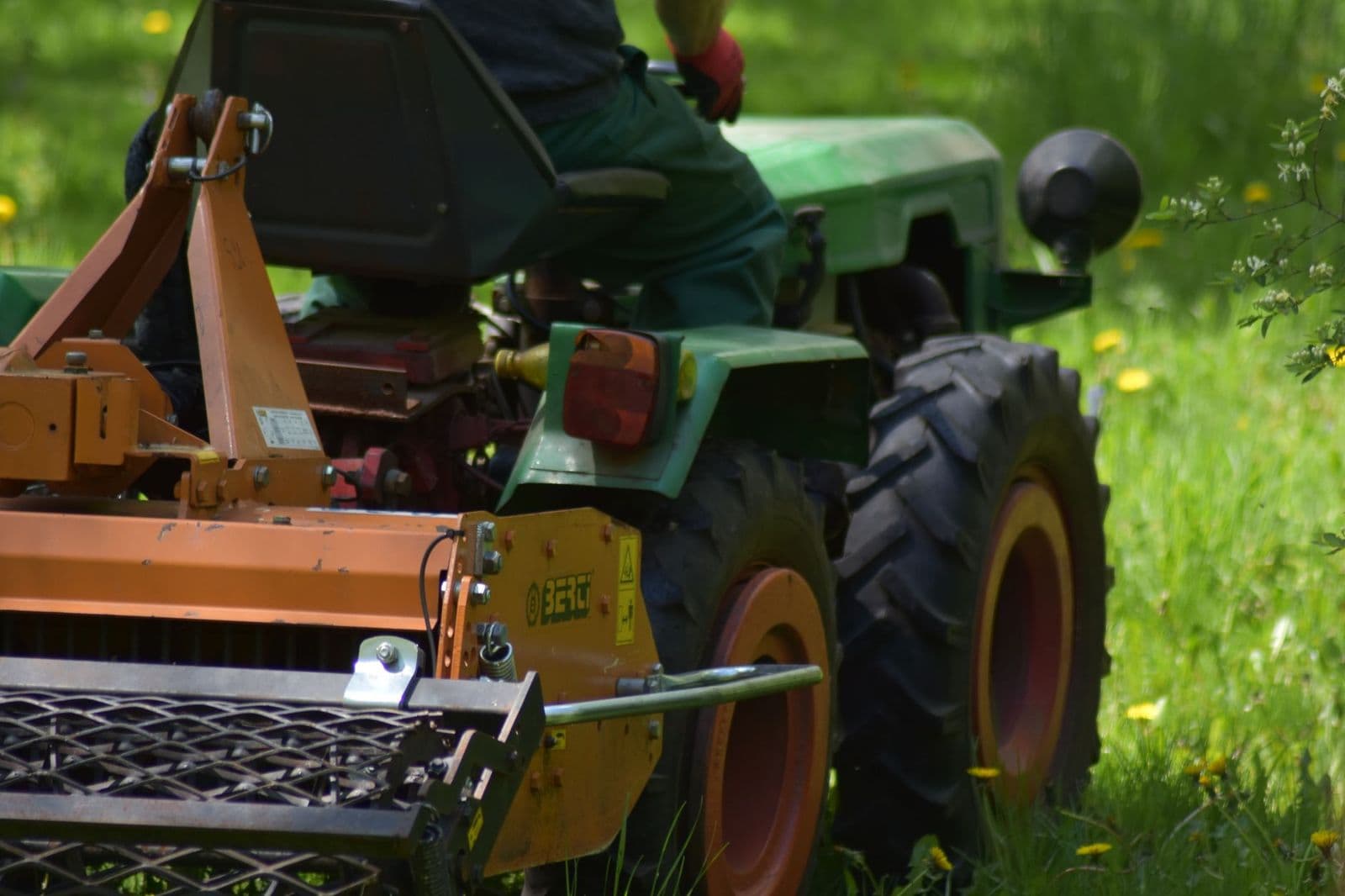
How long does a riding lawn mower last? Typical lifespans by type, warning signs of wear and the maintenance habits that add years.
Most riding lawn mowers last about 10 to 15 years, or roughly 500 to 1,500 engine hours, depending on build quality and care. Entry level lawn tractors tend to sit toward the lower end of that range, while well built tractors and zero turn mowers with commercial grade engines and hydrostatic transmissions often last 20 years or more. So how long does a riding lawn mower last on your property? The answer depends on how often you mow, the terrain, where you store it and, above all, how consistently it is maintained.
This guide explains typical lifespans by type, the factors that wear a riding mower out early, the warning signs that it needs attention, and the maintenance habits that keep a lawn tractor running season after season. It also covers how to decide between repairing and replacing an older machine.
Average Lifespan: How Long Does a Riding Lawn Mower Last?
Manufacturer engine ratings and owner experience give a fairly consistent picture. Most residential engines are designed for several hundred to around a thousand hours of use before major work is needed, while premium V twin engines are built for considerably more. A typical homeowner mowing one to two acres puts 30 to 60 hours a year on a riding mower, which translates to well over a decade of service when it is cared for.
| Mower type | Typical lifespan | Approximate engine hours |
|---|---|---|
| Entry level lawn tractor | 8 to 12 years | 500 to 800 |
| Mid range lawn or garden tractor | 10 to 15 years | 800 to 1,500 |
| Residential zero turn mower | 10 to 15 years | 750 to 1,500 |
| Commercial grade zero turn | 15 to 20+ years | 1,500 to 3,000+ |
| Electric riding mower | 10+ years (battery packs may need replacing sooner) | Limited by battery cycles |
The cutting deck, frame and transmission usually set the outer limit. A rusted stamped deck or a worn out transmission is often what ends a mower's life, even when the engine still runs. Electric riding mowers remove engine wear entirely, but their lithium battery packs gradually lose capacity and may need replacement after several years.
If your mower has an hour meter, it is the best guide to remaining life. Years alone can be misleading: a ten year old tractor with 300 hours on a small, flat lawn may have plenty of life left, while a five year old machine that cut several acres a week could already be near the end. When buying used, ask for the hour reading and maintenance records, and check under the deck for rust before anything else.
Factors That Affect How Long It Lasts
Several things determine whether a riding mower reaches the top or the bottom of its expected range.
- Build quality: fabricated steel decks, cast iron front axles, larger engines and hydrostatic transmissions last longer than thin stamped decks and light duty drive systems.
- Engine type: twin cylinder engines run cooler and smoother than single cylinder engines under the same load, which reduces wear.
- Acreage and hours: a mower that cuts three acres every week wears faster than one that trims half an acre.
- Terrain: hills, rough ground and frequent towing stress the transmission, belts and steering.
- Mowing conditions: regularly cutting tall, wet or weedy grass loads the engine and packs debris under the deck, which promotes rust.
- Storage: mowers kept outside or under a tarp suffer from rust, UV damage to seats and plastics, and moisture in the fuel system.
- Maintenance: oil changes, air filters, sharp blades and clean decks matter more than any other single factor.
- Driving habits: sharp turns at full speed, engaging blades at high RPM in heavy grass and hitting obstacles all shorten the life of belts, spindles and blades.
The choice between a lawn tractor and a zero turn mower also plays a role. Zero turns are fast and efficient on flat lawns but are not designed for heavy towing, while lawn tractors handle carts and attachments well but may struggle with very large acreage at speed.
Signs Your Riding Lawn Mower Needs Repair or Replacement
Riding mowers rarely fail all at once. Watch for these warning signs:
- Hard starting even with fresh fuel, a charged battery and a new spark plug.
- Blue or heavy smoke from the exhaust, which can mean the engine is burning oil.
- Loss of power on hills or in thick grass that was easy to cut before.
- Uneven cutting or scalping that does not improve after leveling the deck and sharpening blades.
- Transmission slipping, jerky movement or trouble climbing slopes.
- Excessive vibration, which often points to bent blades, worn spindles or damaged pulleys.
- Rust holes in the deck or a cracked frame.
- Leaks of oil or hydraulic fluid under the machine.
Some of these are simple fixes, like a new belt, blades or a battery. Others, such as a failing transmission or a rusted through deck, are expensive and may tip the balance toward replacement.
Keep in mind that age also affects safety. Older mowers may lack modern features such as reliable seat switches, rollover protection on larger models or blade engagement systems that stop quickly. If an older machine has worn steering, weak brakes or bypassed safety switches, those are good reasons to repair properly or replace it.
How to Make Your Riding Lawn Mower Last Longer
A simple routine adds years to almost any riding mower. These habits matter most.
Clean grass from the deck
Wet clippings packed under the deck trap moisture and cause rust. Scrape or wash the underside after mowing, or use the deck wash port if your mower has one. A clean deck also cuts better because air can flow freely around the blades.
Sharpen or replace the blade
Sharp blades cut cleanly and reduce strain on the engine and spindles. Sharpen them at least once or twice a season, balance them after sharpening, and replace any blade that is bent, cracked or worn thin.
Change oil and air filter (gas)
Change the engine oil every 50 hours or at least once a season, and replace the oil filter if your engine has one. Clean or replace the air filter regularly, more often in dusty conditions. Replace the spark plug and fuel filter yearly, and use fresh, stabilized fuel.
Battery storage and charging (battery)
For electric riding mowers, follow the manufacturer's charging guidance and store battery packs in a dry place at moderate temperatures. For gas mowers, keep the starting battery charged over winter with a maintainer, since a deeply discharged battery can fail early.
Other helpful habits include checking tire pressure, greasing the front axle and spindles where fittings exist, inspecting belts for cracks, and storing the mower in a garage or shed. A good cover helps when indoor storage is not possible.
Winter storage deserves special attention, because many riding mowers are damaged while sitting idle. Before the off season, run the engine with stabilized fuel or drain the tank, change the oil so acids from used oil do not sit in the engine, clean the deck thoroughly, and remove or maintain the battery. Inflate the tires to the right pressure and park the mower on a dry floor so the tires do not flat spot or sit in moisture. In spring, check belts, blades and fluid levels before the first mow.
Professional service every couple of years is also worth considering. A dealer tune up can catch worn spindle bearings, stretched belts and steering wear before they cause bigger failures, and many dealers offer off season discounts when they are less busy.
Repair or Replace?
A practical rule of thumb: if a repair costs less than about half the price of a comparable new mower and the machine is otherwise in good shape, repair it. Belts, blades, batteries, starters, carburetor cleaning and spindle bearings are all reasonable repairs.
Replacement makes more sense when the engine needs a rebuild on an inexpensive tractor, the transmission has failed, the deck is rusted through, or parts are no longer available. A change in your property, such as moving to more acreage or rough ground, can also justify upgrading. Our guide to the best riding lawn mower for uneven terrain covers machines built for tougher ground, and the best riding lawn mower for small yards suits compact properties. When you are ready to shop, see where to buy a lawn mower to compare dealers and online stores.
Frequently Asked Questions
Is it worth repairing an old riding lawn mower?
Often, yes. Many common failures, such as belts, blades, batteries, starters and carburetor problems, are inexpensive to fix and can add several more seasons of service. Repairs become hard to justify when the engine or transmission needs major work and the cost approaches half the price of a new mower, or when the deck and frame are badly rusted.
What brand of riding lawn mower lasts the longest?
Longevity depends more on the model and its components than on the brand name. Mowers with fabricated decks, V twin engines from established makers, hydrostatic transmissions and good dealer parts support tend to last longest. Within any brand, higher end lines usually outlast entry level models, and maintenance matters more than the badge on the hood.
Final Thoughts
So, how long does a riding lawn mower last? Usually 10 to 15 years, and often longer for well built machines that are maintained and stored properly. Keep the deck clean, the blades sharp, the oil fresh and the mower under cover, and you will get the most from your investment. When it is time to upgrade, see our picks for the best riding lawn mower and the best lawn mower.


