
How to Clean a Bagless Vacuum: Step by Step Guide for 2026
Disclosure: We may earn a commission when you buy through links on this page, at no extra cost to you. As an Amazon Associate I earn from qualifying purchases. Learn more
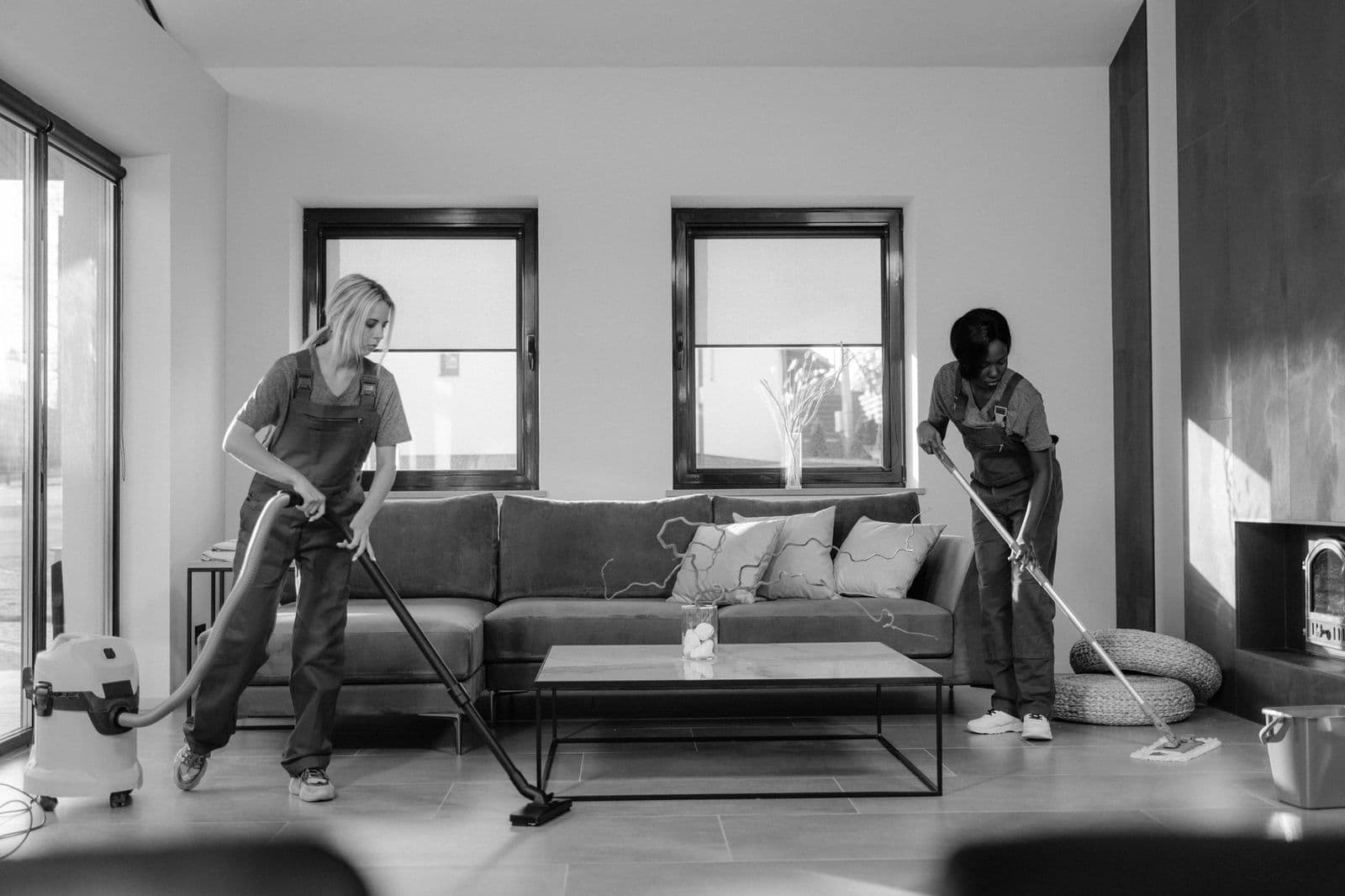
How to clean a bagless vacuum: empty the bin, wash and dry filters, clear hair and clogs and follow a simple schedule for strong suction.
Here is how to clean a bagless vacuum in brief: unplug it or remove the battery, empty the dust bin over a trash bag, rinse the bin and washable filters and let them dry for a full day, cut hair from the brush roll and check the hose for clogs. Do the quick steps after every use and the deeper clean monthly, and your vacuum will keep its suction for years.
Bagless vacuums save money on bags, but they put more of the upkeep in your hands. Fine dust coats the cyclone and filters, hair wraps the brush roll and small clogs quietly choke airflow. This guide covers the supplies you need, a seven step routine that works for uprights, canisters and cordless sticks, a maintenance schedule and fixes for the most common problems.
Why Regular Maintenance Matters
A bagless vacuum relies on airflow spinning through a cyclone to separate dirt from air. When the bin is overfilled or the filters are clogged, that airflow slows, suction drops and dust starts slipping past the cyclone into the motor filter. The motor then runs hotter and works harder for weaker results.
Regular cleaning keeps suction strong, protects the motor from fine dust and stops the musty smell that builds up when debris sits in the bin. It also helps allergy sufferers, because clean filters trap more fine particles instead of blowing them back into the room. A few minutes of upkeep is far cheaper than a new motor or a replacement vacuum.
What You Need
- Trash bag and a dust mask
- Scissors or a seam ripper
- Soft brush or old toothbrush
- Microfiber cloths
- Mild dish soap and lukewarm water
- Replacement filters, if yours are not washable or are worn
- A broom handle or straightened coat hanger for hose clogs
- Screwdriver for brush roll covers
How to Clean a Bagless Vacuum and Maintain It Step by Step
Always unplug the vacuum or remove the battery before cleaning. Work outdoors or over a trash can, since emptying a bin releases a cloud of fine dust.
Step 1: Empty the Dust Bin
Remove the bin and hold it deep inside a trash bag before opening the release, which keeps dust from blowing back at you. Tap the sides to loosen packed debris and pull out hair caught around the cyclone or screen. Empty the bin after every use, or at least when it reaches the max fill line, since a full bin cuts suction sharply.
If anyone in your home has allergies, empty the bin outdoors and wear a simple dust mask. Some owners slip a small plastic bag over the bin before opening the bottom flap, which traps the dust cloud inside. Wipe the bin seal with a dry cloth each time so it closes tightly, since a leaky seal lets fine dust escape into the air you just cleaned.
Step 2: Wash or Replace Filters
Most bagless vacuums have a pre motor filter and a post motor or HEPA filter. Tap them over the trash to remove loose dust. If the manual says they are washable, rinse them in lukewarm water without soap, squeeze gently and let them air dry for at least 24 hours. Never put a damp filter back in, because moisture can damage the motor and grow mold. Replace filters that are torn, stained or permanently clogged.
Foam and felt pre motor filters usually tolerate rinsing well, while pleated HEPA cartridges vary by maker. When in doubt, tap the pleats clean over a trash can and use a soft brush rather than water. Keeping a spare set of filters lets you swap in dry ones immediately while the washed set dries, so you never skip vacuuming or rush a damp filter back in.
Step 3: Remove Hair from the Brush Roll
Turn the vacuum over and look at the brush roll. Use scissors along the groove to cut wrapped hair and string, then pull the pieces free. If the brush roll is removable, take it out and clean the end caps and bearings, where hair builds up and causes friction. Self cleaning or anti tangle brush rolls still benefit from a quick check.
Step 4: Check Hoses for Clogs
Weak suction after emptying the bin and cleaning the filters often points to a clog. Detach the hose and look through it toward a light. Gently push a broom handle through to clear debris, or drop a coin through to test the path. Also check the inlet at the bottom of the vacuum and the opening where the hose meets the bin.
Step 5: Clean the Bin, Cyclone and Attachments
Once a month, give the bin a deeper clean. If the maker allows, rinse the bin and cyclone assembly in warm soapy water, scrub fine dust from the screen with a soft brush and let everything dry fully. Wash the crevice tool, dusting brush and upholstery tool the same way. Wipe the vacuum body with a damp microfiber cloth.
Step 6: Battery Care (Cordless Models)
For cordless bagless sticks, wipe the battery contacts with a dry cloth, store the vacuum indoors at room temperature and avoid leaving the battery fully drained for long periods. Keep the charger dock free of dust, and replace the battery when runtime drops noticeably.
Step 7: When to Replace Belts and Parts
Check belt driven brush rolls every few months. A stretched, cracked or burning smelling belt needs replacing. Replace brush rolls with worn bristles, cracked hoses and damaged wheels. Filters typically need replacing on the schedule in your manual, even when they are washable.
Maintenance Schedule (Daily, Monthly, Yearly)
This simple plan covers how to maintain a bagless vacuum through the year. Homes with pets may need to clean more often.
| When | Task |
|---|---|
| After every use | Empty the dust bin, check for hair around the brush roll |
| Monthly | Wash washable filters, rinse the bin and cyclone if allowed, clean attachments, check the hose |
| Every 3 to 6 months | Inspect the belt and brush roll bearings, deep clean the brush roll |
| Yearly | Replace filters as recommended, check wheels, cord or battery health |
A good rule of thumb is to clean the filters any time you notice suction dropping, even if the calendar says it is not due yet. Dusty jobs such as post renovation cleanup or heavy pet shedding can clog filters in days rather than weeks.
Troubleshooting Common Problems
Loss of suction: a full bin, clogged filter or blocked hose. Empty, clean and check each in turn.
Bad smell: debris sitting in the bin, damp filters or a slipping belt. Empty and wash the bin, dry filters fully and inspect the belt.
Brush roll not spinning: hair jammed in the roll or a broken belt. Clear it or replace the belt.
Dust blowing out: a poorly seated bin, a damaged seal or a missing filter. Reseat parts and check gaskets.
Vacuum shuts off: a thermal cutoff after overheating from a clog. Unplug it, clear the blockage and let it cool for about 30 minutes.
Many of these problems come from a few avoidable habits: letting the bin overfill, reinstalling filters before they are dry, vacuuming fine drywall dust or fireplace ash that clogs filters fast, and ignoring hair on the brush roll. If your vacuum still struggles after cleaning, it may be time for an upgrade. See our picks for the best bagless vacuum cleaner, including the best bagless vacuum for carpet and the best bagless vacuum for hardwood floors.
Frequently Asked Questions
How often should I clean a bagless vacuum?
Empty the bin after every use and check the brush roll for hair. Wash filters and clean attachments about once a month, more often with pets or heavy use. Inspect the belt and brush roll bearings every few months and replace filters on the schedule in your manual.
Can I wash the filter or parts with water?
Many bagless vacuum filters, bins and attachments can be rinsed with lukewarm water, but only if the manual says they are washable. Skip soap on filters, never wash HEPA filters that are not labeled washable and let every part dry for at least 24 hours. Never wet the motor or electrical parts.
Final Thoughts
Knowing how to clean a bagless vacuum comes down to a few habits: empty the bin often, keep filters clean and dry, clear hair and clogs, and replace worn parts on time. Your vacuum will keep strong suction and last longer. If you are shopping for a new machine, see our picks for the best vacuum cleaner or learn where to buy a vacuum cleaner.


