
How to Clean a Garden Hose: Simple Steps, Tips and Mistakes to Avoid
Disclosure: We may earn a commission when you buy through links on this page, at no extra cost to you. As an Amazon Associate I earn from qualifying purchases. Learn more
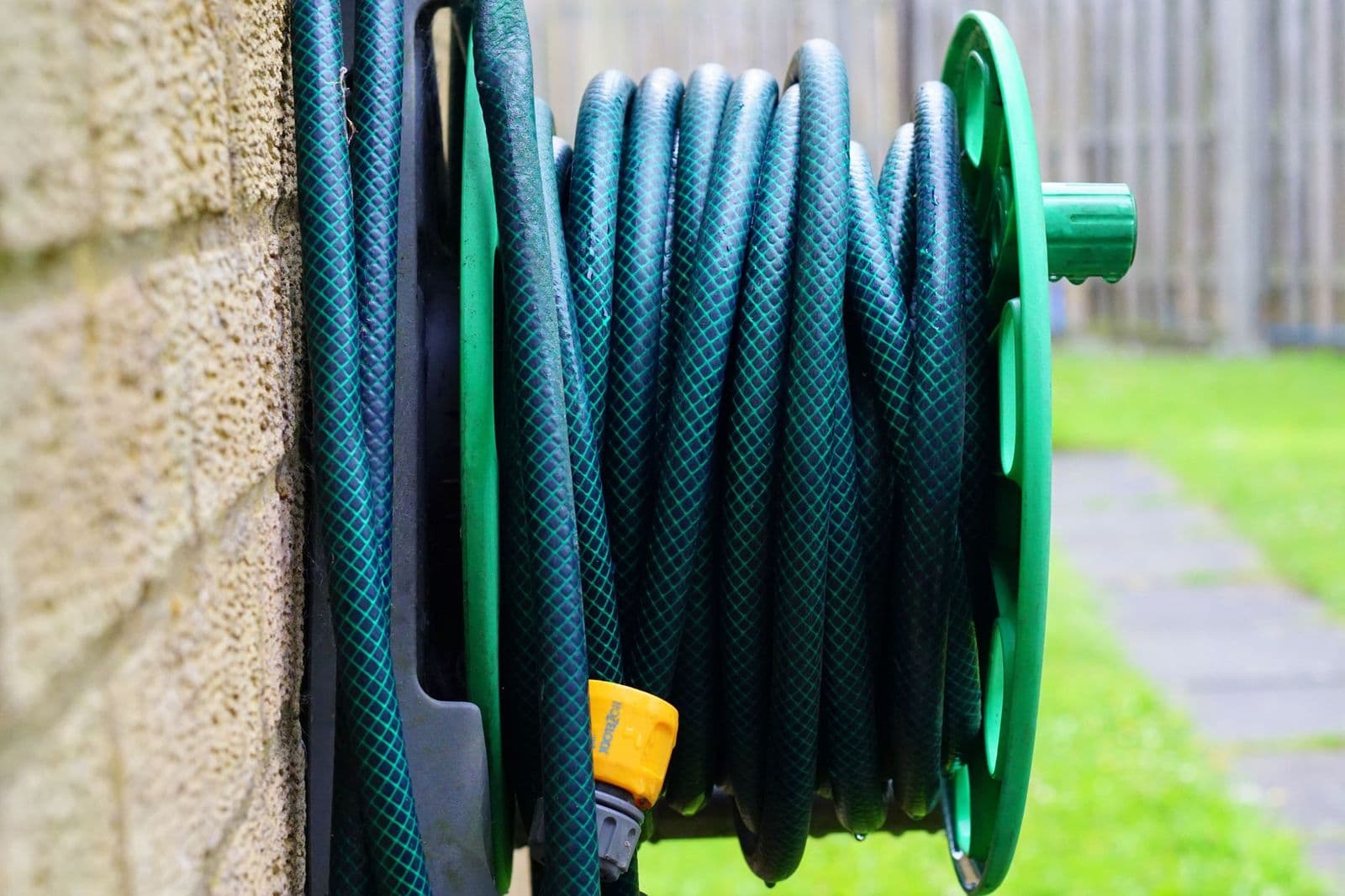
How to clean a garden hose: scrub the cover, flush the inside with vinegar, refresh washers and fittings, then drain and store it dry.
To clean a garden hose, scrub the outside with warm soapy water, flush the inside with a vinegar and water solution, rinse it thoroughly with clean water and let it drain and dry completely before you coil it. Clean the fittings, washers and nozzle at the same time. That is how to clean a garden hose in a nutshell, and doing it a couple of times a season keeps water flowing freely and helps the hose last for years.
Below you will find the supplies you need, a step by step routine, a simple maintenance schedule and quick fixes for leaks, kinks and low pressure.
Why Regular Maintenance Matters
A hose spends its life outdoors in sun, dirt and temperature swings. Algae and slime can grow inside when water sits in it, mineral deposits build up in fittings and nozzles, and grit wears washers until connections drip. Sunlight also breaks down the outer cover over time.
Regular care prevents most of these problems. Learning how to maintain a garden hose means fewer leaks, stronger water pressure, cleaner water for plants and pets and a hose that resists cracking and kinking. It also saves money, since a good hose with brass fittings is worth protecting.
What You Need
- Bucket of warm water and mild dish soap
- Soft brush or sponge
- White vinegar
- Old toothbrush or small wire brush for fittings
- Replacement rubber washers
- Towel or rag
- Hose reel or hanger for storage
How to Clean a Garden Hose Step by Step
Set aside about half an hour for a full clean. Most of that time is soaking and drying, not scrubbing.
Step 1: Rinse and dry after use
Start by disconnecting the hose from the spigot and removing the nozzle. Stretch the hose out on a sloped driveway or lawn and lift one end so any standing water drains out. Rinse loose mud and grass off the outside with a quick spray before you start cleaning.
Make draining a habit after every use, not just on cleaning day. Water that sits inside a warm hose is what feeds algae and bacteria, so a quick drain takes care of half the cleaning work before it starts.
Step 2: Scrub the outside
Dip a soft brush or sponge in warm soapy water and work your way along the hose, paying extra attention to sections that lie on the ground. Avoid harsh solvents, which can damage the cover. Rinse the soap away with clean water as you go.
Look closely at the cover while you scrub. Small cracks, soft spots or blisters are early signs of sun damage or a weak section, and spotting them now lets you patch or replace the hose before it bursts in the middle of a job.
Step 3: Flush and sanitize the inside
Mix roughly one part white vinegar to four parts water in a bucket. Coil the hose into the bucket, or pour the solution into one end with a funnel while holding both ends up, so the inside fills. Let it soak for about an hour to loosen algae and mineral buildup. Then reconnect the hose to the spigot and run clean water through it until the smell of vinegar is gone.
For a very dirty hose, repeat the soak or move the hose around in the bucket halfway through so the solution reaches every section. A hose that has been left full of water for weeks may release dark flecks at first. Keep flushing until the water runs completely clear.
Step 4: Clean fittings, washers and the nozzle
Mineral deposits and light corrosion often collect on the threads. Scrub brass fittings with an old toothbrush dipped in vinegar, then rinse. Pull out the rubber washer inside the female end and replace it if it is flattened, cracked or hard. Soak the spray nozzle in vinegar to clear clogged holes, and wipe moving parts dry.
Step 5: Store indoors
Let the hose drain completely and dry in the shade, then coil it loosely on a hose reel or hanger. Store it in a garage or shed out of direct sun, especially over winter. Never leave water inside a hose in freezing weather, since ice can split the tube and damage fittings.
Step 6: When to replace
Replace a hose when it has multiple leaks, cracks along the cover, bulges, or a tube that kinks badly even after straightening. Small leaks near the ends can often be fixed with a repair coupling, but widespread cracking means the material has broken down.
Maintenance Schedule (Daily, Monthly, Yearly)
| How often | Task |
|---|---|
| After each use | Turn off the spigot, release pressure, drain the hose and coil it loosely |
| Monthly | Check washers and fittings for leaks, soak the nozzle if spray weakens, wipe the cover |
| Twice a season | Full clean: scrub outside, vinegar flush inside, clean fittings |
| Yearly (fall) | Drain completely, replace worn washers and store indoors for winter |
If your water is hard, clean nozzles and fittings more often, since mineral scale builds up faster. It also helps to keep a small kit of spare washers and a hose mender in the garage, so a quick fix is always on hand when a connection starts to drip.
Troubleshooting Common Problems
- Dripping at the spigot. Replace the rubber washer and tighten the connection by hand.
- Low pressure. Check for kinks, then soak the nozzle and inspect the washer screen for debris.
- Slimy or smelly water. Flush the inside with a vinegar solution and store the hose drained.
- Frequent kinks. Uncoil the hose fully in the sun for a while to relax it, and store it on a reel.
- Stuck fittings. Soak threads in vinegar, then use a rubber grip to loosen them.
- Small pinhole leak. Use a hose repair kit or mender, or cut out the damaged section and join it with a coupling.
Expandable hoses need gentler care. When figuring out how to clean an expandable garden hose, skip the stiff brush and long soaks in hot sun, rinse it with mild soapy water and always let it shrink back fully before storing. To maintain an expandable garden hose, avoid dragging it over rough edges and keep it out of direct sunlight between uses.
Frequently Asked Questions
How often should I clean a garden hose?
A full clean twice a season is enough for most homes, usually in spring and at the end of summer. Drain and coil it after every use, and flush it whenever water smells musty or you plan to use it for pets or vegetable gardens. Hoses left in the sun or used with hard water benefit from more frequent cleaning.
Can I wash the washers and nozzle with soap and water?
Yes. Rubber washers, nozzles and plastic connectors can be washed in warm soapy water and rinsed well. For mineral buildup, a vinegar soak works better than soap. Dry metal parts afterward, and replace any washer that has become hard or cracked, since a fresh washer is the easiest way to stop drips.
Can I leave my garden hose outside all year?
It is better not to. Sun breaks down the cover over time, and in cold climates any water left inside can freeze, split the tube and crack fittings. If you must keep it outdoors, use a shaded reel or hose box, drain it after each use and bring it inside before the first hard freeze.
Is it safe to use bleach to clean a garden hose?
A very diluted bleach solution can sanitize a hose, but it may dry out rubber and must be flushed out completely. Vinegar is gentler and works well for algae and mineral deposits. If you water edible plants or fill pet bowls, rinse thoroughly after any cleaner and consider a hose labeled lead free.
Final Thoughts
Knowing how to clean a garden hose comes down to scrubbing the outside, flushing the inside with vinegar, refreshing washers and storing it dry. If your hose is beyond saving, see our picks for the best garden hose, the best garden hose for seniors and the best garden hose for vegetable gardens. Our guides on where to buy a garden hose and how much does a garden hose cost cover the rest.


