
How to Clean a Hedge Trimmer: Simple Steps, Tips and Mistakes to Avoid
Disclosure: We may earn a commission when you buy through links on this page, at no extra cost to you. As an Amazon Associate I earn from qualifying purchases. Learn more
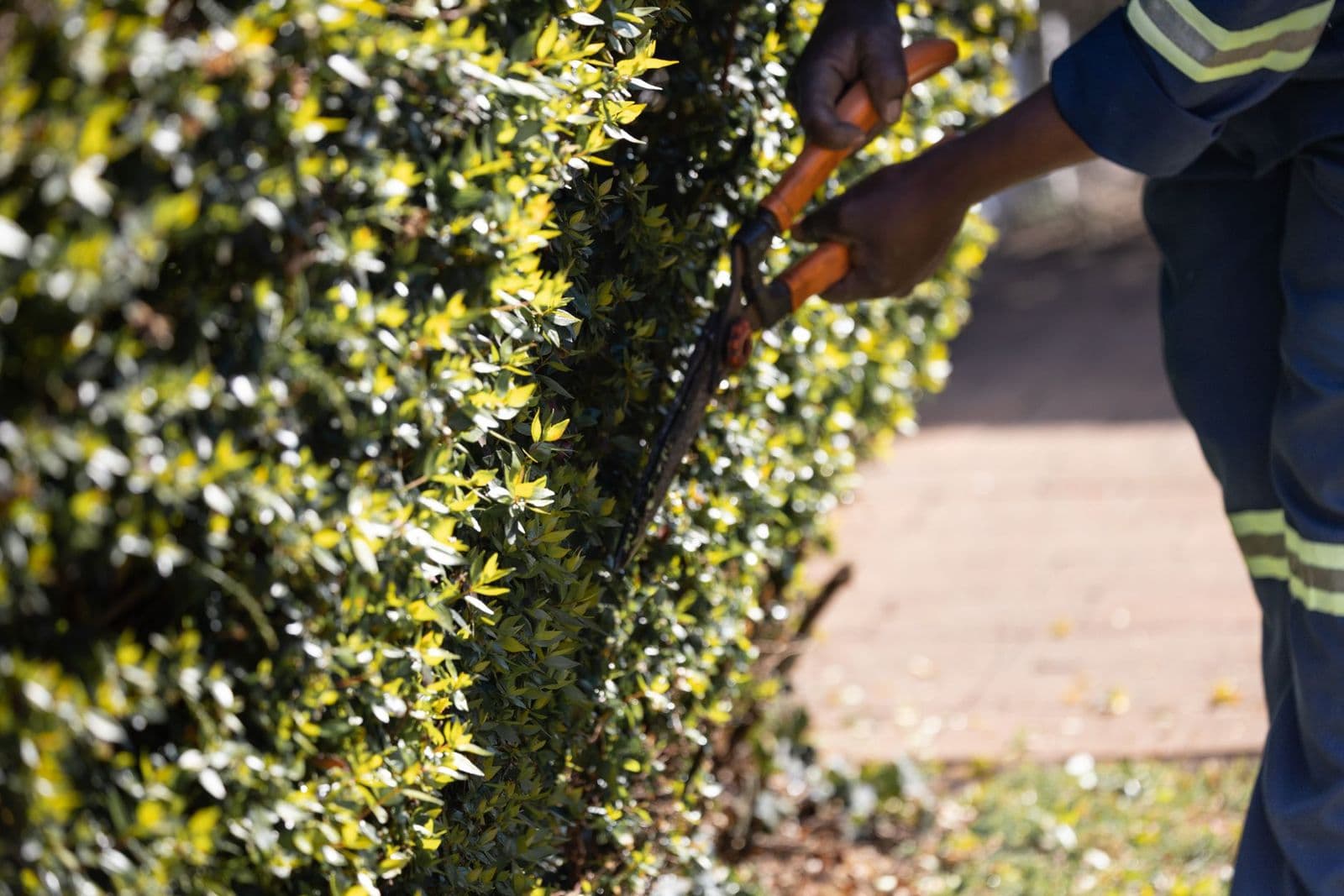
How to clean a hedge trimmer after every use, sharpen and oil the blades, care for batteries or gas engines and store it for winter.
Here is how to clean a hedge trimmer in short: disconnect the power, brush off clippings, scrub sap from both blades with a resin solvent or warm soapy cloth, dry everything, then oil the blades before storage. Do that after every session and your trimmer will cut cleaner, run cooler and last far longer.
Sap, dust and leaf debris build up fast, especially on evergreens and resinous shrubs. Left alone, that gunk gums up the teeth, makes the motor work harder and invites rust. This guide covers the supplies you need, a full seven step routine for battery, corded and gas models, a maintenance schedule and quick fixes for the problems owners run into most.
Why Regular Maintenance Matters
Hedge trimmer blades work like dozens of tiny scissors. When sap and fine debris coat them, friction rises, the teeth stop shearing cleanly and branches get torn instead of cut. Torn stems brown at the tips and heal slowly, so your hedge looks worse even after a trim.
Dirty blades also strain the motor or engine and the gearbox, which shortens their life and drains batteries faster. Moisture trapped under sticky residue leads to rust and pitting. A few minutes of cleaning after each use prevents most repairs, keeps the cutting capacity close to what the maker rates and makes the tool safer, since a jammed blade is more likely to kick or bind.
What You Need
- Stiff nylon brush or an old toothbrush
- Clean rags or shop towels
- Resin or sap remover, or warm water with mild dish soap
- Light machine oil or a lubricant spray made for blades
- Gearbox grease (if your manual calls for it)
- Flat file or sharpening tool for the blade teeth
- Work gloves and safety glasses
- Screwdriver or wrench for covers and blade bolts
How to Clean a Hedge Trimmer and Maintain It Step by Step
Always start by removing the battery, unplugging the cord or disconnecting the spark plug wire on a gas model. Wear gloves, because the blades stay sharp even when dirty.
Step 1: Clean After Every Use
Brush loose leaves and clippings from the blades, the blade guard and the air vents on the motor housing. Then wipe both sides of the blades with a rag dampened in sap remover or soapy water. Work from the handle end toward the tip, never across the teeth. Stubborn resin may need a minute to soften before it wipes away. Dry the blades completely so no moisture sits between the two bars.
For battery tools, this is also how to clean a cordless hedge trimmer safely: keep water away from the battery port and motor vents, and use only a damp cloth on the housing.
Step 2: Inspect the Blades
Look closely at each tooth. Check for nicks, bent teeth, cracks and burrs, and make sure the blades still sit flat against each other. Gaps between the bars let branches jam instead of being cut. Loose blade bolts or worn guides cause rattling and poor cutting, so tighten them to the maker's specification if needed.
Step 3: Sharpen or Replace Cutting Parts
Dull blades crush stems rather than slicing them. Use a flat file at the existing bevel angle on each cutting edge, a few even strokes per tooth, filing in one direction only. Many manufacturers recommend sharpening only the cutting edges and leaving the flat faces alone. If teeth are cracked, badly bent or worn short, replace the blade assembly instead of filing further. Some owners prefer a professional sharpening service once a season.
Step 4: Air Filter, Spark Plug and Fuel Care (Gas)
Gas hedge trimmers need a clean air filter to breathe. Remove the cover, tap or brush out foam or paper filters, and wash foam filters in soapy water if the manual allows, letting them dry fully before refitting. Check the spark plug for carbon and replace it if the electrode is worn. Use fresh fuel mixed at the ratio printed on the tool, and add a stabilizer if the fuel will sit longer than a few weeks.
Step 5: Battery Care (Cordless)
Knowing how to maintain a cordless hedge trimmer is mostly about the battery. Wipe the contacts with a dry cloth, check for cracks in the pack and store it indoors at room temperature. Avoid leaving batteries in a hot car or a freezing shed, and do not store them fully drained for long periods. Charge with the charger made for that battery platform.
Step 6: Lubrication Points
After cleaning and drying, apply a light coat of machine oil or blade lubricant along the full length of both blades, then run the trimmer for a few seconds so the oil spreads between the bars. Wipe away excess, which would attract dust. Many models also have a gearbox grease port. Check your manual for the interval and add the recommended grease sparingly.
Step 7: Off Season Storage
Before winter, give the trimmer a full clean, sharpen the blades, oil them and fit the blade cover. Store it hanging or flat in a dry place. For gas models, either run the tank empty or fill it with stabilized fuel as the maker recommends. Remove batteries and store them indoors at a partial charge.
Maintenance Schedule (Daily, Monthly, Yearly)
This schedule is the simplest answer to how to maintain a hedge trimmer over a full season.
| When | Task |
|---|---|
| After every use | Brush off debris, remove sap, dry the blades, apply a light oil coat |
| Monthly in season | Inspect teeth and bolts, clean the air filter (gas), check battery contacts (cordless) |
| Every few months of use | Sharpen blades, grease the gearbox if your manual calls for it |
| Yearly | Replace the spark plug (gas), check the blade assembly for wear, deep clean before storage |
Heavy users cutting thick or resinous hedges should clean and oil more often.
Troubleshooting Common Problems
Blades jam or stall: sap buildup or a branch thicker than the cutting capacity. Clean the blades and stay within the rated tooth gap. If a model keeps stalling on your hedges, our guide to the best hedge trimmer for heavy duty use covers tools built for thicker growth.
Ragged or torn cuts: dull or nicked blades. Sharpen or replace them.
Excess vibration or noise: loose blade bolts, a bent blade or worn gears. Tighten bolts and inspect the blade assembly.
Short battery runtime: an aging pack, dirty contacts or storage in extreme temperatures. Clean the contacts and check the battery's age.
Gas model hard to start: stale fuel, a clogged air filter or a fouled spark plug. Replace the fuel, clean the filter and check the plug.
A few cleaning mistakes cause many of these problems in the first place:
- Spraying the whole tool with a garden hose or pressure washer, which forces water into the motor and gearbox.
- Using harsh solvents on plastic housings, which can crack or cloud them.
- Oiling blades that still have sap on them, which just traps grime.
- Storing the trimmer without a blade cover, where teeth get nicked by other tools.
- Leaving a battery on the charger or in a hot shed all summer.
If repairs cost more than half the price of a new tool, replacing it may make more sense. Our guide on how much does a hedge trimmer cost helps you compare.
Frequently Asked Questions
How often should I clean a hedge trimmer?
Clean it after every use. A quick brush, sap removal and a light coat of oil take only a few minutes and prevent most problems. Do a deeper inspection and sharpening every few months of regular use, and a full clean before off season storage.
Can I wash the filter or parts with water?
You can wash a foam air filter on a gas trimmer in warm soapy water if the manual allows, then let it dry fully. Paper filters should be tapped clean or replaced. Never hose down the motor, battery port or engine. Use a damp cloth on housings and dry the blades right away to prevent rust.
Final Thoughts
Now you know how to clean a hedge trimmer: power off, brush, remove sap, dry, sharpen when needed and oil the blades. That simple habit keeps cuts crisp and the tool running for years. For a compact yard, see our picks for the best hedge trimmer for backyards. If it is time for an upgrade, compare our picks for the best hedge trimmer or learn where to buy a hedge trimmer.


