
How to Use a Hedge Trimmer: Step by Step Guide for 2026
Disclosure: We may earn a commission when you buy through links on this page, at no extra cost to you. As an Amazon Associate I earn from qualifying purchases. Learn more

Learn how to use a hedge trimmer safely and get straight, even hedges with this seven step routine, pro tips and common mistakes.
To use a hedge trimmer, wear eye and ear protection, check that the blade is clean and tight, then hold the trimmer with both hands and sweep it in smooth, slightly angled passes, cutting the sides from the bottom up before leveling the top. Keep the blade moving at full speed and never reach above shoulder height. That is how to use a hedge trimmer in a nutshell, and the guide below explains each step in detail so your shrubs end up neat and healthy.
The method works for battery, corded and gas models alike. A battery hedge trimmer is the simplest choice for most yards, corded units are light and cheap, and gas trimmers suit large properties. Below you will find safety prep, a seven step routine, pro tips for crisp lines and the mistakes beginners make most often.


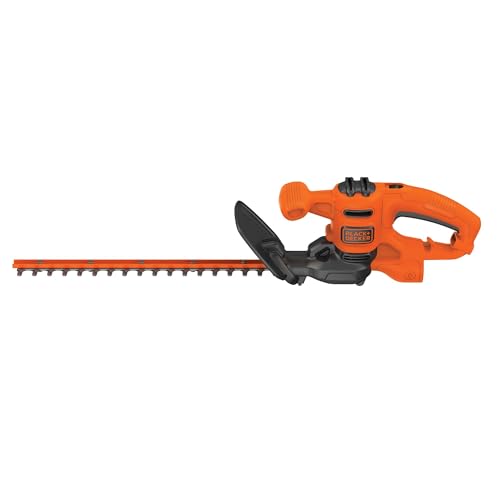
Before You Start: Safety and Prep
A hedge trimmer looks less threatening than a chainsaw, but its reciprocating blades can cause serious cuts in an instant. Most accidents happen when someone reaches toward the blade to clear clippings, trims from a wobbly ladder or catches a cord. A few minutes of prep removes those risks.
Walk around the hedge first. Look inside the shrubs for wire fencing, plant ties, garden lights, hoses and bird nests, since metal objects can chip the teeth and nesting birds deserve a delay. Clear the ground of toys, stones and tools, and lay a tarp along the base to catch clippings.
Keep children and pets indoors or well away. Choose a dry day, because wet leaves clog the blade and wet grass makes footing slippery. For corded models, use an outdoor rated extension cord plugged into a GFCI outlet and drape it over your shoulder so it trails behind you, away from the cutting path.
Finally, match the tool to the job. Check the blade length and cutting capacity in the manual. Branches thicker than that rating belong to loppers or a pruning saw, not the trimmer. If the hedge has not been cut for years, plan a two stage approach: remove the thick, woody growth with hand tools first, then use the trimmer for shaping.
Think about height as well. A standard trimmer works comfortably up to about shoulder level. For tall privacy hedges, a pole hedge trimmer or a sturdy work platform with a wide base is safer than stretching from the ground or balancing on a stepladder.
How to Use a Hedge Trimmer Step by Step
Use this routine every time you trim. It keeps the tool in good shape and gives you an even, professional look.
Step 1: Read the manual and wear safety gear
Read the manual before the first use. Learn how the two hand safety switch works, how to rotate the rear handle if your model allows it, and what the maximum cutting capacity is. Many trimmers have a blade guard or tip protector, so know where they go.
Put on safety glasses, gloves with good grip, long sleeves, long pants and closed shoes. Hearing protection is a must with gas models and a good idea with powerful battery units. Tie back long hair and skip loose clothing.
Step 2: Charge batteries or mix fuel correctly
Charge the battery fully before you start and keep a spare on the charger for long hedges. Let a warm pack cool down before recharging. If you own other tools from the same battery platform, a second pack is often cheaper than you expect.
Gas trimmers need fresh gasoline mixed with two stroke oil at the ratio printed in the manual. Mix in a marked fuel can, fill the tank on bare ground and wipe away any spills before starting.
Step 3: Inspect the tool before each use
With the battery removed or the cord unplugged, look over the blade. The teeth should be straight, sharp and free of sap buildup. Check that the blade bolts are tight and that the guard is in place. Inspect the cord or battery contacts for damage.
A light spray of blade lubricant before you begin reduces friction and sap sticking. Dull or bent teeth tear branches instead of slicing them, which leaves brown, ragged tips.
Step 4: Start it the right way
Hold the trimmer at waist height with the blade pointed away from you and nothing in contact with the teeth. Press the safety lockout, then the trigger. On gas models, set the choke, prime the bulb and pull the starter cord with the trimmer resting on the ground.
Let the blades run for a moment and listen. A smooth, steady sound means everything is working. Grinding or heavy vibration means you should stop and check the blade.
Step 5: Use proper technique and stance
Stand with your feet apart on firm ground, holding the front and rear handles with both hands. Trim the sides first, sweeping the blade upward in a gentle arc and tilting it slightly inward so the hedge ends up a little narrower at the top than at the base. That shape lets sunlight reach the lower leaves.
For the top, hold the blade level and sweep side to side. A string line between two stakes makes a perfect guide. Move slowly and let the trimmer cut rather than pushing it into thick wood. If a branch stalls the blade, finish it with pruners.
Step 6: Shut down, cool down and clean
Release the trigger and wait for the blades to stop completely before you set the tool down. Remove the battery or unplug the cord, then brush away clippings with a stiff brush. Wipe sap from the teeth with a rag and a little resin cleaner.
Spray the blade with lubricant to stop rust, then slide on the blade cover. Rake up the clippings or add them to your compost.
Step 7: Store it correctly
Store the trimmer in a dry shed or garage with the blade covered, hanging on a hook or lying flat. Keep batteries indoors at room temperature and about half charged during the off season. For gas models, drain the tank or add stabilizer before long storage.
Sharpen or replace dull blades over the winter so the tool is ready on the first warm weekend. A flat file or a sharpening stone restores most edges, working each tooth at its original angle. While the tool is on the bench, tighten any loose screws on the handle and guard, and check the battery contacts for corrosion.
Pro Tips for Better Results
Small changes in timing and technique make a big difference in how your shrubs look.
- Trim at the right time. Most formal hedges look best with a light trim in late spring and another in late summer. Flowering shrubs should be trimmed right after they bloom.
- Take a little at a time. Several light passes give a smoother finish than one heavy cut.
- Use guides. String lines and stakes keep tops level and sides straight.
- Step back often. Look at the whole hedge from a distance to spot uneven areas.
- Choose the right blade length. Short blades are easier to control on small shrubs, while longer ones speed up big hedges.
- Keep blades sharp and lubricated. Clean cuts heal faster and stay green.
- Work with the growth. Trim new soft growth back to just above the last cut so the hedge stays the same size year after year, rather than slowly getting bigger.
Large or overgrown hedges call for more power. Our guide to the best hedge trimmer for heavy duty use covers models with longer blades and bigger cutting capacity, while the best hedge trimmer for backyards focuses on lighter tools for typical home shrubs.
Common Mistakes to Avoid
These errors cause most of the damage to hedges and most trimmer injuries.
- Clearing clippings with the blade running. Always stop the tool and remove the battery first.
- Cutting above shoulder height. You lose control. Use a pole hedge trimmer or a stable platform instead.
- Forcing thick branches. Wood beyond the cutting capacity jams and damages the blade.
- Cutting into old wood. Many evergreens will not regrow from bare stems.
- Making the top wider than the base. The lower leaves get shaded and die back.
- Trimming during nesting season without checking. Look for active nests before you start.
Frequently Asked Questions
How often should I use a hedge trimmer?
Most hedges need trimming two or three times a year. A light shaping in late spring and a tidy up in late summer keep formal hedges neat, while fast growers such as privet may need a cut every six weeks in the growing season. Informal and flowering shrubs often need only one trim after blooming.
Can beginners use a hedge trimmer safely?
Yes. Beginners can use a hedge trimmer safely by wearing eye protection and gloves, gripping the front and rear handles at all times and never reaching toward a moving blade. A lightweight battery model is the easiest place to start. Practice on low shrubs first, take light passes and stop the tool completely before clearing clippings.
Should I trim a hedge when it is wet?
It is better to wait until the leaves are dry. Wet foliage clogs the blade, slippery ground affects your footing, and corded tools add an electrical risk. If you are curious about budgets before buying, our guide on how much does a hedge trimmer cost lists typical price ranges.
Final Thoughts
Now you know how to use a hedge trimmer: prepare the area, inspect the blade, hold the tool firmly with two hands and shape the sides before the top. Clean and lubricate the blade after every session and store it covered. If you need a new tool, browse our picks for the best hedge trimmer or see where to buy a hedge trimmer for retailer options.

