
How to Clean a Lawn Sweeper the Right Way: Easy Step by Step Guide
Disclosure: We may earn a commission when you buy through links on this page, at no extra cost to you. As an Amazon Associate I earn from qualifying purchases. Learn more

How to clean a lawn sweeper after each use: empty the hopper, clear the brushes, rinse gently, dry it and oil the gears before storage.
Knowing how to clean a lawn sweeper comes down to four habits: empty the hopper completely, pull wet leaves and grass out of the brushes, rinse or brush off the frame and let everything dry before storage. Do that after every session and a sweeper keeps picking up cleanly for many seasons instead of leaving streaks of debris behind.
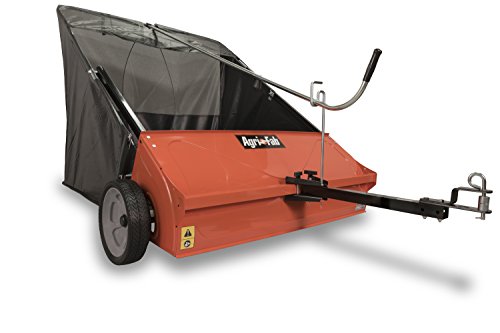
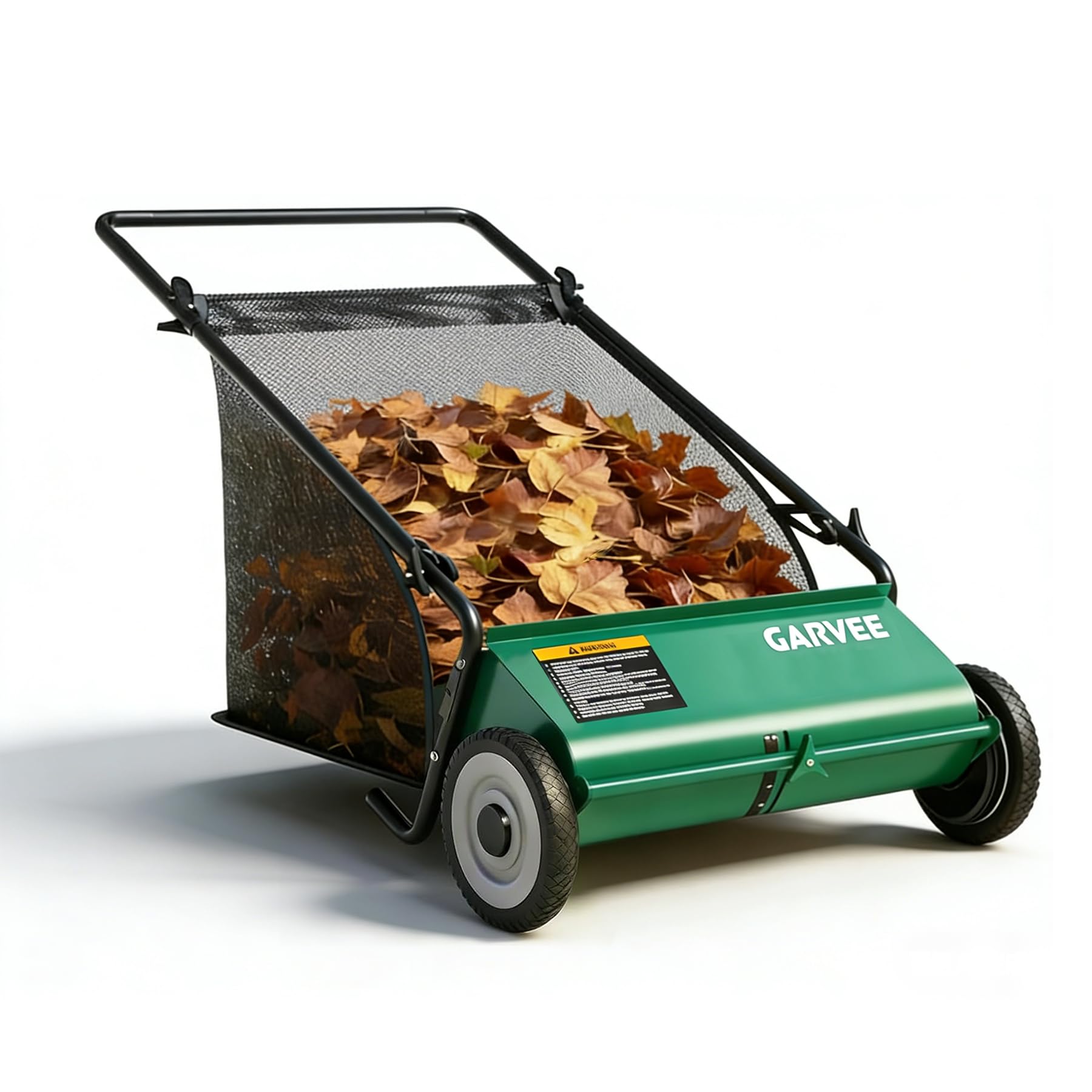
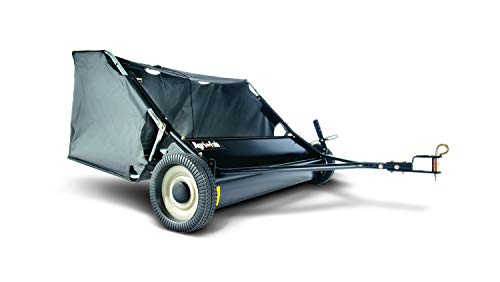
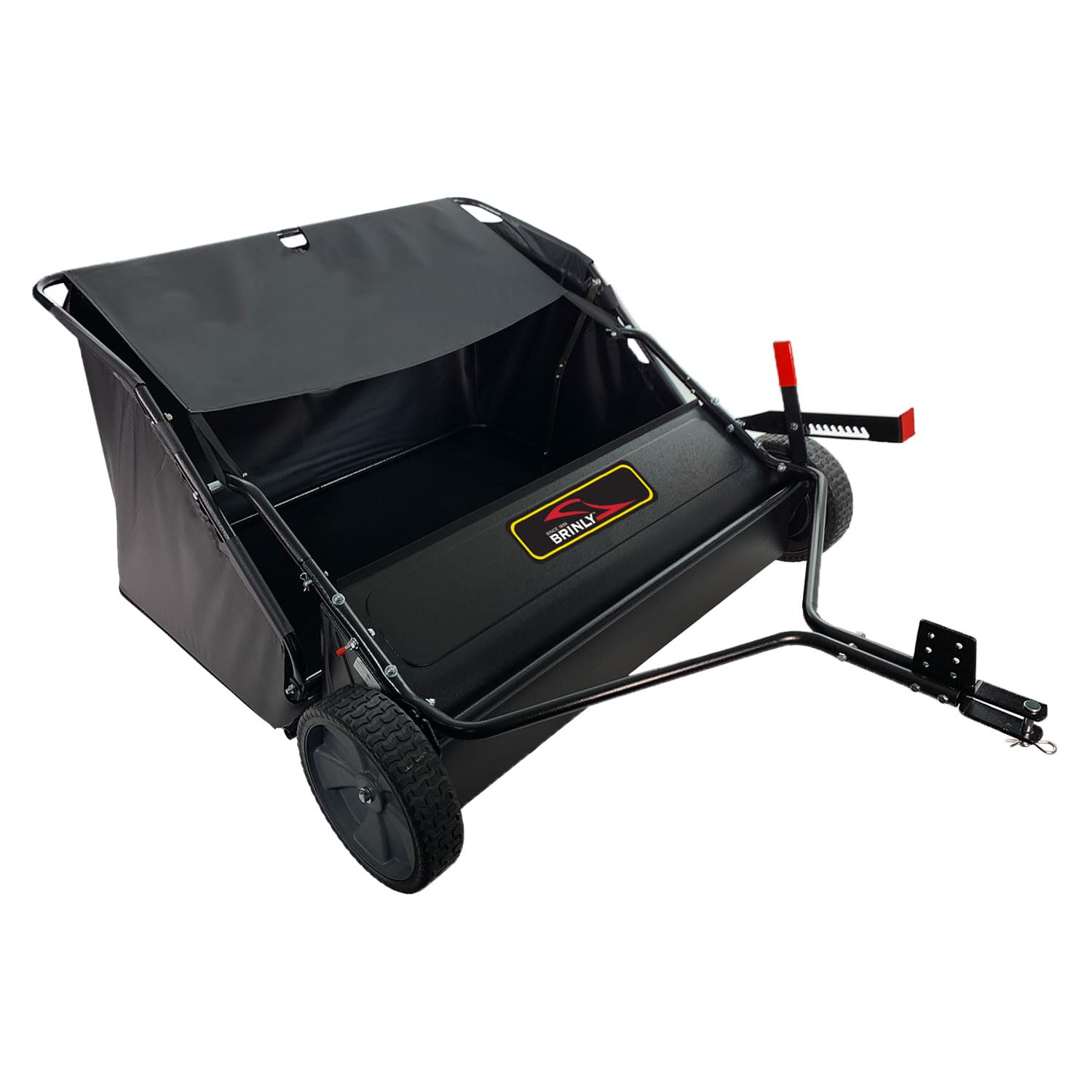
A tow behind sweeper or a push model works with spinning brushes that flick leaves, clippings and pine needles into a fabric hopper. Damp debris, mud and twigs build up on those brushes, on the gears and inside the bag, and that buildup is what slows the brushes, rots the hopper fabric and rusts the steel parts. The routine below takes about fifteen minutes.
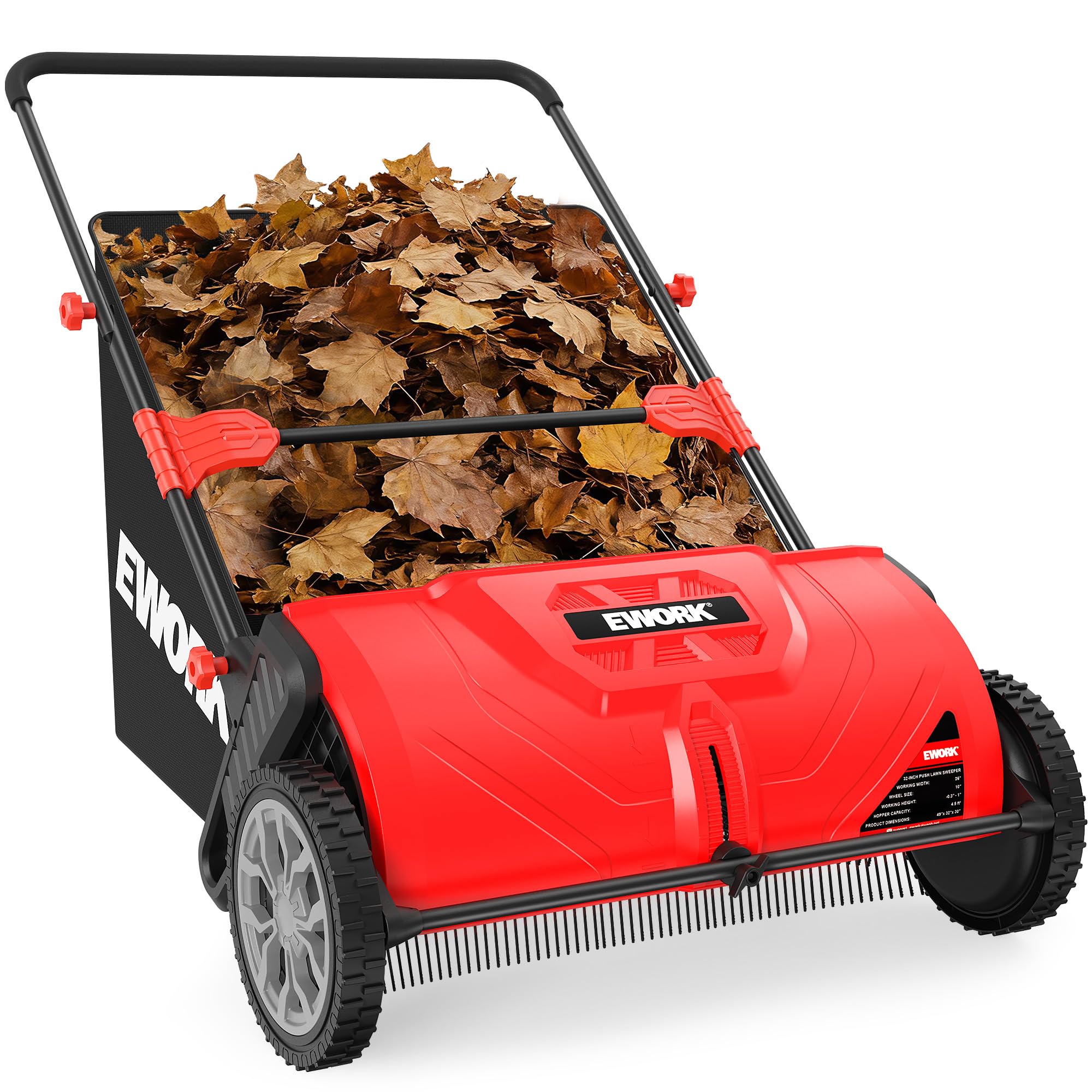
Before You Start: Safety and Prep
Park the sweeper on a flat, firm surface such as a driveway or garage floor, away from slopes where it could roll. If it is a tow behind model, unhitch it from the riding mower or tractor, shut the mower off and remove the key so nobody can start it while your hands are near the hitch.
Gather a stiff brush, a plastic putty knife or old screwdriver for packed debris, a garden hose with a gentle spray nozzle, rags, work gloves and a can of light machine oil or spray lubricant. Gloves matter here because the brush bristles are stiff and the hopper often hides thorny twigs, sharp seed pods and the odd piece of glass. Safety glasses are a smart addition when you brush out dry dust.
How to Clean a Lawn Sweeper Step by Step
Step 1: Read the Manual and Wear Safety Gear
Check the owner's manual for anything specific to your model, such as which parts must stay dry or how the brushes come off. Put on gloves and eye protection before you touch the brushes or the hopper.
Step 2: Unhitch and Secure the Sweeper
Disconnect the tow bar, then chock a wheel or lean a push sweeper against a wall so it stays put. A sweeper has no engine or battery, so there is no fuel or charging step, but a rolling unit can still pinch fingers.
Step 3: Empty and Shake Out the Hopper
Dump the hopper fully, then unclip it if your model allows and turn it inside out. Shake out fine debris and knock the corners where wet clippings pack in.
Step 4: Clear the Brushes
Spin the brushes slowly by hand and pull out wrapped grass, string, vines and twigs. Use the putty knife to scrape packed material from the brush hubs and the area around the drive gears.
Step 5: Rinse With Low Pressure
Rinse the frame, wheels and hopper with a gentle stream. Avoid blasting the wheel hubs and gear housings with high pressure, since that can push grit and water into bearings.
Step 6: Dry Completely
Let the hopper hang or sit open in the sun until it is fully dry, and wipe down the steel frame with a rag. Mesh and fabric hoppers that stay damp develop mildew and weak spots fast.
Step 7: Store It Correctly
Many tow behind sweepers fold up to save floor space. Store the unit indoors or under cover, off bare concrete if possible, with the hopper attached loosely or folded on a shelf.
How to Clean and Maintain a Lawn Sweeper Between Seasons
Cleaning after each use handles the dirt, while a short checkup a few times a year keeps the moving parts healthy. If you are wondering how to maintain a lawn sweeper over the long run, these are the areas that need attention.
Clean After Every Use
Never leave a full hopper sitting overnight. Wet leaves get heavy, stretch the fabric and hold moisture against the frame, so empty, shake and dry the bag every time you finish.
Inspect Brushes and Bristles
Look along each brush for bent, flattened or missing bristles. Worn bristles stop reaching the grass, which shows up as debris left behind even with the height set correctly.
Adjust or Replace Worn Brushes
As bristles wear, lower the brush height a notch so they still sweep into the turf. When adjustment no longer helps, order replacement brushes from the maker for your model rather than generic parts.
Check Wheels, Tires and Hitch
Many sweepers ride on semi pneumatic wheels. Check them for cracks, check that the wheels spin freely and tighten loose bolts on the hitch and tow bar so the sweeper tracks straight behind the mower.
Inspect the Hopper Fabric
Hold the hopper up to the light and look for tears, frayed seams and broken support rods. Small holes grow quickly once full loads of wet leaves start stretching them.
Lubrication Points
Put a few drops of light oil on the wheel axles, the brush drive gears or ratchets and the pivot points of the height lever and dump mechanism. Wipe off any excess so it does not collect dust and grass.
Pro Tips for Better Results
- Sweep when the lawn is dry. Dry leaves and clippings release from the brushes easily, so there is far less to clean afterward.
- Empty the hopper before it is completely full. An overloaded bag pushes debris back into the brushes and strains the frame.
- Set the brush height so bristles touch the grass lightly. Digging into the soil throws dirt and thatch into the hopper and dulls the bristles.
- Do a full clean, dry and oil before winter storage so the unit is ready for the first spring cleanup.
If you are still choosing a machine, our guide to the best lawn sweeper for small yards covers compact push models, and the best lawn sweeper for tall grass roundup looks at wider tow behind units for longer turf.
Common Mistakes to Avoid
- Storing the sweeper with wet leaves still in the hopper, which leads to mildew, odor and rotted fabric.
- Using a pressure washer at close range on the wheel hubs and drive gears.
- Ignoring a brush that spins in both directions. On some models that means the drive pin is jamming the ratchet gear and needs to be freed.
- Skipping lubrication, so the gears and pivots rust and stiffen over the off season.
- Sweeping wet, heavy material repeatedly, which clogs the brushes and overloads the hopper.
Frequently Asked Questions
How often should I clean a lawn sweeper?
Empty and shake out the hopper after every use, and give the brushes a quick check for wrapped grass at the same time. Do a full rinse, dry and lubrication every few sessions during heavy leaf season, and always before storing the sweeper for winter. A sweeper used only for light grass clippings can go a little longer between deep cleanings.
Can I wash the hopper bag in a washing machine?
It is better not to. Most hoppers have stiff support rods, clips and heavy fabric that can damage a washer or tear in the drum. Turn the bag inside out, brush or shake it, then rinse it with a garden hose and let it dry completely in the sun before you put it back on the frame.
Is a lawn sweeper worth the upkeep?
For most yards with lots of trees, yes, because the routine is short and the sweeper saves hours of raking. If you are on the fence, our answer to the question is a lawn sweeper worth it weighs the cost against blowers and rakes, and the where to buy a lawn sweeper guide explains where to find models and replacement parts.
Final Thoughts
Learning how to clean a lawn sweeper is mostly about consistency: empty the hopper, clear the brushes, rinse gently, dry everything and oil the moving parts before storage. A few minutes after each use protects the brushes, wheels and hopper for years. If your current unit is worn out, see our picks for the best lawn sweeper for every yard size.


