
How to Clean a Vacuum Cleaner: Simple Steps, Tips and Mistakes to Avoid
Disclosure: We may earn a commission when you buy through links on this page, at no extra cost to you. As an Amazon Associate I earn from qualifying purchases. Learn more
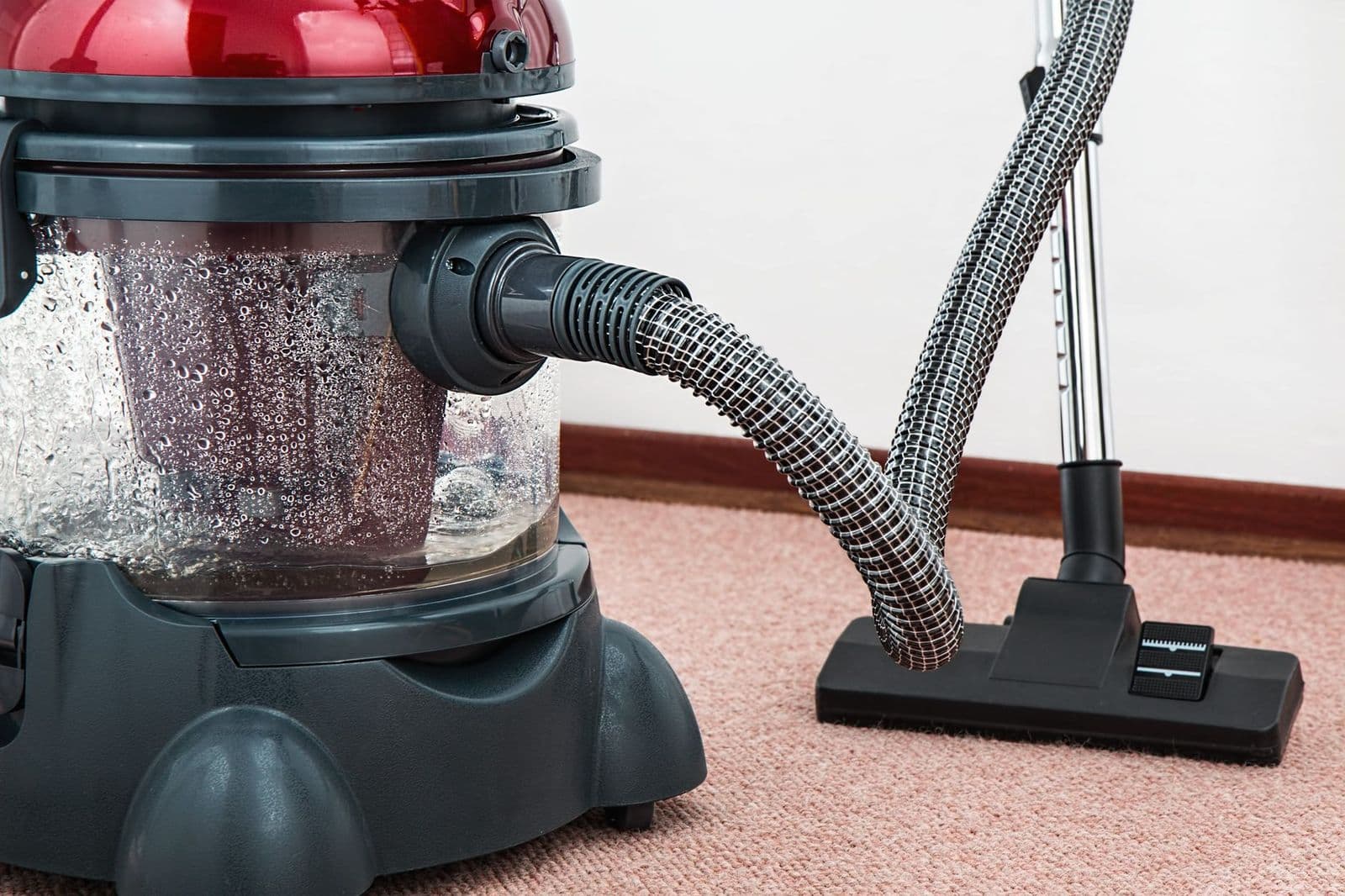
Lost suction or a musty smell? Here is how to clean a vacuum cleaner step by step, plus a simple schedule and quick fixes.
To clean a vacuum cleaner, unplug it, empty the bin or replace the bag, wash or tap out the filters, cut hair off the brush roll, check the hose for clogs and wipe down the attachments. A full clean takes 20 to 30 minutes and restores lost suction on most machines. Knowing how to clean a vacuum cleaner properly also keeps it from smelling, overheating or wearing out years early.
This guide walks you through the tools you need, a simple step by step routine that works for uprights, canisters, sticks and cordless models, a maintenance schedule you can follow all year, and quick fixes for the most common problems.
Why Regular Maintenance Matters
A vacuum works by moving air. When the bin is packed, the filter is clogged with fine dust or hair is wound around the brush roll, airflow drops and suction goes with it. You end up pushing the vacuum over the same patch of carpet again and again, and the motor works harder and hotter than it should.
Regular cleaning keeps suction strong, stops musty odors from trapped dirt and pet hair, and protects filtration so dust and allergens stay inside the machine. It also extends the life of belts, motors and batteries, which are the most expensive parts to replace. A few minutes of care each month can add years to a vacuum, which is far cheaper than buying a new one.
What You Need
You do not need special equipment. Gather these basics before you start:
- Scissors or a seam ripper for cutting hair off the brush roll
- A small brush or old toothbrush
- Microfiber cloths and mild dish soap
- A trash bag or bin for emptying debris
- A broom handle or long, flexible tool for clearing hoses
- Replacement bags, filters or belts if your model needs them
- Your owner's manual for model specific instructions
How to Clean a Vacuum Cleaner Step by Step
Always unplug corded vacuums or remove the battery from cordless ones before you start. Work outdoors or over a trash bag if possible, since emptying and tapping filters releases dust.
Step 1: Empty the bin or change the bag
For bagless models, empty the dust bin into a trash bag, then tap it to release clinging debris. Many bins detach completely; if the manual allows, wash the bin with warm soapy water and let it dry fully before reattaching. If you are wondering how to clean a bagged vacuum, start by replacing the bag when it is about two thirds full rather than waiting until it is stuffed, because suction drops sharply as bags fill. Check the bag compartment for loose dust and wipe it out with a dry cloth.
Step 2: Wash or replace filters
Most vacuums have at least one pre motor filter and one exhaust or HEPA filter. Tap foam and pleated filters over a trash can to remove loose dust. If the manual says the filter is washable, rinse it in cool water without soap, then let it air dry for at least 24 hours. Never reinstall a damp filter, since moisture can damage the motor and cause mildew. Non washable HEPA filters should be replaced on the schedule the maker recommends.
Step 3: Remove hair from the brush roll
Turn the vacuum over and check the brush roll. Hair, thread and carpet fibers wrap around it and stop the bristles from agitating carpet. Snip along the groove with scissors or a seam ripper and pull the hair free. Many brush rolls pop out for easier cleaning; remove the end caps and clear hair from the bearings too. Homes with pets or long hair may need to do this weekly, and our guide to the best vacuum cleaner for pet hair highlights models with tangle resistant brushes.
Step 4: Check hoses for clogs
Detach the hose and look through it toward a light. If you cannot see through, push a broom handle or a long flexible tool gently through to dislodge the clog. Check the inlet at the base of the vacuum and the wand too, since socks, coins and paper often lodge there. A clog anywhere in the airflow path causes a sudden loss of suction.
Step 5: Clean attachments
Crevice tools, dusting brushes and upholstery heads collect dust and hair. Pull hair from bristles, then wash plastic tools in warm soapy water and let them dry. Motorized pet tools have small brush rolls that need the same hair removal as the main floor head. Finally, wipe the outside of the vacuum, the handle and the cord with a damp cloth, and clean the wheels, which pick up hair and grit that can scratch hard floors.
Step 6: Battery care (cordless models)
Wipe the battery contacts with a dry cloth to keep a good connection. Store the vacuum on its charger or in a cool, dry place, and avoid leaving the battery fully drained for long periods. Extreme heat or cold shortens battery life, so do not store a cordless vacuum in a hot car or freezing garage. If you need to know how to clean a lightweight vacuum such as a cordless stick, the same steps apply, just on a smaller scale.
Step 7: When to replace belts and parts
Belt driven uprights rely on a rubber belt to spin the brush roll. If the brush roll does not spin, or you smell burning rubber, the belt may be stretched or broken. Replace it with the correct part for your model. Also replace worn brush rolls, cracked hoses and filters that stay dirty after washing. Learning how to clean an upright vacuum includes checking the belt every few months, since uprights depend on it more than other types.
Backpack and commercial vacuums follow the same pattern, with a few extras. If you need to know how to clean a backpack vacuum, check the harness and straps for wear, empty or replace the bag more often because these machines run for long sessions, and clean the larger hose and wand regularly. Commercial models often have multiple filter stages, so follow the manual for each one.
Maintenance Schedule (Daily, Monthly, Yearly)
Use this schedule as a starting point and adjust for how often you vacuum and whether you have pets. A busy household that vacuums every day will reach the monthly tasks sooner than a single person who cleans once a week.
| How often | Task |
|---|---|
| After each use | Empty the bin or check the bag level; glance at the brush roll |
| Weekly | Remove hair from the brush roll (more often with pets); wipe the bin |
| Monthly | Tap out or wash filters; check hoses and attachments for clogs |
| Every 3 to 6 months | Inspect the belt; deep clean the bin and tools; check battery contacts |
| Yearly | Replace HEPA filters if not washable; replace worn belts and brush rolls |
Following a routine like this is the simplest answer to how to maintain a vacuum cleaner: small, regular tasks prevent the big problems that send vacuums to the repair shop.
Troubleshooting Common Problems
Most vacuum problems have simple causes you can fix at home.
- Weak suction: Empty the bin or change the bag, clean the filters and check the hose for clogs. These three steps fix most suction problems.
- Brush roll not spinning: Clear wrapped hair, check the brush roll switch or setting, and inspect the belt on belt driven models.
- Bad smell: Empty and wash the bin, replace the bag, and wash or replace filters. Never vacuum damp debris with a dry vacuum.
- Burning smell: Turn the vacuum off. A stuck brush roll, broken belt or clogged airflow can overheat the motor.
- Vacuum shuts off: Many vacuums have thermal protection that shuts them down when overheated. Clear clogs, clean filters and let the motor cool before restarting.
- Short runtime on a cordless model: Clean filters to reduce strain, and consider a replacement battery if the pack is several years old.
Avoid common mistakes while you troubleshoot: do not run the vacuum without its filters, do not use water or cleaners on electrical parts, and do not force a stuck brush roll by hand. If problems continue after cleaning, check the warranty and contact the manufacturer. When repair costs approach the price of a new vacuum, it may be time to upgrade; our guide on how much does a vacuum cleaner cost can help you budget.
Frequently Asked Questions
How often should I clean a vacuum cleaner?
Empty the bin after every use and check the brush roll weekly. Clean or tap out filters once a month and inspect hoses and belts every few months. Homes with pets, long hair or heavy use need more frequent cleaning, especially of the brush roll and filters.
Can I wash the filter or parts with water?
Only if the manual says they are washable. Many foam and some pleated filters can be rinsed in cool water without soap, and plastic bins and tools can usually be washed. Let everything dry completely, at least 24 hours, before reassembling. Paper HEPA filters and electrical parts should never get wet.
Does cleaning a vacuum improve suction?
Yes. Most suction loss comes from a full bin, clogged filters, hair on the brush roll or a blocked hose. Clearing these restores airflow, and many owners find their vacuum works like new after a thorough clean.
Final Thoughts
Now you know how to clean a vacuum cleaner: empty it, clean the filters, clear the brush roll and hoses, wipe the tools and care for the battery. A few minutes each month keeps suction strong and your vacuum running for years. If yours is beyond saving, compare our picks for the best vacuum cleaner, see the best vacuum cleaner for hardwood floors, or read where to buy a vacuum cleaner.


