How to Use a Canister Vacuum the Right Way: Easy Step by Step Guide
Disclosure: We may earn a commission when you buy through links on this page, at no extra cost to you. As an Amazon Associate I earn from qualifying purchases. Learn more
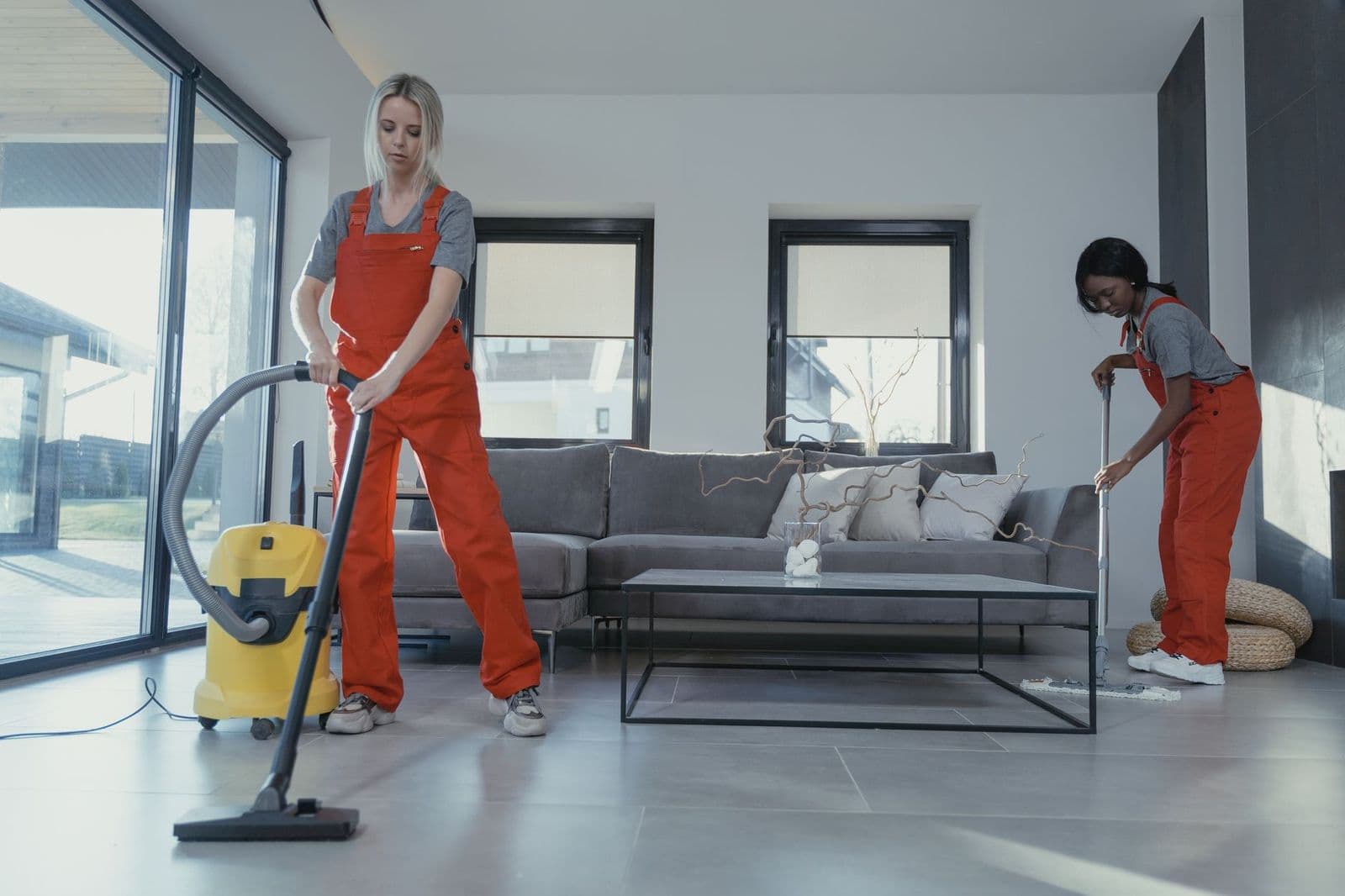
How to use a canister vacuum in six easy steps, from choosing the right floorhead to cleaning stairs, emptying the bin and storing it safely.
To use a canister vacuum, connect the hose and wand, fit the right floor head for the surface, check the bag or bin, then plug it in and pull the canister behind you as you vacuum in slow, overlapping passes. Switch to the crevice, dusting and upholstery tools for edges, stairs and furniture, and empty the bin or change the bag when you finish. That is how to use a canister vacuum in a few sentences.
Canisters are a little different from uprights, because the motor and dust container sit in a separate body on wheels while you steer a light wand. That makes them great for stairs, under furniture and hard floors, but it also means a few habits help you get the best results. This guide walks you through safety, each step, pro tips and common mistakes.
Before You Start: Safety and Prep
Assembly takes a minute. Push the hose end into the canister inlet until it clicks, join the wand sections, then attach the floorhead to the wand. Powered heads often have an electrical connection that only works when the parts are fully seated, so if the brush does not spin, take the head off and reconnect it firmly.
Read the quick start section of the manual and check that every part is in place: the canister body, hose, wand sections, floorhead and tools. Make sure the filter and bag or dust bin are installed correctly, since running a canister without a bag or filter can let dust reach the motor.
Clear the area first. Pick up coins, paper clips, socks, cords and small toys that can block the hose or damage the floorhead. Move light furniture if you plan to clean underneath. Check the power cord for cuts or damage before plugging in, and keep the cord behind you as you work so you do not run over it.
Never vacuum water, wet spills, ashes from a fireplace or fine powders like drywall dust with a household canister unless the manual says it can handle them. Those jobs belong to a wet dry shop vac. Keep the hose away from long hair, loose clothing and pets' tails when the power is on.
How to Use a Canister Vacuum Step by Step
Step 1: Choose the right floor setting or brush roll mode
Many canisters come with more than one floorhead. Use a soft parquet or hard floor brush on wood, tile and laminate, and a powered brush or turbo head on carpet and rugs. On combination heads, use the foot pedal or switch to retract the bristles for hard floors and lower them for carpet. Set the suction dial lower for curtains, delicate rugs and upholstery, and higher for carpets and entry mats. If you mostly clean wood floors, see our list of the best canister vacuum for hardwood floors.
Step 2: Check bin or bag level before you start
Look at the bag indicator or the bin fill line. A bag that is more than about two thirds full, or a bin past its max line, cuts airflow and suction noticeably. Change or empty it now rather than halfway through the job. Make sure the bag collar is seated properly and the lid closes fully, or the vacuum may not seal.
Step 3: Vacuum in overlapping passes
Start at the far side of the room and work back toward the door so you do not walk over clean areas. Push the floorhead forward slowly and pull it back along the same line, then move over so each pass overlaps the last by a few inches. On carpet, slow passes in two directions lift more embedded dirt. Let the canister follow you on its wheels; pick it up by the handle on stairs rather than dragging it by the hose.
Under beds and sofas, lower the wand almost flat to the floor so the head slides beneath the furniture. A telescopic wand helps here and on high ceilings, so adjust its length to your height before you start; a wand that is too short makes you hunch and tires your back quickly.
Step 4: Use attachments for edges, stairs and upholstery
Switch to the crevice tool along baseboards, in corners and between sofa cushions. Use the dusting brush for shelves, lampshades, blinds and vents, and the upholstery tool for chairs, mattresses and car seats. On stairs, set the canister on a step below you and work from the top down, cleaning each tread and then the riser. Pet owners can add a mini turbo brush for fur on furniture; our guide to the best canister vacuum for pet hair covers models that include one.
Step 5: Empty the bin and wipe the filter
When you finish, empty a bagless bin over a trash can, ideally outdoors, and tap loose dust from the filter. For bagged models, change the bag when the indicator shows full. Check the exhaust and motor filters on the schedule in the manual, washing or replacing them as directed and letting washable filters dry fully.
Step 6: Store it safely
Unplug the vacuum and rewind the cord, using the automatic rewind if it has one and guiding the cord with your hand. Park the wand in the storage slot or hang it, and keep the hose loosely coiled so it does not kink or crack. Store the canister in a dry closet away from heaters.
Pro Tips for Better Results
Vacuum high traffic areas often, even if only for a quick pass, since dirt ground into carpet is harder to remove later. Dust shelves and furniture before you vacuum the floor so falling debris gets picked up at the end.
Use the suction control for delicate items. Lower power keeps curtains and throw rugs from being sucked into the head. For deep pile carpet, slow down and raise the brush height if your floorhead allows it.
Keep the hose clear. If suction suddenly drops, check the wand and hose for a clog before you assume the bag is full. A long hose and cord give you a large cleaning radius, so plan your route around outlets to avoid constant replugging. For a broader look at the category, see our picks for the best canister vacuum.
Common Mistakes to Avoid
- Using the carpet brush on hard floors: Spinning bristles can scatter debris and scuff delicate finishes.
- Overfilling the bag or bin: Suction drops long before the bag looks completely full.
- Pulling the canister by the hose: This strains the hose cuffs and can crack the hose.
- Skipping filter care: A clogged filter reduces airflow and can make the motor run hot.
- Vacuuming liquids or fine construction dust: Household canisters are not built for these and can be damaged.
- Running over the cord: Keep the cord behind you to avoid wear and tripping.
Frequently Asked Questions
How often should I use a canister vacuum?
Vacuum high traffic areas once or twice a week and less used rooms every week or two. Homes with pets, kids or allergy sufferers benefit from more frequent cleaning, often every few days. Regular passes keep grit from wearing down carpet and stop dust from building up on hard floors.
Can beginners use a canister vacuum safely?
Yes. Canisters are simple to use once the hose and floorhead are attached. Beginners should check the bag or bin, choose the right head for each floor, keep the cord behind them and lift the canister when moving on stairs. Following the manual's filter schedule keeps it running well.
How do I know when to change the bag?
Most bagged canisters have an indicator window or light that changes color as the bag fills. Change the bag when the indicator says full or when you notice suction dropping, even if the bag does not look stuffed, because fine dust clogs the bag walls before it fills the space.
Is a canister vacuum better than an upright?
Canisters are often easier on stairs, under furniture and on hard floors, because the wand is light and the head is low. Uprights can be quicker on large carpeted areas. The right choice depends on your floors and home layout.
Final Thoughts
Learning how to use a canister vacuum well comes down to the right floorhead, a bag or bin with room to spare, slow overlapping passes, smart use of the tools and simple filter care. Get those right and a canister cleans floors, stairs and furniture with less effort than most uprights. If you are shopping for a new model, see our picks for the best vacuum cleaner, and compare sellers in our guide on where to buy a vacuum cleaner.