
How to Use a Garden Rake: Step by Step Guide for 2026
Disclosure: We may earn a commission when you buy through links on this page, at no extra cost to you. As an Amazon Associate I earn from qualifying purchases. Learn more
How to use a garden rake the easy way: choose leaf or bow rake, rake with good posture in sections, then clean and store it dry.
Knowing how to use a garden rake comes down to three things: picking the right rake for the job, keeping a relaxed, upright posture and pulling with short, controlled strokes instead of long, hard yanks. Use a leaf rake with flexible tines to gather leaves and light debris, and a bow rake with stiff steel tines to break up, spread and level soil, mulch or gravel.
The steps below walk you through preparing, raking efficiently in sections and caring for your rake afterward, along with tips that save your back and mistakes that damage lawns and tools.


Before You Start: Safety and Prep
Raking looks simple, but a few minutes of prep makes it easier and safer. Wear sturdy shoes with good grip and a pair of gardening gloves to prevent blisters, especially on long sessions. Eye protection is a good idea when raking gravel, dry soil or thorny prunings that can flick up.
Walk the area first and pick up sticks, stones, toys and dog waste. Hidden objects can catch tines, jolt your wrists or damage the rake. Mark sprinkler heads, shallow roots and edging so you do not hook them.
Plan where the debris will go. Set a tarp, wheelbarrow or yard waste bag nearby so you are not carrying armloads across the yard. If wind is blowing, rake with it rather than against it. Finally, warm up with a few gentle stretches for your shoulders, back and hamstrings, and plan short breaks every 15 to 20 minutes.
How to Use a Garden Rake Step by Step
Follow these six steps for cleaner results with less effort.
Step 1: Pick the right tool for the job
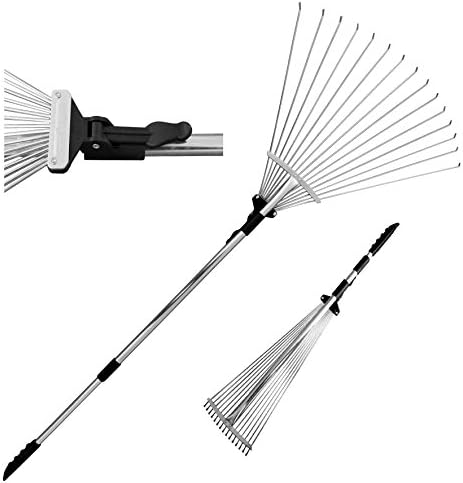
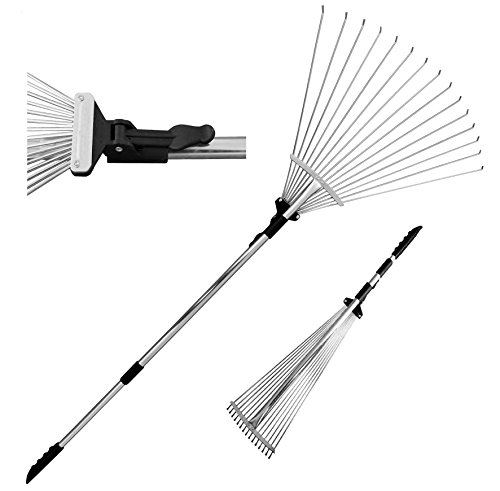
Different rakes do very different jobs. A leaf rake has a wide, fan shaped head with flexible tines made of metal or plastic. It glides over grass to collect leaves, clippings and pine needles without tearing the turf. An adjustable leaf rake lets you narrow the head for tight spots between shrubs and widen it for open lawn.
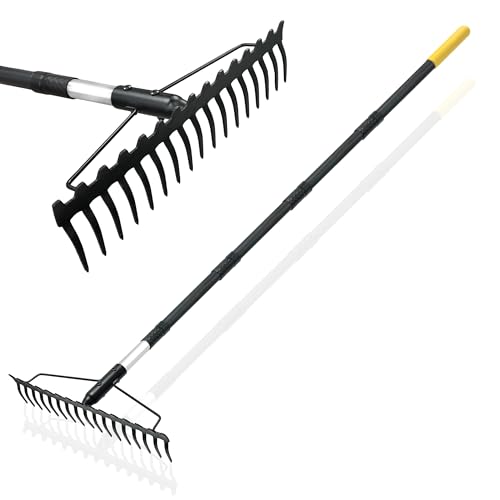
A bow rake, sometimes called a garden or level head rake, has short, rigid steel tines on a straight head. It is built for soil work: breaking up clods, spreading compost or mulch, leveling seed beds and smoothing gravel. Many have a flat back you can flip over to level surfaces. Using a bow rake on leaves, or a leaf rake on soil, makes the job harder and wears out the tool. If you are still deciding which type to buy, read how to choose a garden rake.
Step 2: Check the condition before you start
Inspect the head and handle. Look for bent or missing tines, cracks in the handle and loose connections where the head meets the handle. Tighten any screws or bolts and straighten bent metal tines gently with pliers. A wobbling head wastes effort and can come off mid stroke. Replace a split wooden handle rather than taping it, since splinters and sudden breaks can cause injuries.
Step 3: Use proper posture and technique
Stand upright with your feet about shoulder width apart and your knees slightly bent. Hold the rake with one hand near the top of the handle and the other partway down, and switch hands every few minutes so both sides of your body share the work. Let your arms and legs do the pulling instead of bending and twisting at the waist.
For leaves, use light, sweeping strokes toward your body, letting the tines skim the grass. For soil, push the bow rake forward to break up clods, then pull it back to level. Keep the strokes short. Long reaches strain your back and leave debris behind.
When spreading mulch or compost with a bow rake, dump small piles across the bed first, then use the tines to pull material outward to an even depth. Finish with the flat back of the head, using light passes so you do not push the material into ridges. On gravel paths, the same technique fills low spots and keeps the surface level.
Step 4: Work in manageable sections
Divide the yard into small sections and rake each one into a pile before moving on. Work in one direction, ideally with the wind or downhill, and build several small piles instead of one huge one. Small piles are easier to lift onto a tarp or into a bag. When leveling soil or mulch, rake across the area in one direction, then at a right angle, to get an even surface.
Around flower beds and shrubs, switch to short, gentle strokes and narrow the head if your rake adjusts. Pull leaves out from under plants toward the lawn rather than pushing them deeper into the bed, and rake around stems instead of through them so you do not snap young growth.
Step 5: Clean after use
Knock off soil and leaves by tapping the head on the ground, then brush or rinse away clinging dirt and sap. Wipe the tines dry so metal does not rust. Cleaning takes a minute and keeps tines working smoothly. For a deeper clean and rust removal, see our guide on how to clean a garden rake.
Step 6: Store it dry
Hang the rake on a wall hook with the tines facing the wall, or stand it with the head up, so nobody steps on the tines and the handle cannot fly up. Store it in a shed or garage out of rain and sun. UV light weakens plastic tines and dries out wooden handles over time, and moisture rusts steel.
Pro Tips for Better Results
- Rake leaves when they are dry. Wet leaves mat down, weigh more and clog tines.
- Use a tarp. Rake onto a tarp, then drag it to the compost pile instead of lifting.
- Flip the bow rake. Use the flat back to level soil and gravel for a smoother finish.
- Adjust the head width. Narrow it for flower beds and under shrubs, widen it for open lawn.
- Choose the right handle length. The top should reach about chin height so you can stand upright.
- Compost what you collect. Leaves and clippings make excellent mulch and compost.
- Give the lawn a spring once over. A light pass with a leaf rake in early spring lifts flattened grass and pulls out dead material so new growth gets light and air.
If you have a large property or need a rake that handles rocks and heavy soil, our picks for the best garden rake for heavy duty use are built for tougher work.
Common Mistakes to Avoid
- Raking too hard on lawns. Aggressive strokes tear grass and pull up healthy turf.
- Using the wrong rake. A bow rake on leaves or a leaf rake on soil wastes effort and bends tines.
- Twisting your back. Turn your feet instead of twisting at the waist.
- Raking wet leaves. Wait for a dry day when you can.
- Leaving the rake tines up on the ground. Stepping on the tines can swing the handle into your face.
- Skipping breaks. Long sessions without rest lead to blisters and sore muscles.
Frequently Asked Questions
How often should I use a garden rake?
It depends on the season and task. Rake leaves weekly during heavy fall leaf drop so they do not smother grass. Use a bow rake when preparing beds in spring, spreading mulch or leveling soil. A light spring raking also lifts matted grass and removes winter debris.
Can beginners use a garden rake safely?
Yes. A garden rake is one of the easiest garden tools to learn. Choose the right type, wear gloves and sturdy shoes, keep your back upright and take short strokes. Store the rake with the tines facing down or toward a wall, and beginners can rake safely right away.
Which rake is best for a typical backyard?
Most backyards are well served by two rakes: an adjustable leaf rake for leaves and clippings and a steel bow rake for beds and soil. For specific picks, see our guide to the best garden rake for backyards.
Final Thoughts
Once you know how to use a garden rake, yard work gets faster and easier: pick the right rake, keep good posture, rake in small sections and clean and store the tool dry. These habits protect your lawn, your back and your rake. When you are ready to upgrade, explore our picks for the best garden rake.


