
How to Use a Lawn Sweeper: Simple Steps, Tips and Mistakes to Avoid
Disclosure: We may earn a commission when you buy through links on this page, at no extra cost to you. As an Amazon Associate I earn from qualifying purchases. Learn more

Brush height, speed and dry conditions: how to use a lawn sweeper step by step, for push and tow behind models, plus common mistakes.
To use a lawn sweeper, set the brush height so the bristles just reach the base of the grass, then push or tow it across a dry lawn at a steady walking pace in straight, slightly overlapping rows. The spinning brushes flick leaves, clippings and pine needles into the hopper, which you empty whenever it gets about three quarters full.
That is the quick answer to how to use a lawn sweeper, but a few details make a big difference in how clean your lawn looks and how long the sweeper lasts. This guide walks through safe setup, brush adjustment, sweeping technique, emptying and storage, plus pro tips and the mistakes that leave streaks of debris behind.

Before You Start: Safety and Prep
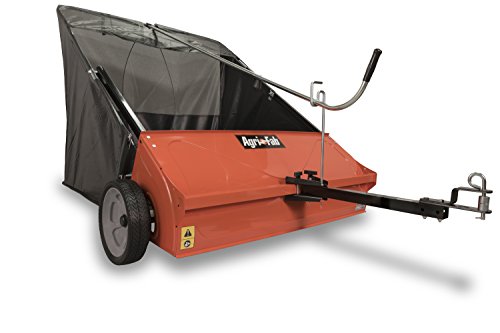
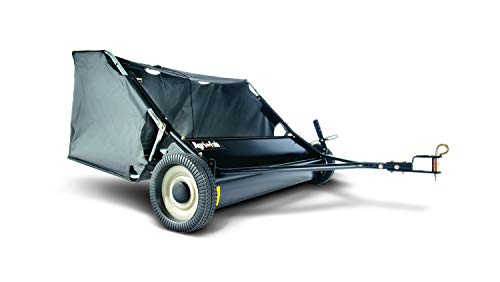
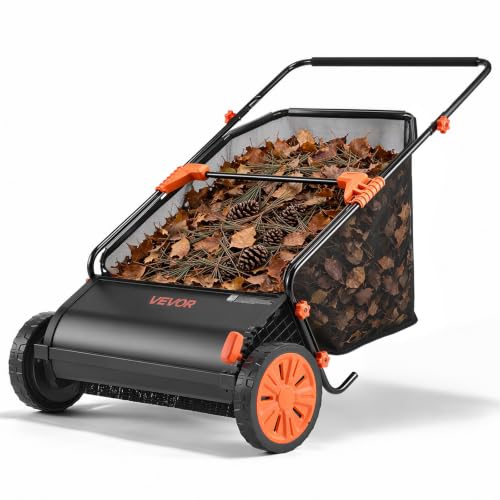
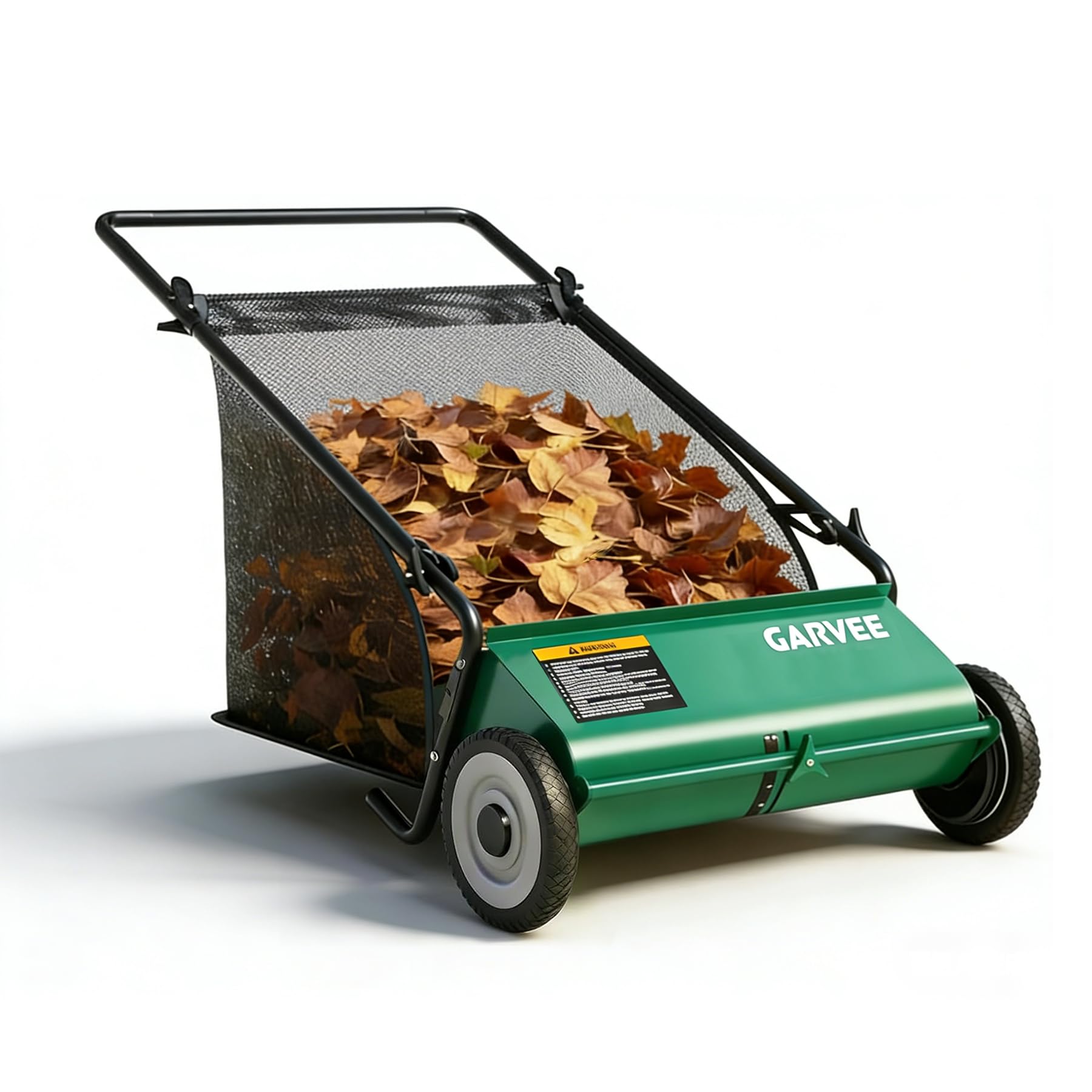
Lawn sweepers are simple machines with no engine of their own. Push models are driven by your walking speed, and tow behind models are pulled by a riding mower, lawn tractor or garden tractor. Either way, the wheels turn a set of gears that spin the brushes, so ground speed controls how well they sweep.
Start by walking the lawn and picking up sticks, stones, toys, dog leashes and garden hoses, which can jam the brushes or tear the hopper bag. Check that the grass and leaves are dry, since wet debris clumps and sticks to the bristles. Wear sturdy shoes, gloves for emptying the hopper, and a dust mask on dry, dusty days. If you are towing, follow your tractor's safety rules and keep children and pets well away from the work area.
It also helps to mow before you sweep if the grass is long. Tall, floppy grass hides leaves near the soil and makes the brushes work harder. A freshly cut lawn lets the bristles reach debris easily, and the sweeper can pick up the clippings from that same mow in one pass.
How to Use a Lawn Sweeper Step by Step
Step 1: Read the manual and wear safety gear
Every sweeper has its own brush adjustment, hitch and dumping method, so read the manual before the first use. Put on gloves and eye protection, especially if you will be emptying dusty clippings or working near gravel.
Step 2: Assemble and hitch it correctly
Most sweepers ship partly assembled. Attach the frame, brushes and hopper exactly as shown, and make sure every bolt is snug. For tow behind models, connect the hitch to your tractor's drawbar with the correct pin and clip, and check that the sweeper sits level behind the tractor. Push models simply need the handle and hopper fitted and the quick release clips locked.
When hitching, check the tow bar length and the angle of the hopper. A sweeper that rides nose down can gouge the lawn, while one that tilts back may not lift debris high enough to reach the bag. Most hitches have more than one hole or bracket position, so adjust until the frame runs roughly parallel to the ground.
Step 3: Inspect the sweeper before each use
Look for bent or missing bristles, a torn hopper bag, loose bolts and worn wheels. Spin the wheels by hand: the brushes should turn when the wheels roll forward. Clear any old grass or twine wrapped around the brush shafts so they spin freely.
Step 4: Set the brush height
Brush height is the most important adjustment. Lower the brushes until the tips just touch the base of the grass or the top of the thatch layer, without digging into the soil. Too high and debris stays behind; too low and the brushes drag, wear quickly and can scuff the turf. Many models use a lever with several settings, so test a short strip and adjust one notch at a time.
Look at the results behind you after the first few feet. If a fine layer of leaf bits remains, lower the brushes slightly. If you see torn grass, bare patches or soil in the hopper, raise them. Uneven lawns may need a slightly higher setting so the brushes do not dig in over bumps.
Step 5: Use proper technique and speed
Sweep in straight lines and overlap each pass by a few inches, much like mowing. Keep a steady pace: push sweepers work best at a brisk walk, and tow behind models usually at a moderate tractor speed recommended in the manual. Avoid sharp turns, which can tip a full hopper or leave gaps. On slopes, sweep across the hill rather than straight up and down for better control.
On large lawns, work in a pattern that ends near your compost pile or yard waste bin, so you do not drag a full hopper across the whole yard to empty it. Sweeping in the same direction the wind is blowing also helps, since loose leaves will not blow back across the area you just cleaned.
Step 6: Empty the hopper and clean the brushes
Empty the hopper before it is completely full, since an overloaded bag pushes debris back out and strains the frame. Many tow behind models have a dump lever or rope you can reach from the seat, and push models typically use quick release clips. After sweeping, brush off clinging leaves and pull any wrapped grass from the brush ends.
Dump the collected material onto a tarp, into a compost bin or into yard waste bags, following your local collection rules. Shredded leaves break down quickly in compost, and a thin layer of clippings can be spread as mulch around shrubs and garden beds.
Step 7: Store it correctly
Store the sweeper in a dry shed or garage to protect the hopper fabric and prevent rust. Many models fold up for compact storage. Before putting it away for winter, clean the frame, check the bristles and lightly oil moving parts as the manual recommends.
Pro Tips for Better Results
- Mow first, sweep second: sweeping right after mowing collects clippings while they are dry and loose.
- Sweep often in fall: light, frequent passes are easier than one heavy session with matted leaves.
- Use it to dethatch lightly: lowering the brush height slightly can lift loose thatch and moss, but avoid going too low.
- Pick the right width: wide tow behind sweepers cover large yards quickly, while push models suit small lawns and tight spaces.
- Compost the haul: shredded leaves and clippings make an excellent compost ingredient or mulch.
- Work from the edges in: sweep along fence lines and beds first, then finish the open lawn.
Sweepers also work on patios and driveways, but raise the brushes a notch on hard surfaces so the bristles do not wear down unevenly.
If you share a sweeper with neighbors or rent one, note the brush setting that works on your lawn so you can return to it quickly. Small habits like this save time each session and help the brushes last longer.
Common Mistakes to Avoid
- Sweeping wet leaves or grass: wet debris clumps, sticks to bristles and fills the hopper with heavy, soggy loads.
- Wrong brush height: too high misses debris, too low tears turf and wears brushes.
- Going too slow or too fast: slow speeds do not spin the brushes enough, and high speeds scatter debris.
- Overfilling the hopper: debris spills back out and strains the frame and hitch.
- Ignoring sticks and stones: they jam brushes and can bend parts.
- Leaving it outside: rain and sun weaken the hopper bag and rust the frame.
Another common mistake is expecting a sweeper to work like a vacuum on deep, matted piles of leaves. Sweepers shine on light to moderate layers spread across the grass. For heavy drifts against fences or under trees, rake the worst areas first or sweep more often during peak leaf drop.
Frequently Asked Questions
How often should I use a lawn sweeper?
Use it whenever leaves, clippings or needles start to cover the grass. In peak fall leaf season, that may mean once or twice a week. During mowing season, a quick pass after each mow keeps clippings from building up. Sweeping regularly prevents thick, wet layers that smother turf.
Can beginners use a lawn sweeper safely?
Yes. Lawn sweepers have no blades or engine of their own, so they are among the safest yard tools to use. Beginners should clear the lawn of obstacles, set the brush height correctly, wear gloves for emptying, and follow tractor safety rules when towing. A push model is the easiest place to start.
Does a lawn sweeper work on wet leaves?
It can, but results drop sharply. Wet leaves are heavy, stick together and cling to the bristles, so the sweeper leaves more behind and the hopper fills quickly. For the cleanest finish, wait for a dry afternoon after the morning dew has burned off.
Final Thoughts
Knowing how to use a lawn sweeper well comes down to dry conditions, the right brush height, steady overlapping passes and regular emptying. Ready to buy one? See our picks for the best lawn sweeper, the best lawn sweeper for small yards and the best lawn sweeper for tall grass, read is a lawn sweeper worth it, and compare retailers in our guide on where to buy a lawn sweeper.


