
How to Use a Sprinkler System the Right Way: Easy Step by Step Guide
Disclosure: We may earn a commission when you buy through links on this page, at no extra cost to you. As an Amazon Associate I earn from qualifying purchases. Learn more
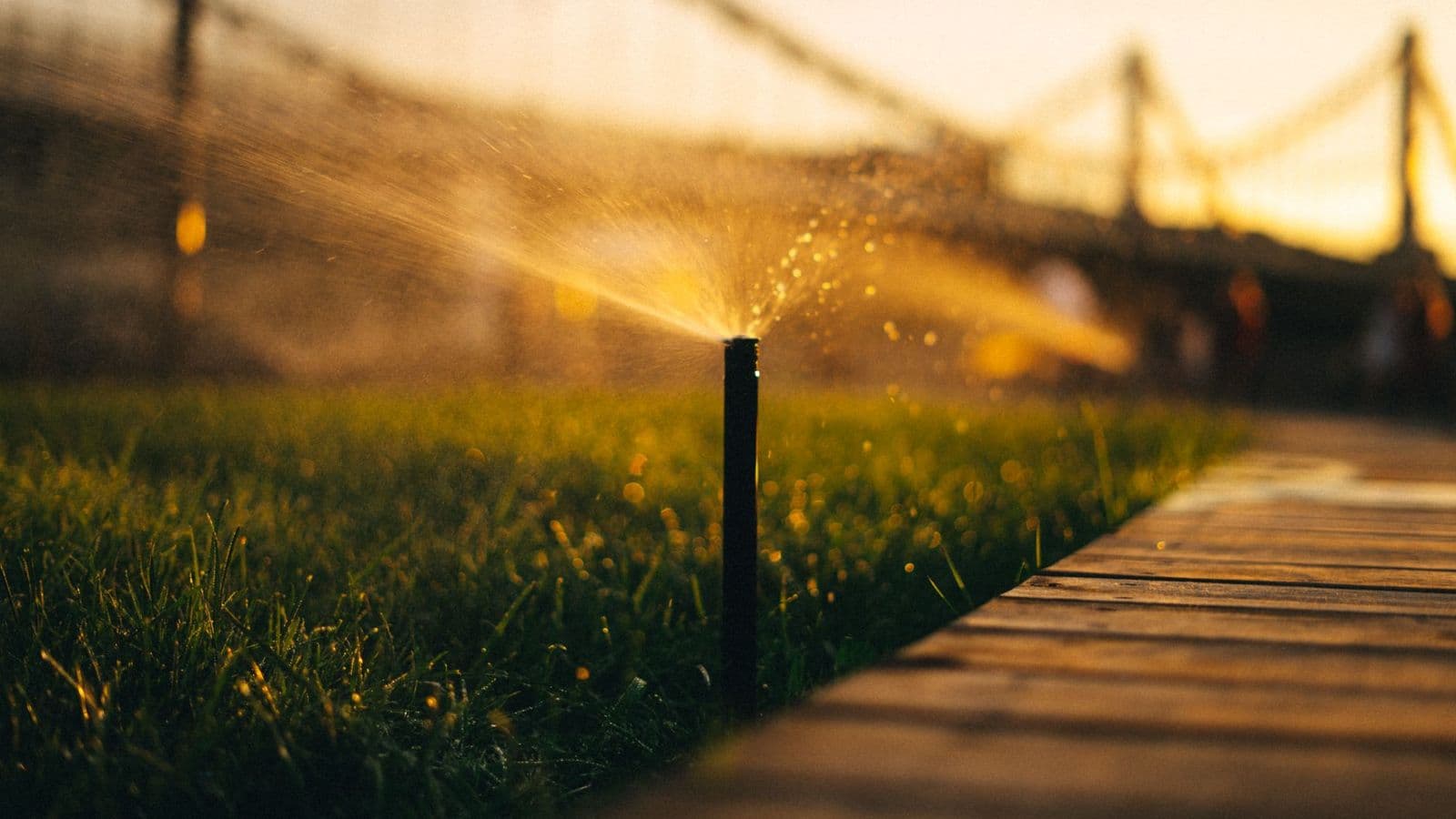
How to use a sprinkler system: controller setup, run times per zone, cycle and soak, head checks, cleaning and winter shutdown.
To run a sprinkler system well, set the controller to water early in the morning, give each zone enough time to put down about 1 to 1.5 inches of water per week (including rain), and split long run times into shorter cycles so water soaks in instead of running off. Check the heads every few weeks for clogs, leaks and bad aim, and adjust the schedule as the seasons change. That is how to use a sprinkler system in short, whether you have an in ground system with a smart sprinkler controller or a hose end sprinkler on a simple hose timer.
The guide below explains how to prepare the system, program and test each zone, keep everything clean and shut it down for winter, plus the mistakes that waste water and leave brown patches.
Before You Start: Safety and Prep
Find the main shutoff valve for the irrigation line, usually near the water meter or where the line leaves the house, and the backflow preventer, which keeps irrigation water from flowing back into your drinking water. Make sure the backflow device is in place and, where local rules require it, tested.
Locate the controller and make a simple map of your zones: which valve waters which area, and what type of heads it uses. Lawn zones usually have spray or rotor heads, while beds and shrubs often run on drip irrigation. Knowing this makes scheduling far easier.
Walk the yard and flag heads so they are not hit by mowers. Clear mulch, grass and soil from around each head. If you are turning the system on after winter, open the main valve slowly to avoid a pressure surge that can crack fittings. With hose end systems, inspect hoses and couplings and replace worn washers before attaching sprinklers or a hose timer.
How to Use a Sprinkler System Step by Step
Step 1: Get to know your controller and zones
Most controllers work the same way: you set the current date and time, choose watering days, set one or more start times and enter a run time for each zone. Smart controllers connect to Wi-Fi, use local weather data and adjust watering automatically, often through a phone app. A hose timer does the same for a single outdoor faucet. Read the manual once so you know how to run a zone manually and how to pause the schedule for rain.
If your controller has more than one program (often labeled A, B and C), use them to group zones with different needs. For example, lawn rotors can run on one program three days a week, while drip zones for shrubs run on another program once or twice a week. Write the zone list and run times on a card inside the controller door so anyone in the house can make a quick change.
Step 2: Check the condition before you start
Run each zone for a couple of minutes and walk the yard. Look for broken or sunken heads, clogged nozzles, geysers from cracked fittings, heads blocked by plants and spray hitting the driveway, house or sidewalk. Straighten tilted heads, raise ones that sit too low and replace damaged nozzles. On drip zones, look for missing emitters and puddles that signal a leak.
Step 3: Set run times and start times
Schedule watering between about 4 and 10 a.m., when wind is low and less water evaporates. As a starting point, spray heads often need 10 to 15 minutes per session, rotor heads 20 to 40 minutes, and drip zones 30 to 60 minutes, depending on emitter flow. Most lawns do best with deep watering two or three times a week rather than a short daily sprinkle, which encourages shallow roots.
To check how much water each zone actually delivers, place a few straight sided cans around a lawn zone, run it for 15 minutes and measure the depth. Use that number to set times that add up to about 1 to 1.5 inches per week in summer.
Soil type changes the plan. Sandy soil drains quickly, so it needs shorter, more frequent sessions. Clay soil absorbs water slowly but holds it longer, so it benefits from fewer, longer waterings split into short cycles. Loam sits in the middle and is the easiest to water evenly.
Step 4: Run and test one zone at a time
Watch each zone during its first scheduled run. If water starts pooling or running off before the zone finishes, split the time into two or three shorter cycles with a break of 30 to 60 minutes between them. This cycle and soak approach helps clay soil and slopes absorb water. Adjust spray patterns and radius so neighboring heads overlap and reach each other, which gives even coverage and avoids dry spots.
Step 5: Clean after use
Every month or so, unscrew clogged spray nozzles and rinse the small filter screen under each one. Flush drip lines by opening the end caps for a moment, and clean the filter at the start of the drip zone. For hose end sprinklers, rinse dirt from the base and nozzles and clear mineral buildup with a soft brush. Wipe the controller's outdoor housing and check that wires are not chewed or loose.
Step 6: Store it dry
Before the first hard freeze, shut off the irrigation water supply and drain or blow out the lines according to your system type, so trapped water does not freeze and crack pipes. Many homeowners hire a pro for compressed air blowouts. Set the controller to its off or rain mode, and bring hose end sprinklers, hose timers and hoses indoors to dry before storage.
In spring, reverse the process. Close any drain valves you opened, turn the main supply on slowly, then run each zone for a few minutes while you walk the yard and look for damage from frost, mowers or digging animals. Replace the controller battery if it has one, update the date and time, and enter a lighter spring schedule.
Pro Tips for Better Results
- Adjust seasonally: cut run times in spring and fall, and use the controller's seasonal adjust feature if it has one.
- Add a rain sensor: it stops watering after rainfall and is required in some areas.
- Use drip for beds: drip irrigation puts water at the roots with almost no waste and keeps foliage dry.
- Group plants by water need: lawns, shrubs and vegetables belong on separate zones.
- Water shady areas less: they dry out more slowly than sunny ones.
- Watch your lawn: grass that holds a footprint or turns blue gray needs water; constantly soggy spots need less.
If you only need to water raised beds or a vegetable garden, a hose timer with drip tubing is often all it takes.
Common Mistakes to Avoid
- Watering every day for a few minutes: roots stay shallow and the lawn suffers in heat.
- Watering in the evening: wet grass overnight invites fungus and disease.
- Ignoring broken heads: one geyser can waste hundreds of gallons a month.
- Spraying pavement: misaligned heads water the driveway and send runoff to the street.
- Forgetting to adjust after rain: overwatering wastes money and drowns roots.
- Skipping winterization: freeze damage is one of the costliest sprinkler repairs.
Frequently Asked Questions
How often should I use a sprinkler system?
Most established lawns do best with deep watering two or three times a week in summer, adding up to about 1 to 1.5 inches of water including rain. In spring and fall, once or twice a week is often enough. New seed or sod needs light daily watering until it roots, and local watering restrictions always come first.
Can beginners use a sprinkler system safely?
Yes. Programming a controller and adjusting spray heads are simple jobs most homeowners can do. Know where the main shutoff valve is, avoid digging near lines without marking them, and leave backflow testing, major valve repairs and compressed air winterization to a professional if you are unsure. Smart controllers make scheduling even easier.
Final Thoughts
Learning how to use a sprinkler system comes down to early morning, deep watering on a schedule that fits each zone, regular checks of the heads and a proper shutdown before winter. Get those right and your lawn and beds will stay healthy while you save water. For more help, read how to choose a sprinkler system and is a sprinkler system worth it, or see our picks for the best sprinkler system, the best sprinkler system for raised beds and the best sprinkler system for flower beds.


