
How to Use a Weed Eater: Simple Steps, Tips and Mistakes to Avoid
Disclosure: We may earn a commission when you buy through links on this page, at no extra cost to you. As an Amazon Associate I earn from qualifying purchases. Learn more
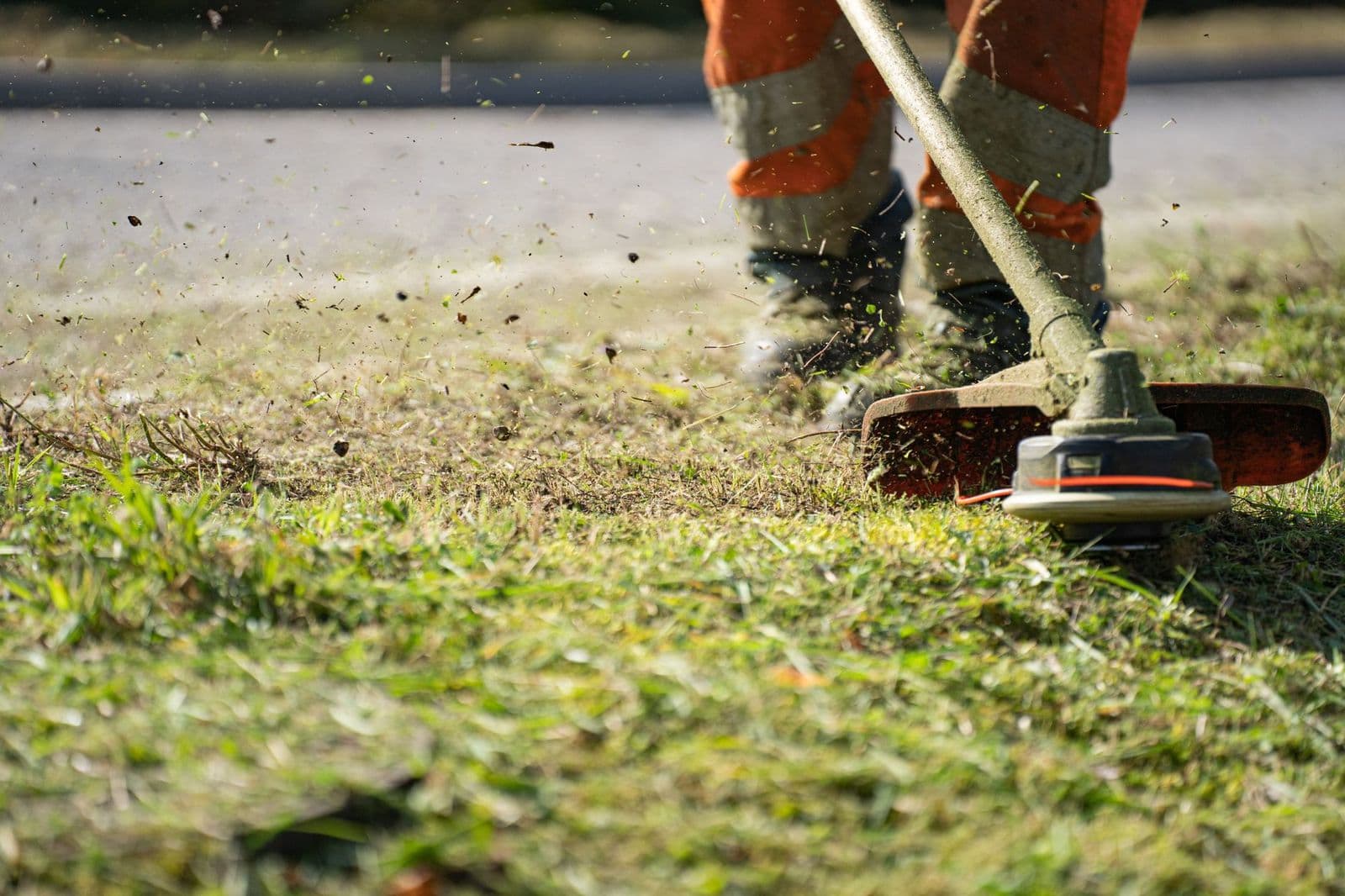
How to use a weed eater safely: gear up, inspect the line, start it on the ground and let the line tip do the cutting.
Here is how to use a weed eater in a nutshell: wear eye protection and long pants, check the line and guard, start the trimmer on the ground, then hold it with both hands so the line head sits just above the ground and sweep it in smooth arcs, letting only the tip of the line do the cutting. Work from the outside in, tilt the head slightly so clippings fly away from you, and keep the head moving rather than plunging it into thick weeds. Finish by edging along walks and beds, then clean and store the tool properly.
A weed eater, also called a string trimmer or weed wacker, is one of the most useful lawn tools you can own, but it is also easy to misuse. This guide covers safety, step by step technique, pro tips and the most common mistakes, whether your trimmer runs on gas, a cord or a battery.
Before You Start: Safety and Prep
A spinning trimmer line moves fast enough to throw stones, sticks and debris at high speed, so safety gear is not optional. Wear safety glasses or a face shield, long pants, closed toe boots and gloves. Hearing protection is wise with gas models and helpful with loud electric ones. Avoid loose clothing and tie back long hair.
Walk the area first and pick up rocks, toys, dog leashes, wire and anything else the line could fling or tangle on. Note sprinkler heads, young tree trunks and decorative edging, since the line can damage them. Keep children and pets indoors or well away, at least 30 to 50 feet, while you work.
Finally, check the weather. Trimming wet grass is harder, leaves a ragged cut and clogs the head, and wet ground increases the chance of slipping. Dry, calm conditions give the cleanest results. Late morning, after dew has dried but before the hottest part of the day, is usually ideal, and it keeps noise reasonable for neighbors.
How to Use a Weed Eater Step by Step
These seven steps cover everything from the first read of the manual to putting the trimmer away. Once you are comfortable, steps 3 through 6 become a quick routine every time you trim. The same process applies whether you are learning how to use a string trimmer for the first time or switching to a new model.
Step 1: Read the manual and wear safety gear
Every trimmer is a little different. The manual explains how the line feeds, how to adjust the handle and guard, the correct line diameter and any model specific warnings. Read it once before the first use, then gear up with eye protection, long pants, boots and gloves every single time.
Step 2: Charge batteries or mix fuel correctly
For battery trimmers, fully charge the pack and keep a spare charged for large yards. If you are learning how to use a cordless string trimmer, note that most run longer on lower speed settings.
For two stroke gas trimmers, mix fresh gasoline with two stroke oil at the exact ratio in the manual, often 50:1 or 40:1, and shake the can well. Four stroke models use straight gasoline and separate oil. Never refuel a hot engine, and wipe up spills before starting. Corded models need an outdoor rated extension cord of the right gauge.
Step 3: Inspect the tool before each use
Check that the guard is secure and undamaged, the line is long enough and not tangled, and the head spins freely. Look for loose screws, cracked housings and frayed cords. On gas models, check the air filter and look for fuel leaks. Replace worn line with the size your trimmer specifies; heavier line is not always better and can strain the motor.
Step 4: Start it the right way
Place the trimmer on flat ground with the head clear of obstacles. For gas trimmers, set the choke and switch as directed, prime the bulb a few times, brace the tool with one hand or foot and pull the starter cord with short, firm pulls. Once it runs, open the choke and let it warm up. Battery and corded trimmers simply need the safety lock and trigger pressed together. Never start a trimmer while holding it in the air.
Step 5: Use proper technique and stance
Stand with your feet shoulder width apart and hold the trimmer with both hands, keeping the head below waist height. Let the tip of the line do the cutting; burying the head in grass only slows it and wears the line. Sweep in smooth arcs, cutting from the outside in. Tilt the head slightly so clippings fly away from you and toward the area you have already cut or the lawn, not onto walks or windows.
For edging along sidewalks, rotate the trimmer so the line spins vertically and walk slowly along the edge. Trim tall weeds from the top down in stages instead of all at once.
Around trees and posts, approach slowly and keep the line a few inches away from the bark, since repeated contact can girdle and kill young trees. Along fences, angle the head so the guard faces the fence and let the line just reach the base.
Step 6: Shut down, cool down and clean
Release the trigger and let the head stop completely before setting the trimmer down. Turn off gas engines, remove batteries or unplug cords before any cleaning. Once cool, brush grass and debris from the guard, head and motor vents. Clear wrapped grass around the shaft and check the line for the next job. A quick wipe of the shaft and handle also lets you spot cracks or loose fittings before they become a problem next time.
Step 7: Store it correctly
Store trimmers indoors in a dry place, hung on a wall or laid flat so the shaft is not bent. Remove and store batteries at room temperature with partial charge. For gas models stored more than a month, run the fuel out or use stabilizer to protect the carburetor. Coil corded models loosely to avoid kinks. Hanging the trimmer by its shaft on two hooks keeps the line head off the floor and makes it easy to grab next week.
Pro Tips for Better Results
- Trim before you mow. Clippings from trimming get picked up by the mower, giving a cleaner finish.
- Match line to the job. Thin line for light grass, thicker or twisted line for weeds and edging, within the size your trimmer allows.
- Use the right speed. On battery trimmers, use low speed for light grass to save runtime and high speed for tough weeds.
- Keep a steady height. A consistent head height avoids scalping and gives an even look that matches your mowed lawn.
- Edge in the same direction every time. Repeating the path builds a crisp, clean line along walks and beds.
- Carry spare line. Pre wound spools or pre cut line save time when you run out mid job.
If you trim mostly along driveways and walks, see our guide to the best string trimmer for edging for models that handle vertical cuts well.
Common Mistakes to Avoid
Most trimming problems come from rushing or skipping a step. These are the errors that cause the most damage to lawns, tools and people, and each one is easy to avoid once you know about it.
- Skipping eye protection. Even a small pebble can cause a serious eye injury.
- Cutting with the head buried in grass. This bogs down the motor and burns through line. Use only the tip.
- Trimming too close to trees. Line can strip bark and damage or kill young trees. Use mulch rings instead.
- Using the wrong line size. Line that is too thick strains the motor; line that is too thin breaks constantly.
- Removing the guard. The guard keeps debris and line pieces away from you and limits line length.
- Running old fuel. Stale gas causes hard starting and rough running in gas trimmers.
- Scalping the lawn. Tilting the head too far down cuts grass to the soil, leaving brown patches.
Frequently Asked Questions
How often should I use a string trimmer?
Most lawns need trimming every time you mow, usually once a week during the growing season. In cooler months or dry spells, every two weeks is often enough. Trimming at the same schedule as mowing keeps edges neat and prevents weeds from getting tall and tough.
Can beginners use a string trimmer safely?
Yes. Beginners can use a string trimmer safely by wearing eye protection and long pants, clearing debris first, holding the tool with both hands and practicing on open grass before edging. Light battery trimmers are the easiest to learn; see our picks for the best weed eater for seniors for light, simple models.
How do I reload the trimmer line?
Turn off the trimmer and remove the battery or spark plug wire. Depending on the head, you either feed pre cut lengths through holes, wind new line onto the spool following the arrows, or use a quick load head where you thread line through and turn a knob. Always use the diameter listed in the manual.
Final Thoughts
Once you know how to use a weed eater, the formula is simple: gear up, inspect the tool, start it on the ground, let the line tip do the work and clean it before storage. If you need a new tool, see our picks for the best string trimmer, our guide on how much does a weed eater cost, and where to find deals in where to buy a weed eater.


