
3 Best String Trimmers for 2026 (Compared and Ranked)
Disclosure: We may earn a commission when you buy through links on this page, at no extra cost to you. As an Amazon Associate we earn from qualifying purchases. Learn more
Our best string trimmer picks for weeds, edging and big yards, plus how to compare swath, line, battery platforms and gas power.
A freshly mowed lawn never looks finished until the edges are clean. Grass creeps along the fence, weeds sprout around the mailbox and tall growth hides behind the shed where no mower can reach. The best string trimmer handles all of that in minutes, but choosing one has become surprisingly complicated. Gas engines compete with 20V, 40V, 56V and 60V battery platforms, cutting swaths range from 12 to 17 inches, and line feed systems vary from simple bump heads to push button winding. Buy a trimmer that is too weak and it bogs down in thick weeds; buy one that is too heavy and your arms give out halfway around the yard.
To make the choice easier, we compared manufacturer specifications, the feedback of verified owners on Amazon, expert reviews and the price of each model against the cutting work it can actually do. Only current models in stock on Amazon made the list. Our three picks cover the most common needs: an EGO trimmer with push button line loading for most homes, a 60V DEWALT that handles big properties and tough growth, and a brushless Milwaukee for owners already invested in the M18 battery system.







Our Top 3 Picks at a Glance
If you want the short answer to what is the best string trimmer for your yard, start with the picks below. Each one fits a different kind of owner, so match the description to your property and your existing batteries.
- Best Overall: EGO Power+ ST1511T 15" Powerload String Trimmer (around $220). Push button line winding, a brushless motor and up to 45 minutes of runtime make it the easiest strong trimmer to live with.
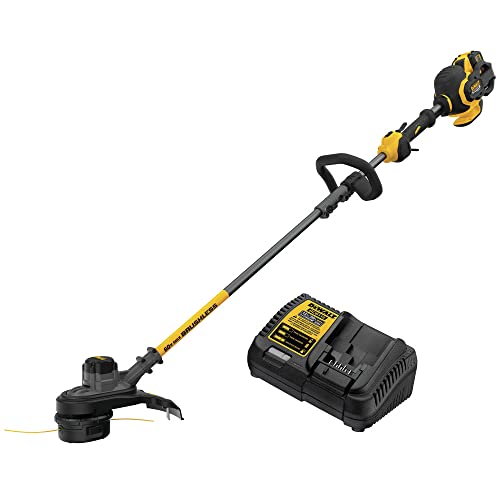
- Best Premium Pick: DEWALT FLEXVOLT 60V MAX 17" Brushless String Trimmer Kit (around $350). A 15 or 17 inch adjustable swath, hi and lo speed control and attachment capability suit large lots.
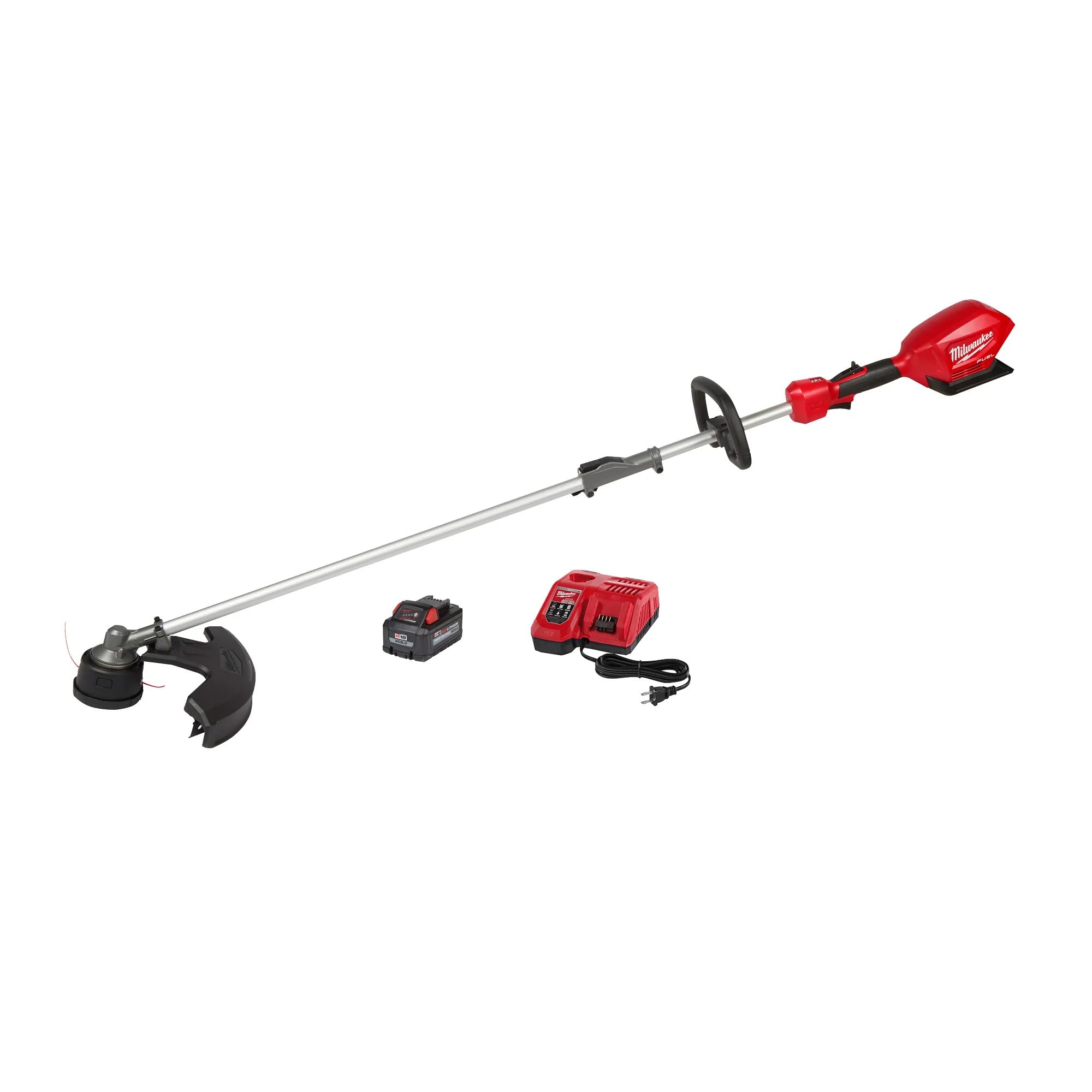
- Runner Up: Milwaukee M18 Brushless String Trimmer 2828-20 (around $260, tool only). A 16 inch swath, up to 6,200 RPM and a light build for M18 battery owners.
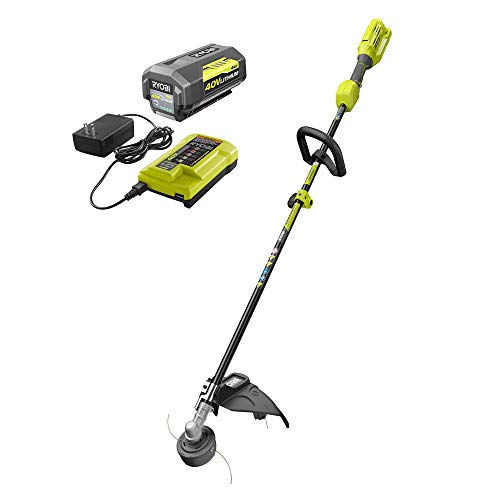
The product table above also lists strong alternatives from Makita, ECHO, Husqvarna, Greenworks, RYOBI, WORX and BLACK+DECKER, covering gas power, combo kits and budget friendly options.
How We Chose the Best String Trimmer
We started with cutting performance: motor type, swath width, line diameter and speed control. A trimmer has to slice through thick weeds and edge cleanly along concrete without stalling, so brushless motors and heavier line ranked higher. Next came owner feedback, giving more weight to models that are well reviewed by a large base of buyers over time.
We then weighed price against features like line loading systems, adjustable shafts, attachment capability and included batteries. Battery platform mattered too, since many readers already own tools from a specific brand. Finally, every product on this list had to be a current model that is in stock and sold on amazon.com.
String Trimmer Reviews
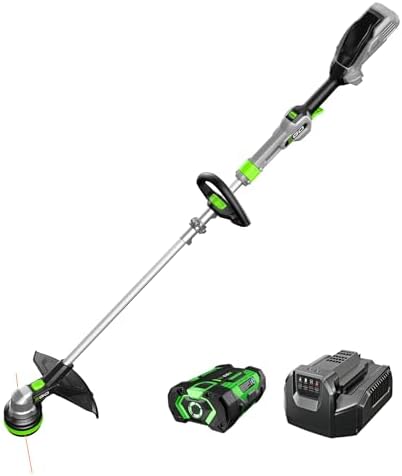
1. EGO Power+ ST1511T 15" Powerload String Trimmer: Best Overall
- Battery: EGO POWER+ 2.5Ah battery and CH2100 charger included; charges in about 50 minutes
- Runtime: up to 45 minutes per charge
- Cutting swath: 15 inches with 0.095 inch line
- Line system: patented Powerload automatic line winding
- Shaft: telescopic aluminum shaft
- Motor: brushless, with variable speed and 2 speed settings
Why We Picked It
Most homeowners want two things from a trimmer: enough power to cut through weeds and tall grass like a gas model, and none of the hassle that comes with gas. The ST1511T delivers both. Its brushless motor drives professional grade 0.095 inch line across a 15 inch swath, which is enough to clear overgrown fence lines and thick patches along the driveway. There is no fuel to mix, no pull cord and no smell on your clothes afterward.
The standout feature is Powerload. Reloading line is the job most people hate about trimmers, and it usually happens in the middle of a cut. With Powerload, you feed a length of line through the head, press a button and the trimmer winds it automatically. You are back to work in seconds instead of wrestling with a spool on the driveway. For homeowners who want gas like power without the hassle, that alone makes it a standout.
Runtime is strong for a battery tool. The included 2.5Ah pack provides up to 45 minutes on a charge, and it recharges in about 50 minutes, so even a big yard can be finished with a short break. The telescopic aluminum shaft adjusts to your height, and two speed settings let you save battery on light grass or go full power on weeds. That flexibility helps answer which string trimmer is best for weeds for most suburban lots.
It also tends to be the trimmer people recommend to neighbors who ask what is the best weed eater to buy for a normal yard, simply because it is so easy to own.
Low noise is another advantage. Battery trimmers are far less noisy than gas units, which makes early morning or evening trimming more neighbor friendly. With no engine to tune, there is also very little that can go wrong between seasons. Charge the battery, keep the head clean and the ST1511T is ready each spring.
Pros
- Push button Powerload line reloading
- Gas like cutting power from a brushless motor
- Quiet operation with no fumes
- Up to 45 minutes of runtime and fast charging
- Adjustable telescopic shaft
Cons
- Heavier than small 20V trimmers
- Extra batteries add cost if you are not already in the EGO system
- 15 inch swath is narrower than the widest premium models
Who Should Buy It
Choose the ST1511T if you have a typical suburban lot, want strong cutting power and never want to wind trimmer line by hand again. At around $220 with battery and charger, it is the most balanced choice for most households, and the battery works with other EGO yard tools.
2. DEWALT FLEXVOLT 60V MAX 17" Brushless String Trimmer Kit: Best Premium Pick
- Battery: DEWALT 60V platform, battery and charger included
- Cutting swath: adjustable 15 or 17 inches
- Line: 0.080 inch dual line, also works with DEWALT 0.095 inch line
- Speed: variable trigger with hi and lo speed control
- Motor: high performance brushless
- Extras: universal attachment capability and quick load spool
Why We Picked It
Large properties and tough overgrowth need more than a basic battery trimmer. The DEWALT 60V model is built for that work. Its brushless motor and 60V platform give it the muscle to chew through dense weeds, ditch banks and long grass along back fences, while the 17 inch swath lets you clear more ground with each pass. On lighter jobs, you can switch to the 15 inch setting to extend runtime.
The hi and lo speed control is more useful than it sounds. Low speed conserves battery during routine edging and trimming, and high speed is there when you hit a patch of thick growth. A variable trigger gives fine control around flower beds and young trees. The quick load spool keeps line changes simple, and the trimmer accepts both 0.080 and 0.095 inch DEWALT line, so you can step up to heavier line for weed heavy areas.
Attachment capability turns it into a small system. The power head accepts universal attachments, so you can add tools such as an edger or pruner later and use the same motor and battery. For owners who want the best durable string trimmer from a jobsite brand, the DEWALT is a strong candidate.
Keep in mind that this is a full size tool. With a 60V battery on board, it is heavier than a 20V or 40V trimmer, and you will feel it on long sessions. A shoulder strap or a short break every 20 minutes helps. For owners with acreage or ditches to clear, though, the extra weight buys real cutting power that lighter trimmers cannot match.
Pros
- Cuts thick weeds with confidence
- Adjustable 15 or 17 inch swath
- Hi and lo speeds for runtime or power
- Accepts attachments for more yard tasks
- Quick load spool
Cons
- Heavy for smaller users
- Expensive as a full kit
- 60V batteries cost more than 20V packs
Who Should Buy It
Buy the DEWALT if you maintain a large lot, rural frontage or weedy areas that would stall lighter trimmers, especially if you already own DEWALT 60V tools. At around $350, it is a premium kit, but it brings real power and the flexibility of attachments.
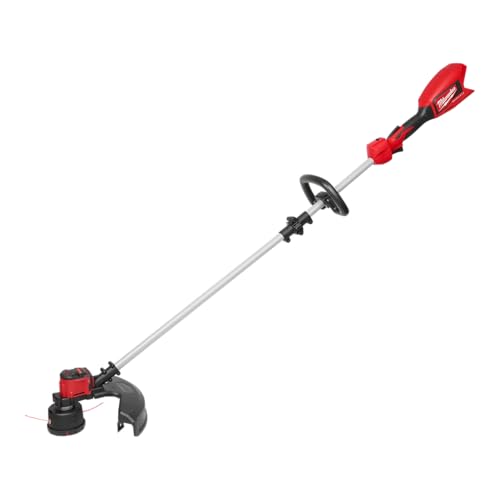
3. Milwaukee M18 Brushless String Trimmer 2828-20: Runner Up
- Battery: Milwaukee M18 18V system (battery sold separately)
- Motor: brushless, up to 6,200 RPM
- Cutting swath: 16 inches
- Line: bump advance head, compatible with 0.080 and 0.095 inch line
- Weight: about 9.1 pounds
Why We Picked It
Milwaukee M18 owners wanting a pro grade trimmer often already have a shelf full of batteries from drills, impact drivers and saws. For them, this brushless M18 trimmer is a smart buy. You pay for the tool only, plug in a battery you already own and get a capable trimmer with a 16 inch swath and up to 6,200 RPM.
The design keeps things straightforward. A bump line advance head feeds more string with a tap on the ground, and the trimmer takes both 0.080 and 0.095 inch line. Heavier line handles weeds better, while thinner line suits neat edging on lawns. At about 9.1 pounds without the battery, it is reasonably balanced for a full size cordless trimmer.
Milwaukee's reputation for jobsite durability carries over to its outdoor line, and the M18 platform is one of the largest battery systems on the market. If you already rely on it, sticking with one battery family keeps your garage simpler and your costs lower.
If you do not yet own M18 batteries, the math changes. A battery and charger add noticeably to the price, and at that point the EGO kit or the Milwaukee M18 FUEL kit listed in the product table may be better value. For existing Milwaukee users, though, this is the best durable weed eater option that slots straight into their system.
Pros
- Brushless motor with strong cutting speed
- Pro grade build from a jobsite brand
- Shares batteries with the M18 tool family
- Accepts two common line sizes
Cons
- Battery and charger sold separately
- Pricey for buyers outside the M18 system
- Bump feed is less convenient than push button winding
Who Should Buy It
Pick this Milwaukee if you already own M18 batteries and want a serious trimmer without paying for another battery and charger. At around $260 for the tool only, it is a sensible add on; buyers starting from scratch can look at the Milwaukee kit in the product table instead.
Who Should Buy a String Trimmer (and Who Should Not)
Almost anyone with a lawn benefits from a trimmer. Mowers leave a strip of uncut grass along fences, walls, trees and garden beds, and a trimmer cleans that up in minutes. It also handles weeds in gravel, around mailboxes and along ditches where a mower cannot go. You will get the most value if:
- Your yard has fences, beds, trees or walkways that need clean edges.
- You have slopes or rough areas that are unsafe to mow.
- Weeds grow along driveways, patios or property lines.
- You want a neat, professional looking lawn every week.
If you care most about crisp lines along sidewalks, our guide to the best string trimmer for edging covers models with rotating heads and edging wheels. Older gardeners or anyone with limited strength should consider lighter, low vibration designs, which we cover in the guide to the best weed eater for seniors.
On the other hand, if you only have a small patch of lawn with no edges, a pair of grass shears or a cordless shrub and grass shear may be enough. And if your property is mostly heavy brush and saplings, a dedicated brush cutter with a metal blade will do a better job than any trimmer string.
A quick word on safety, too. Any trimmer throws small stones, sticks and grass clippings at high speed, so eye protection, long pants and closed shoes are a must. Hearing protection is wise with gas models. Keep children and pets out of the area while you work, and avoid trimming close to car paint or windows.
How to Choose the Best String Trimmer
Choosing well comes down to your yard size, the kind of growth you cut and the batteries you already own. Here is what matters most when you compare models for the best string trimmer.
Gas vs Battery Power
Gas trimmers still offer unlimited runtime and plenty of power, which is why landscapers often use them. They are louder, heavier and need fuel mixing and engine maintenance, though. Battery trimmers have closed the power gap, especially brushless 40V to 60V models, and they start instantly, run quietly and need almost no upkeep. For most homeowners, a good battery trimmer is now the best weed eater choice; gas makes sense mainly for very large or rural properties.
Cutting Swath and Line Diameter
The swath is the width of the circle the line cuts, usually 12 to 17 inches. A wider swath clears more grass per pass, but it also uses more power and can be harder to control around obstacles. Line diameter matters too: thin 0.065 inch line is fine for light grass, 0.080 inch is a good all round choice and 0.095 inch handles thick weeds. Heavier line lasts longer but needs a stronger motor.
Round line is the most common and the least likely to weld inside the spool. Twisted or square line cuts weeds more aggressively and tends to make less noise, which is why many owners switch to it once they upgrade to a stronger trimmer. Always check the maximum line size your trimmer head accepts before you buy bulk line.
Straight vs Curved Shaft
Straight shafts reach farther under bushes and decks, and they keep the head away from your feet, which suits taller users. Curved shafts are shorter, lighter and easier to balance for smaller users or quick trimming. Most premium battery trimmers use straight shafts, and some, like the EGO, adjust in length to fit different heights.
Weight and Balance
Even the best string trimmer is tiring if it is poorly balanced. A trimmer that feels light in the store can tire your arms after 20 minutes. Look at the total weight with the battery, and pay attention to balance: a well balanced trimmer feels lighter than its weight suggests. Adjustable auxiliary handles and shoulder straps help on long sessions. If you have a big yard, a strap is worth adding to any trimmer.
Vibration is part of the comfort picture as well. Brushless battery trimmers generally vibrate less than gas engines, and gas models from established brands often add anti vibration systems to reduce hand fatigue. If you trim for long stretches or have joint pain, a low vibration design can make a big difference to how you feel the next day.
Line Feed System
The line system is where the best string trimmer for you can save the most frustration. Bump feed heads release more line when you tap the head on the ground. Automatic feed systems release line as it wears. Push button winding systems like EGO Powerload make reloading the spool fast and clean. Whatever system you choose, make sure replacement spools or bulk line are easy to find for that model.
Edging Mode and Attachments
Many trimmers rotate the head to work as a vertical edger along sidewalks and driveways. Some include an edging wheel to help guide a straight line. Attachment capable models, like the DEWALT and many RYOBI and Milwaukee power heads, accept add ons such as edgers, pruners and blowers, turning one motor into several tools.
Runtime and Battery Ecosystem
Runtime depends on battery capacity, speed setting and how dense the growth is. A 2.5Ah to 4.0Ah battery usually covers an average suburban yard. The bigger decision is the platform: once you own batteries from one brand, adding tools is much cheaper. That is one reason many buyers ask what is the best string trimmer for weeds within the brand they already use. Pricing varies widely by platform and kit, so see our breakdown of how much does a weed eater cost before you buy.
FAQs About String Trimmers
Can a string trimmer be used for weeds?
Yes. Cutting weeds is one of the main jobs of a string trimmer. For thick or woody weeds, use a model with a strong brushless motor or a gas engine and switch to heavier 0.095 inch line. Work from the top of tall weeds down in layers, rather than plunging the head into the base, to reduce tangling and line breakage.
How long does a string trimmer last?
A good battery or gas trimmer often lasts many seasons with basic care. Brushless battery models have fewer wearing parts, while gas trimmers need regular engine maintenance to stay reliable. Batteries gradually lose capacity over years of use and may need replacing before the tool itself wears out. Cleaning the head and storing the trimmer dry helps it last.
Is a string trimmer worth the money?
For nearly every lawn, yes. A trimmer finishes the edges and corners a mower cannot reach and keeps weeds in check along fences and paths. Without one, you would spend far more time on your knees with shears. Even a modest battery trimmer makes weekly yard work faster and gives the lawn a clean, finished look.
How much should I spend on a string trimmer?
Basic 20V trimmers for small yards cost around $80 to $140. Mid range brushless models with batteries, suited to most suburban lots, usually run around $180 to $260. Premium 60V kits and professional gas trimmers can cost $300 to $550. If you already own batteries from a brand, a tool only trimmer saves a large part of that cost.
How do I maintain a string trimmer?
Clear grass and debris from the head and guard after each use. Replace or rewind line before it runs out completely, and keep spare line on hand. For battery trimmers, store batteries indoors and partly charged during the off season. For gas models, use fresh fuel, clean the air filter and check the spark plug each season.
Final Verdict
For most yards, the best string trimmer is the EGO Power+ ST1511T. It combines a brushless motor, long runtime and push button Powerload line winding in a package that is easy to use every week. If you manage a large property or tough overgrowth, the DEWALT 60V 17 inch kit adds a wider swath, two speeds and attachment capability. And if you already own M18 batteries, the Milwaukee M18 Brushless trimmer is the best value for your existing system. Not sure which retailer has the best deal? See where to buy a weed eater, then check today's price on Amazon before you buy.