
How to Clean a Lawn Edger: Step by Step Guide for 2026
Disclosure: We may earn a commission when you buy through links on this page, at no extra cost to you. As an Amazon Associate I earn from qualifying purchases. Learn more

Packed mud and clippings dull an edger fast. Here is how to clean a lawn edger in a few minutes, plus blade, fuel and battery care.
To clean a lawn edger, shut it off and remove the battery or spark plug wire, let it cool, then scrape packed soil and grass out of the blade guard, brush and wipe the housing, and dry the blade before oiling it lightly. That is the whole routine for how to clean a lawn edger after a normal job, and it only takes a few minutes.
Edgers work right at the line where turf meets concrete, so they collect wet clippings, mud and grit far faster than a mower. Below you will find the safety prep, a step by step cleaning routine, deeper maintenance for gas and cordless models, and the mistakes that shorten an edger's life.

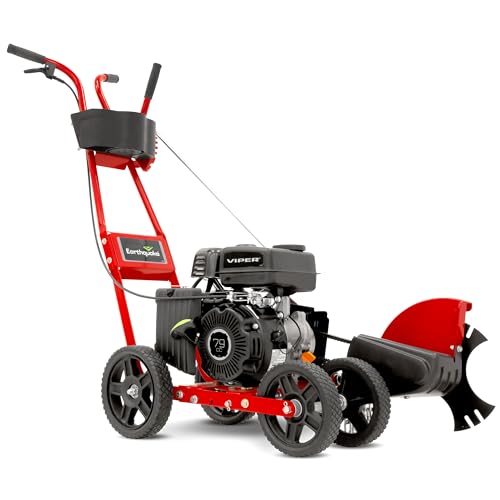
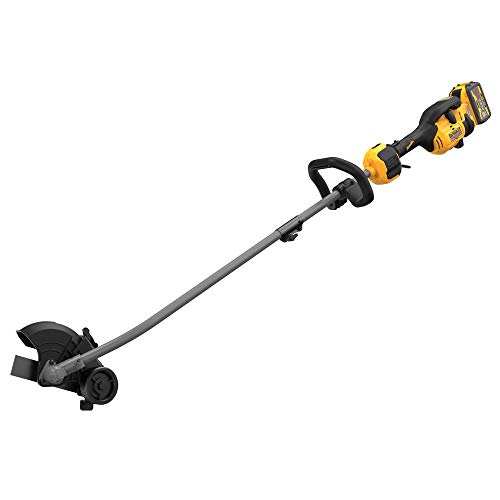

Before You Start: Safety and Prep
An edger blade is sharp and can move unexpectedly, so the first job is making sure it cannot start. On a cordless edger, remove the battery. On a corded model, unplug it. On a gas edger, let the engine cool and pull the boot off the spark plug. Then put on sturdy work gloves, because the blade edge and guard can cut even when the tool is off, and wear safety glasses if you plan to scrape or use compressed air.
Gather a plastic putty knife or stiff brush, a few rags, a bucket of soapy water, a wire brush for rust, and a light machine oil or silicone spray. Work on a flat surface such as a driveway or bench, and if your edger is a walk behind model, tip it only in the direction the manual allows so oil and fuel do not leak.
How to Clean a Lawn Edger Step by Step
Step 1: Read the manual and wear safety gear
Check the manual for which parts can get wet, how the blade guard comes off and which lubricant the maker recommends. Put on gloves and glasses before you touch the blade.
Step 2: Disconnect the power source
Remove the battery, unplug the cord or disconnect the spark plug wire. Never clean an edger that could start, even for a quick scrape.
Step 3: Let it cool and inspect it
Give a gas engine time to cool. While you wait, look over the blade, guard, wheels and shaft for cracks, bends or loose bolts so you know what needs attention.
Step 4: Clear the blade guard
Use a plastic scraper or brush to dig out the packed soil and grass inside the guard and around the blade. Rotate the blade by hand, wearing gloves, to reach every side.
Step 5: Wash and wipe the housing
Wipe the housing, shaft and wheels with a damp rag and mild soapy water. Do not hose down the motor, battery port or engine; water and electronics do not mix.
Step 6: Dry, oil and reassemble
Dry the blade and guard thoroughly, then apply a thin coat of oil or silicone spray to the blade to stop rust. Refit anything you removed and check that bolts are tight.
Step 7: Store it correctly
Hang or shelve the edger in a dry spot, off the floor, with the blade guarded. Store batteries indoors at room temperature.
How to Clean and Maintain a Lawn Edger
Regular cleaning is the core of how to maintain a lawn edger, but a few periodic checks keep it cutting a crisp line along the curb and sidewalk edge for years.
Clean after every use
Wet clippings harden into a crust that throws the blade off balance and holds moisture against the metal. A quick scrape and wipe after each session prevents it.
Walk behind edgers need a little extra attention around the wheels and the depth adjustment, where soil tends to pack in and stiffen the controls. Stick edgers and string trimmer edgers collect debris around the guard and the head, so brush those areas out too. A minute spent on these spots now saves a stuck lever or a seized wheel later in the season.
Inspect the edging blade and guard
Look for chips, bends and heavy wear on the edging blade. A bent blade vibrates and cuts an uneven bevel, and a cracked guard should be replaced before the next use.
Sharpen or replace cutting parts
A dull blade tears turf instead of slicing it. Many owners touch up the edge with a file a couple of times a season and replace the blade once it is worn narrow or badly nicked.
Air filter, spark plug and fuel care (gas)
Tap out or wash the air filter as the manual directs, check the spark plug each season, and use fresh fuel. Before winter storage, run the engine dry or add a stabilizer.
Battery care (cordless)
Keep the battery contacts clean and dry, charge it before storage and never leave it in a hot shed or freezing garage.
Lubrication points
Some edgers have a gearbox or wheel bearings that need grease. Follow the manual's schedule, and wipe away excess so it does not trap dirt.
Pro Tips for Better Results
Clean the edger while the debris is still damp; dried mud is much harder to remove. Keep a dedicated plastic scraper with the tool so you are never tempted to use a screwdriver that gouges the guard. If you edge several times a month, a second blade lets you swap in a sharp one and sharpen the old one at your leisure.
Edging slightly drier soil leaves less mud in the guard, so plan the job for after the morning dew. Check the blade guard bolts every few cleanings, since vibration can loosen them over time. Finally, choose a model that is easy to clean in the first place. Our guide to the best lawn edger for heavy duty use lists tough machines built for frequent use, and the best lawn edger for flower beds covers lighter options for tight spaces.
Common Mistakes to Avoid
- Cleaning without disconnecting the battery or spark plug.
- Spraying water into the motor, battery port or engine.
- Using metal tools that bend or scratch the blade guard.
- Storing the edger wet, which invites rust on the blade and bolts.
- Ignoring a bent blade, which strains the motor and ruins the edge.
- Leaving old fuel in a gas edger over winter.
Avoid these and your edger will start easier, cut cleaner and last longer. If you are still deciding whether the tool earns its place in the shed, read is a lawn edger worth it.
Frequently Asked Questions
How often should I clean a lawn edger?
Give it a quick clean after every use: scrape the guard, wipe the housing and dry the blade. Do a deeper clean with blade inspection, oiling and filter or battery checks every few uses and again before you store it for winter. Wet or clay soil means more frequent cleaning.
Final Thoughts
Knowing how to clean a lawn edger comes down to a few habits: disconnect power, clear the guard, wipe, dry and oil the blade, and store it dry. If your current machine is worn out, see our picks for the best lawn edger, and check where to buy a lawn edger for the best deals.


