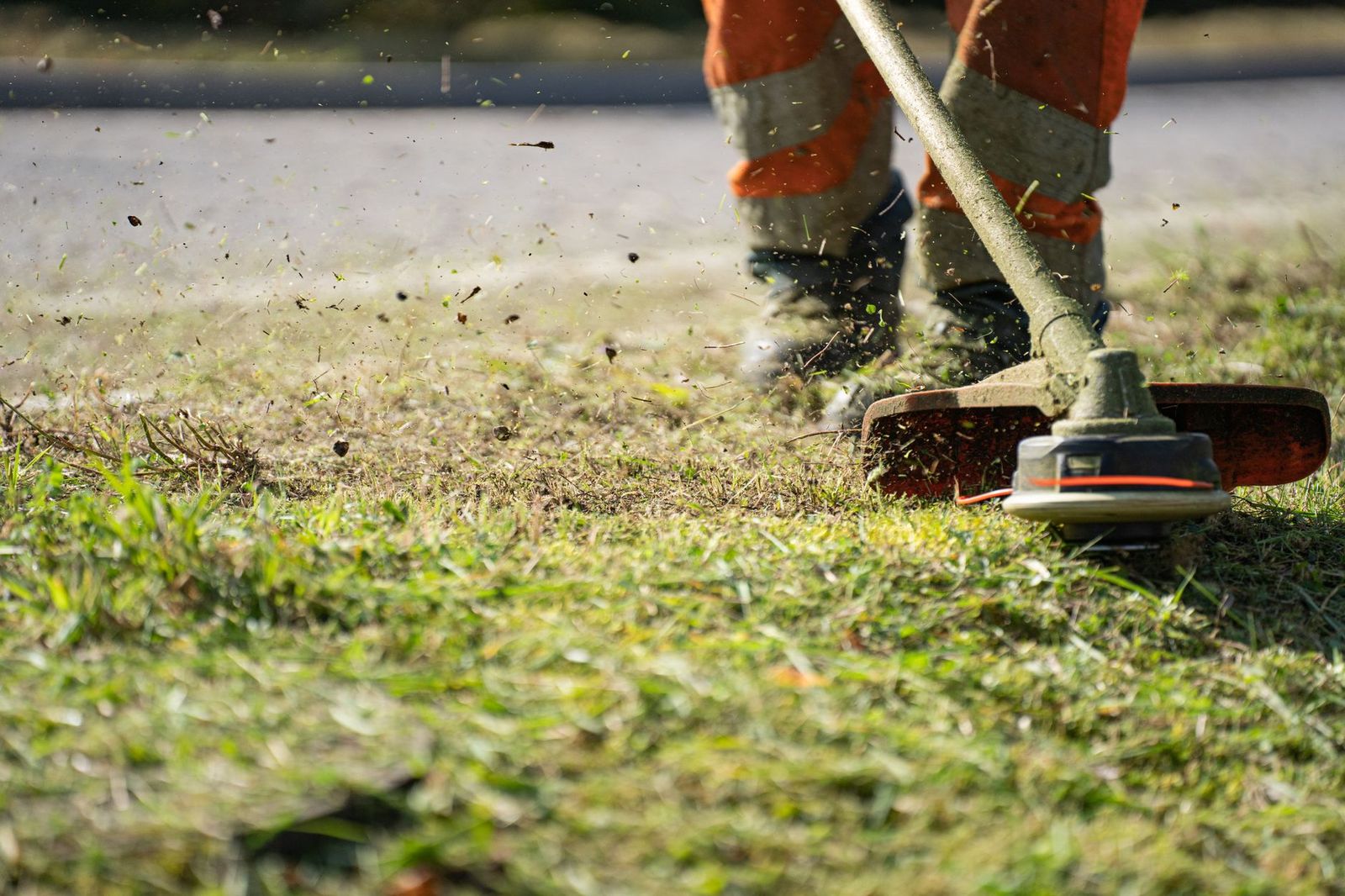
How to Use a Lawn Edger: Simple Steps, Tips and Mistakes to Avoid
Disclosure: We may earn a commission when you buy through links on this page, at no extra cost to you. As an Amazon Associate I earn from qualifying purchases. Learn more

How to use a lawn edger for crisp sidewalk and bed lines: safety prep, seven simple steps, pro tips and the mistakes to avoid.
To use a lawn edger, mark your edge line, put on eye and ear protection, set the blade depth to about one to two inches, and start the tool with the blade raised. Then lower the blade into the soil along the sidewalk or bed line and walk it forward slowly and steadily, keeping the guide wheel on the hard surface. Clean up the clippings, shut the edger down and wipe the blade when you are done. That is how to use a lawn edger in a nutshell, and with a little practice it gives your yard the crisp, finished look that a mower and string trimmer alone cannot.
Below you will find the safety prep, each step in detail for gas, corded and battery edgers, the techniques that give the cleanest lines, and the mistakes that most often lead to wavy edges, damaged blades or scalped turf.

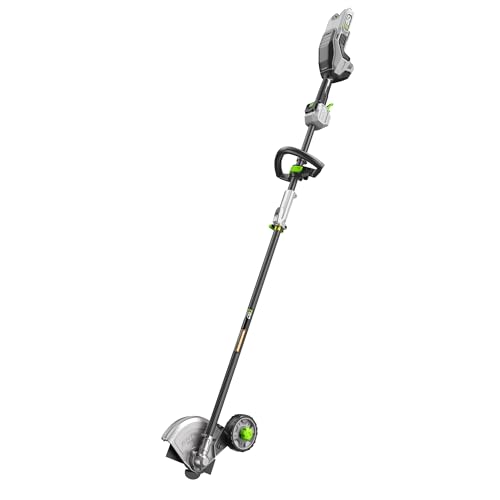

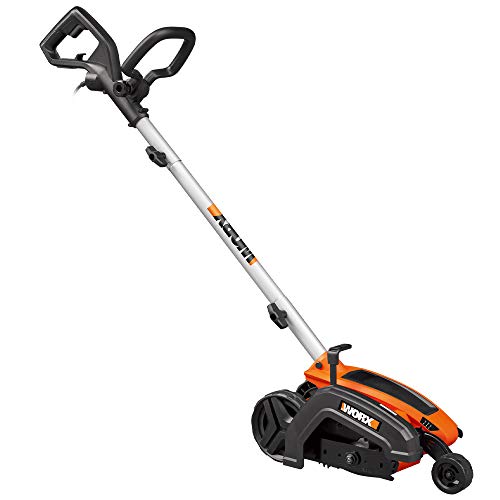
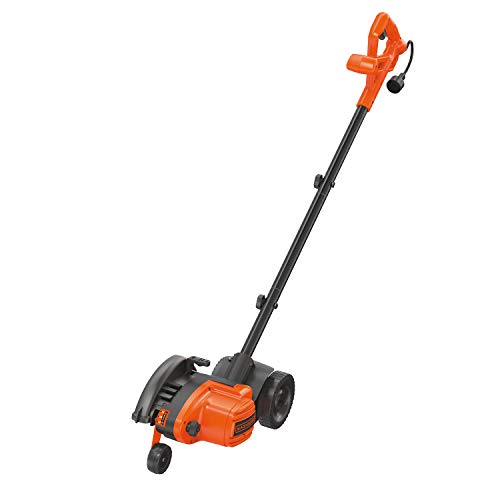
Before You Start: Safety and Prep
A lawn edger spins a steel blade at high speed close to concrete, rocks and buried objects, so a few minutes of prep matters. Walk the edge you plan to cut and pick up stones, sticks, toys, dog leashes and anything else that could be thrown or snag the blade.
Look for hidden hazards too. Sprinkler heads, low voltage landscape lighting wires, irrigation lines and cable lines often run close to sidewalks and bed borders. Mark them with flags so you can steer around them. If the soil is rock hard from drought, water the edge lightly the day before; slightly moist soil cuts cleaner and is easier on the blade. Avoid edging when the ground is soggy, though, because the blade will tear and smear wet soil instead of slicing it.
Finally, plan the line. Along a driveway or sidewalk, the concrete itself is your guide. Around flower beds and trees, lay a garden hose or string along the curve you want so you have a visible path to follow.
It also helps to know which kind of edger you have. A walk behind gas edger has the most power for long driveways and hard clay, but it is heavy and needs fuel and oil. Corded electric edgers are light and cheap to run, yet the cord limits how far you can go. Battery models sit in the middle: quiet, easy to start and free of cords, with runtime set by the size of the pack. The steps below work for all three, with small differences in starting and care.
How to Use a Lawn Edger Step by Step
The steps below apply to most walk behind and handheld edgers, whether gas, corded electric or battery powered. Always follow the specific instructions in your owner's manual where they differ.
Step 1: Read the manual and wear safety gear
Every edger has its own controls for blade depth, wheel position and starting. Read the manual once before the first cut so you know where the depth lever, safety switch and blade guard are. It also lists the correct blade size and replacement part numbers.
Wear safety glasses, hearing protection, long pants, sturdy closed toe shoes and gloves. Edgers throw dirt and small stones with real force, so keep children and pets well away from the work area.
Step 2: Charge batteries or mix fuel correctly
For a battery edger, start with a fully charged pack. A typical lawn edges in one charge, but long property lines may need a spare battery. For a gas model, use fresh gasoline. Two stroke engines need oil mixed at the exact ratio printed on the tool, while four stroke engines take straight gas with oil in the crankcase.
Corded edgers need an outdoor rated extension cord of the right gauge for the length you are running. Drape the cord over your shoulder or behind you so it stays clear of the blade.
Step 3: Inspect the tool before each use
Check that the blade is tight, straight and free of cracks. A bent or badly worn blade vibrates and cuts a ragged line. Make sure the blade guard is secure, the wheels turn freely and the handles are tight.
On gas models, look at the oil level and the air filter. On electric and battery models, check the cord or battery contacts for damage. Set the blade depth now: about one inch for regular maintenance and up to two inches when you are cutting a new edge.
Step 4: Start it the right way
Start the edger on a hard surface such as the driveway, with the blade raised so it is not touching soil or concrete. For gas models, set the choke as the manual directs, prime the bulb if there is one, and pull the starter cord smoothly. Battery and corded edgers usually need a safety button pressed before the trigger.
Let the blade reach full speed before you lower it. Starting with the blade buried in soil strains the motor and can make the tool jerk.
Step 5: Use proper technique and stance
Position the edger so the guide wheel rides on the sidewalk or driveway and the blade sits just inside the edge of the turf. Hold the handles with both hands, keep a balanced stance, and lower the blade into the soil gradually.
Walk forward at a slow, steady pace and let the blade do the cutting. Pushing too fast makes the line wander. On curves, take smaller steps and turn the whole tool rather than twisting your wrists. If you need a bevel at the edge of a bed, many edgers allow the blade to tilt a few degrees for a sloped cut that helps hold mulch in place.
Step 6: Shut down, cool down and clean
Raise the blade, release the trigger or throttle and let the blade stop completely before setting the edger down. On gas models, let the engine cool before refueling or storing it.
Disconnect the spark plug wire, battery or power cord before cleaning. Scrape packed soil and grass from the blade guard and wheels, wipe the blade, and check it for new chips. Then sweep or blow the cut grass and soil off the sidewalk for a clean finish.
Step 7: Store it correctly
Store the edger in a dry garage or shed, off the floor if possible. Remove batteries and keep them indoors at room temperature. For gas edgers, use fuel stabilizer or run the tank dry before winter. Sharpen or replace the blade at the start of each season so it is ready when the grass starts growing.
Pro Tips for Better Results
- Edge before you mow. Mowing afterward picks up loose clippings and leaves a cleaner look.
- Keep the blade sharp. A sharp blade slices roots cleanly; a dull one tears turf and leaves a fuzzy edge.
- Use the right depth. Shallow cuts are enough for maintenance. Go deeper only when restoring an overgrown edge.
- Edge regularly. Once the first edge is cut, light passes every two to four weeks keep it crisp with little effort.
- Follow the hard edge. Let the guide wheel track the concrete so your line stays straight without guesswork.
- Make a first pass shallow. On an overgrown edge, take a shallow pass first, then a second deeper one.
If you are still deciding between tools, a dedicated edger cuts a cleaner vertical line than a string trimmer turned on its side. Our article answering the question is a lawn edger worth it compares both approaches in detail.
Curved beds deserve a little extra patience. Work in short sections, stop to check the line from a few steps back, and correct small wobbles on the next pass instead of forcing the tool sideways in the cut. Once the shape is established, the edger will naturally follow the existing groove on later passes, which makes maintenance much faster.
Common Mistakes to Avoid
- Cutting too deep into soil and stones, which dulls the blade quickly and can hit buried lines.
- Rushing the cut, which leaves a wavy line that takes several passes to fix.
- Starting with the blade in the ground, which strains the motor and makes the tool kick.
- Edging wet, muddy soil, which smears rather than slices and clogs the guard.
- Skipping eye protection, even for a quick touch up.
- Ignoring the blade until it is badly rounded or bent, which makes every job harder.
- Forgetting to clean up the soil thrown onto walkways, which looks messy and can stain concrete.
Frequently Asked Questions
How often should I use a lawn edger?
Most lawns look best when edged every two to four weeks during the growing season. Fast spreading grasses like Bermuda and St. Augustine may need edging every one to two weeks in summer. After the first deep cut, maintenance passes are quick and shallow, so regular edging is actually less work than waiting until the edge is overgrown.
Can beginners use a lawn edger safely?
Yes. Beginners can use a lawn edger safely by reading the manual, wearing eye and ear protection, clearing debris first and starting on a straight sidewalk edge before tackling curves. Battery and corded edgers are especially beginner friendly because they start with a trigger and weigh less than gas models. Practice slowly until the motion feels natural.
Final Thoughts
Learning how to use a lawn edger comes down to good prep, the right blade depth, a slow steady walk and simple cleanup afterward. Do that every few weeks and your lawn will have sharp, clean borders all season. If you need a new tool, see our picks for the best lawn edger, the best lawn edger for flower beds and the best lawn edger for heavy duty use, and read our guide on where to buy a lawn edger.