Is a Lawn Edger Worth It? What Owners Should Know Before Buying
Disclosure: We may earn a commission when you buy through links on this page, at no extra cost to you. As an Amazon Associate I earn from qualifying purchases. Learn more

Is a lawn edger worth it for your yard? Compare prices by type, benefits, drawbacks, running costs and cheaper alternatives.
For most homeowners with sidewalks, driveways or garden beds, yes. A lawn edger cuts a crisp vertical line that a string trimmer struggles to match, and it turns a slow, uneven chore into a quick job you repeat a few times a season. So is a lawn edger worth it for you? It depends on how much hard edge you have, how picky you are about a clean look and whether a cheaper tool already does the job well enough.
This guide walks through what you get at each price, the real benefits and drawbacks, the long term costs and the alternatives, so you can decide with confidence.


What You Get for the Money
Lawn edgers cover a wide price range, and what you pay mostly buys power, convenience and durability. Manual half moon and rotary edgers, such as the BULLY TOOLS 12 gauge steel edger, cost around $20 to $70. They cut a clean line but rely entirely on your legs and back.
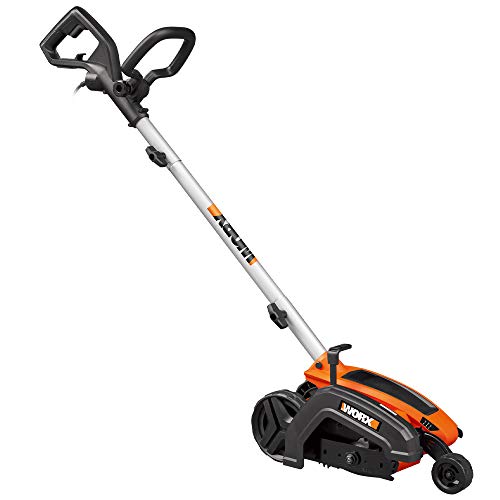
Corded electric edgers start around $80 to $120. The WORX WG896, for example, uses a 12 amp motor and a 7.5 inch blade and doubles as a trencher for bed borders. Corded models are light and need almost no upkeep, but you are tied to an extension cord.
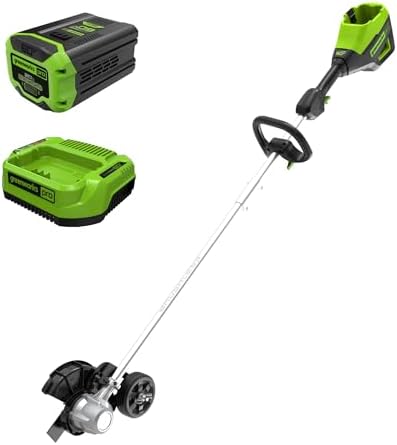
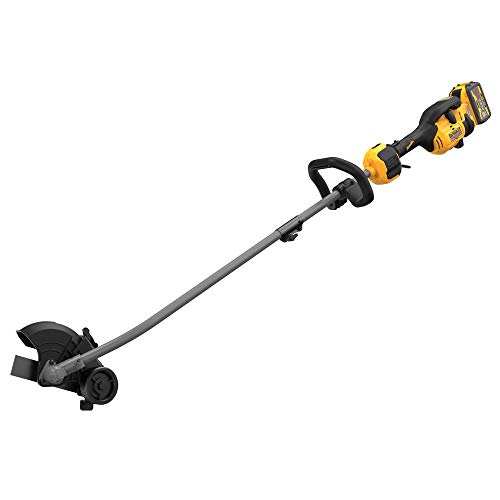
Cordless edgers run around $140 to $340. The Greenworks 40V 8 inch edger kit sits near $180, while the DEWALT 60V MAX kit with a FLEXVOLT battery is around $340. You get freedom of movement and push button starts, especially useful if you already own batteries from the same brand.
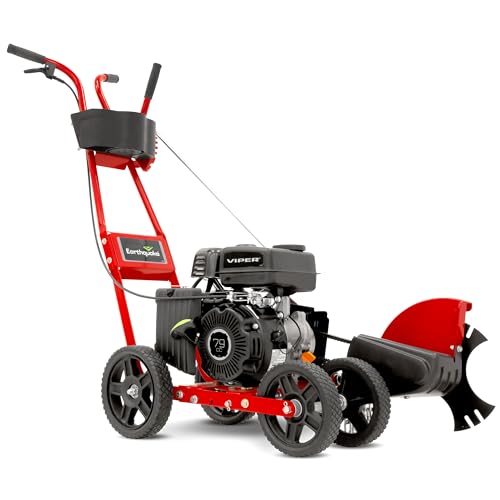
Gas walk behind edgers, from about $220 for basic models to around $470 for the EARTHQUAKE 79cc and over $800 for a McLane 9 inch unit, deliver the most cutting power for long edges and overgrown borders. They suit large properties and anyone who edges often.
Whatever the tier, look for adjustable blade depth, a comfortable handle height and a blade guard. These features matter more day to day than raw power for most homeowners.
Benefits of Owning a Lawn Edger
The biggest benefit is the finished look. An edger's vertical blade cuts a clean channel between grass and concrete, which makes a lawn look professionally maintained even when the grass itself is ordinary. That sharp line along the curb and sidewalk edge is something a mower simply cannot create.
Edgers also save time once the first cut is made. Touching up an established line along a typical driveway takes only a few minutes, and the blade guide or wheels keep the tool straight. With a string trimmer turned on its side, most people wobble, scalp the turf or throw debris everywhere.
A proper edger controls grass creep. Turf naturally spreads over pavement and into mulched beds, and cutting a defined border every few weeks keeps runners from taking over. Many models let you adjust blade depth or bevel the cut, which helps shape flower bed borders and shallow trenches for landscape edging.
Finally, an edger reduces wear on other tools. String trimmers chew through line quickly on concrete, and a steel edging blade handles that contact far better. If you care about curb appeal, those benefits add up to one of the clearest answers to why buy a lawn edger in the first place.
Drawbacks to Consider
An edger is a single purpose tool. If your yard has little hard edging, it may sit in the garage most of the year while a string trimmer covers everything else. Storage is a real concern for walk behind gas models, which take up about as much room as a small mower.
Powered edgers can be loud and throw grit, so eye and hearing protection are a must. Gas units add fuel mixing or oil changes, pull starts and winter storage steps. Corded models limit your range to the length of your extension cord, and cordless ones only run as long as the battery lasts.
The first pass on a neglected edge is also hard work. Cutting through thick, overgrown turf along a long driveway takes patience with any tool, and blades wear faster in sandy or rocky soil. Expect to replace blades over time, which adds a small recurring cost.
Who Should Buy One (and Who Should Skip It)
A lawn edger is a smart buy if you have long runs of sidewalk, curb or driveway, care about a crisp finished look, or keep many garden beds with defined borders. Homeowners who edge every two to four weeks in the growing season will get the most value, and so will anyone who struggles to edge neatly with a trimmer. If beds are your main focus, see our picks for the best lawn edger for flower beds.
You can probably skip a dedicated edger if your yard is small with little hardscape, you already own a string trimmer with a wheeled edging guide, or you hire a lawn service. In those cases, a $30 manual edger for the occasional touch up may be all you need. Large property owners and anyone edging long, tough borders should look at our guide to the best lawn edger for heavy duty use.
A quick way to decide is to measure your hard edges. Add up the length of your driveway, front walk, curb and bed borders. If the total runs past roughly a hundred feet and you edge more than a few times a year, a powered edger will likely save you real time. If it is only a short path and a single bed, a manual tool or your existing trimmer will cover it.
Cost of Ownership Over Time
Beyond the purchase price, ongoing costs are modest. Replacement blades typically cost a small amount each and last a season or more depending on soil and how often you edge. Corded edgers use very little electricity, and cordless owners may eventually need a replacement battery, which can be the biggest single expense after a few years.
Gas edgers carry the highest running costs: fuel, oil, spark plugs, air filters and fuel stabilizer for winter. A basic tune up each spring keeps them starting easily. Manual edgers cost nothing to run beyond an occasional sharpening. For a full price breakdown by type, read how much does a lawn edger cost.
Alternatives Worth Considering
A string trimmer with a rotating head and edging wheel is the most common alternative and covers trimming plus light edging in one tool. Combo kits that pair a trimmer and edger, or multi head systems with an edger attachment, save storage space and share one battery. Manual half moon edgers are cheap and quiet for small yards. Finally, permanent landscape edging made of steel, plastic or stone reduces how often beds need cutting at all.
Each alternative has limits, though. Trimmer edging leaves a softer, less defined line, and combo attachments can feel less stable than a wheeled edger. Permanent edging costs more up front and still needs occasional trimming where grass grows over it.
Our Verdict: Is a Lawn Edger Worth It?
For homes with meaningful sidewalk, driveway or bed edges, a lawn edger is worth the money. A corded or cordless model in the $90 to $200 range suits most suburban lots, while gas walk behind edgers make sense for large properties. If your yard has little hardscape, a trimmer with an edging guide or a manual edger is the better value. In short, the answer to is a lawn edger worth it comes down to how many feet of edge you maintain and how sharp you want them to look.
Frequently Asked Questions
Can a string trimmer replace a lawn edger?
Partly. A string trimmer turned vertically can edge along sidewalks, and some include a wheel guide to help. It works for light maintenance, but the line is rarely as crisp or straight as a steel blade cut, and line wears fast on concrete. If you edge often, a dedicated edger is usually faster and neater.
How long does a lawn edger last?
With basic care, a lawn edger can last many years. Manual steel edgers often last decades. Electric and gas models depend on motor or engine care, blade replacement and dry storage, and batteries on cordless models wear out sooner than the tool itself.
What is the best lawn edger to buy?
The best choice depends on your yard. Corded electric edgers offer strong value for small lots, cordless models suit homeowners already invested in a battery platform, and gas walk behind edgers fit large properties. If you are still asking is a lawn edger worth buying, start with a budget corded or manual model.
Final Thoughts
So, is a lawn edger worth it? If you value crisp borders along concrete and beds, it pays off in time saved and curb appeal. Compare our picks for the best lawn edger and see where to buy a lawn edger before you choose.