
Is a Robot Mop Worth It? What Owners Should Know Before Buying
Disclosure: We may earn a commission when you buy through links on this page, at no extra cost to you. As an Amazon Associate I earn from qualifying purchases. Learn more
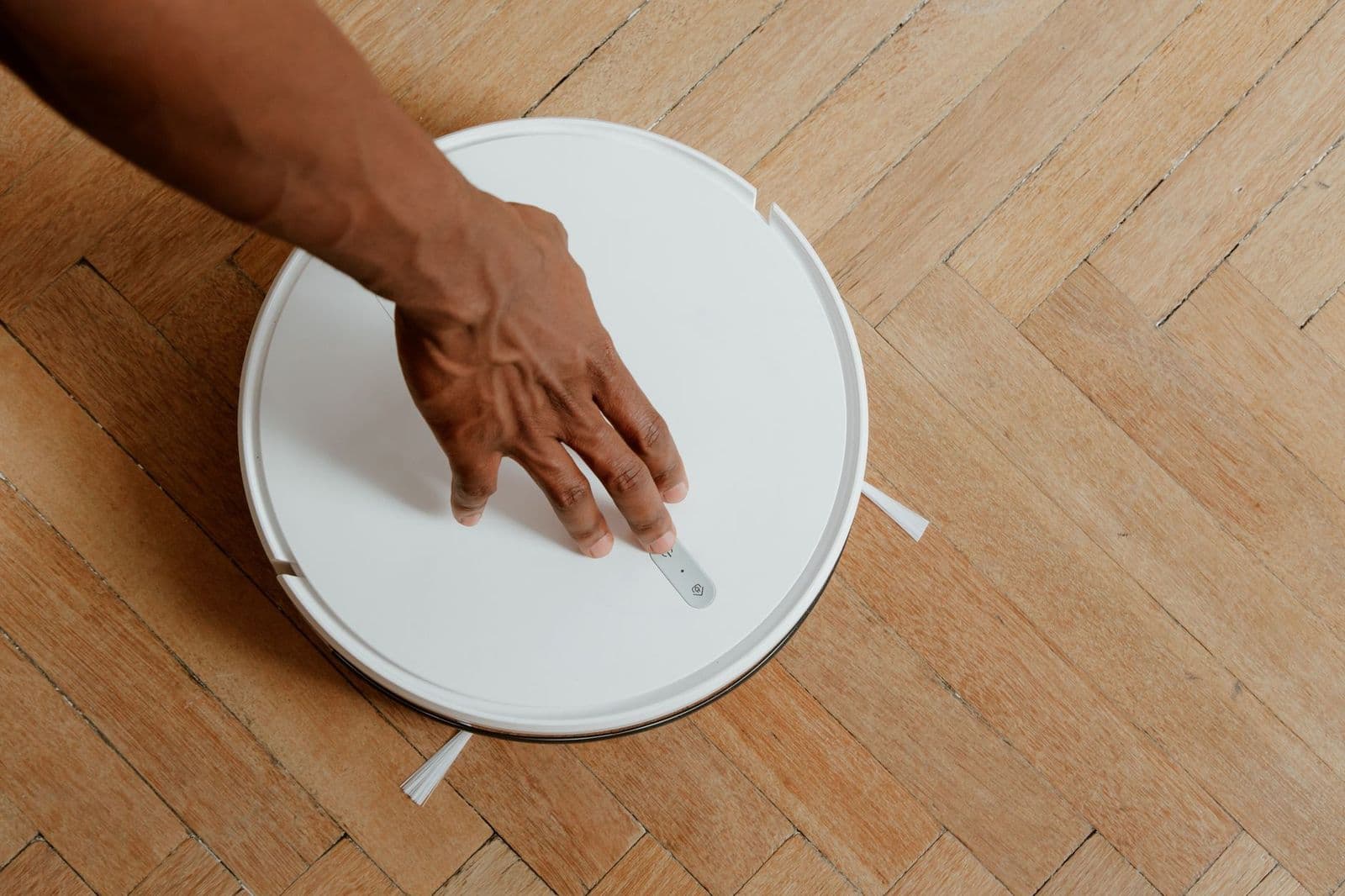
Is a robot mop worth it? What each price tier gets you, the real benefits and drawbacks, ownership costs and the alternatives.
For most homes with a lot of hard flooring, yes. A robot mop keeps tile, vinyl, laminate and sealed wood consistently clean with almost no effort, and the newest models with self washing docks need very little attention beyond refilling water. If your home is mostly carpet, or you expect a robot to scrub deep grout stains like a person on their knees, it is less compelling. So is a robot mop worth it? It depends on your floors, your budget and how much daily upkeep you want to hand over.
Below we look at what you get at each price, the real benefits and drawbacks, long term costs and the alternatives worth considering.
What You Get for the Money
Robot mops range from around $180 to around $1,500, and the price tells you a lot about how much work the robot saves.
Around $180 to $300. Entry robots usually combine a vacuum with a drag mop pad and a small water tank. Many now include LiDAR mapping and even a self emptying base for dust, but the mop pad must be removed, washed and dried by hand after each run. They are good for light daily dust and footprints.
Around $300 to $600. This range adds stronger suction, better obstacle avoidance and, increasingly, spinning pads or roller mops. Some models in this tier include docks that wash and dry the mops, which is the feature that makes mopping truly hands free.
Around $600 to $1,500. Premium robots have full stations that empty dust, refill clean water, wash mops with hot water, dry them with warm air and sometimes add detergent automatically. They also lift mops on carpet, extend pads to reach edges and use camera based navigation to avoid cords and pet messes.
If you want the robot to look after itself, budget for the middle or upper tier. A cheap robot mop is still useful, but you will be washing pads by hand.
Benefits of Owning a Robot Mop
Floors stay consistently clean. A robot that mops every day or every few days stops grime, sticky spots and footprints from building up. Instead of one big weekend mop, floors look fresh most of the time.
It saves time and effort. Mopping by hand means filling a bucket, moving furniture and bending for long periods. A robot does the routine passes on a schedule while you are out or busy, which is a real relief for busy families, older adults and anyone with back pain.
It cleans where you rarely reach. Low profile robots slide under beds, sofas and cabinets where dust and hair collect. Edge extending pads and side brushes now reach close to baseboards too.
Smart controls make it flexible. With LiDAR navigation and app control you can set no go zones around pet bowls, choose different water levels for each room and run the kitchen more often than the bedroom. Carpet detection lifts the mop or avoids rugs.
Self cleaning docks remove the messy part. On models with washing stations, dirty water is collected in a tank, the mops are washed and dried, and you simply empty the dirty tank and refill the clean one now and then.
It pairs well with pets and kids. Paw prints, crumbs and spills appear daily in busy homes. A robot keeps on top of that cycle better than occasional manual mopping.
Drawbacks to Consider
It does not replace a deep scrub. Robot mops use light pressure and modest water. They handle daily dirt well but struggle with dried, stuck on stains, deep grout lines and heavy mud. You will still mop by hand occasionally.
Upfront cost can be high. The models that are truly hands free cost several hundred dollars or more.
Docks need space. Full stations are large and need a spot near an outlet with room around them.
Water and floor care. On laminate and wood, too much water can damage seams, so you need to choose low water settings and a model that controls moisture well.
Preparation still matters. Cords, socks, toys and loose rugs can trip up a robot. Obstacle avoidance helps, but a quick tidy before runs gives the best results.
Ongoing maintenance. Tanks, filters, brushes and mop pads need regular care, even with a good dock.
Who Should Buy One (and Who Should Skip It)
Buy one if:
- Most of your home is tile, vinyl, laminate or sealed hardwood
- You have pets, kids or a busy kitchen that create daily floor mess
- Bending, kneeling or carrying a bucket is hard for you
- You want floors to stay clean between deeper cleaning sessions
Skip it, or choose a vacuum only robot, if:
- Your home is mostly carpet
- Your floors are unsealed wood or natural stone that should stay dry
- You have very little floor space or lots of clutter
- You only want an occasional deep clean, not daily maintenance
So why buy a robot mop instead of another gadget? Because it handles the most repetitive floor chore automatically. If your floors are mostly hard surfaces, the time saved adds up quickly over a year.
Cost of Ownership Over Time
Beyond the purchase price, plan for consumables. Mop pads or rollers, side brushes, main brushes and filters wear out and are replaced periodically. Self emptying docks with bags need replacement bags, while bagless docks avoid that cost. Floor cleaning solution made for robot docks is optional but common.
Electricity use is modest, since robots charge from a standard outlet, though stations that heat water and dry mops with warm air use more power than a basic dock. The battery is the largest long term part; it gradually loses capacity and can usually be replaced. Buying from a brand with easy access to parts keeps ownership costs predictable.
Alternatives Worth Considering
Wet dry floor cleaners. Cordless wet dry vacuums vacuum and wash hard floors in one pass with clean and dirty water tanks. They clean more deeply than robots, but you push them yourself.
Spin or spray mops. Low cost and effective for small spaces, but fully manual. A spray mop with washable pads is a good backup even if you own a robot, since it handles spills right away and reaches tight spots under toe kicks.
Periodic professional cleaning. Some households pair a vacuum only robot with a monthly deep clean from a cleaning service. It costs more over a year than most robot mops, but it covers grout and stubborn stains that robots cannot reach.
Robot vacuums without mops. If you mainly have carpet, a vacuum only robot plus occasional manual mopping may be the better value. Our guide on how to choose a robot vacuum and mop explains the trade offs.
Our Verdict: Is a Robot Mop Worth It?
For homes with mostly hard floors, a robot mop is worth it, especially a model with a dock that washes and dries the mops. It keeps floors cleaner day to day and saves real time and effort. For carpet heavy homes or anyone who needs deep scrubbing, a vacuum only robot or a wet dry floor cleaner may be a better fit.
Frequently Asked Questions
Is a robot mop worth buying?
Yes, if most of your floors are hard surfaces and you value daily upkeep over occasional deep cleaning. Is a robot mop worth buying for carpet heavy homes? Usually not. Models with self washing docks deliver the most value because they remove the chore of cleaning dirty pads by hand.
How long does a robot mop last?
A well maintained robot mop typically lasts several years. Batteries lose capacity over time and are usually replaceable, while brushes, filters and mop pads are routine wear items. Keeping the dock, tanks and sensors clean helps it run reliably for longer.
What is the best robot mop to buy?
The best robot mop depends on your floors and budget. Look for adjustable water flow, carpet detection and a dock that washes and dries the mops. We compare current top models in our best robot mop guide, plus floor specific picks for the best robot mop for hardwood floors and the best robot mop for tile floors.
Final Thoughts
So, is a robot mop worth it? For hard floor homes that want daily cleaning without the bucket, the answer is yes, especially with a self washing dock. If you are ready to shop, compare our picks for the best robot vacuum and mop to find a model that matches your floors and budget.


