
Is a Self Emptying Robot Vacuum Worth It? What Owners Should Know Before Buying
Disclosure: We may earn a commission when you buy through links on this page, at no extra cost to you. As an Amazon Associate I earn from qualifying purchases. Learn more

What a self emptying robot vacuum really costs, what the base does for you and which homes benefit most before you buy one.
Is a self emptying robot vacuum worth it? For most busy households, yes. A self emptying base turns a robot that needs attention every day or two into one you can ignore for weeks, and it keeps dust off your hands and out of the air when you empty it. The premium over a basic robot has shrunk too, with capable models now starting around $250.
It is not the right buy for everyone, though. The dock takes floor space, many bases use bags that cost money over time, and the emptying cycle is noisy for a few seconds. Below we cover what you get for the money, the real benefits and drawbacks, the long term costs, and who should buy or skip one.


What You Get for the Money
Self emptying robot vacuums range from around $250 to around $1,600, and the base is only part of what the price buys.
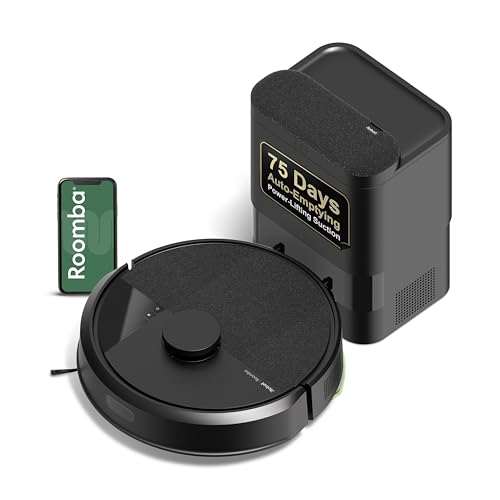
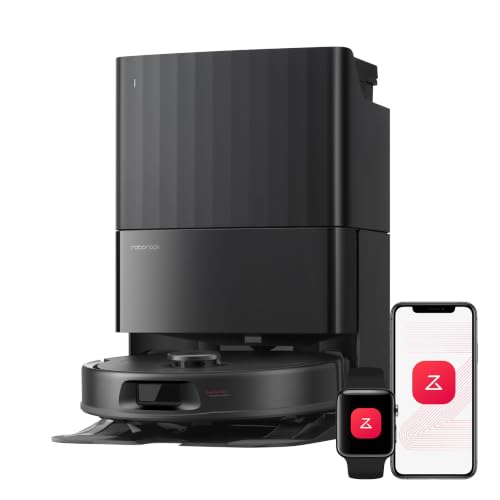
At the entry level, around $250 to $400, you get a LiDAR mapping robot and a dock that sucks debris from the robot into a bag or bin. The Roborock Q7 M5+ (around $250) empties into a sealed 2.7L bag that lasts 7 to 9 weeks, and the iRobot Roomba 105 Vac (around $280) uses an AutoEmpty dock rated for up to 75 days. The Shark Navigator AV2110S takes a different route with a bagless base that holds up to 30 days of debris.
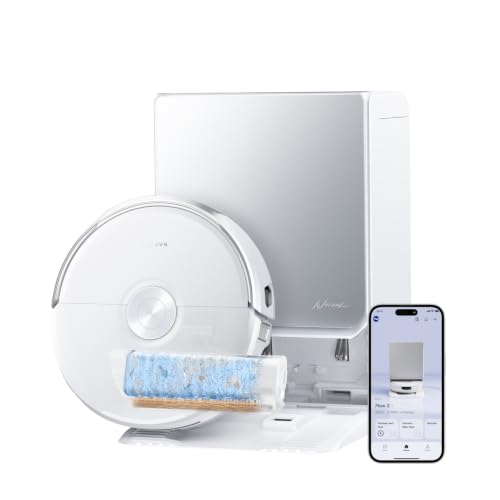
In the middle, around $380 to $800, docks start to wash and dry mop pads as well. The Roborock Qrevo S Pro (around $385) adds 167°F mop washing and warm air drying to its self emptying base. At the top, around $1,000 to $1,600, you pay for stronger suction, camera based object recognition and huge dust storage, such as the NARWAL Flow 2 (around $1,500) with up to 120 days of dust capacity.
Benefits of Owning a Self Emptying Robot Vacuum
The biggest benefit is simple: the robot keeps working without you. A standard robot has a small onboard bin that can fill in a single run in homes with pets or lots of carpet. When the bin is full, suction drops and the robot may stop. A self emptying base clears that bin after every run, so the robot can clean on a daily schedule and actually keep floors clean.
Cleaner disposal is the second big win. Opening a small robot bin over the trash usually releases a puff of fine dust and tangled hair. Bagged bases seal debris away, and some bags are designed to trap allergens; iRobot, for example, says its AutoEmpty bag traps 99% of allergens as small as 0.7 microns. That matters for anyone with allergies or asthma.
There are practical perks too. Many self emptying robots come with LiDAR navigation, app control, no go zones and room by room scheduling, because brands put their best features on these models. Recharge and resume plus automatic emptying means the robot can finish a large home without help. For anyone wondering why buy a self emptying robot vacuum, the answer is fewer chores and more consistent results.
Drawbacks to Consider
The dock needs space. Self emptying bases are taller and wider than simple charging pads, and they need clearance on each side and in front so the robot can dock reliably. In small apartments that footprint can be awkward.
Noise is another trade off. The base uses a powerful motor to pull debris out of the robot, and the emptying cycle is loud for a few seconds after each run. Scheduling cleaning while you are out solves most of this.
Then there is ongoing cost. Bagged bases need replacement bags, which are cheap individually but add up across years. Bagless bases avoid that but must be emptied by hand and can release dust when you do. Finally, a self emptying dock does not fix a weak robot. If suction, navigation or brush design are poor, emptying it automatically only automates a mediocre clean.
Who Should Buy One (and Who Should Skip It)
A self emptying model makes the most sense for pet owners, larger homes and anyone who wants the robot to run every day. Shedding animals fill a small bin fast, so automatic emptying is what lets the robot keep up. Our picks for the best self emptying robot vacuum for pet hair focus on exactly that. It is also a strong choice for allergy sufferers, people with limited mobility who find bending to empty a bin difficult, and busy families who simply forget.
You might skip it if you live in a small apartment with mostly hard floors and no pets. In that case, a basic robot's bin may last several runs, and you would save money and floor space. Homes with mostly wood or tile can also look at our guide to the best self emptying robot vacuum for hardwood floors for models tuned to those surfaces.
Cost of Ownership Over Time
Beyond the purchase price, plan for a few recurring costs. Bagged docks need replacement bags every few weeks to a couple of months, depending on dock capacity and how dirty your home gets. Filters, side brushes and main brushes also wear and should be replaced on the maker's schedule, often in multipacks that cost little.
Batteries are the largest long term part. After a few years of daily use, runtime drops, and a replacement battery restores it at a fraction of the cost of a new robot. Electricity use is small. Robots with mop washing docks add cleaning solution and occasional tank cleaning to the list. Overall, a self emptying robot costs a bit more to run than a basic one, mainly because of bags.
Alternatives Worth Considering
If a self emptying robot does not fit your space or budget, a standard robot vacuum without a base is the cheapest way to automate floor care, as long as you are happy to empty the bin often. A cordless stick vacuum is another option for small homes, since it handles quick cleanups and spot jobs that robots miss. For larger homes with lots of carpet, a quality upright or canister vacuum still delivers the deepest clean, and many owners pair one with a robot for daily maintenance. Many strong robots are sold both with and without a base, so you can start simple and upgrade later.
Our Verdict: Is a Self Emptying Robot Vacuum Worth It?
For most homes, the base pays for itself in convenience. It lets the robot clean daily without supervision, keeps dust contained and costs far less than it did a few years ago. Choose a strong robot first and treat the self emptying base as the feature that makes it truly hands free. Small, pet free apartments are the main exception.
Frequently Asked Questions
Is a robot vacuum with auto empty worth buying?
Yes, if you want the robot to run daily with little effort. Is a robot vacuum with auto empty worth buying mostly depends on pets, home size and allergies; the more debris your home produces, the more value you get. Small, pet free spaces may do fine without one.
How often do you need to empty a self emptying base?
It depends on the dock and your home. Makers rate many bases for about 30 to 75 days of debris, and some premium docks claim up to 120 days. Homes with pets or lots of carpet will fill the bag or bin sooner than those ratings suggest.
Are bagged or bagless self emptying bases better?
Bagged bases are better for allergies because dust stays sealed when you throw the bag away. Bagless bases avoid the cost of bags but release some dust when emptied. If anyone at home has allergies, a bagged dock is usually the safer choice.
How long does a self emptying robot vacuum last?
With regular care, a self emptying robot vacuum can last several years. Replace filters, brushes and bags on schedule and clean the sensors. The battery usually wears first, and replacing it can extend the robot's life considerably.
What is the best self emptying robot vacuum to buy?
The best choice depends on your floors, pets and budget. Our guide to the best self emptying robot vacuum compares top models at different prices, and our article on where to buy a robot vacuum covers warranties and returns.
Final Thoughts
So, is a self emptying robot vacuum worth it? For pet owners, allergy sufferers and busy households, it usually is, because it keeps the robot cleaning without daily attention. Compare models in our list of the best robot vacuum picks and choose one that matches your floors and budget.


