
What Is a Watering Can Used for: A Complete Guide for 2026
Disclosure: We may earn a commission when you buy through links on this page, at no extra cost to you. As an Amazon Associate I earn from qualifying purchases. Learn more
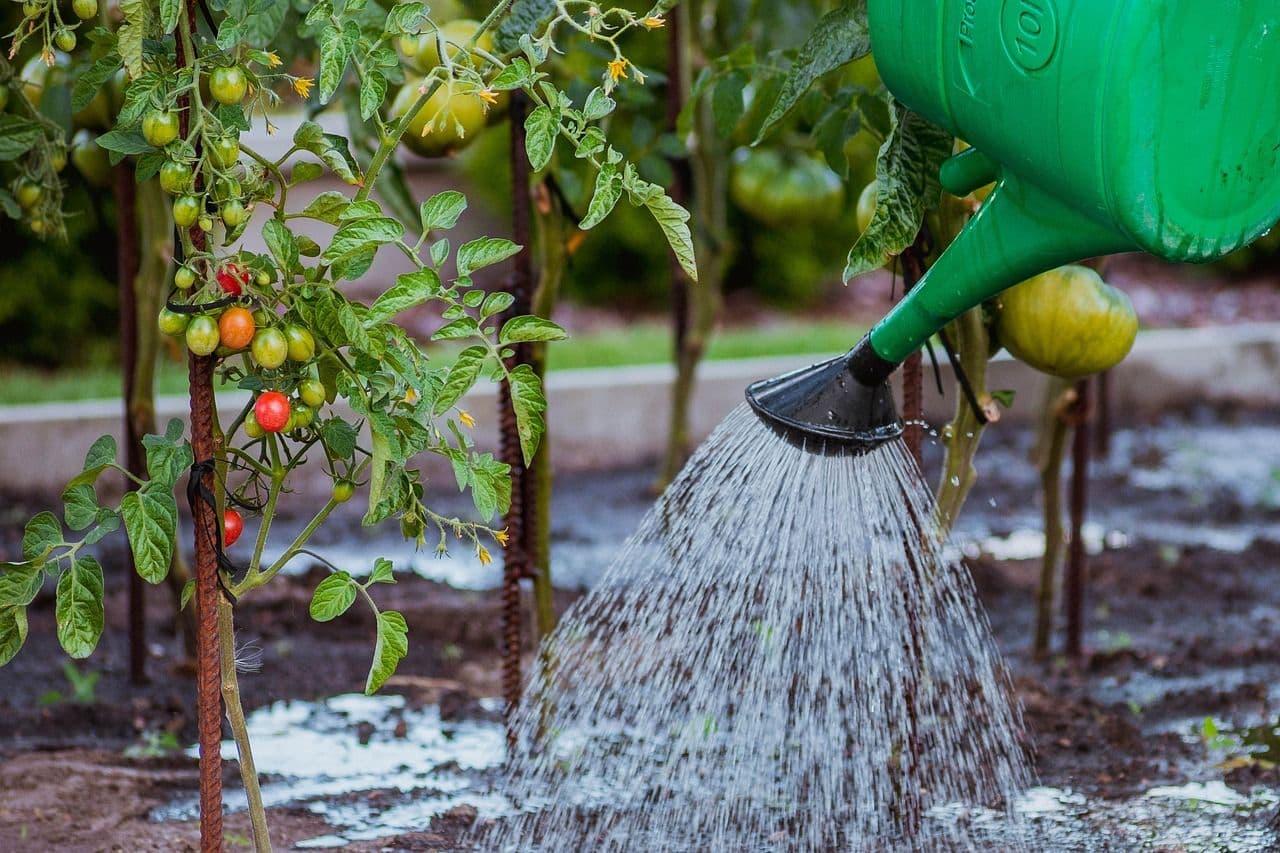
What is a watering can used for? Precise watering of pots, beds, seedlings and houseplants, plus easy feeding with liquid fertilizer.
A watering can is used to deliver a measured amount of water exactly where a plant needs it: at the roots of potted plants, seedlings, flower beds, raised beds and vegetables, plus indoor houseplants a hose cannot reach. It is also used to mix and apply liquid fertilizer and to give delicate seeds a gentle shower that will not wash them away. If you have ever wondered what is a watering can used for in a garden that already has a hose, the answer is control.
This guide explains what a watering can is, how its parts work together, where it shines, the main types and the pros and cons, so you can decide whether one belongs in your shed or by the back door.
What Is a Watering Can?
A watering can is a portable container with a handle and a spout, designed for pouring water onto plants. It has been a basic garden tool for centuries, and the design has changed surprisingly little: a reservoir to hold water, a handle to carry and tip it, and a spout that directs the flow, often finished with a perforated cap called a rose.
Modern cans come in plastic, galvanized steel, powder coated metal, copper and brass. Sizes range from small indoor cans holding well under a gallon to large outdoor cans of 2 gallons or more. Gallon capacity matters because it sets how many plants you can water per trip and how heavy the can feels when full. Water weighs a little over 8 pounds per gallon, so a full 2 gallon can holds more than 16 pounds of water alone.
How Does a Watering Can Work?
So, how does a watering can work? It relies on gravity and a few simple parts.
- Reservoir (body): holds the water. The opening at the top lets you fill it from a tap, hose or rain barrel.
- Handle: most cans have a top handle for carrying and a rear or arched handle that lets you tilt the can smoothly. Your second hand steadies the weight while you pour.
- Spout: a tube that starts near the base of the reservoir and rises at an angle. Because it starts low, water enters the spout as soon as you tip the can, and the spout's height keeps it from spilling while you carry it.
- Long spout: a longer spout places the outlet farther from your body, so you can reach the back of a border or under leaves while tilting the can only slightly. This gives a steadier, more controllable flow.
- Rose head: a cap with many small holes that breaks the stream into gentle droplets, much like a shower head. Remove it for a single stream aimed at the base of a plant.
Together these parts let you control three things a hose cannot match as easily: how much water each plant gets, where it lands and how hard it falls. Tip the can a little for a trickle; tip it more for a steady stream. The water level inside also tells you how much you have used, which helps when you are measuring fertilizer.
What Is a Watering Can Used For?
Watering plants is the headline job, but gardeners reach for a can for plenty of smaller tasks too: moistening a dry compost pile, topping up a bird bath, settling soil around a new shrub, rinsing mud off a trowel or filling a pet's outdoor water bowl. Here are the places where it earns its keep most often.
Flower Beds
Annuals and perennials in beds benefit from water placed at their base, which keeps blooms and leaves dry and reduces fungal problems. A long spout reaches into the middle of a bed without trampling plants, and a rose softens the flow for freshly planted bedding.
Raised Beds
Raised beds drain quickly and often sit far from an outdoor tap. A watering can lets you top up individual plants between deeper hose soakings, and it is ideal for watering in transplants so soil settles around the roots.
Small Gardens
On balconies, patios and courtyards, a can is often the only practical watering tool. There is no hose to coil, no drips across the floor, and you can water pots, window boxes and hanging baskets with precision. Indoors, a small can with a slim spout lets you water houseplants on shelves and windowsills without dripping onto furniture.
Vegetable Gardens
Vegetables like tomatoes and peppers prefer water at the roots rather than on their leaves. A can is perfect for targeted watering, for feeding with liquid fertilizer and for giving newly sown rows of carrots or lettuce a fine shower that does not disturb the seeds. Because you can count cans, it is also easy to give each plant roughly the same amount of water, which helps crops like tomatoes avoid the uneven watering that leads to split fruit.
Types of Watering Cans
- Indoor cans: small capacity, often well under a gallon, with a long, slim spout for reaching under houseplant foliage. Many are decorative enough to leave on a shelf.
- Outdoor cans: usually 1 to 2 gallons or more, with a removable rose and a sturdy handle for carrying across the yard.
- Plastic cans: light, cheap and rust proof, but they can fade and turn brittle in strong sun.
- Metal cans: galvanized steel, powder coated steel, copper or brass. Heavier and more durable, and they look handsome, but steel can rust if the coating is damaged.
- Long reach and haws style cans: traditional designs with an extra long spout and a balanced handle, prized by gardeners who water greenhouses and deep borders.
- Kids' and novelty cans: small, light cans that get children involved in gardening.
When picking a type, think about where you will use it most. A gardener with a dozen patio pots and a few houseplants is usually happiest with a light 1 to 1.5 gallon can, while someone tending several raised beds will appreciate a 2 gallon outdoor can with a removable rose. Owning one small indoor can and one larger outdoor can covers almost every situation.
Pros and Cons
Pros:
- Precise control over how much water each plant gets
- Gentle flow protects seeds and seedlings
- Easy way to apply liquid fertilizer
- Works anywhere, even far from a tap or indoors
- Saves water compared with spraying a hose
Cons:
- Heavy when full, which can strain backs and wrists
- Slow for large lawns or big gardens
- Needs refilling often
Is a Watering Can Right for You?
A watering can is right for almost every gardener, even those with a hose or drip system. If you grow houseplants, start seeds, keep containers on a patio or feed plants with liquid fertilizer, you will use one every week. Renters and apartment dwellers with no outdoor tap may rely on it entirely.
It is less useful as your only tool for a large lawn or a big vegetable plot, where a hose or irrigation saves hours. In that case, own both: a hose for volume and a can for precision. Choosing the size is the main decision; our guide to the best watering can for flower beds covers lighter options for borders, while the best watering can for heavy duty use suits bigger plots.
Frequently Asked Questions
Can you use a watering can for fertilizer?
Yes, and it is one of the most common uses. Fill the can with the right amount of water, add the liquid or water soluble fertilizer at the rate on the label, stir or swirl, then water at the soil. Rinse the can well afterward so residue does not affect the next plants you water.
Is a watering can worth buying?
For most gardeners, yes. Watering cans are inexpensive, last for years and handle jobs a hose does poorly, such as watering seedlings, houseplants and hanging baskets or applying fertilizer. Even a basic plastic can pays for itself quickly in healthier plants and saved water. See how much does a watering can cost for typical prices.
How long does a watering can last?
A plastic can stored out of the sun can last several seasons, while a galvanized, copper or brass can often lasts for decades with care. Emptying the can after each use, drying it and storing it under cover before frost are the habits that matter most for long life.
Final Thoughts
So, what is a watering can used for? Precise, gentle watering of pots, beds, seedlings and houseplants, plus easy feeding with liquid fertilizer. It complements a hose rather than replacing it. When you are ready to choose one, start with our picks for the best watering can, and check where to buy a watering can for the best selection.


