Why Buy a Canister Vacuum? What Owners Should Know Before Buying
Disclosure: We may earn a commission when you buy through links on this page, at no extra cost to you. As an Amazon Associate I earn from qualifying purchases. Learn more
Why buy a canister vacuum? Learn what each price tier gets you, the real benefits and drawbacks, ownership costs and who should skip one.
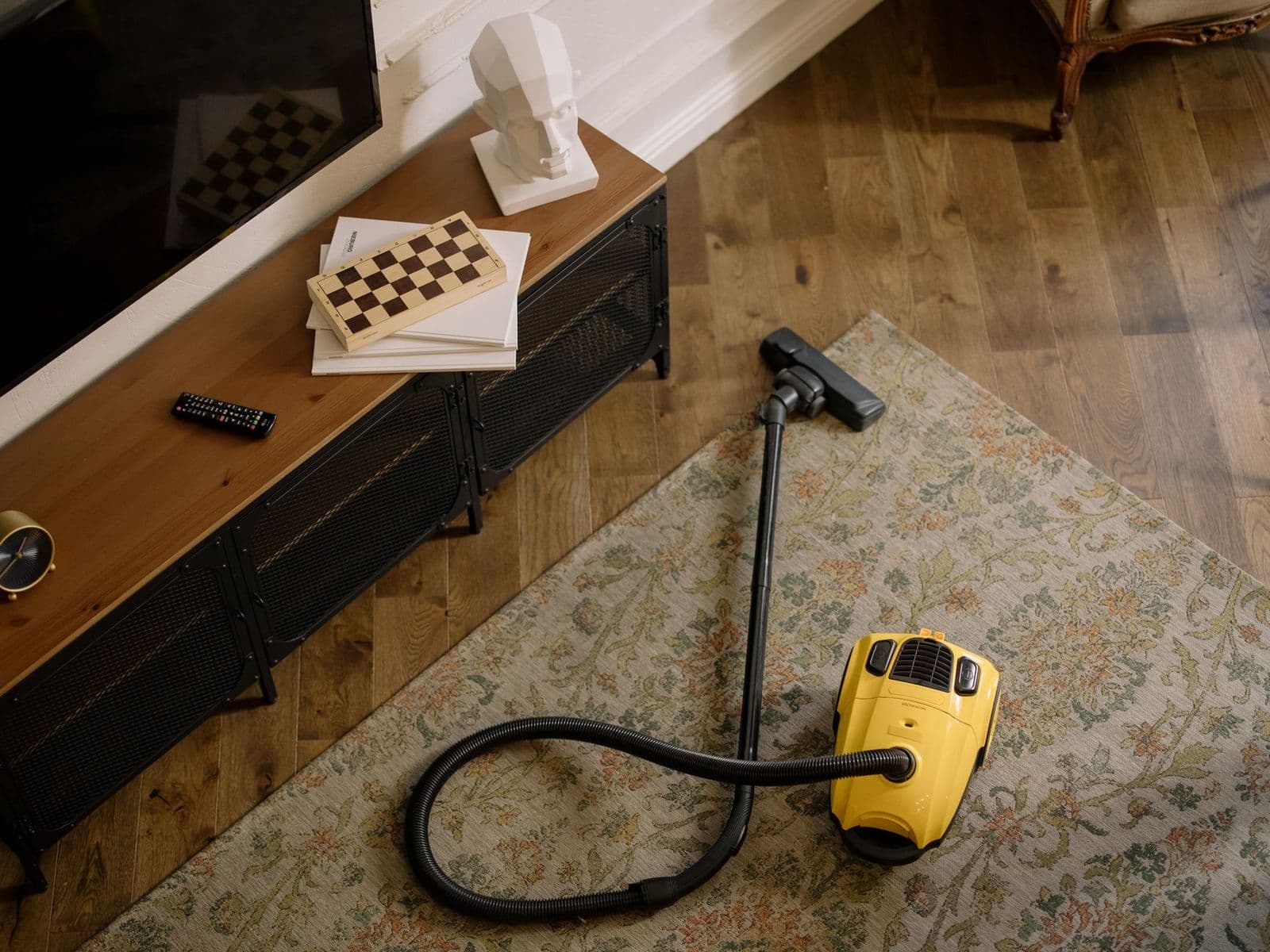
Why buy a canister vacuum? Because it gives you full size suction in a package that is easier to steer, lighter in your hand and better at reaching stairs, upholstery and the spaces under furniture than most uprights. The motor and dirt container roll behind you on wheels, so you only guide a slim wand and floor tool. For homes with lots of hard floors, stairs or furniture to clean around, that design is hard to beat.
Canisters are not for everyone, though. They take a little more storage space, the hose can feel fiddly, and premium models cost real money. Below we break down what you get at each price, the benefits and drawbacks, and who should skip one.
What You Get for the Money
Canister vacuums on Amazon range from around $60 to well over $1,000, and the price tracks closely with build quality, tools and filtration.
- Around $60 to $150. Light bagged or bagless canisters from brands like Eureka and Bissell. Expect simple floor tools, washable filters, a short hose and no powered brush. They are great for apartments, hard floors and stairs.
- Around $150 to $400. Mid range models from Kenmore, Prolux and entry level Miele. You often get sealed HEPA filtration, telescoping wands, retractable cords and sometimes a motorized pet tool or turbo brush.
- Around $400 to $1,300. Premium canisters such as the Miele Complete C3 and Blizzard lines or Sebo. These add electric powerheads for deep carpet, stronger motors, better seals, long operating radius and longer warranties.
The sweet spot for most homes sits around $150 to $400, where you get good filtration and useful tools without paying for features you will not use.
Benefits of Owning a Canister Vacuum
The biggest benefit is maneuverability. Because you hold only the wand, a canister glides under beds, sofas and tables where an upright cannot reach, and the floor tool turns easily around chair legs. On stairs, the body sits on a step or landing while you clean, instead of balancing a heavy upright on a narrow tread.
Canisters also tend to be versatile. Most come with a dusting brush, crevice tool and upholstery nozzle that attach directly to the wand, so cleaning curtains, baseboards, ceiling corners and car interiors is quick. Many models let you adjust suction, which helps on delicate rugs and drapes.
Filtration is another strength. Bagged canisters, in particular, seal dust inside a closed bag, which allergy sufferers appreciate. Many mid range and premium models pair that with HEPA or high efficiency filters in a sealed body.
Finally, canisters are gentle on hard floors. Suction only floor tools and parquet brushes pick up dust from wood and tile without a spinning beater bar scattering debris. Our guide to the best canister vacuum for hardwood floors shows how much this matters for wood.
Drawbacks to Consider
Canisters have real tradeoffs. The two piece design takes more storage space than a stick vacuum, and the hose and wand need to be coiled or parked each time. Some people find pulling the body around by its hose awkward, especially in cluttered rooms where it can catch on door frames or furniture.
Deep carpet is another weak spot for budget models. Without a powered brush, a basic canister relies on suction alone, which is fine for low pile rugs but less effective on thick carpet. You need a model with an electric powerhead or turbo brush for heavy carpet, and those cost more.
Bagged canisters add an ongoing cost for replacement bags and filters. Premium models can be expensive upfront. And most canisters are corded, so you will still switch outlets in larger homes. If you want grab and go convenience for quick cleanups, a cordless stick may suit you better day to day.
Who Should Buy One (and Who Should Skip It)
A canister makes the most sense if you have:
- Mostly hard floors with some area rugs
- Stairs to clean regularly
- Lots of furniture, upholstery or drapes
- Allergies and a preference for sealed bags
- Back or wrist strain when pushing an upright
Pet owners can do very well with a canister too, as long as it includes a turbo or motorized tool for hair. Our list of the best canister vacuum for pet hair covers models with the right brushes.
You might skip a canister if your home is mostly wall to wall thick carpet and you do not want to pay for a powerhead, if storage space is very tight, or if you prefer quick daily touch ups with a cordless stick. Small apartments with little floor area may also be fine with a good stick vacuum alone.
It also helps to think about who does the cleaning. A canister suits people who vacuum in longer weekly sessions and like having every tool on hand. If several family members grab the vacuum for quick jobs, the simplicity of an upright or stick might mean the floors get cleaned more often, which matters more than any spec.
Cost of Ownership Over Time
Beyond the purchase price, budget for consumables. Bagged canisters need replacement bags, often sold in multipacks, plus occasional filter changes. Bagless models avoid bag costs but need filters cleaned or replaced and bins emptied more often.
Electricity use is modest for typical weekly cleaning. Over the years you may also replace a hose, a floor tool or a powerhead belt, and premium brands generally offer parts for a long time. A well built canister can run for many years, which spreads its cost over a long service life.
A simple way to compare is to estimate a yearly cost. Take the purchase price, divide it by the number of years you expect to use the vacuum, then add a year of bags and filters. A budget canister that wears out after a few seasons can end up costing about as much per year as a sturdier model that lasts much longer, so the cheapest sticker price is not always the cheapest choice.
Alternatives Worth Considering
If a canister does not fit your home, consider an upright for carpet heavy houses, since uprights put a powered brush right under the motor. A cordless stick vacuum is better for quick, frequent cleanups. Robot vacuums handle daily maintenance on open floors.
Many households combine a canister for deep cleaning with a stick or robot for daily touch ups. That pairing gives you the reach and filtration of a canister for the weekly clean, plus a fast option for crumbs and pet hair between sessions. Compare options in our roundup of the best vacuum cleaner picks.
Our Verdict: Why Buy a Canister Vacuum?
For most homes with hard floors, stairs and furniture to clean, a canister is an excellent buy. It reaches places uprights cannot, cleans upholstery and drapes easily and often filters dust better. If your home is mostly thick carpet, choose a canister with a powerhead or consider an upright instead.
Frequently Asked Questions
Is a canister vacuum worth buying?
Yes, for most homes with mixed floors, stairs or lots of furniture. Is a canister vacuum worth buying mostly comes down to your floors: canisters shine on hard surfaces and low rugs, reach under furniture easily and handle stairs better than uprights. For thick carpet, choose a model with an electric powerhead.
Are canister vacuums good for allergies?
Often, yes. Many canisters use sealed bags that trap dust when you dispose of them, and mid range or premium models frequently pair that with HEPA or high efficiency filtration in a sealed body. That combination helps keep fine dust and dander from escaping back into the room while you clean or empty the vacuum.
How long does a canister vacuum last?
Budget canisters may last a few years with regular use, while well built premium models are designed to run for many years. Lifespan depends on care: change bags and filters on time, keep the hose clear and avoid overfilling. Brands that sell replacement parts help extend service life.
What is the best canister vacuum to buy?
It depends on your floors and budget. Light Eureka and Bissell models suit small homes with hard floors, Kenmore offers good value with pet tools, and Miele leads for build quality and filtration. See our full best canister vacuum list for current picks in each category.
Final Thoughts
So, why buy a canister vacuum? For maneuverability, versatility and cleaner filtration in homes with hard floors, stairs and furniture. If that sounds like your house, a canister is a smart choice, and the overall answer to is a canister vacuum worth it is usually yes. Compare models in our best vacuum cleaner guide, or read where to buy a vacuum cleaner before you shop.