
The 3 Best Bagless Canister Vacuums of 2026: Expert Picks and Buying Guide
Disclosure: We may earn a commission when you buy through links on this page, at no extra cost to you. As an Amazon Associate I earn from qualifying purchases. Learn more

The best bagless canister vacuum for every budget: a light Eureka, a premium Miele Boost CX1 and a compact Bissell Zing, plus a buying guide.
Buying vacuum bags is one of those small chores that never ends. You run out at the worst moment, the store carries the wrong size, and over the years the cost quietly adds up. A bagless canister solves that while keeping what people love about canisters: a light wand in your hand, a quiet body that rolls behind you and tools that reach stairs, drapes and the gaps under furniture. Finding the best bagless canister vacuum comes down to suction, filtration, dust cup size and how easily it moves around your home.
We compared manufacturer specifications, the feedback of verified owners on Amazon, expert reviews and price against value to build this list. Our three picks span every budget: a featherweight Eureka with a huge following, a premium Miele built around a cyclonic Vortex system, and a compact Bissell that is easy to store in a small apartment.





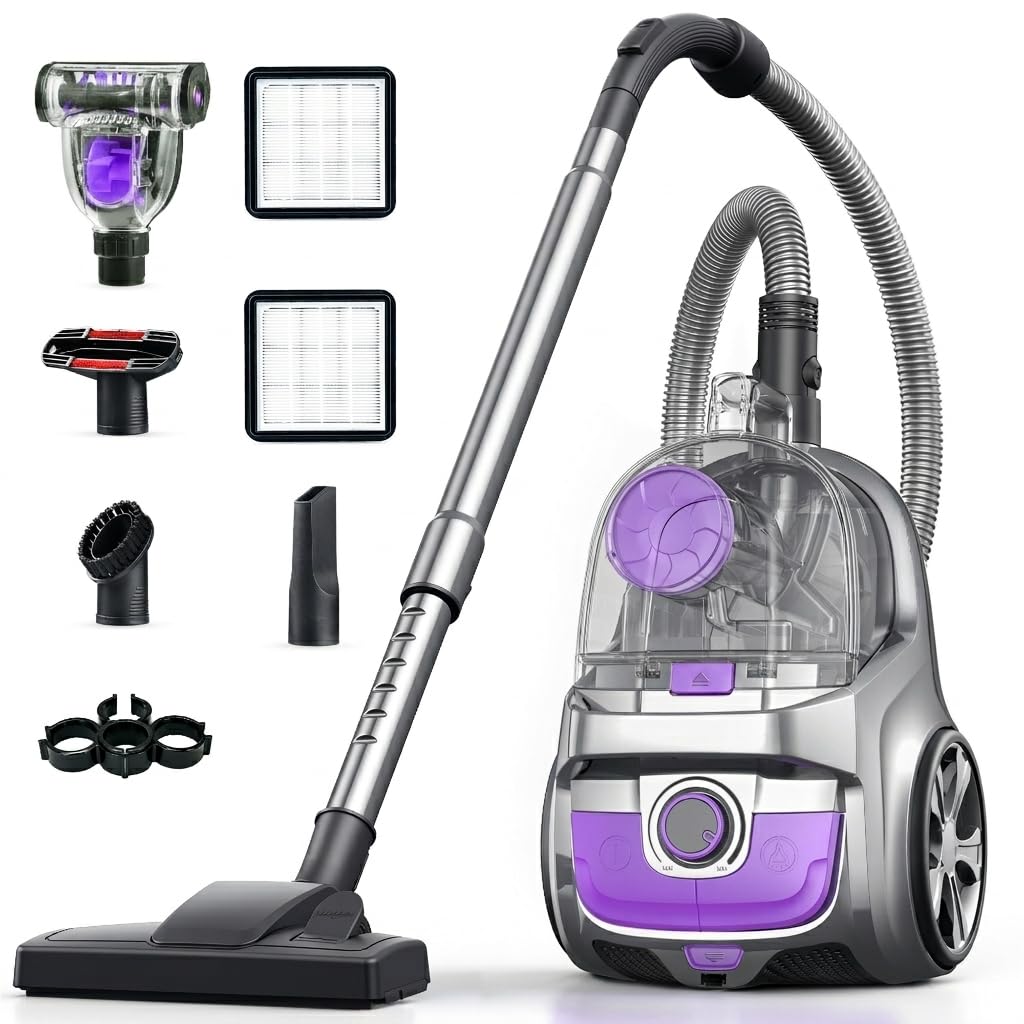
Our Top 3 Picks at a Glance
Here is the short version. Each pick suits a different home, so think about your floors and how often you clean.
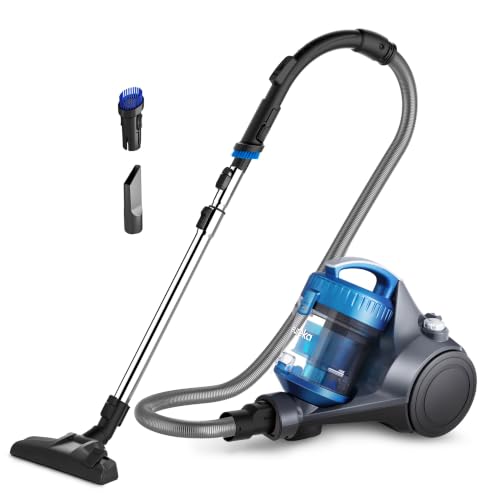
- Best Overall: Eureka WhirlWind Bagless Canister Vacuum NEN110A (around $80). Just over 8 pounds with a 2.5 liter dust container, washable filters and automatic cord rewind.
- Best Premium Pick: Miele Boost CX1 Bagless Canister Vacuum (around $400). Vortex Technology, a Hygiene AirClean filter and four suction settings for hard floors and low pile carpet.
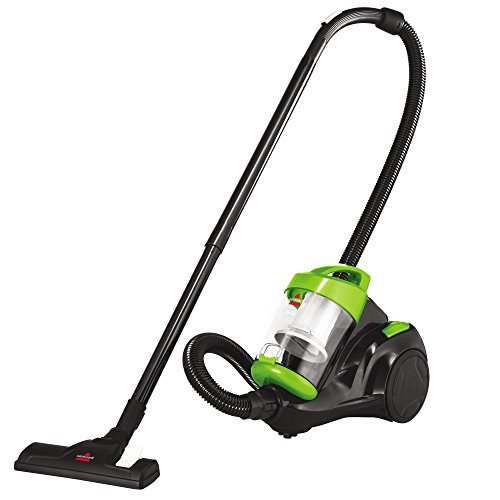
- Runner Up: Bissell Zing Bagless Canister Vacuum 2156A (around $90). Under eight pounds, a 2 liter dirt cup and a simple switch between carpet and hard floor cleaning.
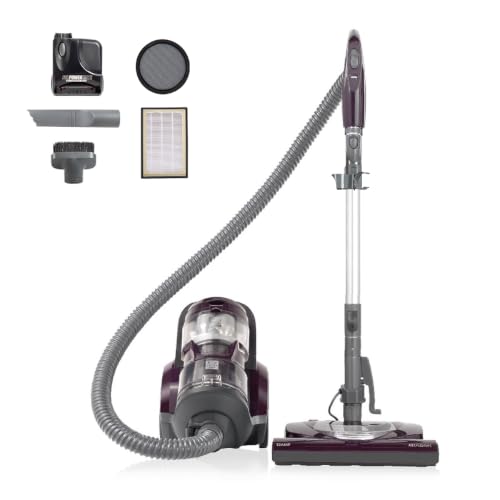
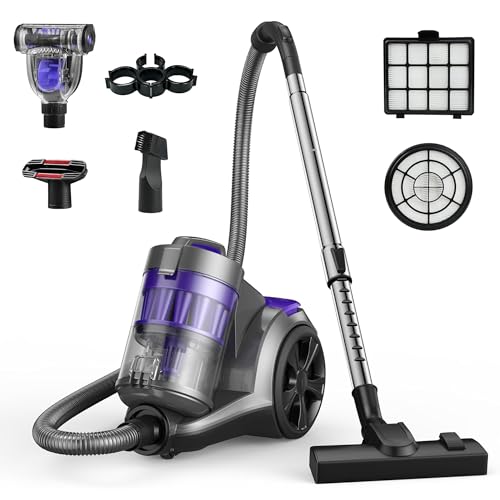
The product table above adds more options from Shark, Kenmore, Bissell, Prolux and Aspiron at different price points.
How We Chose the Best Bagless Canister Vacuum
We focused on how well each machine cleans the floors canisters handle best: hard floors, area rugs and low pile carpet. We looked at suction control, floor tools and filtration that keeps dust inside the machine. Owner feedback came next, and models that are well reviewed by a large base of buyers ranked higher. Finally, we weighed price against features such as dust cup capacity, cord length, weight and warranty, and confirmed that each pick is a current model in stock on amazon.com.
Bagless Canister Vacuum Reviews
1. Eureka WhirlWind Bagless Canister Vacuum NEN110A: Best Overall
- Weight: about 8.15 pounds
- Dust container: 2.5 liters, bagless
- Filters: washable
- Power: 960 watts with airflow control on the handle
- Tools: crevice tool integrated into the hose handle, dusting brush, telescoping metal wand
- Convenience: automatic cord rewind, one button dust cup release
Why We Picked It
The Eureka WhirlWind proves a good bagless canister does not have to be expensive. It weighs just over 8 pounds, so you can carry it upstairs with one hand, and its swivel steering lets it follow you around furniture without tipping. For an ultra budget light canister aimed at hard floors, it hits every basic need.
Going bagless is the whole point here. The 2.5 liter dust container is roomy for a machine this size, and it releases with one button so emptying takes seconds. The filters are washable, which means you skip both bags and replacement filters. Over a few years, that adds up to real savings compared with bagged models.
Small details make daily use easier. An airflow control sits right on the handle, so you can turn suction down for curtains or up for rugs without bending over. The crevice tool is built into the hose handle and the dusting brush clips on, so neither gets lost in a drawer. The telescoping metal wand adjusts to your height, and automatic cord rewind makes cleanup quick.
It has limits. The 960 watt motor and simple floor tool are great on hard floors and thin rugs, but they will not pull deep dirt from plush carpet the way a powered brush roll can. The plastic body also feels lighter duty than premium canisters.
Even so, the value is hard to argue with. A large base of owners use it as a main vacuum in small homes or as a second machine kept upstairs, and the swivel steering and light body make it a favorite with people who find heavy uprights tiring to push.
Pros
- Very low price for a full size canister
- Light enough to carry up and down stairs
- No bags and washable filters
- Handy integrated crevice tool and cord rewind
Cons
- Weak on thick carpet
- Plastic build feels basic
Who Should Buy It
The Eureka is ideal for apartments, dorms and homes with mostly hard floors where light, frequent cleaning matters more than deep carpet power. At around $80, it is the easiest bagless canister to recommend.

2. Miele Boost CX1 Bagless Canister Vacuum: Best Premium Pick
- Separation: Vortex Technology bagless system
- Filtration: multistage with a Hygiene AirClean filter
- Suction: 4 settings on a rotary dial
- Floorhead: universal head for hard floors and low pile carpet
- Tools: upholstery nozzle, crevice nozzle, dusting brush
- Handling: side wheels with TrackDrive, Comfort telescopic wand
Why We Picked It
Miele has a strong reputation in canister vacuums, and the Boost CX1 brings that engineering to a bagless design. Its Vortex Technology spins incoming air to separate coarse soil from fine dust, while the multistage system with a Hygiene AirClean filter catches very small particles before air leaves the machine. It is our premium bagless canister for hard floors.
The four suction settings on a rotary dial matter more than they seem. Full power is right for rugs, while lower settings keep the floorhead from sticking to smooth floors and stop delicate drapes from being pulled into the nozzle. The universal floorhead covers hard floors and low pile carpet, and the included upholstery nozzle, crevice nozzle and dusting brush handle everything above the floor.
Handling is where the Boost CX1 feels different from cheaper canisters. The wheels sit on the sides, and TrackDrive helps the body follow you smoothly instead of bumping into door frames. The Comfort telescopic wand adjusts easily, and the compact body takes up little space in a closet.
The trade offs are price and the nature of bagless designs. At around $400 it costs several times more than budget models, and emptying any bagless bin releases some dust, so allergy sufferers should empty it outdoors or over a trash bag.
It is also worth being realistic about carpet. The universal floorhead handles low pile rugs and runners well, but homes with deep wall to wall carpet need a powered brush, which Miele offers on other models. For bare floors and light rugs, though, few bagless canisters feel this refined in daily use.
Pros
- Vortex system separates coarse and fine dust
- Four suction settings for different surfaces
- Smooth handling with TrackDrive wheels
- No bags to buy
Cons
- Pricey for a bagless canister
- Bin emptying can be dusty
Who Should Buy It
Choose the Miele if your home is mostly hardwood, tile and low rugs and you want premium build quality without ever buying bags again. It is a long term investment for careful owners.

3. Bissell Zing Bagless Canister Vacuum 2156A: Runner Up
- Weight: under 8 pounds
- Dirt cup: 2 liters, cyclonic action
- Motor: 9 amps
- Floors: switch between carpet and hard floor cleaning
- Filters: washable dirt cup filters and post motor filter
- Cord: 15 feet with push button rewind
Why We Picked It
The Bissell Zing is a budget canister for small homes that does the essentials well. It weighs under eight pounds and has an integrated carrying handle, so moving it from room to room or up a flight of stairs is easy. When you are done, it tucks into a closet corner without hogging space.
Its cyclonic action and 9 amp motor deliver solid suction for a canister this size, and a simple switch lets you move from carpet to hard floors. The 2 liter dirt cup holds a reasonable amount between empties. Dirt cup filters and a post motor filter capture fine dust, and both are washable and reusable, which keeps running costs close to zero.
The 15 foot cord is on the short side, but push button rewind makes it quick to put away. For small apartments, that is rarely a problem, and the overall simplicity is part of the appeal. There are no complex settings to learn and nothing to replace on a schedule.
Power is the main limitation. On medium or thick carpet it lacks the deep cleaning ability of a powered brush roll, and the 2 liter cup fills faster than larger models in homes with pets.
Think of it as a quick daily cleaner rather than a deep cleaning machine. Used that way, on kitchen tile, bathroom floors and the odd area rug, it keeps a small home tidy for very little money and leaves the budget free for other things.
Pros
- Low price from a well known brand
- Light with a built in carrying handle
- Compact and easy to store
- Washable, reusable filters
Cons
- Low power on carpet
- Small dirt cup and short cord
Who Should Buy It
The Bissell Zing suits renters, students and anyone with a small home and mostly hard floors who wants a simple, affordable canister. At around $90, it is a reliable runner up.
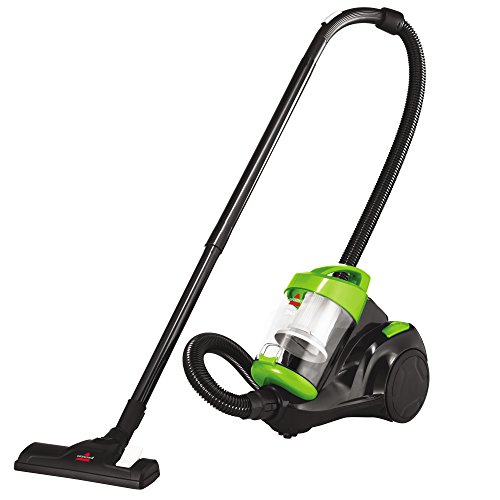
Bagless Design: Pros and Cons
Bagless canisters save money and hassle, but they ask a little more of you at emptying time. Here is how the trade off works in practice.
Running costs
The biggest advantage is cost. You never buy bags, and many bagless models use washable filters, so ongoing expenses are close to zero. You can also see when the bin is full, which helps you keep suction strong.
Hygiene when emptying
Emptying a bin releases a small cloud of dust. Empty it outdoors or deep inside a trash bag, and do it often rather than waiting until the cup is packed. People with severe allergies may prefer a sealed bag, which traps dust completely.
Filter care
Bagless machines depend on clean filters. Rinse washable filters as the manual suggests and let them dry fully, usually a full day, before reinstalling. A clogged filter is the most common reason a bagless vacuum seems to lose suction. Tapping the filter over a trash can between washes also helps, and keeping a spare on hand means you never have to vacuum while one dries. If a filter is torn or warped, replace it rather than washing it again.
How to Choose the Best Bagless Canister Vacuum
Canisters vary more than they appear. Use these points to narrow the field to the best bagless canister vacuum for your floors and budget.
Suction Power and Airflow
Watts and amps give a rough guide, but airflow and suction control matter more. Adjustable suction, either on the handle or a dial, lets you clean rugs at full power and delicate surfaces gently.
Floor Types and Brush Roll Options
Straight suction canisters with a simple floor tool excel on hard floors. If you have a lot of carpet, look for a model with a powered or turbo brush roll, or see our picks for the best canister vacuum, which include carpet focused machines. Homes with dark wood should also check our guide to the best canister vacuum for hardwood floors.
Bagged vs Bagless
Bagged canisters hold more dirt and keep dust sealed away, while bagless models save money and let you see the dirt. If you share a home with allergy sufferers or heavy shedding pets, compare both. Our list of the best canister vacuum for pet hair covers both styles.
Filtration and Sealed System (HEPA)
A good filter only helps if the machine is sealed so air cannot leak around it. Look for HEPA or multistage filtration, and check whether filters are washable or need replacement.
Weight and Maneuverability
Most canisters weigh 8 to 12 pounds. Lighter bodies are easier on stairs, and large wheels or swivel steering help the body follow you without snagging.
Cord Length or Battery Runtime
Nearly all canisters are corded. A longer cord, or a larger cleaning radius, means fewer outlet changes. Automatic or push button rewind makes storage faster.
Attachments and Above Floor Cleaning
Canisters shine above the floor. Look for a crevice tool, dusting brush and upholstery nozzle, plus a telescoping wand that reaches ceilings, vents and the tops of shelves.
FAQs About Bagless Canister Vacuums
How long does a canister vacuum last?
Budget canisters often last three to five years with regular use, while premium models from brands like Miele are built to last much longer. Lifespan depends on keeping filters clean, emptying the bin before it is packed, avoiding wet debris and checking the hose for clogs so the motor never runs hot.
Is a canister vacuum worth the money?
Yes, if your home has a lot of hard floors, stairs or furniture to clean around. Canisters are quieter than many uprights, the light wand reduces arm strain and the tools make above floor cleaning easy. Homes with wall to wall thick carpet may get more from an upright.
How much should I spend on a canister vacuum?
Budget bagless canisters cost around $80 to $150 and handle hard floors and rugs well. Midrange models with better tools run $200 to $350. Premium canisters with advanced filtration and handling cost $400 or more. Spend more if you clean daily or need strong carpet performance.
How do I maintain a canister vacuum?
Empty the bin after each session, rinse washable filters on schedule and let them dry completely. Check the hose and wand for clogs, wipe the floor tool and remove hair from any brush roll. Store the vacuum with the cord rewound and the hose loosely coiled to prevent cracks.
Final Verdict
For most homes, the Eureka WhirlWind NEN110A is the best bagless canister vacuum because it is light, inexpensive and genuinely bag free. The Bissell Zing is the value alternative for small spaces, while the Miele Boost CX1 is worth the premium if you want refined handling and filtration for hard floors. If you want to compare other vacuum styles first, see our overall picks for the best vacuum cleaner or our guide on where to buy a vacuum cleaner. Check today's price on Amazon, since canister deals change often.


