Best Central Vacuum Systems for Allergies (2026): 3 Top Rated Picks Worth Buying
Disclosure: We may earn a commission when you buy through links on this page, at no extra cost to you. As an Amazon Associate I earn from qualifying purchases. Learn more

OVO 750 Airwatts, Prolux CV12000 and Beam 475 are our best central vacuum system for allergies picks, with tips on bags, venting and airflow.
If dust, pollen or pet dander leaves you sneezing after every cleaning session, the vacuum itself may be part of the problem. Portable vacuums can blow fine particles back into the room through leaky seals and exhaust ports. The best central vacuum system for allergies moves the motor and the dirt container out of your living space, usually to a garage or basement, so the dust you pick up stays far away from the air you breathe. We compared airflow, filtration style, capacity, owner feedback on Amazon, expert opinion and price against value to choose our picks.
Our three picks are the OVO 750 Airwatts hybrid unit for most homes, the Prolux CV12000 for buyers who want a long service promise, and the Beam 475 as a premium hybrid bagged or bagless system with a 10 year warranty.




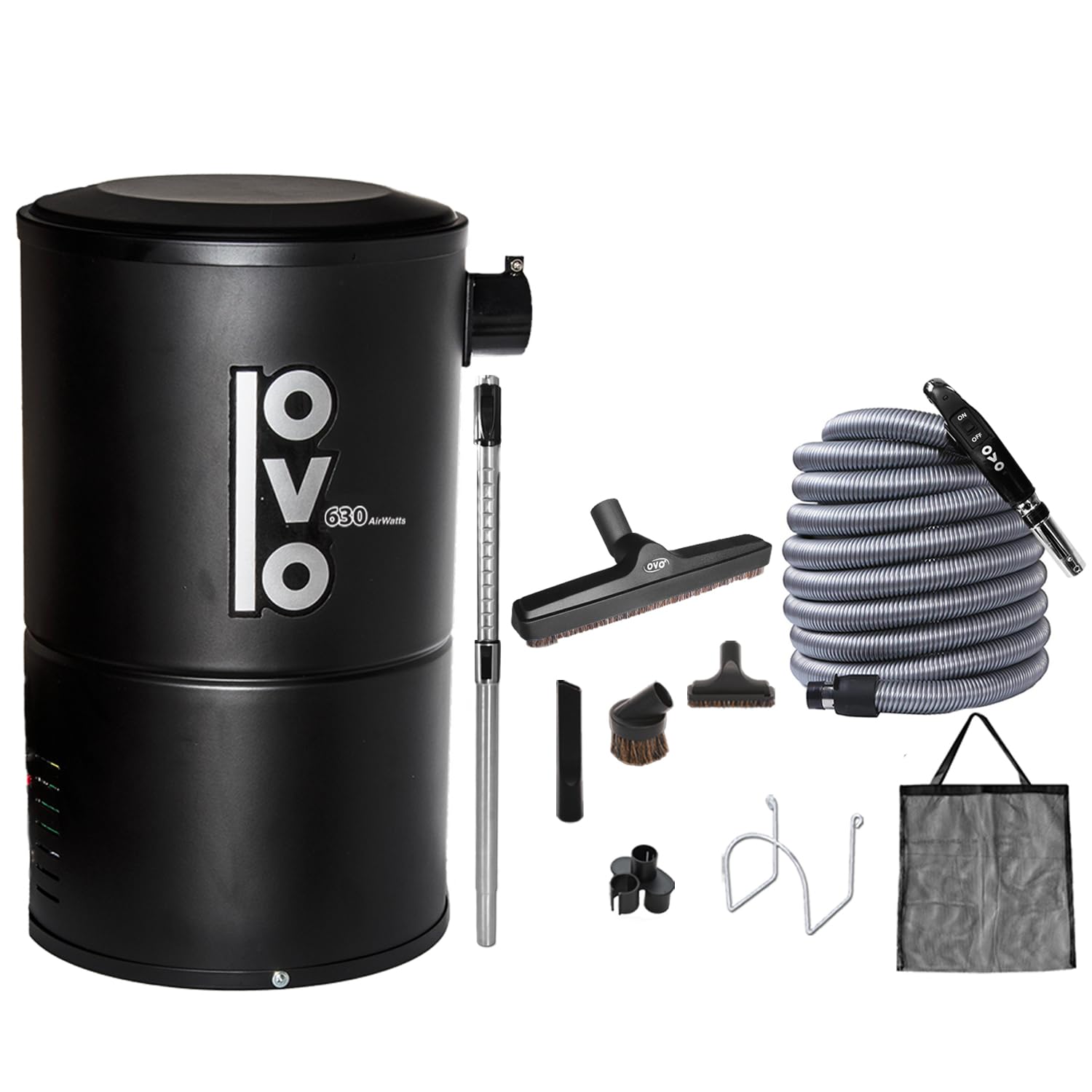

Our Top 3 Picks at a Glance
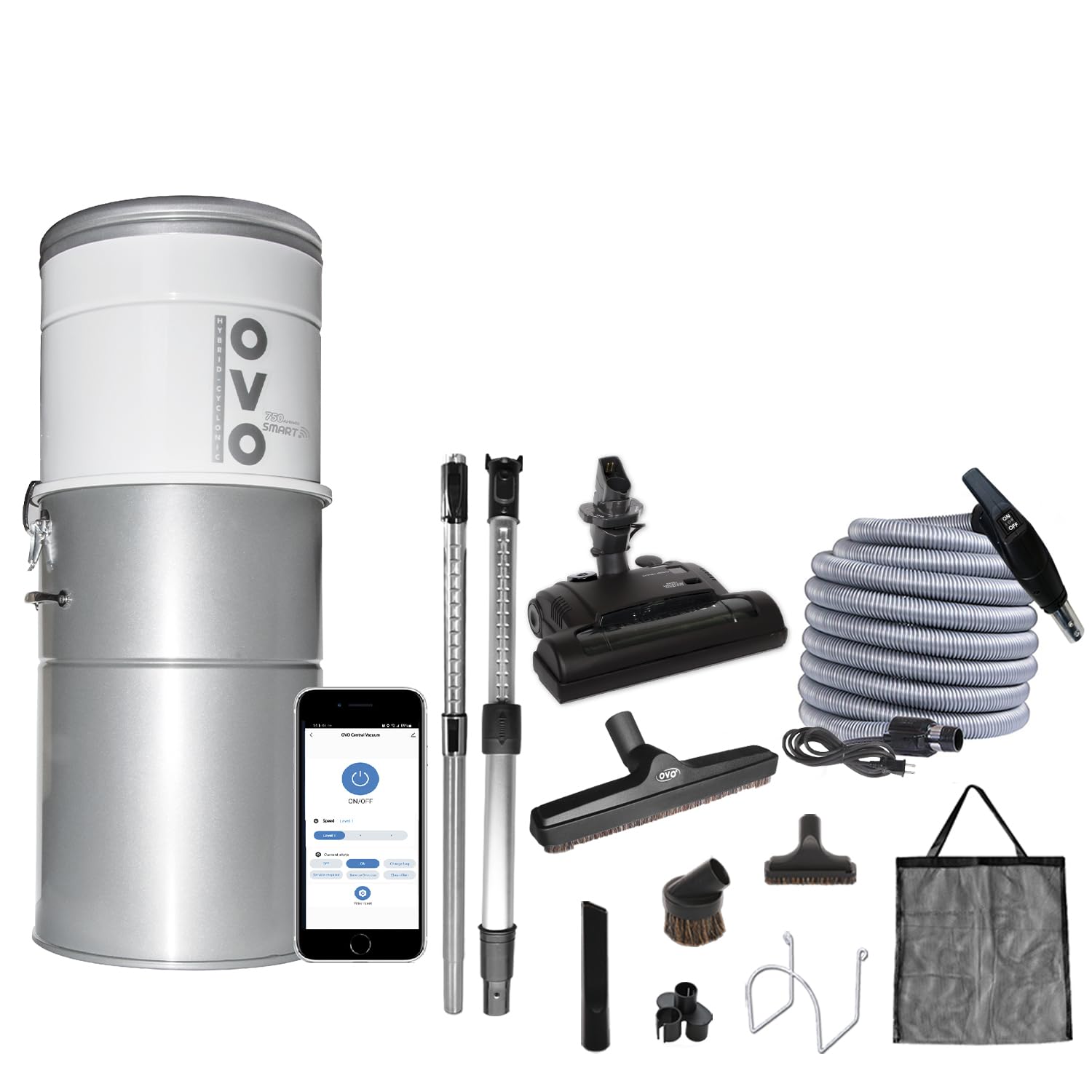
- Best Overall: OVO 750 Airwatts Hybrid Central Vacuum, 25L (around $550). Strong airflow and the choice of running with or without disposable bags.
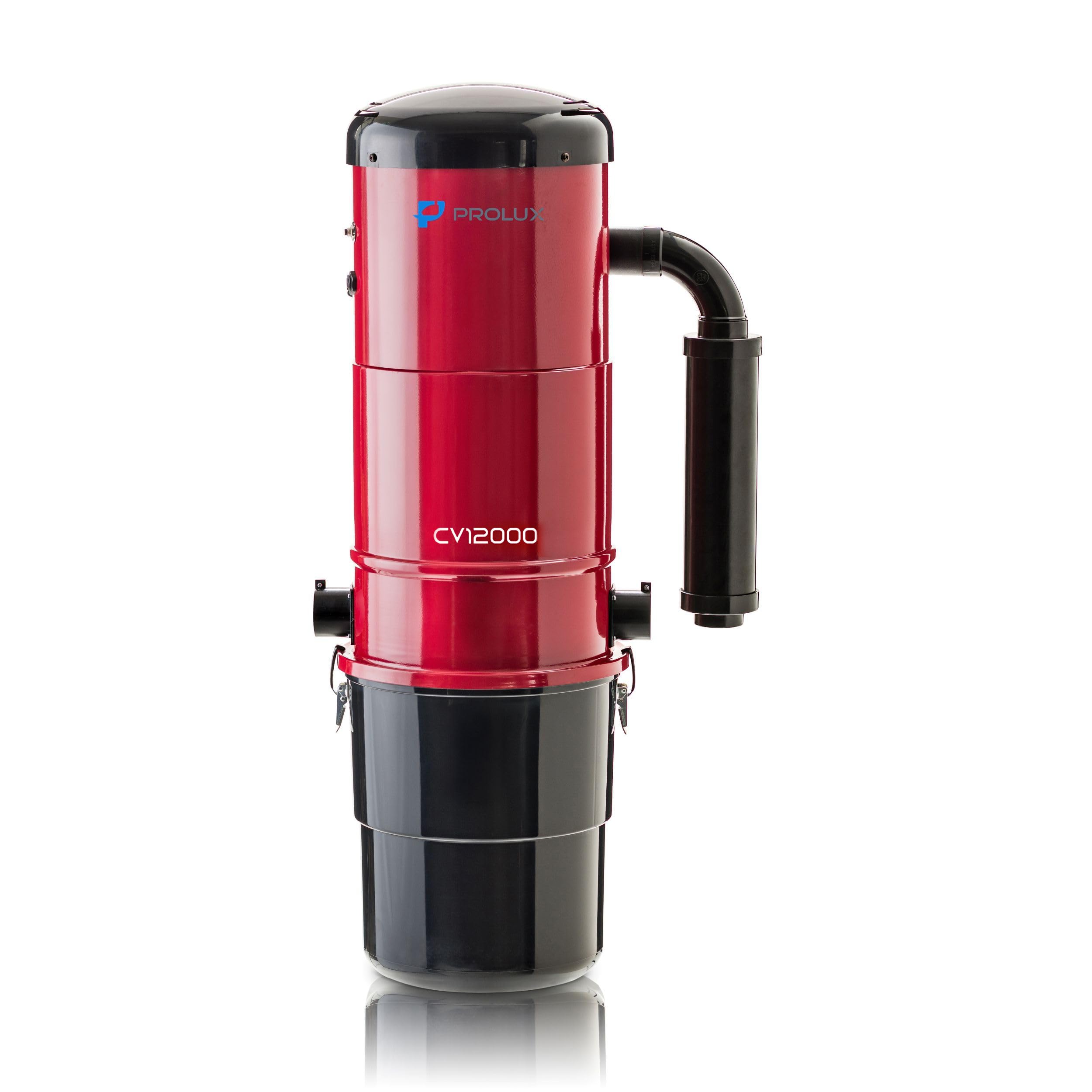
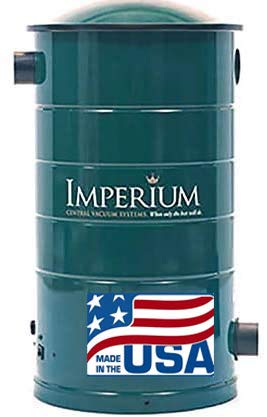
- Runner Up: Prolux CV12000 (around $600). A two stage bypass motor, a no suction loss design and a 25 year service promise.
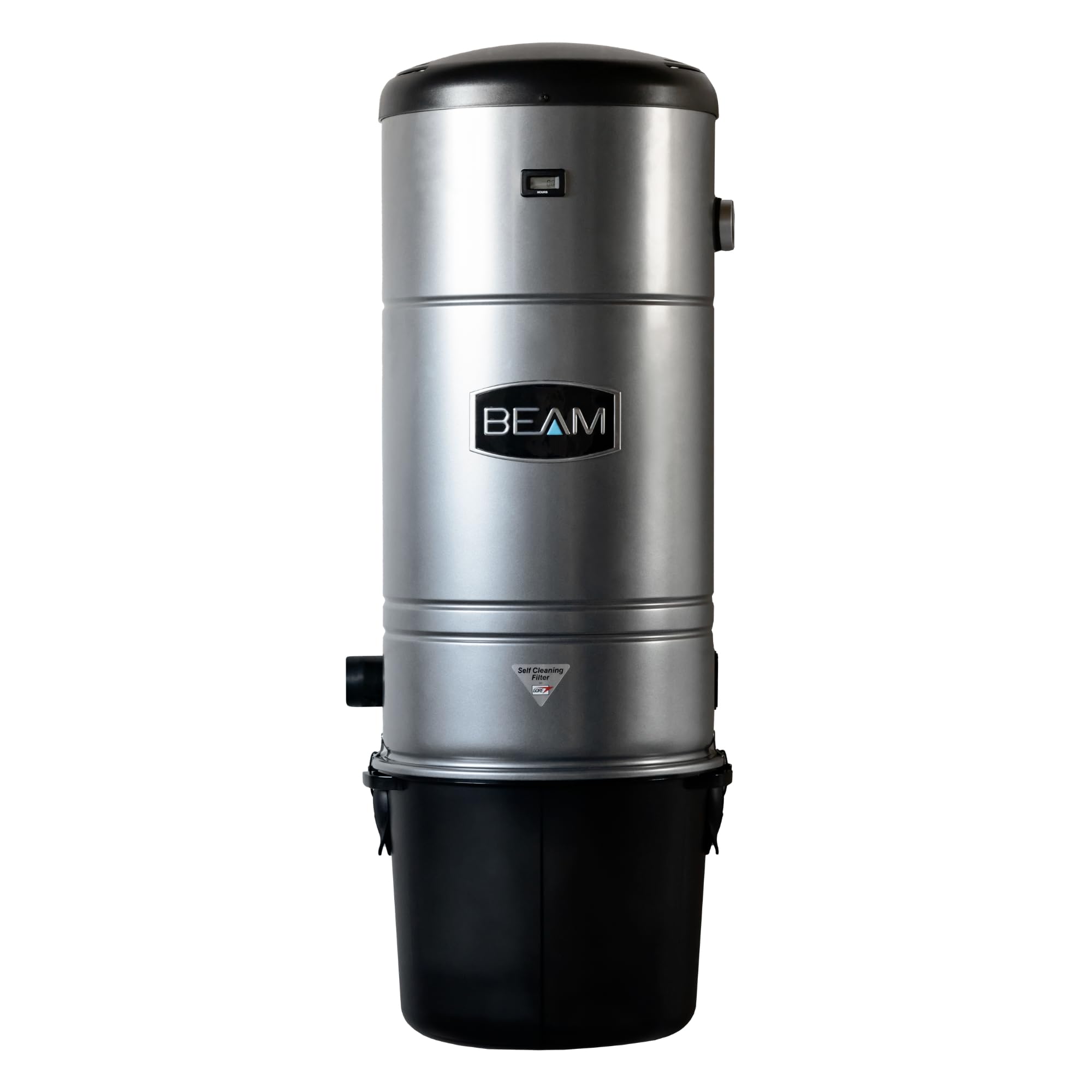
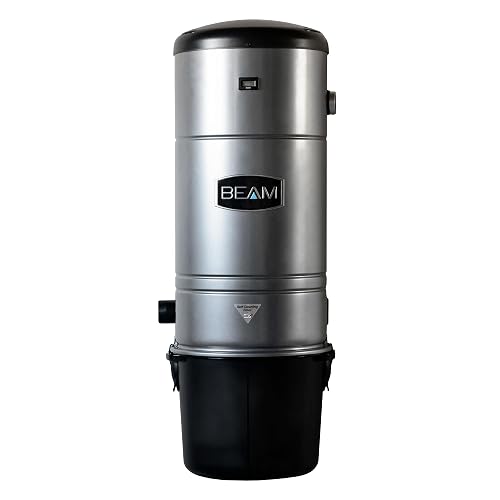
- Best Premium Pick: Beam 475 (around $1,265). 659 air watts, hybrid bagged or bagless filtration and coverage up to 4,500 square feet.
How We Chose the Best Central Vacuum System for Allergies
Every pick is a central vacuum power unit sold new and in stock on amazon.com. For allergy sufferers we weighted filtration options first, especially the ability to use sealed disposable bags, then airflow, coverage, capacity and warranty. We also considered owner feedback and review volume, price against features and how established each brand is for parts and service.
Central Vacuum System for Allergies Reviews
1. OVO 750 Airwatts Hybrid Central Vacuum System, 25L: Best Overall
- 750 air watts of suction
- Hybrid filtration: run with or without disposable bags
- 25 liter (6.6 gallon) dirt capacity
- Bottom load dust bin for easier emptying
- Heavy duty power unit for whole house use
Why We Picked It
The hybrid design is what makes this OVO unit a strong choice for allergy sufferers. You can run it bagless to save money, or drop in a disposable bag so dust is sealed away when you empty it. For anyone sensitive to dust, the bag option is the one to use: you lift out a closed bag instead of tipping an open bin of fine particles into the trash.
With 750 air watts, it has plenty of power to pull dust and dander through long pipe runs to the unit, and the 25 liter capacity means you will not be emptying it often in a typical home. The bottom load bin keeps that job simple. Because the power unit lives in a garage, utility room or basement, the noise and exhaust stay away from your living space. OVO sells many variations of this unit, so make sure you choose the size and accessory kit that fits your home.
Pros
- Bagged or bagless operation
- Strong airflow for whole house use
- Good value for a 750 air watt unit
Cons
- Hose and accessory kit may cost extra depending on the version
- Requires installed piping and inlets
Who Should Buy It
Choose this OVO unit if you want strong suction and the flexibility to run with sealed bags during allergy season. At around $550 it is a sensible choice for homes that already have central vacuum piping or are adding it.

2. Prolux CV12000 Central Vacuum: Runner Up
- Two stage bypass motor
- No suction loss design
- Large capacity collection
- 25 year service promise
- Made in North America
Why We Picked It
The Prolux CV12000 is built for owners who want to install a system once and keep it for decades. Its two stage bypass motor is the type commonly used in central vacuums because the motor is cooled by separate air rather than by the dirty air stream, which helps it run reliably. The no suction loss design is meant to keep performance steady as the container fills.
For allergy sufferers, the key benefit is the same as with any central system: the dust ends up in a large container far from your bedrooms and living room. The 25 year service promise from Prolux offers real peace of mind on a product you will use every week. It is a straightforward, durable unit rather than a feature packed one.
Pros
- Long 25 year service promise
- Two stage bypass motor
- Large capacity for less frequent emptying
Cons
- Basic feature set compared with smart units
- Installation and accessories cost extra
Who Should Buy It
Pick the CV12000 if you value durability and a long service promise above extra features. At around $600 it suits homeowners planning to stay put for many years.

3. Beam 475 Central Vacuum System: Best Premium Pick
- 659 air watts and 135 CFM airflow
- Hybrid bagged or bagless filtration
- Covers homes up to 4,500 square feet
- 120V power unit
- 10 year warranty
Why We Picked It
Beam is one of the best known names in central vacuums, and the 475 brings hybrid filtration with strong airflow and a 10 year warranty. For allergy sufferers, the hybrid design is again the main appeal: use a bag to keep fine dust sealed when you empty it, or switch to bagless when that suits you better.
Its 135 CFM airflow rating matters as much as air watts, since airflow is what carries light particles like pollen and dander through the pipes. Coverage up to 4,500 square feet makes it a good fit for larger family homes, and it runs on a standard 120V circuit. It costs more than the other two picks, but you get an established brand, strong specs and long warranty support.
Pros
- Trusted central vacuum brand
- Hybrid bagged or bagless filtration
- 10 year warranty
Cons
- Very expensive
- New listing with few owner reviews so far
Who Should Buy It
Buy the Beam 475 if you have a larger home, want a premium brand and plan to use sealed bags for allergy control. At around $1,265 it is a long term investment.
What Allergy Sufferers Should Look for in a Central Vacuum System
True HEPA vs HEPA type filters
True HEPA filters are tested to capture tiny particles, while "HEPA type" filters only resemble them. In a central system the biggest win comes from removing dust from living spaces, but a high quality filter or bag still matters if the unit vents indoors.
Sealed systems that stop leaks
Check that the power unit, inlets and pipe joints seal well. When the unit vents outdoors, even the finest dust that escapes the filter leaves the house entirely, which is a major advantage over portable vacuums.
Hygienic emptying and bagged options
Emptying an open bin can release a cloud of dust. Bagged or hybrid units let you remove a sealed bag instead. If someone without allergies can handle emptying, even better. Wearing a simple dust mask while changing bags or filters adds one more layer of protection.
How to Choose the Best Central Vacuum System for Allergies
If you are still asking which central vacuum system is best for allergies, focus on these six points.
Power Unit Suction and Airflow
Air watts combine suction and airflow into one figure, while CFM measures airflow alone. Both matter: airflow carries light dust and pollen, and suction lifts debris from carpets. Longer pipe runs and larger homes need more of both.
Coverage Area and Number of Inlets
Match the unit's coverage rating to your home's size and the number of inlets. A larger home with long runs needs a stronger unit. For big houses, compare our list of the best central vacuum system for large homes.
Filtration: Cyclonic, Bagged or Filtered
Cyclonic units spin dirt out of the air and often vent outside. Bagged units seal dust for the cleanest emptying. Filtered units trap dust with a cartridge. For allergies, bagged or hybrid units with an outdoor vent are hard to beat, and they also suit the best central vacuum system for dust control in older homes.
Installation Requirements
Existing homes may already have piping. New installs need pipe runs, inlets and a location for the power unit, usually a garage or basement. Many homeowners hire a professional, so budget for installation along with the unit. Retrofits are easiest in homes with an unfinished basement or attic, where pipes can run between floors without opening finished walls.
Hose Length and Accessories
A 30 to 40 foot hose covers most rooms from one inlet. Powered brush heads clean carpet more deeply, which helps remove embedded allergens. Check whether a hose kit is included or sold separately.
Noise and Venting
Because the motor sits far from living areas, central vacuums are much quieter where you clean. Venting outdoors removes fine dust entirely, which is ideal for pollen and dander sufferers. If you are shopping for the best central vacuum system for pollen, an outdoor vent is the single most useful feature, since even the smallest grains leave the house instead of settling on furniture.
FAQs About Central Vacuum Systems for Allergies
Can a central vacuum system help with allergies?
Yes. A central vacuum keeps the motor and collected dust away from your living space, and when vented outdoors it removes fine particles from the home entirely. That makes it a good choice for people with dust, pollen or pet dander allergies, especially when paired with sealed bags and regular cleaning.
How long does a central vacuum system last?
Central vacuum power units are built for long service and commonly last many years, often well beyond a typical portable vacuum. Some brands back their units with warranties or service promises of 10 to 25 years. Motor brushes may need replacing at some point.
Is a central vacuum system worth the money?
For allergy sufferers and larger homes, often yes. You get strong suction, quieter cleaning and less dust in the air. The upfront cost, including installation, is higher than a portable vacuum, but the system can serve the home for many years.
How much should I spend on a central vacuum system?
Power units range from around $300 for compact models to around $1,300 or more for premium brands. Add the cost of a hose kit and, for new installs, piping and labor. Most allergy focused buyers do well with a unit around $500 to $800.
How do I maintain a central vacuum system?
Empty the container or replace the bag before it is full, clean or replace filters as directed, and check inlets and pipes for clogs. Inspect the hose for wear, and have the motor serviced if suction drops noticeably.
Final Verdict
The OVO 750 Airwatts hybrid unit is the best central vacuum system for allergies for most homes, with strong airflow and optional sealed bags. The Prolux CV12000 offers a long service promise, and the Beam 475 is the premium choice. See our full best central vacuum system list, best central vacuum system for pet hair picks, the best vacuum cleaner guide and where to buy a vacuum cleaner, then check today's price.