
3 Best Garden Gloves for Backyards for 2026 (Compared and Ranked)
Disclosure: We may earn a commission when you buy through links on this page, at no extra cost to you. As an Amazon Associate I earn from qualifying purchases. Learn more
Leather, bamboo knit and crinkle grip gloves for everyday yard work: our picks for the best garden gloves for backyards.
Backyard work is hard on bare hands: blisters from the shovel handle, splinters from mulch, scratches from shrubs and that grime under your nails that never quite washes out. Many new gardeners grab whatever cheap cotton pair is by the door, then find it soaked through after ten minutes of weeding. The best garden gloves for backyards protect your hands from dirt, water and scrapes while still letting you feel a seed packet or pull a stubborn weed. We picked these gloves by comparing materials, verified owner feedback on Amazon, expert advice and price against value.
Our three picks are the Wells Lamont Women's HydraHyde gardening gloves for most yard work, the Bellingham Bamboo Gardener gloves for comfort and dexterity, and the SHOWA Atlas 300 as a cheap, grippy everyday glove.





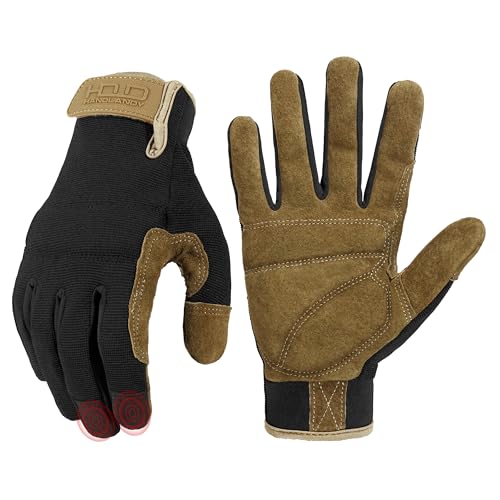

Our Top 3 Picks at a Glance
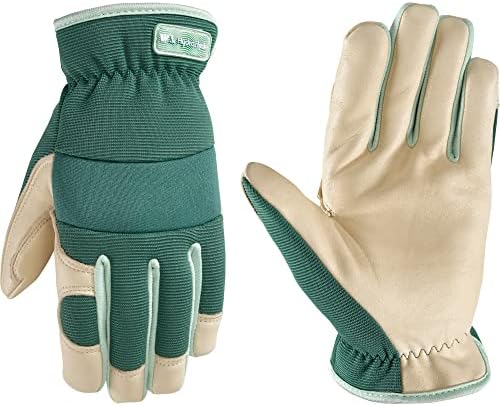
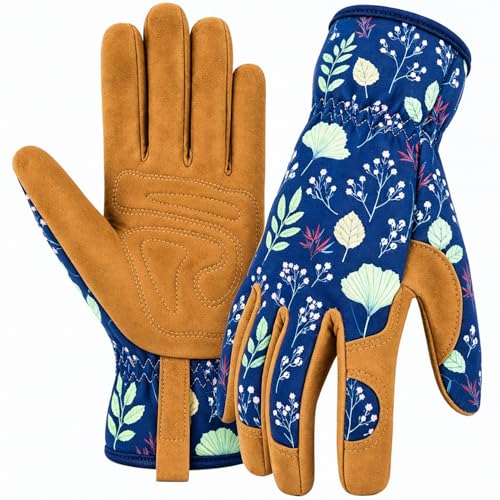
- Best Overall: Wells Lamont Women's HydraHyde Gardening Gloves 3249 (around $18). Water resistant leather palms, reinforced fingertips and a neoprene knuckle.
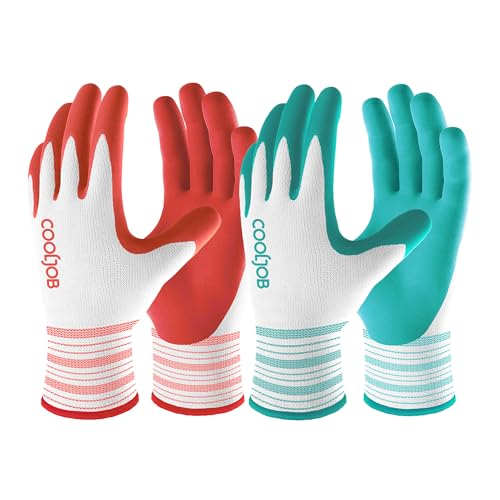
- Runner Up: Bellingham C5371 The Bamboo Gardener Gloves (around $10). A breathable bamboo rayon knit with a nitrile coated palm and fingers.
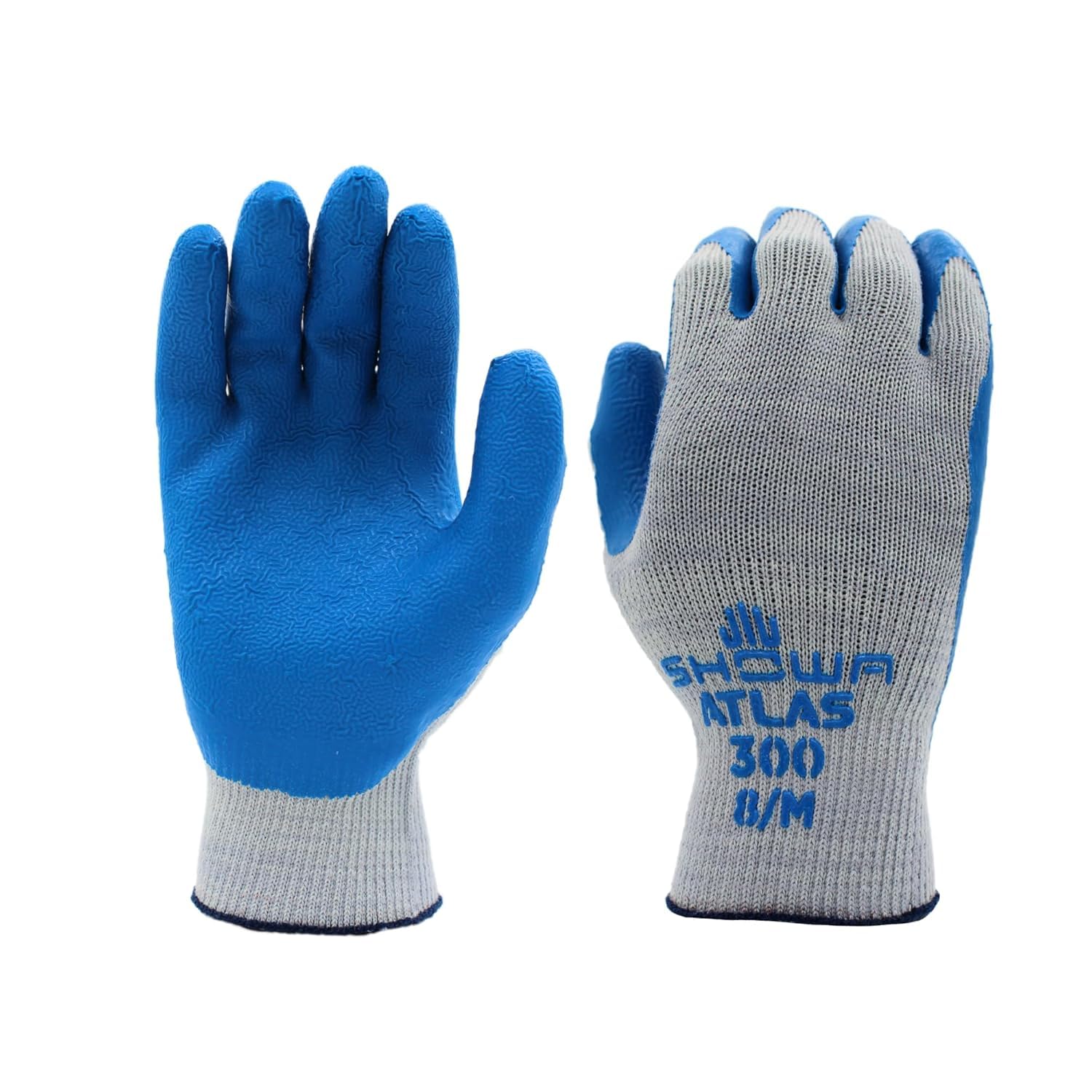
- Best Value: SHOWA Atlas 300 Crinkle Grip Gloves (around $5). A classic crinkle grip glove built for landscaping and gardening.
How We Chose the Best Garden Gloves for Backyards
Every glove here is sold new and in stock on amazon.com. We compared materials, grip, water resistance and comfort for typical yard jobs such as weeding, planting, raking and hauling. Then we weighed owner feedback, review volume and price, favoring gloves that suit beginners and everyday homeowners.
Garden Gloves for Backyards Reviews
1. Wells Lamont Women's HydraHyde Gardening Gloves 3249: Best Overall
- HydraHyde leather palm treated to be water resistant and breathable
- Water resistant spandex back that wicks moisture
- Fingertips reinforced with cowhide leather
- Neoprene knuckle for comfort and dexterity
- Slip on design with an elastic wrist
Why We Picked It
These gloves balance protection and feel better than most. The HydraHyde leather palm is treated to resist water and stay soft and supple, so it does not dry stiff after a damp morning in the beds. That makes it a great glove for digging, shoveling and pushing a wheelbarrow, where bare skin quickly blisters.
Wells Lamont reinforced the fingertips with cowhide, which is where garden gloves usually wear through first. A water resistant spandex back wicks moisture to keep hands comfortable, and the neoprene knuckle lets your fingers bend without bunching. The slip on elastic wrist makes them quick to pull on and off between jobs.
Pros
- Water resistant leather palm stays supple
- Reinforced fingertips for durability
- Comfortable stretch back and knuckle
Cons
- Women's sizing; men need the men's version
- Short cuff leaves wrists exposed to thorns
Who Should Buy It
Choose these Wells Lamont gloves if you want one durable pair for digging, planting and general backyard chores at around $18.

2. Bellingham C5371 The Bamboo Gardener Gloves: Runner Up
- Knit made with sustainable bamboo rayon fiber
- Durable nitrile coating on the palm and fingers
- Breathable, uncoated back
- Sold in multiple sizes
Why We Picked It
For hours of weeding, transplanting seedlings or deadheading flowers, thin coated gloves beat leather. The Bellingham Bamboo Gardener uses a bamboo rayon knit that feels soft and breathes well, with a durable nitrile coating on the palm and fingers for grip on wet tools and pots.
The thin build gives excellent dexterity, so you can tie plant twine or pick up small seeds without taking the gloves off. They are a strong choice for older gardeners who want comfort over long sessions, and for anyone who finds leather gloves hot and clumsy.
Pros
- Thin and dexterous
- Secure grip from the nitrile coating
- Comfortable for long sessions
Cons
- Light protection only, not thorn proof
- Fit runs snug for some hands
Who Should Buy It
Pick the Bellingham gloves if most of your yard work is weeding and planting and you value comfort and feel, at around $10.

3. SHOWA Atlas 300 Crinkle Grip Gloves: Best Value
- Original crinkle grip palm design
- Made for construction, landscaping, gardening and masonry
- Latex palm dipped knit
- Very low price per pair
Why We Picked It
The SHOWA Atlas 300 is a long running work glove favorite, and its crinkle grip palm holds onto wet hose ends, muddy pots and slick tool handles. It is built for landscaping and masonry as well as gardening, so it shrugs off rough tasks like hauling stones or spreading mulch.
The price is the clincher. At around $5 a pair, you can keep several pairs around the yard, toss a muddy pair in the wash and grab a fresh one. For beginners who are not sure what style they like yet, it is an easy place to start.
Pros
- Excellent wet grip
- Flexible fit
- Very cheap
Cons
- Not chemical proof
- Latex is not suitable for people with latex allergies
Who Should Buy It
Buy the SHOWA Atlas 300 if you want a cheap, grippy glove for everyday weeding, planting and hauling.

What First Time Buyers and Homeowners Should Know
Simple fit and sizing
Gloves that are too big slip and blister, while tight ones tire your hands. Measure around your palm and follow the maker's size chart. Getting the size right matters more than the brand when you shop for the best garden gloves for beginners.
Right protection for typical yard jobs
Coated knit gloves suit weeding and planting, leather gloves suit digging and hauling, and long gauntlets suit roses and brambles. Many homeowners keep one of each. Matching the glove to the job means less sweat on easy tasks and real protection when you need it, and it makes every pair last longer.
Care you can handle yourself
Knock off dirt after use, let gloves dry flat and wash coated gloves as directed. Leather lasts longer when it dries slowly, away from heaters. Store gloves in a dry spot out of the sun, and turn them cuff down so spiders and insects cannot settle inside.
How to Choose the Best Garden Gloves for Backyards
Material: Leather, Nitrile or Fabric
Leather gloves protect best for rough work, nitrile coating adds grip and water resistance to thin knits, and fabric gloves keep hands clean during light tasks. For a wider comparison of gardening gloves, see our guide to the best garden gloves.
Thorn and Puncture Resistance
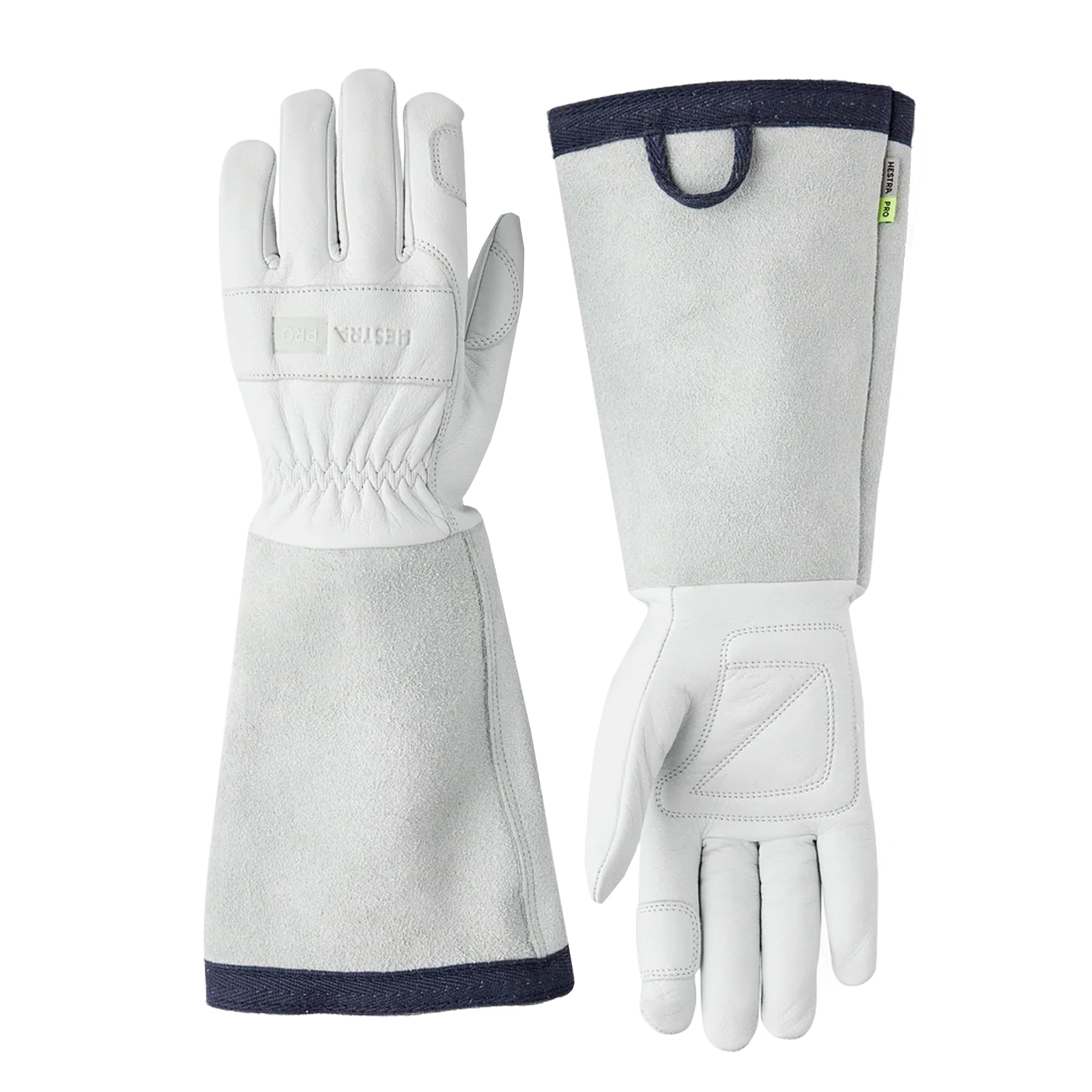
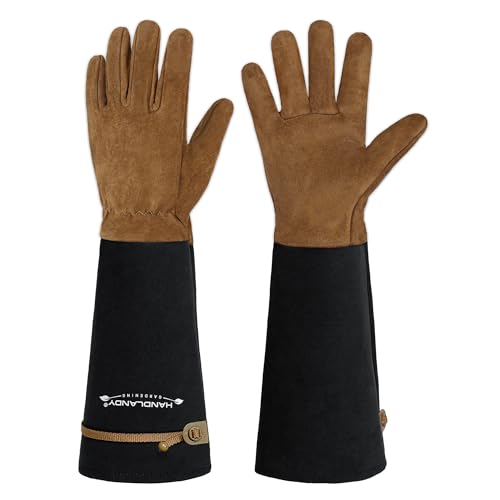
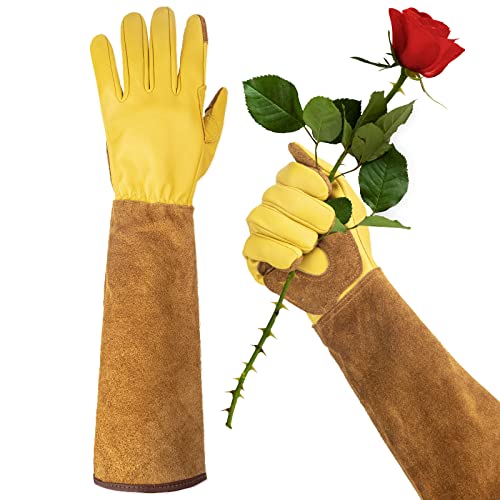
If you prune roses or clear brambles, look for thorn proof leather with long cuffs. Thin coated gloves will not stop thorns. Leather thickness and the cuff both matter, since most scratches happen on the wrist and forearm as you reach into a shrub. Keep a dedicated pair for pruning so your everyday gloves stay light and comfortable.
Grip and Dexterity
Good grip matters on wet tools, while dexterity matters for seeds and twine. Thin coated gloves win on feel, while leather gives up some sensitivity in exchange for protection. A snug fit at the fingertips helps either type. For pulling weeds, compare our list of the best garden gloves for weeds.
Breathability and Water Resistance
Breathable backs keep hands cool in summer, while water resistant palms help in wet soil. The best garden gloves for homeowners usually combine both. Our guide on how to choose garden gloves explains the tradeoffs in more detail.
Cuff Length
Short cuffs are cool and easy, while long gauntlets protect your forearms from thorns and debris. Older gardeners may prefer easy on designs; see the best garden gloves for seniors.
FAQs About Garden Gloves for Backyards
Are garden gloves good for beginners?
Yes. Garden gloves protect beginners from blisters, splinters and scratches while they learn. Start with an inexpensive coated pair for weeding and planting, then add leather gloves for digging if you need them. Buying a multi pack of a basic style is a low cost way to learn what you like.
How long do garden gloves last?
It depends on use and material. Coated knit gloves can wear out in a season of heavy weeding, while leather gloves often last several seasons with care. Fingertips and the area between thumb and forefinger usually wear first, so check them before you handle thorny plants.
Are garden gloves worth the money?
Yes. A few dollars buys real protection from cuts, thorns, blisters and soil bacteria, and good gloves make yard work more comfortable. Comfortable hands also mean you garden longer and enjoy it more, which is the real payoff.
How much should I spend on garden gloves?
Coated knit gloves cost around $5 to $15, leather gardening gloves around $15 to $25, and long thorn proof gauntlets around $20 to $40.
How do I maintain garden gloves?
Shake out dirt, rinse coated gloves and air dry them. Let leather gloves dry slowly and condition them now and then. For tips on getting the most from them, read how to use garden gloves.
Final Verdict
The Wells Lamont Women's HydraHyde gloves are our best garden gloves for backyards thanks to water resistant leather palms and reinforced fingertips. The Bellingham Bamboo Gardener is the comfortable runner up, and the SHOWA Atlas 300 is the value pick for everyday chores. Check today's price on Amazon before you buy.


