
How to Use Garden Gloves: Simple Steps, Tips and Mistakes to Avoid
Disclosure: We may earn a commission when you buy through links on this page, at no extra cost to you. As an Amazon Associate I earn from qualifying purchases. Learn more
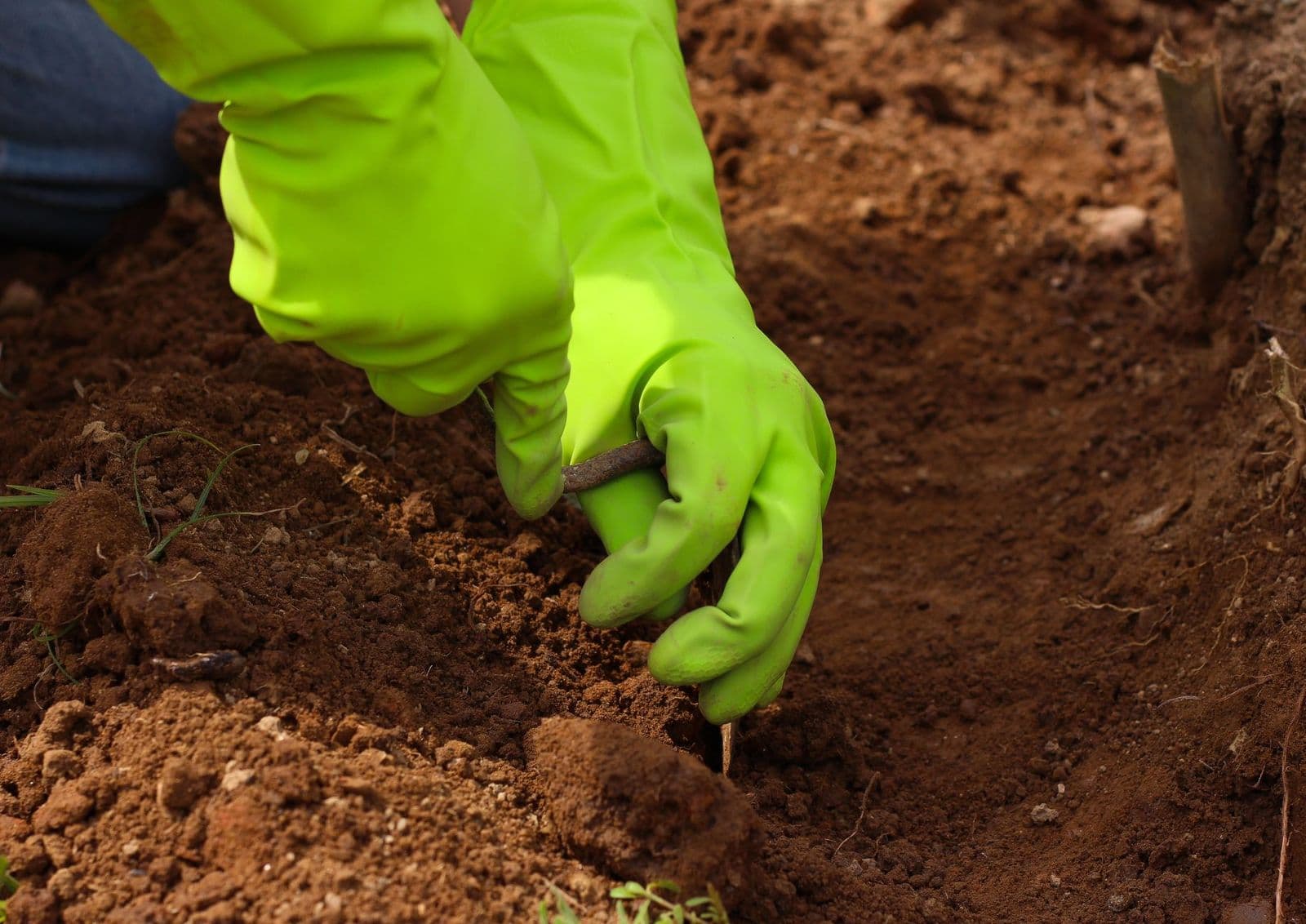
How to use garden gloves: choosing the right type, getting the fit right, cleaning, drying and knowing when to replace.
Learning how to use garden gloves well is simple: pick the right type for the task, check the gloves for holes before you start, pull them on fully so the fingers sit snugly, and change to a dry pair when they get soaked. Afterward, knock off the soil, rinse or brush them clean and let them dry in the shade so they stay soft and last for seasons instead of weeks.
The guide below walks through each step, plus cleaning, care and the common mistakes that turn good gloves into stiff, smelly rags.
Before You Start: Safety and Prep
Think about the job before you grab the nearest pair. Pruning roses or clearing brambles calls for thick leather or thorn resistant gloves with long cuffs, while potting up seedlings needs thin, flexible nitrile coated gloves. If you will handle fertilizer, weed killer or treated wood, choose chemical resistant gloves and follow the product label.
Wash and dry your hands first, and cover any cuts with a bandage so soil cannot get in. Trim long nails to avoid poking through the fingertips. Finally, check the weather: on hot days, breathable gloves prevent sweaty, slippery hands, and on cold or wet days, lined waterproof gloves keep your fingers working.
How to Use Garden Gloves Step by Step
Step 1: Pick the right gloves for the job
Match the glove to the task: nitrile coated knit gloves for planting and weeding, leather for pruning and hauling, gauntlets for thorny shrubs and waterproof gloves for mud and pond work. Keeping two or three pairs on hand saves you from forcing one glove to do everything.
Step 2: Check the condition before you start
Look for holes, worn fingertips, split seams and stiff, cracked leather. A small hole lets thorns and soil in and can grow quickly once you start working.
Step 3: Put them on properly and check the fit
Pull each glove all the way down so the fingertips meet your fingertips; loose ends reduce grip and catch on stems. Tuck knit cuffs under your sleeves or pull gauntlets over them, depending on whether you want to keep soil or thorns out.
Step 4: Work in manageable sections
Take short breaks to flex your hands, especially with thick leather gloves. If your gloves get soaked through, swap to a dry pair, since wet gloves cause blisters and lose grip on tool handles.
Step 5: Clean after use
Clap the gloves together or brush them to knock off loose soil before it dries hard. Rinse coated and fabric gloves if they are muddy.
Step 6: Store them dry
Hang gloves fingers up or clip them to a line in a shady, airy spot until fully dry. Never store damp gloves in a closed bucket or bag, where mold grows fast.
How to Clean and Maintain Garden Gloves
Regular care is what separates a pair that lasts a month from one that lasts years. The right routine depends on the material.
Rinse and dry after use
Rinse muddy nitrile and fabric gloves under cool water, squeeze out the excess and air dry them out of direct sun. For quick cleaning, wear them while you wash your hands so the soap reaches every finger.
Wash fabric and coated gloves
Every few weeks, hand wash coated and fabric gloves in cool water with mild soap. Many cotton gloves can go in a washing machine on a gentle cycle, but check the label first and avoid hot dryers, which can crack coatings.
Condition leather gloves
Brush dry soil off leather and wipe it with a damp cloth rather than soaking it. Once dry, rub in a small amount of leather conditioner to keep it supple and stop it from cracking.
Deal with odors and mildew
If gloves start to smell, wash them and dry them thoroughly in fresh air. Gloves with mold spots inside are best replaced, especially if you have allergies.
Store indoors
Keep clean, dry gloves in a shed, garage or mudroom, away from sunlight that breaks down coatings and dries out leather. A wall hook or basket keeps pairs together.
When to replace
Replace gloves when fingertips wear through, coatings peel, seams split or leather stays stiff after conditioning. Worn gloves no longer protect against thorns and splinters.
Pro Tips for Better Results
- Buy two pairs of your favorite style and rotate them so one is always dry.
- Write a size or name mark inside each cuff so pairs stay together.
- Use gauntlets with long cuffs for roses; the forearms take most of the scratches.
- Sprinkle a little baby powder inside snug gloves on hot days to make them easier to slip on.
- Keep a pair by the back door so you never skip gloves for a quick job.
When weeds are your main enemy, a nitrile coated pair with a good grip is hard to beat; our picks for the best garden gloves for weeds show strong options.
For heavy jobs like hauling brush, splitting kindling or moving stone, step up to leather work gloves even if you prefer thinner pairs for planting. Your hands will thank you at the end of the day, and the tougher material stands up to rough bark and sharp edges far longer than knit gloves.
Common Mistakes to Avoid
- Wearing thin knit gloves for thorny pruning jobs.
- Working in gloves that are too big, which reduces grip and control.
- Leaving wet gloves balled up in a bucket.
- Drying leather on a heater or in direct sun, which makes it brittle.
- Using the same gloves for chemicals and food crops without washing.
Most of these mistakes come from owning just one pair. A small rotation of the right types, kept clean and dry, avoids nearly all of them and keeps your hands protected all season.
Frequently Asked Questions
How often should I clean garden gloves?
Knock off soil after every use and rinse coated or fabric gloves whenever they get muddy. Give them a proper wash every few weeks during the growing season, and condition leather gloves a few times a year to keep them supple.
Can garden gloves go in the washing machine?
Cotton and many fabric gloves can be machine washed on a gentle cycle, while nitrile coated gloves usually do better with a hand wash. Most leather gloves should not be machine washed. Always check the care label first and air dry every pair.
Should garden gloves fit tightly?
They should fit snugly without pinching. Fingertips should reach the end of each glove finger, and you should be able to make a fist comfortably. Our guide on how to choose garden gloves explains sizing in more detail.
Final Thoughts
Knowing how to use garden gloves properly means choosing the right type, checking the fit, swapping out wet gloves and drying them well after every job. For more protection and comfort, see our picks for the best garden gloves or the best garden gloves for backyards.


