
How to Choose Garden Gloves: Expert Buying Guide and Checklist
Disclosure: We may earn a commission when you buy through links on this page, at no extra cost to you. As an Amazon Associate I earn from qualifying purchases. Learn more
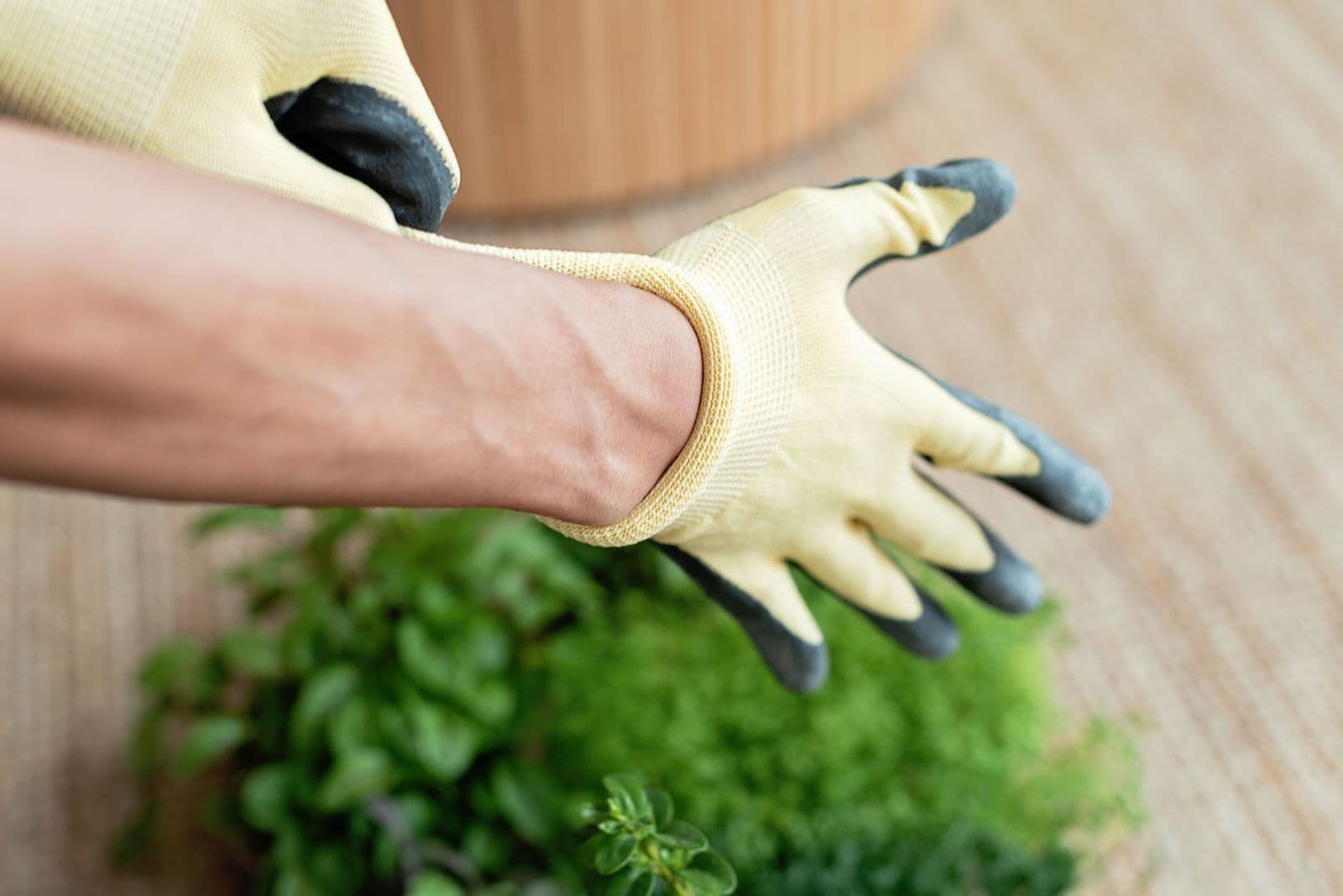
How to choose garden gloves: leather, nitrile or fabric, thorn protection, cuffs, sizing and prices explained simply.
If you are wondering how to choose garden gloves that actually work, start with the job: leather or thorn resistant gloves for roses and brambles, nitrile coated gloves for planting and weeding, and breathable fabric gloves for light summer chores. Then check the fit, because a glove that is too loose costs you grip and a glove that is too tight tires your hands within an hour.
This guide covers glove types, the features that matter, typical prices, sizing and the common mistakes that leave gardeners with blisters, scratches and soggy fingers.
What Are Garden Gloves and Do You Need Them?
Garden gloves are protective gloves made for outdoor work with soil, plants and tools. What are garden gloves used for in practice? They guard against thorns, splinters, blisters, sharp stones, irritating sap and the bacteria and fungi that live in soil and compost. They also improve your grip on wet tool handles. If you garden more than a few times a season, a good pair is one of the cheapest and most useful things you can buy.
Main Types of Garden Gloves
- Nitrile or latex coated knit gloves: stretchy, grippy and great for planting, weeding and potting. The best all round choice for most gardeners.
- Leather gloves: goatskin, cowhide or pigskin for pruning, hauling brush and handling rough materials.
- Thorn resistant gauntlets: long cuffs that protect forearms from roses, blackberries and holly.
- Cotton and fabric gloves: light and breathable for dry, easy tasks, but they soak through quickly.
- Waterproof gloves: fully coated or lined gloves for pond work, mud and cold, wet days.
How to Choose Garden Gloves: Key Features to Consider
Knowing what to look for in a pair of garden gloves comes down to six features. Match them to your most common tasks and the choice gets easy.
Material: Leather, Nitrile or Fabric
Leather is tough and puncture resistant but less nimble. Nitrile coatings grip well when wet and keep dirt out while staying flexible. Fabric gloves are comfortable and cheap but offer little protection from thorns or moisture.
Thorn and Puncture Resistance
For roses and brambles, choose thick leather or gloves sold as thorn or puncture resistant. Thin knit gloves will not stop a rose thorn, no matter how good they feel. Reinforced fingertips and palm patches are worth paying a little extra for, since those are the spots that wear through first.
Grip and Dexterity
Fine work like transplanting seedlings or tying stems needs thin, flexible fingers. Textured palms help you hold wet tools, pots and slippery weeds.
Breathability and Water Resistance
Breathable backs keep hands cooler in summer. Fully dipped gloves keep water out but get sweaty, so choose based on whether you face more mud or more heat.
Cuff Length
Standard wrist cuffs suit most jobs. Long gauntlet cuffs protect your forearms when you reach into shrubs, while snug knit cuffs keep soil from falling inside.
Fit and Sizing
Gloves should fit closely without pinching. Measure around your palm below the knuckles and check the maker's size chart, since sizing varies between brands. Try flexing your fingers and making a fist; if the material bunches at the fingertips or pulls tight across the knuckles, try another size before you buy several pairs.
How Much Should You Spend?
How much do garden gloves cost? Entry level fabric and coated gloves cost around $6 to $10, often in multipacks. Mid range nitrile or light leather pairs run around $15 to $20 and offer the best mix of comfort and durability. Premium leather and thorn proof gauntlets cost around $25 to $50, which is worth it if you prune roses or handle brush often.
Where to Buy Garden Gloves: Amazon vs Big Box Stores vs Specialty Shops
Where to buy garden gloves depends on your priorities. Amazon offers the widest selection, verified owner reviews and easy returns. Big box stores let you try gloves on for fit, and specialty garden centers stock premium leather and thorn proof styles with knowledgeable staff.
What Size Garden Gloves Do You Need?
Size is about your hands, but the type of gloves you need depends on your yard. Use this table as a quick guide.
| Garden type | Recommended gloves | Why |
|---|---|---|
| Balcony or containers | Light nitrile coated gloves | Dexterity for potting and seedlings |
| Small yard with beds | Nitrile coated plus one leather pair | Weeding plus occasional pruning |
| Rose or shrub garden | Thorn resistant leather gauntlets | Forearm and puncture protection |
| Large yard or brush clearing | Heavy leather work gloves | Durability for hauling and rough material |
For hand size, most brands run small, medium, large and extra large. If you fall between sizes, choose the smaller size for nimble work and the larger one for heavy leather gloves.
Are Garden Gloves Worth Buying?
Yes. Why buy garden gloves at all? Because a few dollars of protection prevents cuts, splinters, blisters and infections from soil bacteria, and it keeps your nails and skin in better shape. Good gloves also improve grip, so tools are safer to use. Most gardeners end up owning two or three pairs for different jobs.
Common Buying Mistakes to Avoid
- Buying one pair and expecting it to handle every job.
- Choosing loose gloves that slip and reduce grip.
- Using thin knit gloves for roses or thorny shrubs.
- Ignoring cuff length when working in dense plants.
- Picking fully waterproof gloves for hot summer work.
Frequently Asked Questions
How do garden gloves work?
Garden gloves place a barrier between your skin and soil, thorns and tools. Coatings like nitrile add grip and keep moisture out, leather resists punctures and abrasion, and knit backs let your hands breathe. For practical tips on wearing and caring for them, see how to use garden gloves.
How long do garden gloves last?
Cheap fabric gloves may last a few weeks of regular use, while good nitrile coated gloves last a season or more. Quality leather gloves can last several years if you clean them, dry them slowly and store them out of the sun.
Are leather or nitrile gloves better for weeding?
Nitrile coated gloves are usually better for weeding because they grip small roots and stay flexible. Switch to leather for thistles and thorny weeds. Our picks for the best garden gloves for weeds cover both styles.
Can I wash garden gloves?
Most fabric and nitrile coated gloves can be rinsed or hand washed in cool, soapy water and air dried. Leather gloves should be brushed clean and wiped with a damp cloth, then dried away from direct heat so they stay soft.
What is the best brand of garden gloves?
The best brand is the one that fits your hands and matches your tasks. Compare materials, cuff length and owner feedback rather than chasing a name. For larger yards, browse our picks for the best garden gloves for backyards.
Final Thoughts
Learning how to choose garden gloves comes down to the right material for each job, a snug fit and enough protection for thorns and wet soil. Most gardeners do best with one flexible pair and one tough pair. Ready to shop? See our picks for the best garden gloves.


