
Top 3 Lawn Aerators in 2026: Honest Reviews and Buying Advice
Disclosure: We may earn a commission when you buy through links on this page, at no extra cost to you. As an Amazon Associate we earn from qualifying purchases. Learn more

The best lawn aerator picks for every yard size, from tow behind plug aerators for big lawns to a simple manual coring tool.
You fertilize, water and mow on schedule, yet the lawn still looks thin, puddles after rain and turns brown the moment summer heat arrives. In many yards the real culprit is underground: compacted soil that keeps air, water and nutrients away from grass roots. Core aeration is the fix, and finding the best lawn aerator for your yard is what makes the job realistic to do every year. The options range from a simple foot powered coring tool to wide tow behind units that pull plugs across an acre in an afternoon, and choosing the wrong type can mean sore legs, shallow holes or a machine your mower cannot pull.
To choose our picks, we compared published specs, the depth of verified owner feedback on Amazon, expert lawn care advice and price against value, keeping only current models that are in stock and sold new. The three that stood out: the Brinly 40 inch tow behind plug aerator for large lawns, the Agri-Fab 48 inch tow behind plug aerator for wide coverage on a budget, and the Yard Butler manual coring aerator for small yards and problem spots.



Our Top 3 Picks at a Glance
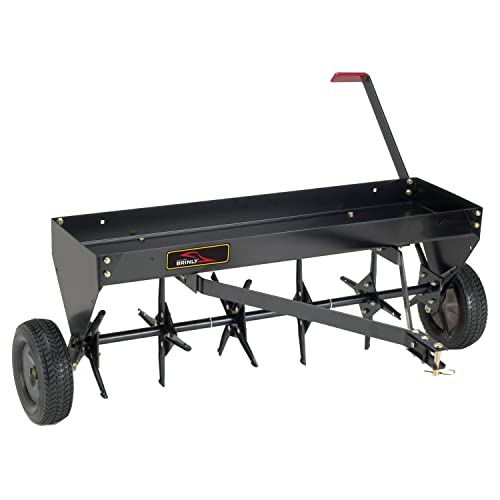
- Best Overall: Brinly Tow Behind Plug Aerator, 40 inch (around $370). Narrow, sharpened steel spoons pull plugs up to 3 inches deep, and three independent tine sections handle turns and uneven ground.
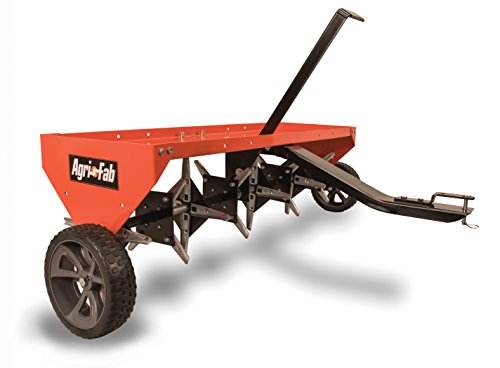
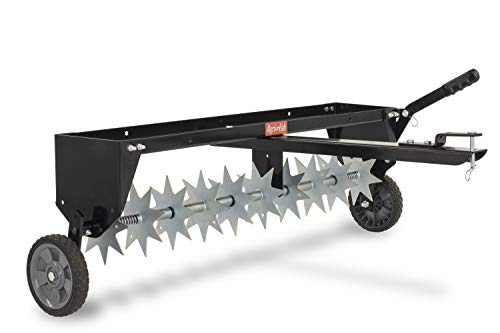
- Runner Up: Agri-Fab 48 Inch Tow Behind Lawn Plug Aerator (around $320). Thirty two galvanized self sharpening knives and a 48 inch path cover big lawns fast.
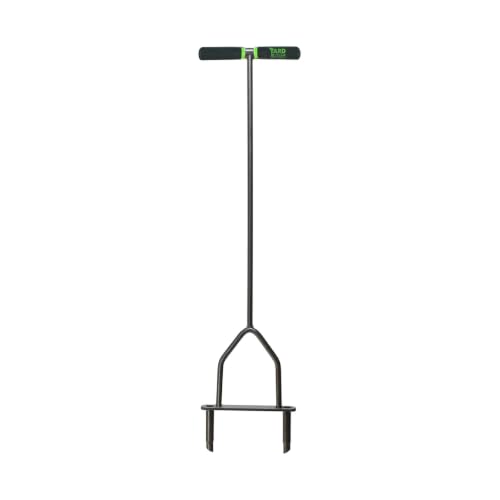
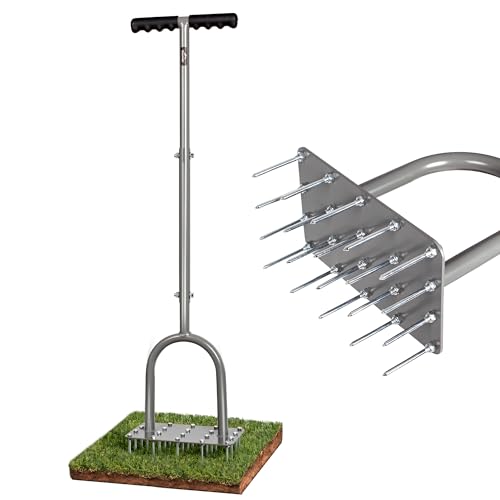
- Also Great: Yard Butler Manual Lawn Coring Aerator ID-6C (around $50). A powder coated steel tool with two coring tubes and a foot bar for small lawns, compacted paths and spot work.
If you own a lawn tractor or zero turn mower and have a half acre or more, either tow behind model will save hours of effort. The Brinly is the better built and easier to steer, while the Agri-Fab covers more ground per pass for less money. Small city and suburban lawns are a different story, and there the Yard Butler is the sensible, inexpensive choice.
How We Chose the Best Lawn Aerator
We started with how well each aerator actually relieves compaction: true core aeration that pulls plugs, coring depth, and how consistently the tines penetrate on real, uneven yards. Owner feedback came next, weighted toward products that are well reviewed by a large base of buyers across several seasons, since aerators take a beating in hard soil.
Price against features mattered, as did build quality, materials and the effort each tool asks of you. Finally, every product had to be a current model that is in stock and sold new on amazon.com. Large gas walk behind core aerators are mostly sold through equipment dealers and rental shops rather than as new units on Amazon, so our picks focus on what you can actually buy there today.
Lawn Aerator Reviews
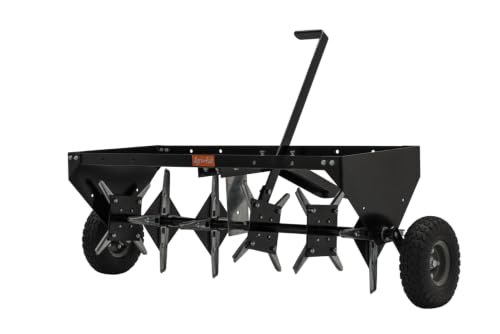
1. Brinly Tow Behind Plug Aerator, 40 Inch: Best Overall
- Type: tow behind core (plug) aerator, 40 inch working width
- Tines: 24 heat treated, 16 gauge steel plugging spoons
- Coring depth: removes plugs up to 3 inches
- Weight tray: fully enclosed, holds up to 150 pounds of extra weight
- Transport: single lever transport mode on 10 inch semi pneumatic tires
- Hitch: single pin universal hitch for lawn tractors, most zero turn mowers and ATVs
Why We Picked It
Large lawns and heavy compacted clay are where most aerators struggle, and that is exactly where the Brinly earns its top spot. Its 24 plugging spoons are heat treated steel with a narrower profile and sharpened ends, a design Brinly says penetrates more easily and needs less added weight to reach full depth. In practice, that means cleaner plugs up to 3 inches long, which is the depth lawn care experts generally recommend for real compaction relief.
The tine layout is the other smart part. Instead of one solid shaft, the Brinly uses three independently rotating, welded tine sections. On turns, each section rolls at its own speed, so the spoons do not tear up turf the way a single rigid shaft can. On bumpy or sloped ground, the sections follow the contours better, which keeps penetration more consistent across the whole yard.
Day to day details are well thought out too. A single transport lever lifts the tines so you can roll across driveways and sidewalks on the 10 inch semi pneumatic tires, which will not go flat. The enclosed weight tray takes up to 150 pounds of whatever you have on hand, such as concrete blocks or sandbags, and keeps it secure over bumps. The all steel build and universal single pin hitch round out a tool that should last for many seasons.
For most owners of large lawns, this combination of depth, turf friendly turning and durable steel construction makes it the best durable lawn aerator in our lineup.
Pros
- Commercial style coring with plugs up to 3 inches
- Excellent in clay thanks to sharpened, narrow spoons
- Pulled by your tractor, so there is no pushing
- Three tine sections reduce turf damage on turns
- No flat tires and an enclosed weight tray
Cons
- Requires a lawn tractor, zero turn mower or ATV
- Heavy and bulky to store
- Needs extra weight on board for the deepest plugs
Who Should Buy It
Buy the Brinly if you have a half acre or more, own a riding mower or ATV, and want true core aeration every spring or fall without renting a machine. It is especially good on clay and on lawns with lots of curves and turns. At around $370, it pays for itself after a couple of seasons compared with rentals or a lawn service.
2. Agri-Fab 48 Inch Tow Behind Lawn Plug Aerator: Runner Up
- Type: tow behind core (plug) aerator, 48 inch working width
- Tines: 32 galvanized self sharpening aerator knives
- Coring depth: plugs up to 3 inches
- Weight tray: supports up to 175 pounds
- Transport: flat free tires and a cantilever transport handle you can reach from the seat
- Hitch: universal hitch for most lawn and garden tractors; built in Sullivan, Illinois with global materials
Why We Picked It
For heavy duty core aeration on large lawns, the Agri-Fab offers the most coverage per dollar on this list. Its 48 inch path is 8 inches wider than the Brinly, so you make fewer passes on a big yard, and 32 galvanized knives pull plugs up to 3 inches deep to open the soil to air, water and fertilizer. If you have an acre or more of fairly open lawn, that extra width saves real time.
It is designed to be simple from the tractor seat. A cantilever transport handle lets you raise and lower the tines without climbing off, and flat free tires roll it across driveways and paths. The weight tray holds up to 175 pounds, more than the Brinly, which helps on dry, hard soil where a light aerator would just skip across the surface.
This model has a long track record and a large base of owner reviews, which is reassuring for a tool you will use once or twice a year and expect to store for a long time. The main tradeoff is that, like many wide plug aerators, it can scuff turf on tight turns. Make wide, gentle turns or lift the tines at the ends of each row, and it does excellent work.
Setup is straightforward for anyone who has hitched a cart or spreader to a lawn tractor. Plan a simple back and forth pattern, overlap slightly between passes, and add weight gradually until the knives pull full plugs instead of shallow scrapes. For many large property owners, that combination of width, depth and price makes it the best lawn aerator value in the tow behind category.
Pros
- Deep, consistent coring up to 3 inches
- Wide 48 inch path covers large lawns quickly
- Large weight tray for hard soil
- Durable galvanized knives and flat free tires
Cons
- Needs a tractor to pull it
- Can tear turf on sharp turns; lift the tines at row ends
- Bulky to store
Who Should Buy It
The Agri-Fab suits owners of large, mostly open lawns who already have a lawn tractor and want maximum coverage for the money. At around $320, it is the best affordable lawn aerator for big properties that still pulls real plugs.
3. Yard Butler Manual Lawn Coring Aerator ID-6C: Also Great
- Type: manual core (plug) aerator
- Coring: dual hollow plugs per step
- Leverage: wide foot bar and a long handle
- Build: powder coated steel construction
- Comfort: cushioned handles
Why We Picked It
Not every lawn needs a tow behind machine. For small yards, side strips, compacted paths, and the high traffic spot by the gate where the dog runs, a manual coring tool does true core aeration with nothing to start or tow. The Yard Butler is the classic version, sold for many years and backed by a very large base of owner reviews. You step on the foot bar, two hollow tubes drive into the soil, and each step pulls two plugs.
The long handle gives you leverage and keeps you from bending over, and the cushioned grips make a long session more comfortable. Because it is powder coated steel rather than plastic or thin sheet metal, it holds up to years of seasonal use. It also stores in a corner of the garage like a shovel.
The honest tradeoff is effort. Aerating an entire medium lawn by hand is a workout, and it goes much easier when the soil is moist. Water the lawn a day or two ahead, work in rows and take breaks. For small lawns and spot treatment, though, it is the best lightweight lawn aerator you can buy, and the price is hard to beat.
Pros
- True core aeration with two plugs per step
- Very affordable and compact to store
- Durable powder coated steel build
- Ideal for spot work in compacted areas
Cons
- Physically demanding on larger lawns
- Slow compared with tow behind models
- Plugs can stick in very dry clay
Who Should Buy It
Choose the Yard Butler if your lawn is small, you have no tractor, or you only need to treat compacted patches. At around $50, it is the simplest way to start aerating on your own.
Who Should Buy a Lawn Aerator (and Who Should Not)
A lawn aerator is a good investment if water runs off instead of soaking in, if grass is thin in high traffic areas, or if your soil is heavy clay. Lawns on new construction lots are often badly compacted after builders drive equipment over them, and they benefit greatly from yearly core aeration. Homeowners who overseed should also aerate first, since seed that lands in the holes germinates much better. If clay is your main problem, our guide to the best lawn aerator for clay soil covers models that handle it best.
Owners of very large properties, sports turf or multiple lots may want even stouter equipment, and our list of the best lawn aerator for heavy duty use is built for that.
Some people can skip buying one. If your lawn is sandy and drains well, it may rarely need aeration. If you only aerate every few years, renting a machine or hiring a lawn service can cost less than owning. And if you have no tractor and a large lawn, a manual tool will be exhausting, so renting a powered unit once a year may make more sense. Not sure where you land? Our breakdown of is a lawn aerator worth it runs the numbers.
How to Choose the Best Lawn Aerator
The right aerator depends on lawn size, soil type, the equipment you already own and how much effort you want to put in. If you are still asking what is the best lawn aerator for your yard, work through these factors in order.
Core (Plug) vs Spike Aeration
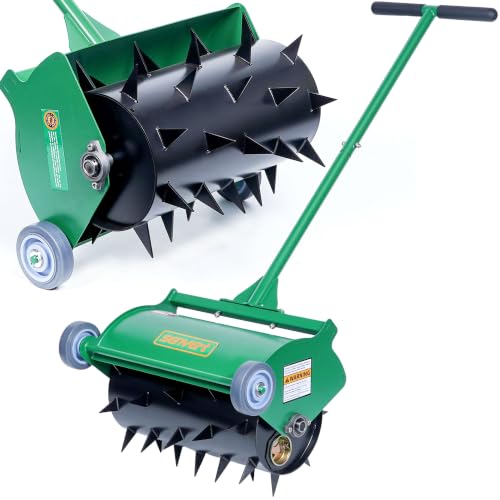
Core aerators use hollow tines or spoons to pull plugs of soil out of the ground. That creates real space for air, water and roots, and the plugs break down on the surface in a few weeks. Spike aerators simply poke holes with solid spikes. They are cheaper and easier to use, but they can press soil tighter around each hole, which may make compaction worse in clay. For most lawns, core aeration is the better choice, and every pick on our list is a core aerator. Spike tools still have a place for light maintenance on loose soil.
Manual, Tow Behind or Powered
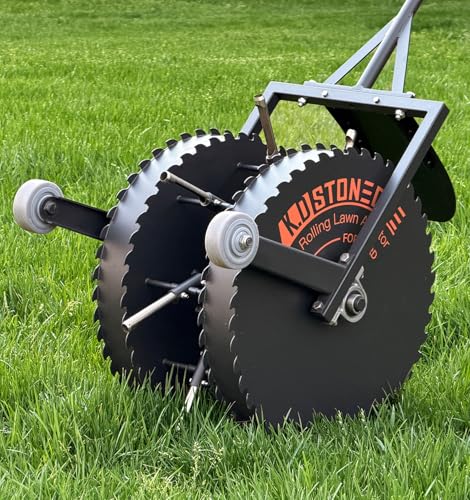
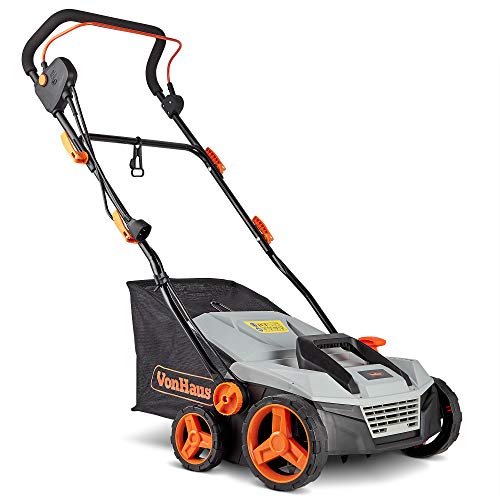
Manual coring tools are cheap, compact and good for small lawns or spot work, but they require real effort. Tow behind aerators attach to a lawn tractor, zero turn mower or ATV and cover large areas quickly with no pushing. Powered walk behind gas core aerators are the professional option, with engines that drive the tines; they are heavy, expensive and usually rented from equipment shops. Rolling push aerators sit in the middle, though most models in that style use spikes rather than hollow tines.
Working Width and Tine Depth
Wider aerators cover more ground per pass. A 40 inch tow behind is a good all round width for half acre to one acre lawns, while 48 inches suits larger open areas. Depth matters even more: plugs of 2 to 3 inches are what relieve compaction effectively. Look for spoons or knives rated for around 3 inches, and remember that actual depth depends on soil moisture and the weight you add. If you want a best compact lawn aerator for a small yard, a manual corer or a narrow rolling model is easier to store and maneuver.
Weight and Ballast Tray
Tow behind aerators rely on weight to push tines into the soil. Without enough ballast, they bounce and barely scratch the surface, especially in dry or clay soils. Look for a sturdy, enclosed weight tray rated for 150 pounds or more. Concrete blocks, sandbags or water filled containers work well. Make sure your tractor can handle the added load, and remove the weight before storing the aerator.
Soil Type Suitability
Clay soil compacts easily and benefits the most from deep core aeration with sharp, narrow tines. Loam responds well to almost any core aerator. Sandy soil rarely compacts badly and may only need aeration every couple of years. Whatever your soil, aerate when it is moist but not soggy, ideally a day or two after rain or watering, and during active growth: early fall or spring for cool season grasses, late spring to early summer for warm season grasses.
Build Quality
Aerators work in hard ground, so materials matter. Heat treated or galvanized steel tines resist bending and rust, welded frames hold up better than bolted thin sheet metal, and flat free or semi pneumatic tires avoid punctures. Check whether replacement tines are available, because they wear over time. A well built model is also the best easy to use lawn aerator in the long run, since bent tines and wobbly frames make every pass harder. If you are comparing retailers and wondering where to buy a lawn aerator, our guide covers what to look for.
Finally, plan for the work right after aeration, because it decides how much benefit you see. Leave the soil plugs on the lawn; they break down within a couple of weeks and return organic matter to the surface. This is the ideal time to overseed thin areas and apply fertilizer, since seed and nutrients fall straight into the open holes. Water the lawn lightly and often for the next few weeks if you seeded, and avoid heavy foot traffic while the new grass establishes. Even the best lawn aerator only opens the door; good follow up care is what turns those holes into thicker turf.
FAQs About Lawn Aerators
How long does a lawn aerator last?
A well built steel aerator can last many years, since most homeowners use it only once or twice a season. Tow behind models typically outlive their tines, which can be replaced as they wear. Manual coring tools last for years with basic care. Rinsing off soil, drying the tool and storing it out of the rain prevent rust and extend its life.
Is a lawn aerator worth the money?
For lawns with compacted or clay soil, yes. Core aeration helps water, air and fertilizer reach the roots, which leads to thicker, healthier grass and better results from overseeding. A tow behind aerator usually pays for itself after a few seasons compared with rentals or a lawn service. Small lawns can be handled cheaply with a manual corer.
How much should I spend on a lawn aerator?
Manual coring aerators cost around $30 to $60. Rolling push aerators range from about $70 to $250. Quality tow behind plug aerators for lawn tractors run roughly $270 to $400. Professional gas walk behind core aerators cost thousands, which is why most homeowners rent them instead of buying.
How do I maintain a lawn aerator?
After each use, knock out soil stuck in the tines, rinse the aerator and let it dry fully. Check for bent or worn tines and replace them as needed. Grease wheel bearings and pivot points once a season, tighten any loose bolts, and store the aerator under cover with all ballast removed so the frame and tires are not stressed.
Final Verdict
For most owners of larger lawns, the Brinly 40 inch tow behind plug aerator is the best lawn aerator on our list, with sharp steel spoons, turf friendly tine sections and a durable all steel frame. If you want the widest coverage for the money, the Agri-Fab 48 inch plug aerator is an excellent runner up. Small lawns and spot jobs are best handled by the inexpensive Yard Butler manual coring tool. Choose based on your lawn size and the equipment you own, then check today's price on Amazon before the next aeration season.