
Where to Buy a Lawn Aerator: Features That Matter in 2026
Disclosure: We may earn a commission when you buy through links on this page, at no extra cost to you. As an Amazon Associate I earn from qualifying purchases. Learn more
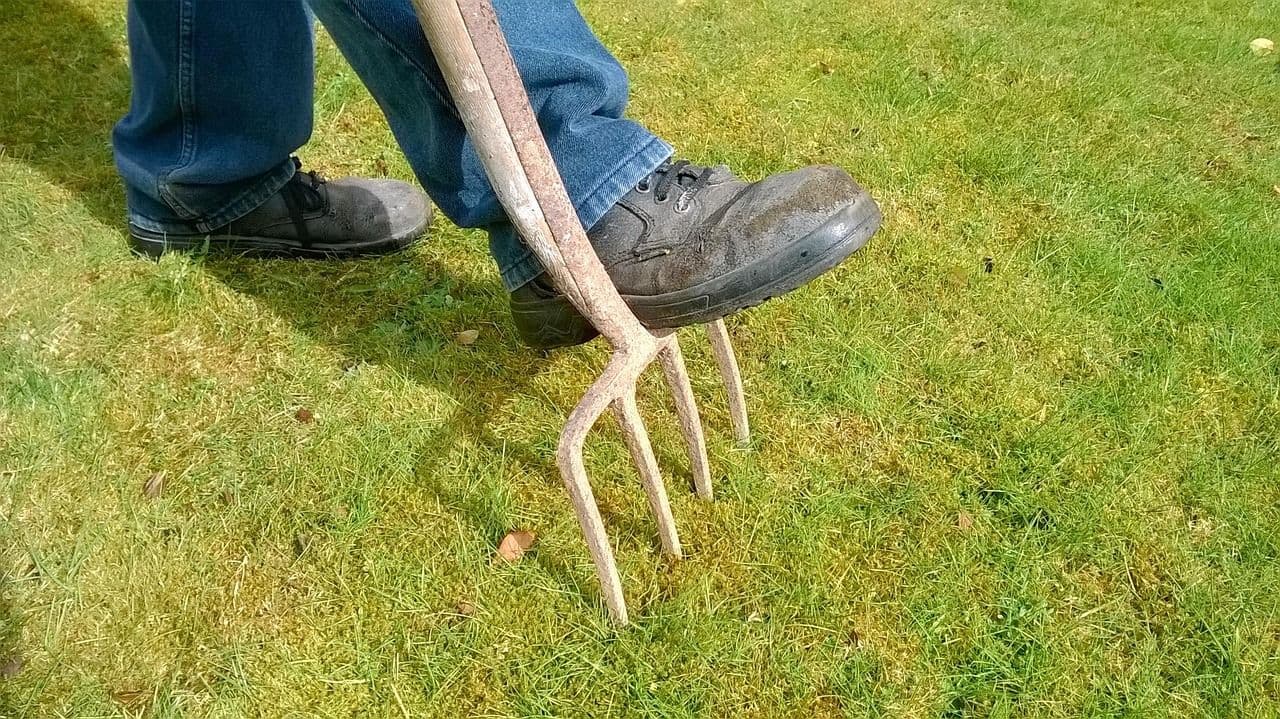
Where to buy a lawn aerator, plus the types, features, prices and sizes that matter for your soil and yard.
If you are deciding where to buy a lawn aerator, Amazon offers the widest range of manual, electric and tow behind models with verified owner reviews and home delivery, while home improvement stores let you see heavy units in person and often rent gas core aerators. Brand dealers and outdoor power equipment shops are the best source for commercial machines, parts and service.
Where you shop matters less than buying the right type for your soil and yard size. This guide compares retailers, explains the main aerator types and covers the features, prices and sizing that matter before you spend a dollar.
Where to Buy a Lawn Aerator: Amazon vs Big Box Stores vs Specialty Shops
Each kind of store has its own strengths. Compare selection, owner feedback, price, delivery, return policy and warranty support.
Buying a Lawn Aerator on Amazon
Amazon carries everything from step on spike tools and aerator shoes to rolling push aerators, electric scarifiers and tow behind plug aerators for riding mowers. Verified owner reviews and photos quickly show whether tines bend, clog or fail to penetrate hard soil. Prices are competitive, and bulky tow behind units arrive at your door instead of needing a truck. Check the seller and the return window before ordering heavy items.
Home Improvement and Big Box Stores
Home Depot, Lowe's and farm supply stores stock a smaller range of manual and tow behind aerators, and many also rent gas core aerators by the day. Seeing the tines and frame in person helps, and returns are simple at the service desk.
Brand Websites and Specialty Retailers
Outdoor power equipment dealers sell commercial gas core aerators and stand on machines, along with setup, repairs and replacement tines. Brand websites list full warranty terms and parts diagrams. Expect higher prices but better support.
When to Buy for the Best Deals
Aerators are in demand in early spring and early fall, which are the main aeration seasons. The best prices often show up in late fall and winter clearance, around Black Friday and in end of summer sales. Buying ahead of the season saves money.
What Is a Lawn Aerator and Do You Need One?
A lawn aerator is a tool that punches holes in the soil or pulls out small plugs, letting air, water and fertilizer reach grass roots. Over time, foot traffic, mowers and heavy rain create compacted soil that roots struggle to grow through. If water puddles on your lawn, the grass looks thin despite feeding, or a screwdriver is hard to push into the ground, your lawn will likely benefit from aeration once a year. If you are unsure whether it pays off, read our guide on is a lawn aerator worth it.
Main Types of Lawn Aerators
Manual spike and core tools are step on tools with a few tines. They are cheap and good for small lawns or spot work, but slow and tiring for anything bigger.
Rolling push aerators have spiked drums you walk behind. They cover ground faster than step tools and suit small to medium yards with loose to average soil.
Tow behind aerators hitch to a riding mower or garden tractor. Spike and plug versions cover large lawns quickly, and many have a tray for extra weight.
Powered core aerators are gas engine machines that pull deep plugs. They give the best results on dense soil and are common as rentals. Electric scarifiers sit in between, handling thatch and light surface aeration.
Key Features to Consider
Here is what to look for in a lawn aerator, and how each feature affects results.
Core (Plug) vs Spike Aeration
A plug aerator removes small cores of soil, which relieves compaction and lets the soil loosen over time. A spike aerator only pushes holes into the ground, which can press the soil around each hole even tighter. Core aeration is the better choice for most lawns, while spikes suit loose soil and quick touch ups.
Manual, Tow Behind or Powered
Choose manual for very small lawns, tow behind if you already own a riding mower and have a large property, and powered gas machines when you need the deepest plugs on tough soil. Our best lawn aerator for heavy duty use roundup covers the strongest options.
Working Width and Tine Depth
Wider aerators finish faster but are harder to steer around beds and trees. Tine depth matters more than width for results, since deeper holes let water and roots go further. Look for depth figures in the listing and adjustable settings where possible.
Weight and Ballast Tray
Weight drives tines into the ground. Tow behind aerators often include a tray for concrete blocks or sandbags, and rolling push models may let you fill the drum or frame with extra weight. Light machines bounce over hard soil.
Soil Type Suitability
Sandy and loamy soils respond to almost any aerator, but clay needs hollow tines, plenty of weight and moist ground. See our guide to the best lawn aerator for clay soil for models built for heavy ground.
Build Quality
Check for galvanized or powder coated steel, solid welds, sealed bearings and replaceable tines. A good frame and sturdy hitch matter most on tow behind units, which take a beating over bumps and roots.
How Much Should You Spend?
Entry level manual tools and aerator shoes cost around $20 to $50 and suit small lawns or spot work. Mid range rolling push aerators, electric scarifiers and tow behind units run around $100 to $300, which covers most homeowners. Premium gas core aerators for heavy use can reach around $3,500 or more, which is why many people rent one instead. Our guide on how much does a lawn aerator cost explains buying versus renting costs.
What Size Lawn Aerator Do You Need?
Match the aerator to your lawn size and soil. This table gives a quick starting point.
| Lawn size | Suggested aerator | Notes |
|---|---|---|
| Under 2,000 sq ft | Manual core tool or step spike tool | Cheap and easy to store |
| 2,000 to 5,000 sq ft | Rolling push aerator or electric scarifier | Faster coverage, low effort |
| 5,000 sq ft to 1 acre | Tow behind plug aerator or rented gas core aerator | Needs a riding mower or a rental |
| Over 1 acre | Wide tow behind plug aerator | Add weight for deeper plugs |
Common Buying Mistakes to Avoid
Buying a spike tool for compacted clay is a frequent mistake, because spikes can make compaction worse. Many buyers also pick a tow behind unit without checking the hitch fits their mower, or skip adding weight so the tines barely scratch the surface. Finally, aerating dry, rock hard ground gives poor results, so plan to aerate a day after rain or watering.
Frequently Asked Questions
How long does a lawn aerator last?
Manual and tow behind aerators can last many years because they have few moving parts, especially when cleaned and stored dry. Tines wear and may bend on rocks, so replaceable tines extend their life. Gas core aerators last longest with regular engine maintenance, oil changes and tine replacement.
What size lawn aerator do I need?
For lawns under about 2,000 square feet, a manual core tool works fine. Medium yards suit a rolling push aerator, while lawns over 5,000 square feet are easier with a tow behind plug aerator or a rented gas machine. Soil type matters too, since clay needs more weight and hollow tines.
What to look for in a lawn aerator?
Start with hollow tines for core aeration, then check tine depth, working width, frame strength and whether you can add weight. Tow behind owners should confirm the hitch fits their mower. Replaceable tines and a solid warranty help the tool last for years of seasonal use.
What is the best brand of lawn aerator?
No single brand wins every category. Yard Butler is known for manual core tools, Agri Fab and Brinly for tow behind models, and Sun Joe and Greenworks for electric scarifiers. Compare current models in our guide to the best lawn aerator picks.
Should I rent or buy a lawn aerator?
Renting a gas core aerator makes sense if you aerate once a year and have a large lawn, since you skip storage and maintenance. Buying pays off for small to medium yards, for people who aerate twice a year or for anyone who owns a riding mower and can use a tow behind model.
Final Thoughts
For most homeowners, where to buy a lawn aerator comes down to choice and convenience, and Amazon offers both. Knowing how to choose a lawn aerator matters more, so match the type to your soil and yard, then check our picks for the best lawn aerator before the next aeration season.


