How Much Does a Lawn Aerator Cost? 2026 Price Guide and What to Expect
Disclosure: We may earn a commission when you buy through links on this page, at no extra cost to you. As an Amazon Associate I earn from qualifying purchases. Learn more

From $15 aerator shoes to $3,500 gas core aerators: how much does a lawn aerator cost by type, plus hidden costs and ways to save.
A lawn aerator costs about $15 to $50 for manual tools like aerator shoes and step on core aerators, $130 to $400 for rolling and tow behind models, and $2,000 to $4,000 or more for gas powered core aerators used by landscapers. Most homeowners spend $50 to $350. So how much does a lawn aerator cost for your yard depends on the size of your lawn, whether you pull plugs or just punch holes, and whether you push, tow or ride.
This guide breaks down current price ranges by type, explains what drives the cost, covers the extra expenses most buyers overlook, and shares practical ways to aerate your lawn without overspending.

How Much Does a Lawn Aerator Cost in 2026? Average Prices
Aerator prices fall into clear tiers. The table below shows typical ranges with examples available on Amazon.
| Type | Typical price | Best for | Example |
|---|---|---|---|
| Aerator shoes | $10 to $50 | Very small lawns, light compaction | DenForste pre assembled aerator shoes (around $16) |
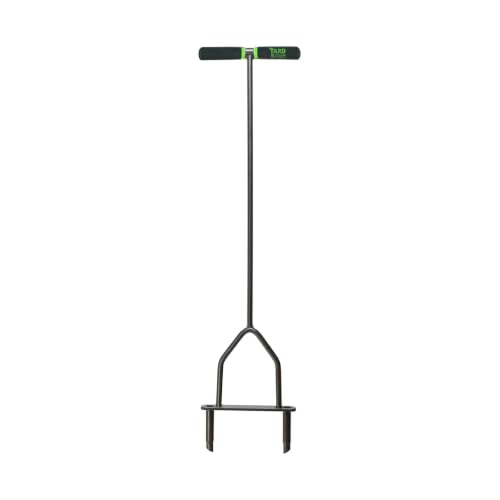
| Manual core aerator (step on) | $30 to $90 | Small lawns, spot treating compacted areas | Yard Butler ID-6C manual coring aerator (around $50) |
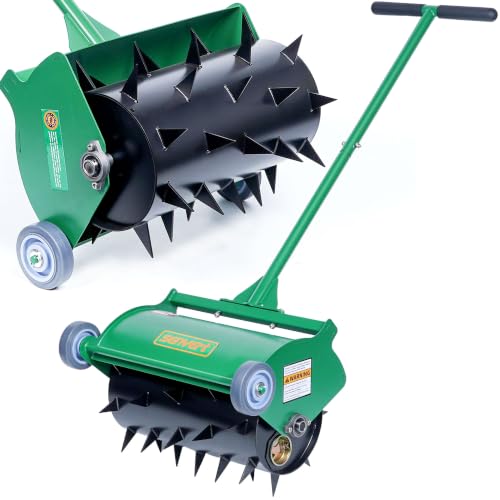
| Rolling push aerator | $130 to $260 | Small to medium lawns | SENVERT rolling spike aerator (around $200) |
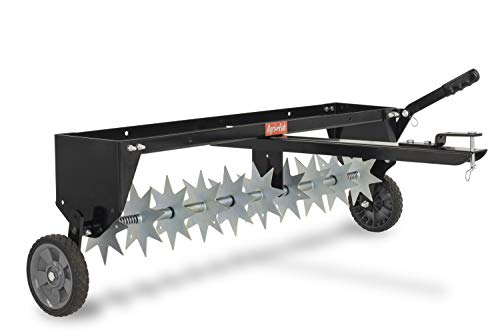
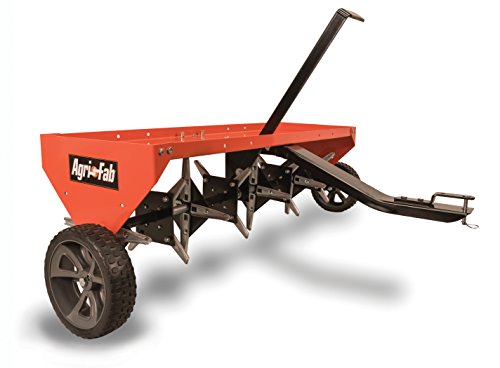
| Tow behind spike aerator | $130 to $200 | Larger lawns with a riding mower or ATV | Agri-Fab 40 inch tow behind spike aerator (around $195) |
| Tow behind plug aerator | $270 to $500 | Large lawns, heavy compaction | Agri-Fab 48 inch tow behind plug aerator (around $320) |
| Gas powered core aerator | $2,000 to $4,000+ | Landscapers and very large properties | Commercial walk behind units |
As a rule of thumb, entry level manual tools cost around $50, a quality mid range tow behind or rolling aerator costs about $300, and a premium gas powered core aerator runs around $3,500. Because walk behind gas aerators are expensive and used once or twice a year, most homeowners rent them rather than buy.
Lawn size is the quickest way to narrow the range. A small urban lawn can be aerated with a $50 manual corer and some patience. A typical suburban yard of a quarter to half acre is where rolling or tow behind aerators make sense, especially if you already own a riding mower. Large rural lawns and sports turf are the territory of gas core aerators and professional services.
It also helps to compare buying with the alternatives. Renting a gas core aerator for a day gives you professional results without the purchase price, but you need a way to haul a heavy machine home and back. Hiring a lawn care company is the most convenient option and is often priced by lawn size. If you aerate every year and own a riding mower, a tow behind aerator usually pays for itself within a few seasons compared with renting or hiring.
What Affects the Price
Several design choices explain why one aerator costs $20 and another $3,000.
Core (Plug) vs Spike Aeration
Spike aerators push solid tines into the ground. They are cheaper and simpler but can compact the soil around each hole. Core or plug aerators pull out small plugs of soil, which relieves compaction more effectively and is the method most lawn experts prefer. Plug aerators cost more because hollow tines and coring knives are harder to make and need more weight to penetrate. The Agri-Fab 48 inch plug aerator uses 32 galvanized knives, while the Agri-Fab 40 inch spike model uses 10 galvanized steel spike disks.
Manual, Tow Behind or Powered
Manual tools are cheapest but slow and tiring on larger lawns. Tow behind aerators hitch to a riding mower, lawn tractor or ATV and cover big areas quickly for a few hundred dollars. Powered walk behind core aerators have their own engines and are the most effective, but their price puts them out of reach for most homeowners.
Working Width and Tine Depth
Wider aerators cover more ground per pass and cost more. A 40 inch tow behind is common for homeowners, while 48 inch models suit larger lawns. Deeper tines pull longer plugs and relieve compaction better, which also adds to the price. If your soil is dense, see our picks for the best lawn aerator for clay soil.
Weight and Ballast Tray
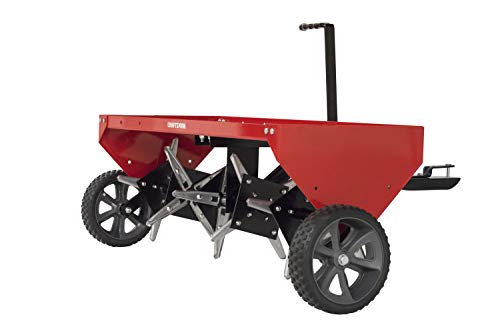
Aerators need weight to push tines into the ground. Better tow behind models include a weight tray that you load with concrete blocks or sandbags, and some hold large amounts of ballast. Sturdier frames that can carry that weight cost more, but they penetrate hard soil far better. The Brinly 40 inch tow behind plug aerator, around $370, is an example of a sturdier model built to carry ballast, and it costs more than lighter spike designs for that reason.
Hidden and Ongoing Costs
The purchase price is only part of the total. Plan for these extras.
- Ballast: Concrete blocks or sandbags for the weight tray, often $10 to $30 if you do not have them.
- Replacement tines or spoons: Coring tines wear down in rocky or sandy soil and may need replacing after several seasons.
- Towing vehicle: Tow behind aerators require a riding mower, tractor or ATV with a suitable hitch.
- Rental fees: If you rent a gas core aerator, expect a half day or full day charge plus transport. These machines are heavy and usually need a truck or trailer.
- Follow up supplies: Aeration is often paired with overseeding, fertilizer or compost topdressing, which adds to the season's lawn budget.
- Storage: Large tow behind aerators take up garage or shed space, and a wall hook or a spot under a bench keeps them out of the way between seasons.
Watering the lawn a day or two before aerating helps tines penetrate, but it is a cost in water, too. Factor these items in when comparing buying, renting and hiring a service.
Timing affects cost, too. Cool season grasses are usually aerated in early fall or spring, and warm season grasses in late spring or early summer, when they are actively growing. Rental demand and service prices tend to peak in those windows, so booking early or buying your own tool can save money and hassle. Aerating at the right time also means you get more benefit from any seed and fertilizer you spread afterward, which protects that part of your budget.
Is a Cheap Lawn Aerator Good Enough?
For a small lawn or a few compacted spots, yes. A manual core aerator like the Yard Butler ID-6C pulls real plugs for around $50 and is ideal for paths worn by kids or pets, areas near the driveway and small front yards. Aerator shoes cost even less but only punch shallow holes, so they work best for light maintenance. A rolling push aerator sits in between: it covers ground faster than a manual tool and needs no towing vehicle, which suits medium lawns and gardeners without a riding mower.
Cheap tools fall short on larger lawns and heavily compacted clay. Manual coring a quarter acre is hard physical work, and shallow spikes do little for deep compaction. If your lawn is larger or your soil is tough, a tow behind plug aerator or a rented gas core aerator will deliver far better results for the effort. For bigger jobs, see our guide to the best lawn aerator for heavy duty use.
How to Save Money on a Lawn Aerator
A few smart moves can keep aeration affordable.
- Buy off season: Late fall and winter clearance often brings lower prices, and early spring sales are another good window.
- Watch Amazon deals: Tow behind and rolling aerators see periodic price drops, especially before and after the main fall aeration season.
- Rent or share: Split a rental gas aerator with a neighbor and aerate both lawns on the same day.
- Consider refurbished or used: Tow behind aerators are simple machines, and used units in good condition can be a bargain.
- Match the tool to the lawn: Do not buy a 48 inch tow behind for a small city yard.
Before buying, it is worth asking whether you need to own one at all. Our article is a lawn aerator worth it walks through buying, renting and hiring a service.
Frequently Asked Questions
Is it cheaper to buy a lawn aerator online?
Often, yes. Online retailers like Amazon carry a wide range of manual, rolling and tow behind aerators and frequently discount them, and heavy items are delivered to your door. Local stores may be better for renting gas core aerators and for advice. Compare prices and shipping before you buy, and read where to buy a lawn aerator for more options.
How long does a lawn aerator last?
Manual and tow behind aerators can last many years because they have few moving parts. Tines and coring spoons wear first, especially in rocky soil, and are often replaceable. Rinse off soil after each use, store the aerator dry and check bolts and bearings each season to keep it working. A light coat of oil on steel tines before winter storage helps prevent rust, and replacing worn tines keeps plugs clean and deep.
Final Thoughts
So, how much does a lawn aerator cost? Expect around $50 for an entry level manual tool, about $300 for a capable tow behind or rolling aerator, and roughly $3,500 for a premium gas core aerator that most homeowners rent instead. Add ballast, replacement tines and seed to your budget, and match the tool to your lawn. When you are ready to choose, see our picks for the best lawn aerator.