Best Lawn Dethatchers in 2026: Our Top 3 Picks Reviewed
Disclosure: We may earn a commission when you buy through links on this page, at no extra cost to you. As an Amazon Associate I earn from qualifying purchases. Learn more

The best lawn dethatcher picks from Sun Joe, WEN and WORX, plus how to choose width, depth and power for your yard.
A spongy lawn that stays thin no matter how much you water or feed it often has one hidden problem: a thick mat of thatch between the grass blades and the soil. Raking it out by hand is slow, sore work, which is why the best lawn dethatcher earns its spot in the garage. The right machine pulls dead material to the surface in an afternoon, lets water and fertilizer reach the roots again, and sets up the lawn for overseeding.
We compared maker specs, verified owner feedback on Amazon, expert reviews and price against value to pick three models. The Sun Joe AJ801E is our top choice for most yards, the WEN DT1516 is the runner up with a wider 16 inch path, and the WORX WG855 is the premium cordless pick for homeowners who want no cord at all.


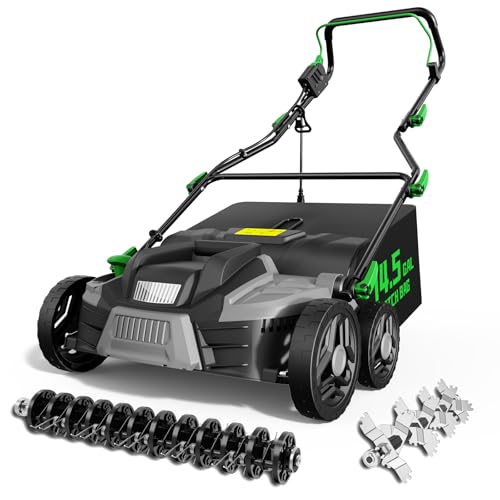
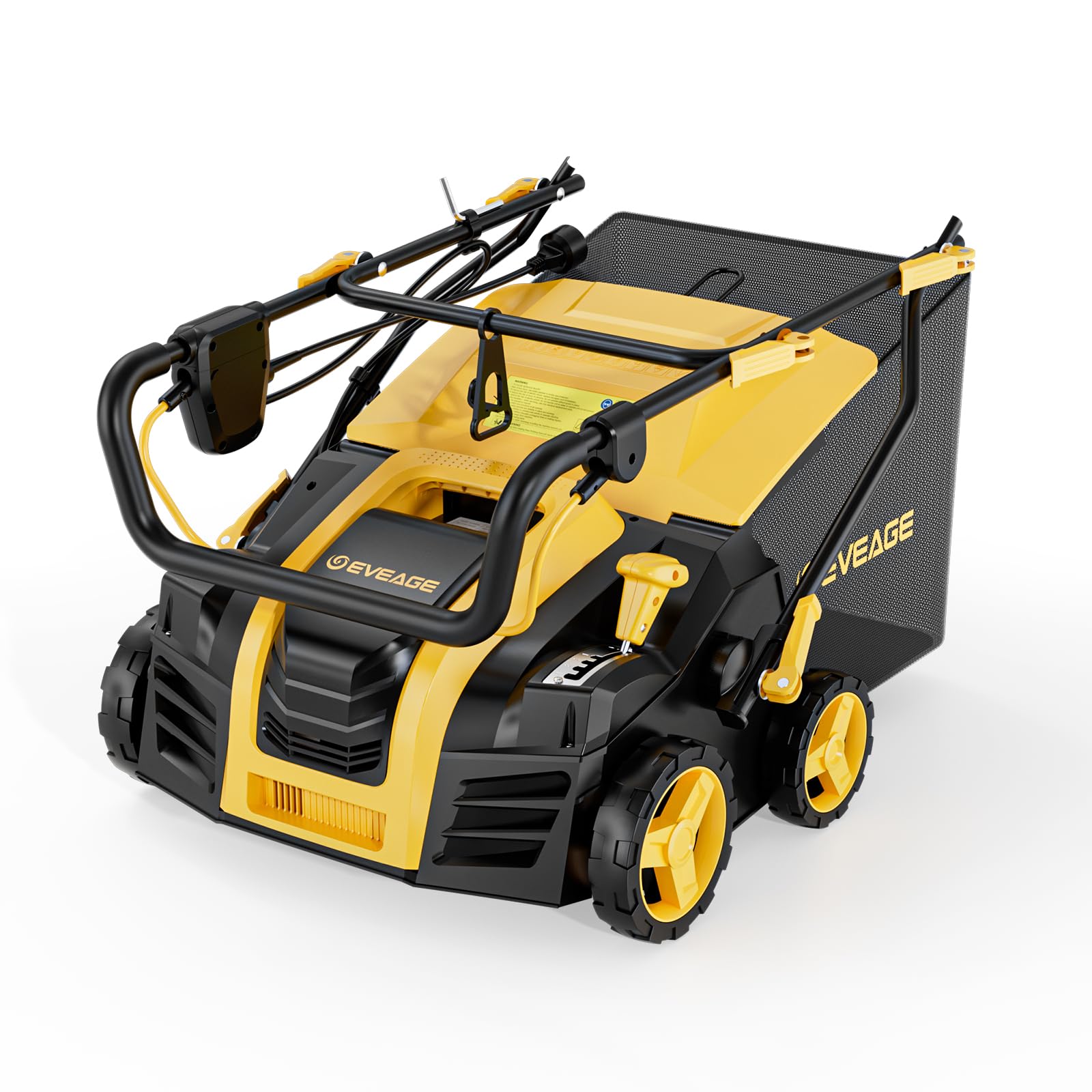

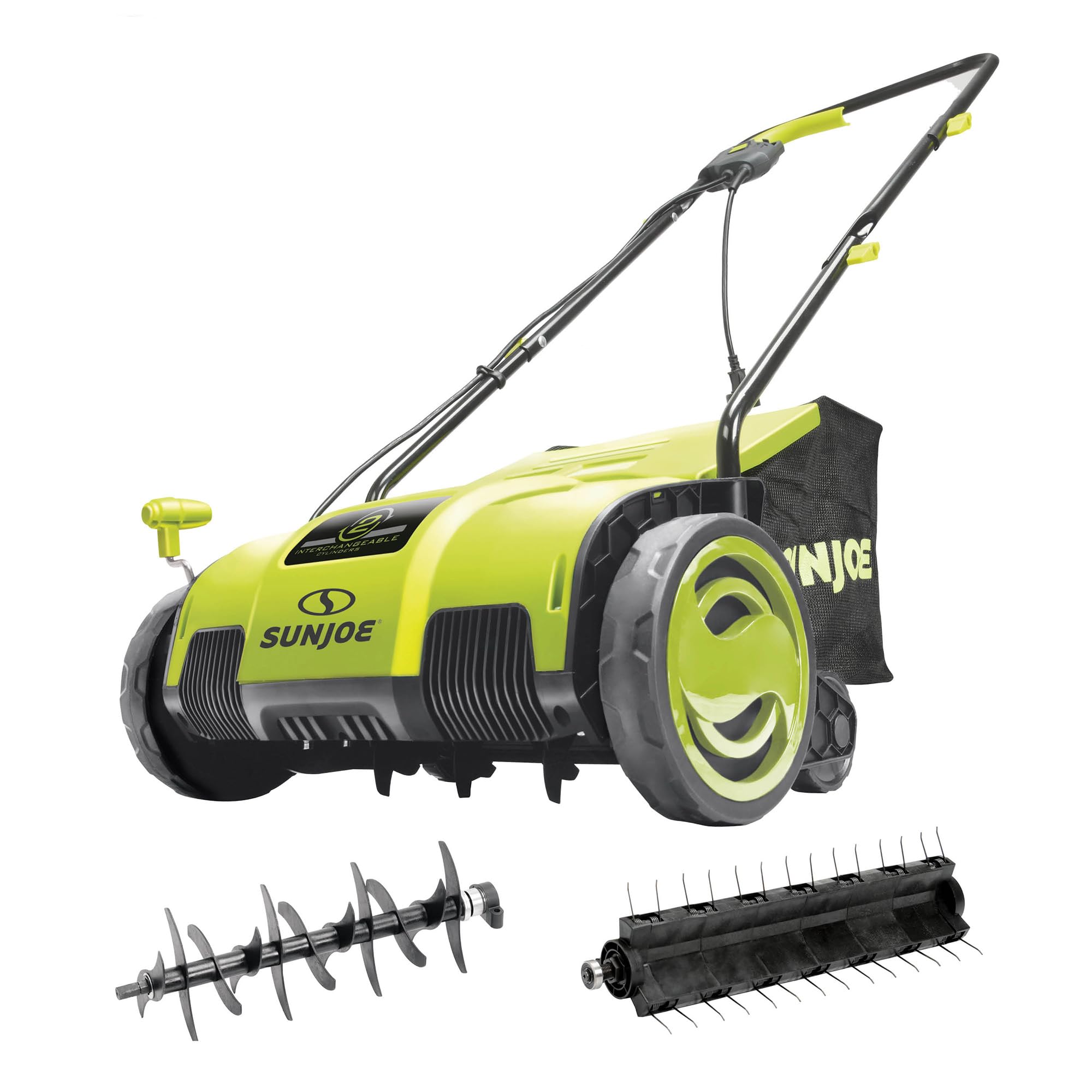
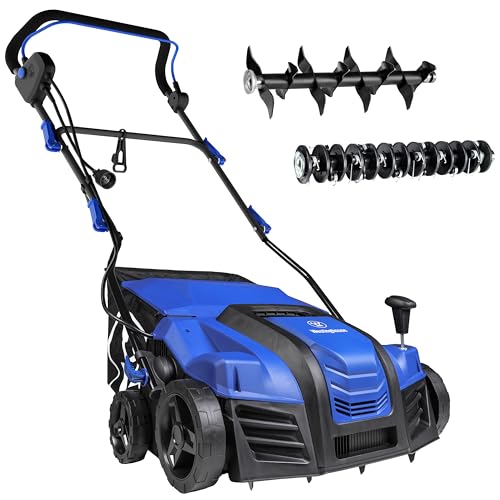
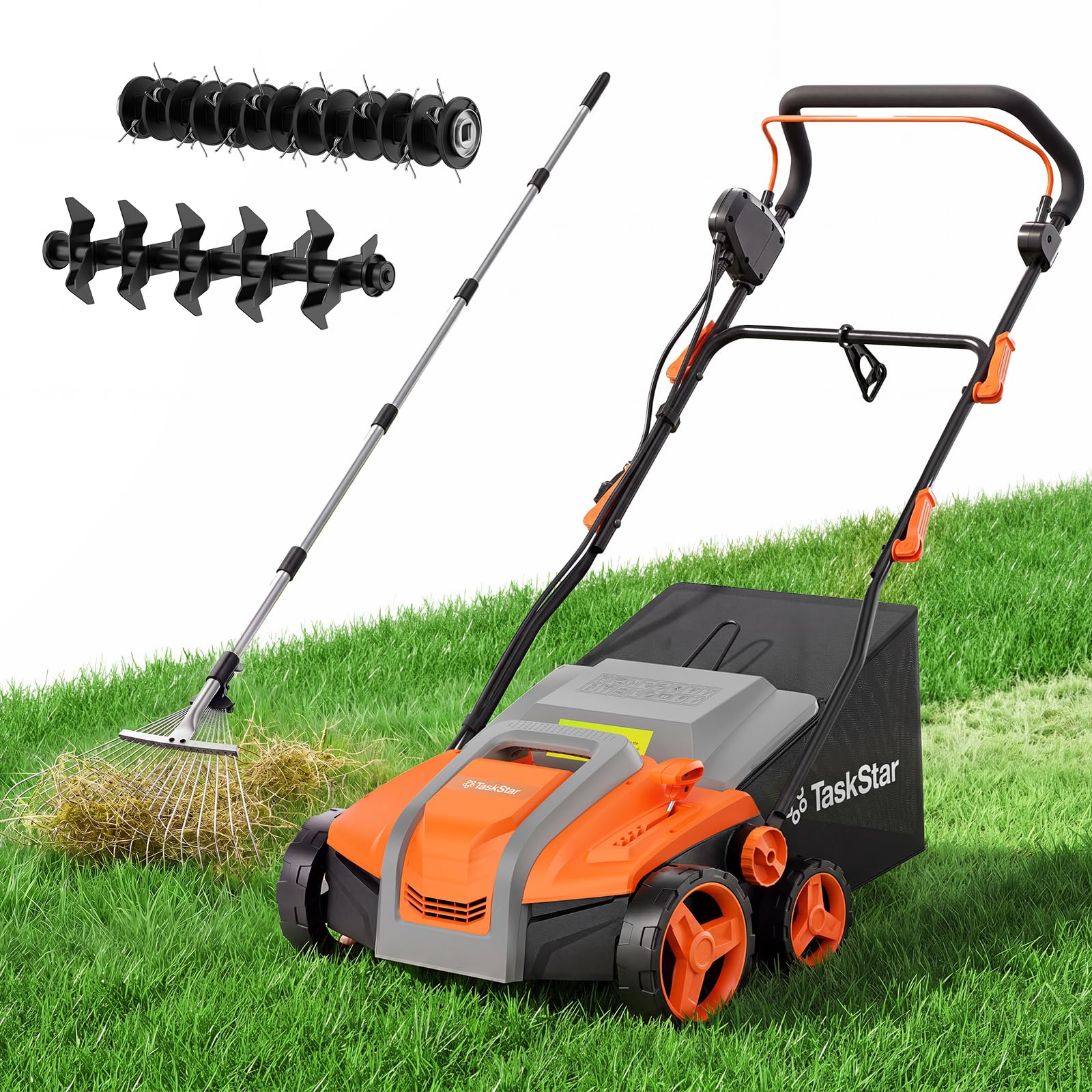
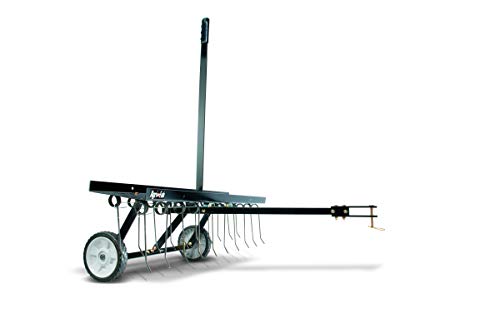
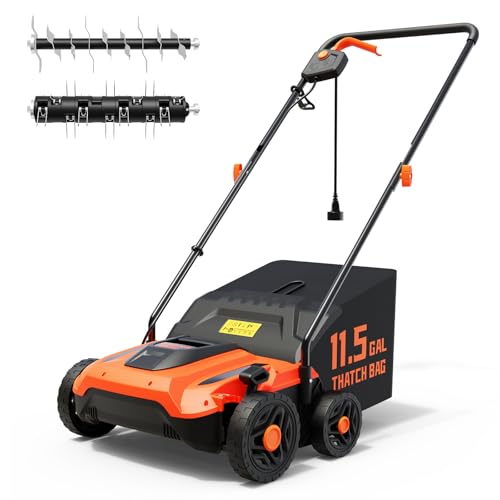
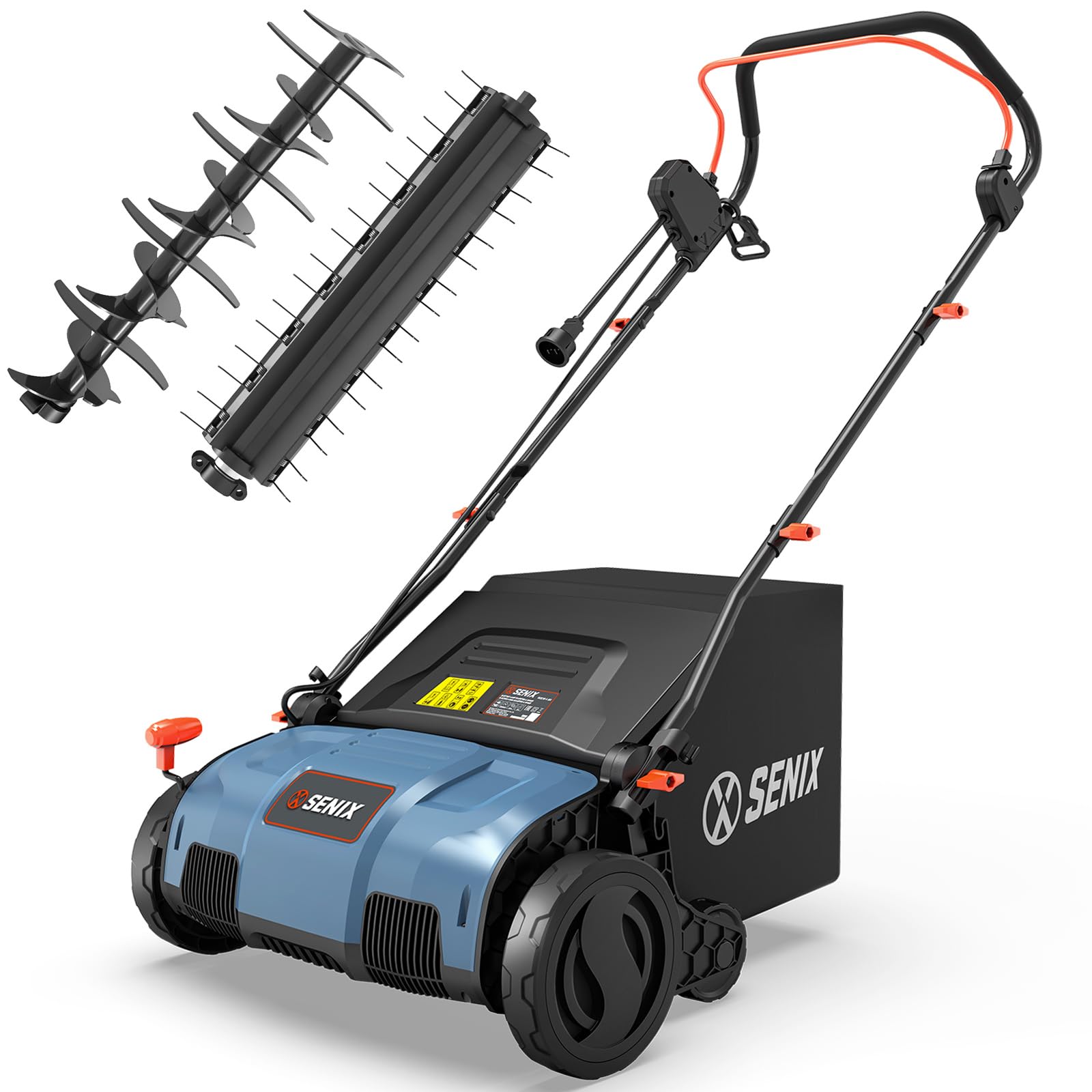
Our Top 3 Picks at a Glance
All three are walk behind electric machines with two working heads, one for dethatching and one for scarifying.
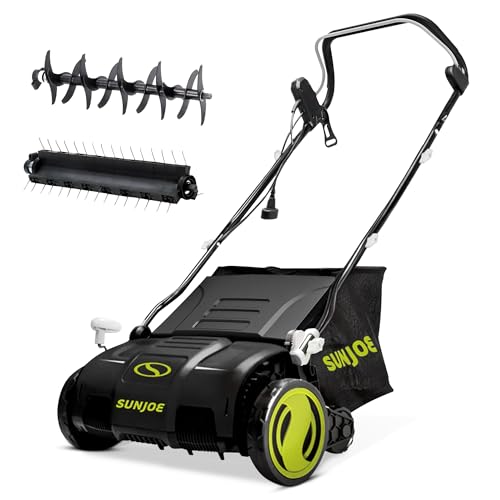
- Best Overall: Sun Joe AJ801E Electric Dethatcher and Scarifier (around $150). A proven corded machine with 5 depth positions, two reels and an 8 gallon bag.
- Runner Up: WEN DT1516 16 Inch 15 Amp Dethatcher and Scarifier (around $165). A wider path and a stronger motor for bigger lawns.
- Best Premium Pick: WORX WG855 40V Cordless Lawn Dethatcher (around $310). Battery freedom with a 14 inch 2 in 1 design.
The product table above adds more electric dethatchers from Greenworks, TIECTOWN and Westinghouse, plus tow behind dethatchers from Agri-Fab for riding mower owners.
How We Chose the Best Lawn Dethatcher
We focused on what matters for thatch removal: motor power, working width, depth adjustment and whether a scarifier head is included. Owner feedback carried a lot of weight, so we favored models with a large base of reviews and consistent comments about durability. We also compared price against features, checked warranty coverage and confirmed every pick is a current model in stock on amazon.com. Gas power rakes from commercial brands are hard to find new on Amazon, so for very large lawns we point to tow behind dethatchers and rental machines instead.
Lawn Dethatcher Reviews
1. Sun Joe AJ801E Electric Dethatcher and Scarifier: Best Overall
- Motor: 12 amp corded electric
- Working path: 12.6 inches
- Depth control: 5 position height settings
- Heads: spring steel tine dethatcher plus scarifier blade
- Collection: 8 gallon detachable bag
Why We Picked It
The AJ801E is the machine most homeowners should start with. It is compact, affordable and backed by one of the largest bodies of owner feedback in this category, which tells you it holds up to real use on ordinary suburban lawns. The 12 amp motor spins spring steel tines that lift embedded thatch and debris, and the Airboost design helps push that material into the bag.
Five height settings let you start shallow and go deeper only where the thatch is heavy, which protects healthy grass. Swap to the scarifier blade and the machine cuts into the soil surface to improve airflow and nutrient uptake, a helpful step before overseeding. The 8 gallon bag catches a good share of the debris, so cleanup is quicker than raking piles by hand.
It is also the best lightweight lawn dethatcher in our top three, which matters when you need to lift it into a shed or carry it to a backyard.
Pros
- Huge base of owner reviews and a long track record
- Affordable and easy to move and store
- Dethatcher and scarifier heads both included
- Five depth positions for gentle or deeper passes
Cons
- Extension cord management takes care
- Narrow path means more passes on big lawns
- Scarifying works the soil surface only, it is not core aeration
Who Should Buy It
The AJ801E suits small and medium lawns where an outlet is within reach. It is our best affordable lawn dethatcher pick at around $150 and a smart first machine for anyone new to lawn renovation.

2. WEN DT1516 16 Inch 15 Amp Dethatcher and Scarifier: Runner Up
- Motor: 15 amp, up to 3300 RPM
- Working path: 16 inches
- Depth control: 5 positions, from +1/4 to -1/2 inch
- Heads: 24 steel tine dethatching head and 20 blade scarifying head
- Extras: detachable collection bag, automatic overload shutdown, two year warranty
Why We Picked It
The WEN DT1516 steps up in both power and width. Its 15 amp motor and 16 inch clearing path cover ground faster than smaller machines, which cuts the number of passes on a larger yard. That makes it a strong choice for homeowners with heavier thatch who still want a corded electric tool rather than a gas engine.
WEN includes both heads in the box, so you can dethatch in spring and scarify before overseeding without buying extras. The depth range goes slightly above and below ground level, giving you control over how aggressive each pass is. An overload shutdown protects the motor if the tines bog down in very thick material, and the two year warranty adds peace of mind.
For buyers who want the best powerful lawn dethatcher that still plugs into the wall, the DT1516 is the most capable corded pick here.
Pros
- Wide 16 inch path for faster coverage
- Strong 15 amp motor for heavier thatch
- Both heads plus a collection bag included
- Overload protection and a two year warranty
Cons
- Heavier and bulkier than the Sun Joe
- Still limited by cord length
Who Should Buy It
Pick the WEN if your lawn is larger or the thatch layer is thick and you want fewer passes. At around $165, it gives you more width and power for little extra money.

3. WORX WG855 40V Cordless Lawn Dethatcher: Best Premium Pick
- Power: 40V cordless battery platform
- Working path: 14 inches
- Design: 2 in 1 dethatcher and scarifier
- Power source: rechargeable battery, so no extension cord is needed
Why We Picked It
Cords are the biggest annoyance with electric dethatchers. They drag across the lawn, catch on corners and limit how far you can go from the house. The WORX WG855 removes that problem with a 40V battery system, so you can work the far corners of a backyard or a lawn strip by the street without running extension cords.
The 14 inch path sits between the Sun Joe and the WEN, which keeps the machine manageable while still covering ground at a good pace. Like the corded picks, it handles both dethatching and scarifying, so one tool covers spring cleanup and seedbed prep. If you already own WORX battery tools, the platform fit adds even more value.
It costs about twice as much as a corded model, and the reviewer base is much smaller, so weigh convenience against price before you buy.
Pros
- No cord to manage or trip over
- 2 in 1 dethatching and scarifying
- Works on the WORX battery platform
- Quieter than gas power rakes
Cons
- Pricier than corded machines
- Runtime limited by battery capacity on larger lawns
- Smaller base of owner reviews
Who Should Buy It
Choose the WG855 if you own WORX batteries already or your lawn sits far from an outlet. It is the best easy to use lawn dethatcher for people who want to grab a tool and start without unrolling a cord. Expect to pay around $310.

Who Should Buy a Lawn Dethatcher (and Who Should Not)
A dethatcher is worth owning if your lawn feels spongy underfoot, water puddles instead of soaking in, or grass thins despite regular care. These are signs that thatch has built up past about half an inch. Cool season grasses like bluegrass and fescue, and spreading warm season grasses like Bermuda and zoysia, are the most prone to thatch.
Homeowners who plan to overseed also benefit, because seed needs good contact with soil to sprout. A quick pass with the scarifier opens the surface. For smaller lots, see our picks for the best lawn dethatcher for backyards, and for acreage, our list of the best lawn dethatcher for large yards.
You probably do not need one if your thatch layer is thin, if you mulch clippings on a healthy lawn, or if you only dethatch once every few years. Renting a machine for a weekend may be cheaper in that case. A quick test helps: cut a small wedge of turf with a trowel and measure the brown, fibrous layer between the green blades and the soil. Anything under half an inch is normal and even helpful, since it cushions the lawn and holds a little moisture. If you are unsure, read is a lawn dethatcher worth it before you spend.
How to Choose the Best Lawn Dethatcher
Finding the best lawn dethatcher for your yard comes down to matching the machine to your lawn size, grass type and power source. If you want to compare retailers and rental options too, see our guide on where to buy a lawn dethatcher.
Dethatcher vs Scarifier vs Power Rake
A dethatcher uses spring tines to comb dead material out of the lawn. A scarifier uses fixed blades that slice into the soil surface for deeper renovation and seedbed prep. A power rake is a heavier, usually gas powered machine with flail blades for severe thatch on large lawns. Most home electric models include both a dethatcher and scarifier head.
Working Width
Paths range from about 12 to 16 inches on walk behind electric models. Wider machines cover a lawn in fewer passes but weigh more and are harder to steer around beds. A 12 to 14 inch path is the best compact lawn dethatcher size for small yards, while 15 to 16 inches suits mid size lawns.
Depth Settings
Look for at least four or five depth positions. Start shallow for a light comb and lower the tines only where thatch is thick. Too deep a pass can tear out healthy grass, especially in spring when roots are still shallow.
Timing matters as much as depth. Dethatch cool season lawns in early fall or early spring, when the grass is growing strongly and can recover. Warm season lawns respond best in late spring or early summer. Mow a little shorter than usual first, make sure the soil is slightly moist rather than soggy, and work in two directions for heavy buildup. Follow up with seed, a light feeding and steady watering so new growth fills the gaps.
Corded vs Battery vs Gas vs Tow Behind
Corded models are affordable, light and powerful enough for most homes. Battery models trade some runtime for freedom of movement. Gas power rakes handle heavy thatch on big properties but cost far more and need engine care. Tow behind dethatchers hook to a riding mower or tractor and are the best heavy duty lawn dethatcher option for an acre or more, though they comb rather than slice.
For most suburban lots under a quarter acre, a corded machine is the practical sweet spot. It starts instantly, needs no fuel or charging and weighs little. Battery models make sense when outlets are far away or you already own a compatible battery. Gas power rakes belong on big properties with heavy buildup, and renting one for a day is often the most sensible route there.
Collection Bag
A bag saves a lot of raking afterward. Bigger bags mean fewer stops, but they also add weight as they fill. Plan to empty often on lawns with heavy thatch, and keep a rake handy for whatever escapes. On a lawn with heavy buildup, some owners skip the bag on the first pass, rake the loose thatch into piles, then attach the bag for a cleaner second pass. Thatch you collect can go into a compost pile in thin layers mixed with greens.
Ease of Use
Check the weight, handle height and how easy it is to swap heads and change depth. Folding handles help with storage. For older users or anyone with a back issue, lighter corded or cordless machines are far easier to handle than gas units. Consider noise as well: electric motors are much quieter than gas engines, so the best quiet lawn dethatcher for an early weekend start in a busy neighborhood is almost always electric. Finally, check that replacement tines and blades are easy to buy, since they are the parts that wear.
FAQs About Lawn Dethatchers
How long does a lawn dethatcher last?
Most electric dethatchers last many seasons because they run only once or twice a year. Tines and scarifier blades wear first and are usually replaceable. Clean grass and soil off the machine after each use, store it dry, and check the tines before each season to keep it working well.
Is a lawn dethatcher worth the money?
Yes, if you have a thatch problem or plan to overseed. An electric dethatcher costs about the same as one or two weekend rentals of a gas power rake, and it saves hours of hand raking. If you dethatch only every few years, renting may be the better deal.
How much should I spend on a lawn dethatcher?
A capable corded model costs roughly $80 to $200. Cordless machines run higher, often around $300, and tow behind dethatchers for riding mowers start near $100. Gas power rakes for commercial use cost far more, so most homeowners rent them instead.
How do I maintain a lawn dethatcher?
Unplug or remove the battery, then brush off grass and soil after every use. Empty and shake out the collection bag. Inspect the tines and blades for wear or bends and replace them as needed. Store the machine indoors, dry, and away from frost.
Final Verdict
The Sun Joe AJ801E is the best lawn dethatcher for most homeowners, combining a light build, two heads and a proven track record at a fair price. The WEN DT1516 suits larger lawns that need a wider path and more power, while the WORX WG855 is worth the premium if you want cordless freedom. Check today's price and plan your pass for early fall or spring.