
Is a Lawn Aerator Worth It? Honest Pros, Cons and Verdict (2026)
Disclosure: We may earn a commission when you buy through links on this page, at no extra cost to you. As an Amazon Associate I earn from qualifying purchases. Learn more

Is a lawn aerator worth it for your yard? Prices by type, real benefits and drawbacks, who should buy one and when renting makes more sense.
For most homeowners with compacted soil, yes, a lawn aerator is worth it. A manual or tow behind model costs less than a couple of professional visits, and aerating once a year helps water, air and fertilizer reach the roots. So is a lawn aerator worth it for you? It depends on your soil, your lawn size and how much effort you want to put in.
If your lawn is small, your soil is loose and sandy, or you rarely see puddles and bare patches, renting a machine or hiring a service once every year or two may be the smarter move. Below we break down what you get for the money, the real benefits and drawbacks, and who should buy versus rent.

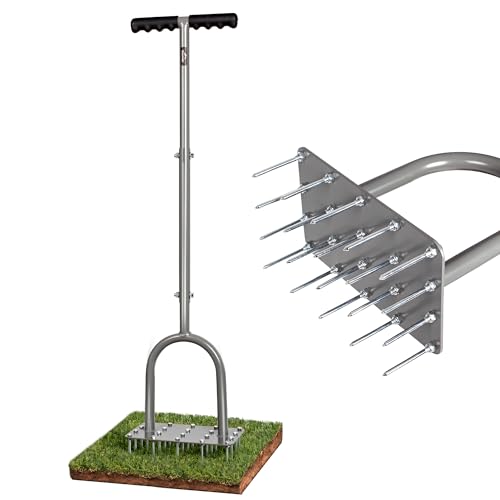
What You Get for the Money
Lawn aerators come in four broad groups, and the price climbs with the area they cover and how they open the soil.
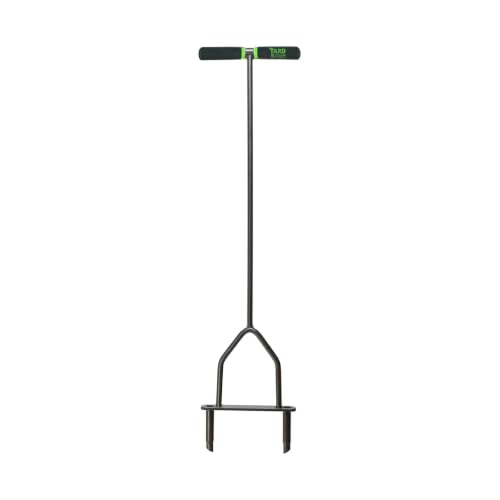
- Manual step tools (around $30 to $50): a long handle with two to four hollow tines or a row of spikes. You push them in with your foot, one spot at a time.
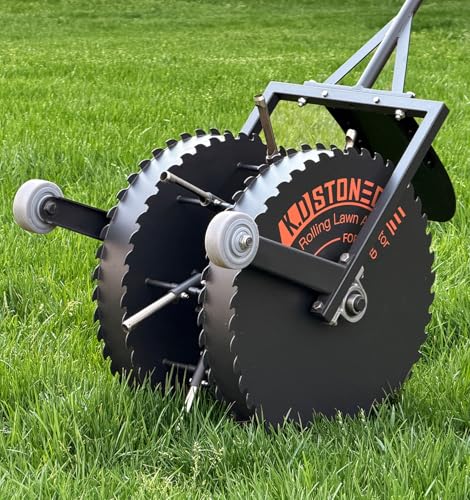
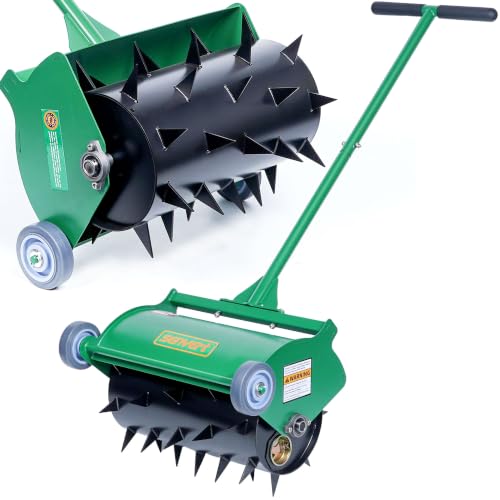
- Rolling push aerators (around $60 to $260): a drum of spikes or hollow tines that you push like a mower. Some accept added weight to sink deeper.
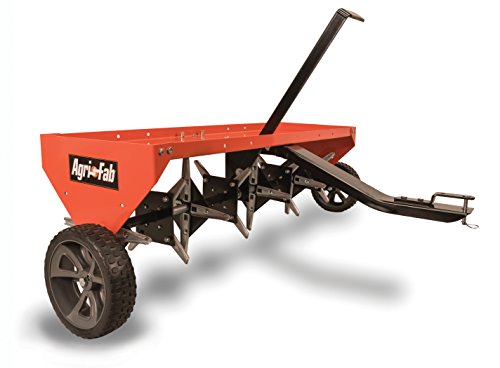
- Tow behind aerators (around $130 to $320): spike or plug units that hitch to a riding mower or lawn tractor and cover a lot of ground quickly.
- Powered walk behind core aerators: heavy gas machines that pull plugs on their own. New commercial units cost several thousand dollars, which is why most homeowners rent them.
The key difference is core aeration versus spiking. A plug aerator removes small cores of soil and leaves real channels behind. A spike aerator simply pokes holes, which can press the soil around each hole even tighter. Our guide on how much does a lawn aerator cost breaks pricing down further.
Benefits of Owning a Lawn Aerator
The biggest benefit is healthier roots. Compacted soil squeezes out the air pockets that grass roots need, and it makes water run off instead of soaking in. Opening the soil lets moisture, oxygen and nutrients move down to the root zone, so the grass grows deeper and handles summer heat and drought better.
Aeration also makes other lawn work pay off. Fertilizer reaches the roots instead of washing away, and seed spread right after aerating drops into the holes, where it has soil contact and protection. Many lawn care pros pair aeration and overseeding in fall for exactly that reason.
Owning the tool gives you control over timing. Cool season grasses respond best to fall aeration and warm season grasses to late spring, and those windows are also when rental shops get busy. With your own aerator, you can work when the soil is moist and the weather is right, and you can repeat the job on trouble spots like paths and play areas.
Over a few years, a manual or tow behind unit can also cost less than paying for a service each season. That is the main answer to why buy a lawn aerator instead of hiring help: lower long term cost and better timing.
Drawbacks to Consider
Manual aerators are hard work. Stepping a coring tool into the ground thousands of times is tiring, and in dry clay it can feel nearly impossible. They make sense for small lawns or spot work, not for a large yard.
Spike models are cheaper and easier to push, but they do less for truly compacted soil because they only poke holes. Rolling aerators often need extra weight to penetrate, and they skip over hard ground.
Tow behind units need a riding mower or tractor, which rules them out for many suburban homes. Storage is another issue, since rollers and tow units take up garage space for a job you may do only once a year.
Finally, the best results come from a powered core machine, and buying one new rarely makes financial sense for a single property. That means owning a cheaper tool can still leave you short of professional results on heavy clay. If clay is your challenge, see our picks for the best lawn aerator for clay soil.
Who Should Buy One (and Who Should Skip It)
Buying makes sense if any of these sound familiar:
- Your lawn has heavy foot traffic from kids, pets or parked equipment.
- Water puddles or runs off after rain, and the soil feels hard when you push a screwdriver into it.
- You overseed every year and want better seed to soil contact.
- You already own a riding mower that can pull a tow behind unit.
- You have a small lawn or a few problem spots that a manual tool can handle.
You can probably skip buying if:
- Your soil is sandy and drains well, so compaction is rare.
- You have a large lawn but no tractor, and you would rather rent a powered machine once a year.
- You already pay a lawn service that includes aeration.
Homeowners with big properties or tough soil who still want to own should look at our list of the best lawn aerator for heavy duty use.
Cost of Ownership Over Time
Manual and rolling aerators have almost no running costs. You may need to clean soil out of hollow tines, tighten bolts and keep the metal dry to prevent rust. Replacement tines are cheap when they wear or bend.
Tow behind units add a little more upkeep. Check the hitch and bearings, keep the tines or knives clean and store the unit under cover. Your tractor's fuel and maintenance also count toward the cost of each session.
Renting a powered core aerator means a fee every time, plus the effort to haul a heavy machine home and back. Over three to five seasons, a tow behind or rolling model you own often costs less than repeated rentals or service visits, especially if you aerate every year.
Alternatives Worth Considering
If buying does not fit, you have options. Renting a gas core aerator for a day gives you professional results without storage, and splitting the rental with a neighbor cuts the cost. Hiring a lawn service saves your back and is often bundled with overseeding.
Liquid aeration products are another choice, though they work more slowly and are not a direct replacement for removing cores. A dethatcher or scarifier can help if the real problem is a thick thatch layer rather than compaction.
Our Verdict: Is a Lawn Aerator Worth It?
For homes with compacted soil, frequent traffic or a habit of overseeding, owning an aerator pays off in healthier grass and lower long term costs. A manual coring tool suits small lawns, a rolling aerator fits average yards, and a tow behind unit makes sense if you have a riding mower. If your soil drains well or your lawn is very large and you have no tractor, renting is the better deal.
Frequently Asked Questions
When is the best time to aerate a lawn?
Aerate when your grass is growing strongly so it can recover quickly. For cool season grasses like fescue and bluegrass, early fall is ideal, with spring as a backup. For warm season grasses like Bermuda and zoysia, late spring to early summer works best. Aerate when the soil is moist, not soggy or bone dry.
How long does a lawn aerator last?
A manual or rolling aerator made from steel can last many years, since it has few moving parts. Tines may bend or wear and are usually cheap to replace. Tow behind units also last a long time if you keep bearings greased and store them dry. Rust is the main enemy of every type.
What is the best lawn aerator to buy?
The best choice depends on lawn size and soil. A hollow tine core tool works for small lawns, a rolling core aerator suits average yards and a tow behind plug model is best for large properties. Before deciding is a lawn aerator worth buying for you, read our guide on where to buy a lawn aerator to compare stores and returns.
Final Thoughts
So, is a lawn aerator worth it? If compaction, runoff or thin grass are common in your yard, owning one usually pays for itself in a few seasons. Match the type to your lawn size, aerate at the right time and pair it with overseeding. When you are ready to shop, start with our picks for the best lawn aerator.


