Top 3 Lightweight Canister Vacuums in 2026: Honest Reviews and Buying Advice
Disclosure: We may earn a commission when you buy through links on this page, at no extra cost to you. As an Amazon Associate I earn from qualifying purchases. Learn more

Our best lightweight canister vacuum picks are easy to carry and steer, plus a guide to suction, filtration, bags and floorheads.
Canister vacuums have a secret advantage over uprights: you never push the motor around. The heavy part rolls along behind you on wheels, while your hand only guides a slim wand and floor head. That makes them easier on wrists and shoulders, quieter in many cases and much better at reaching under beds, along baseboards and up the stairs. The best lightweight canister vacuum takes that idea further with a light body you can lift with one hand, a manageable hose and enough suction to clean hard floors, rugs and upholstery in one session.
We compared current canister vacuums sold on Amazon by their published specs, verified owner feedback, expert reviews and price against features. Three stood out: the Miele Classic C1 Pure Suction as the best overall pick for hard floors and low pile carpet, the Miele Classic C1 Turbo Team as the premium choice for homes with more rugs, and the Bissell Zing bagged canister as the best value for small homes on a tight budget.





Our Top 3 Picks at a Glance
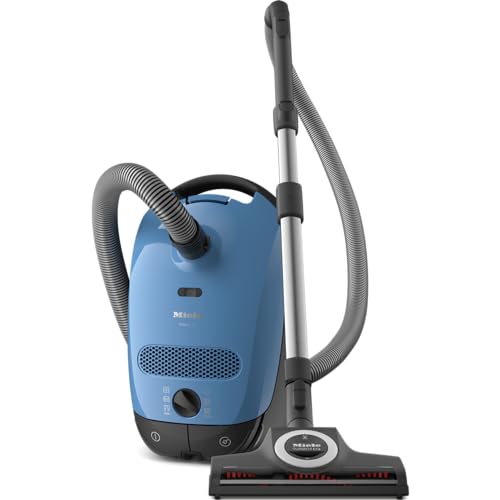
- Best Overall: Miele Classic C1 Pure Suction Canister Vacuum (around $310). Six suction settings, Miele's three stage AirClean filtration and onboard tools in a compact German built body.
- Best Premium Pick: Miele Classic C1 Turbo Team Canister Vacuum (around $370). Adds a TurboTeQ floorhead for low to medium pile carpet plus a parquet head for hard floors.
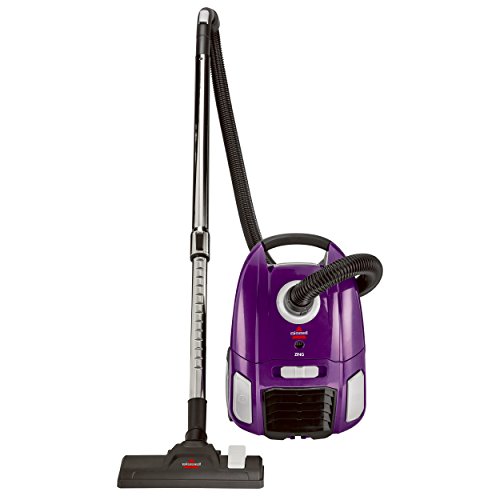
- Best Value: Bissell Zing Lightweight Bagged Canister Vacuum 2154A (around $90). Variable suction, automatic cord rewind and washable filters for a very low price.
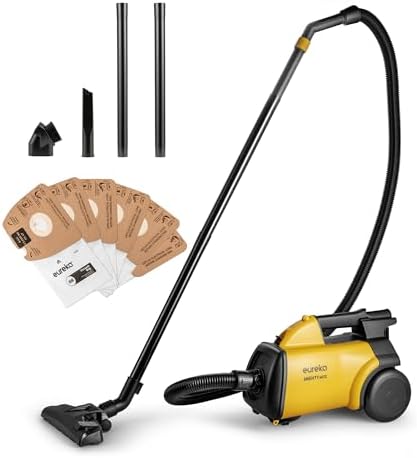
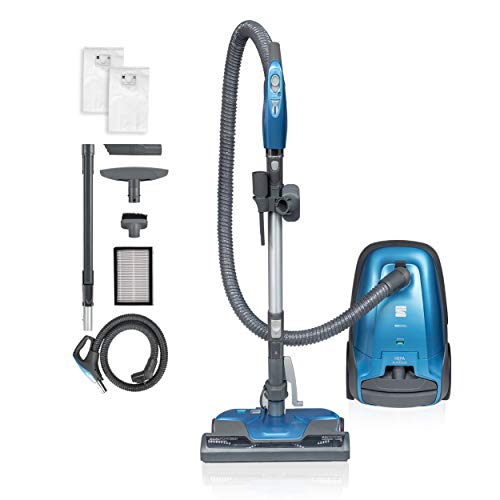
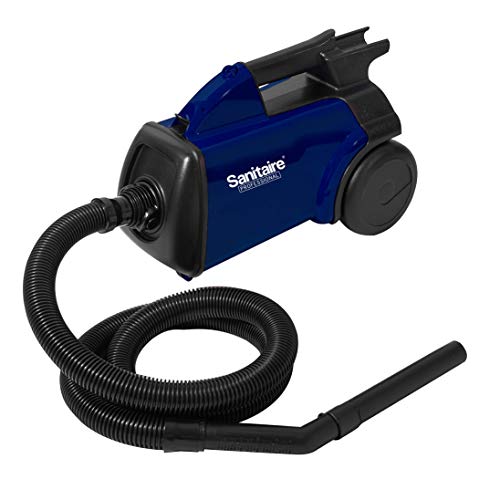
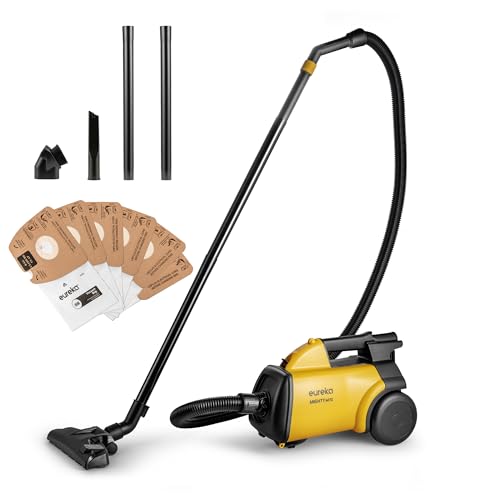
The comparison table above also lists more light canisters, including Kenmore's lightweight bagged models, the Hoover Commercial PortaPower, the 5 pound Oreck XL Pro 5, Sanitaire's compact canister and Eureka's WhirlWind and Mighty Mite.
How We Chose the Best Lightweight Canister Vacuum
We focused on canisters that are easy to carry from room to room and up stairs, with light wands and a body that does not fight you on every turn. Within that group, we compared suction control, filtration, included tools, cord length and how well each model handles both hard floors and rugs. Owner feedback on Amazon carried significant weight, especially for models with a large base of verified reviews and consistent comments about durability. Finally, we weighed price against features and confirmed every pick is in stock and a current model.
Lightweight Canister Vacuum Reviews
Each review lists the maker's confirmed specs, why the model earned its place, the main pros and cons, and who it suits best. Two of our picks are bagged Miele canisters, a long favorite for allergy conscious households, and the third is a simple budget model that covers everyday cleaning in smaller homes.
1. Miele Classic C1 Pure Suction Canister Vacuum: Best Overall
- Bagged canister designed for hard floors and low pile carpet
- Six suction power settings for different surfaces
- AirClean three tier filtration: Miele FilterBag, Motor Protection Filter and AirClean Exhaust Filter
- SBD 365-3 Combination Floorhead
- Clip on dusting brush, crevice tool and upholstery tool
Why We Picked It
The Classic C1 is Miele's entry canister, and it delivers the brand's strengths without the bulk of its larger models. The compact body rolls behind you while you guide a light wand, so the effort stays low even in long sessions. Six suction settings let you dial power down for curtains and delicate rugs or up for hard floors and low pile carpet, which makes it far more flexible than most budget canisters with a single speed.
Filtration is where Miele stands apart. The AirClean system pairs a genuine Miele FilterBag with a Motor Protection Filter and an AirClean Exhaust Filter, a three stage setup that Miele says leaves the room air cleaner after vacuuming than before. Because dust is sealed inside a bag, emptying it is clean and quick, a big plus for allergy sufferers who hate the dust cloud of a bagless bin.
The included Combination Floorhead switches between carpet and hard floors, and the clip on accessories stay with the vacuum so you are never hunting for a crevice tool. It is the canister we would recommend to most homes with mostly hard floors and a few rugs.
Pros
- Easy to maneuver around and under furniture
- Six suction settings for precise control
- Excellent three stage filtration
- Huge base of owner reviews and a long track record
Cons
- Not designed for medium or deep pile carpet
- Ongoing cost of Miele bags
Who Should Buy It
Choose the C1 Pure Suction if your home is mostly hardwood, tile or low pile carpet and you want a quiet, light and well filtered vacuum. At around $310, it is a long lasting investment for allergy conscious homes.

2. Miele Classic C1 Turbo Team Canister Vacuum: Best Premium Pick
- Bagged canister for hard floors and low to medium pile carpet
- Six suction power settings
- AirClean three tier filtration system
- STB 305-3 TurboTeQ floorhead plus SBB Parquet-3 floorhead
- Dusting brush, crevice tool and upholstery tool
Why We Picked It
The Turbo Team shares the light C1 body, but adds a TurboTeQ floorhead that uses airflow to spin a brush roll. That brush agitates low and medium pile carpet far better than a plain suction head, lifting embedded dirt and hair without the weight of a motorized power head and its extra wiring.
It also includes a dedicated parquet floorhead with soft bristles for hardwood, so you can switch heads to match each room. Combined with six suction settings and Miele's AirClean filtration, it covers almost every surface in a typical home. The three stage system and sealed bag keep dust contained for allergy sufferers, just like the Pure Suction model.
For homes with a mix of rugs, bedrooms with carpet and hard floors elsewhere, the Turbo Team is the more complete package, and the price step up is modest.
Pros
- Turbo brush head cleans carpet more deeply
- Separate parquet head protects hard floors
- Light body and wand with six suction settings
- Strong filtration for allergies
Cons
- Air driven brush is less powerful than an electric power head
- Bags and filters add ongoing cost
Who Should Buy It
Pick the Turbo Team if your home mixes hard floors with low to medium pile carpet and rugs, and you want Miele quality in a light canister. At around $370, it is the premium choice in this guide.

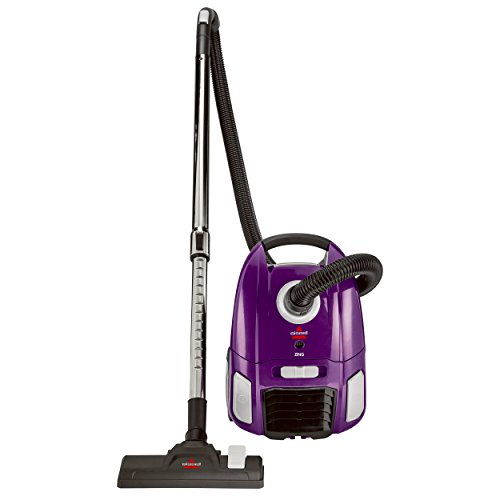
3. Bissell Zing Lightweight Bagged Canister Vacuum 2154A: Best Value
- Variable suction for bare floors, rugs and above floor cleaning
- Switch between carpet and hard floors with the flip of a switch
- Automatic cord rewind
- Easy to remove dust bag
- Washable, reusable pre motor and post motor filters
Why We Picked It
Not everyone needs a premium canister. The Bissell Zing covers the basics for small apartments, dorms and second floors at a fraction of the price. Its variable suction lets you lower power for curtains and upholstery and raise it for floors, and a simple switch changes the floor tool between carpet and hard surfaces.
It is bagged, so emptying is tidy, and the pre motor and post motor filters are washable and reusable, keeping running costs low. Automatic cord rewind makes storage quick, and the light body is easy to carry up stairs or into a closet.
It lacks the refined filtration and build quality of the Miele models and will not deep clean thick carpet, but for light, everyday cleaning it is excellent value and one of the easiest canisters to live with.
Pros
- Very affordable
- Light and easy to carry
- Bagged design with washable filters
- Automatic cord rewind
Cons
- Not designed for deep carpet cleaning
- Basic tools compared with premium models
Who Should Buy It
Buy the Zing if you want a light, inexpensive canister for a small home, apartment or quick daily cleanups. At around $90, it is the value pick here.
Why Weight Matters More Than You Think
With a canister, weight affects you in two ways: what you carry between rooms and floors, and what your hand holds while you clean. If you want a wider view of models, see our guide to the best canister vacuum.
Weight vs power trade off
Lighter canisters often have smaller motors and bins, but a well designed airflow path makes up much of the difference. On hard floors and low pile carpet, a light canister cleans as well as a heavy one. Deep carpet is where heavier machines with electric power heads pull ahead, so match the vacuum to your floors. If most of your home is hard flooring with a few area rugs, a light canister with a turbo head is usually all the machine you need.
Balance and ergonomics
Because the canister rolls behind you, your hand only supports the wand and floor head. A light aluminum or telescoping wand makes a big difference over a long session. Look for a comfortable handle grip and a body that tracks smoothly without tipping over when you pull the hose around corners.
Who benefits most
People with back, wrist or shoulder problems, older adults, and homes with stairs benefit most from a light canister. They also suit anyone who cleans curtains, upholstery and ceilings often, since the hose and wand reach places an upright cannot. Renters who move often appreciate how easily a small canister packs into a closet or car trunk, too.
How to Choose the Best Lightweight Canister Vacuum
Start with your floors, the size of your home and whether allergies are a concern. Those three points narrow the choice quickly, and the details below cover the rest. The best lightweight canister vacuum for a studio apartment with laminate floors will look very different from one for a family home with pets and stairs.
Suction Power and Airflow
Adjustable suction is one of the biggest advantages of canisters. It lets you clean delicate rugs and curtains on low power and floors on high. Owner comments about pickup on your floor type are a better guide than motor wattage, since airflow design matters as much as raw power.
Floor Types and Brush Roll Options
Plain suction heads and parquet brushes excel on hard floors, while turbo or electric power heads are needed for carpet. If your home is mostly hardwood, our list of the best canister vacuum for hardwood floors focuses on gentle, effective heads.
Bagged vs Bagless
Bagged canisters seal dust away and hold more before emptying, which suits allergy sufferers. Bagless models save on bags but release some dust when emptied and rely heavily on filters. Light bagless canisters like the Eureka WhirlWind are affordable, while premium bagged canisters usually offer better filtration.
Filtration and Sealed System (HEPA)
A multi stage or HEPA system only helps when the body is well sealed. Miele's AirClean system and similar designs trap fine dust before air leaves the vacuum. Check filter replacement intervals and costs before buying, since they add to the price over time.
Weight and Maneuverability
Light canisters typically weigh between about 5 and 12 pounds. Large, smooth wheels and a swiveling hose help the body follow you without snagging on furniture. A telescoping wand adjusts to your height, which reduces bending. Before buying, picture carrying the canister up a full flight of stairs with the hose over your shoulder. If that sounds awkward, look for a model with a carry handle on top and a hose that clips neatly to the body.
Cord Length or Battery Runtime
Most canisters are corded and many have automatic cord rewind. A longer cord or larger cleaning radius means fewer outlet changes. Cordless canisters are rare, so plan on plugging in and moving between outlets as you work through the house. A cleaning radius of 30 feet or more lets you finish most rooms from a single outlet, and a cord that rewinds at the push of a button makes the job feel much quicker.
Attachments and Above Floor Cleaning
Dusting brushes, crevice tools and upholstery tools are standard on good canisters. Pet owners should look for a turbo or motorized pet tool. Our guide to the best canister vacuum for pet hair covers models with the strongest pet tools.
FAQs About Lightweight Canister Vacuums
How long does a canister vacuum last?
A good canister vacuum often lasts 10 years or more, and premium models from brands like Miele are known for long service lives. Replacing bags and filters on schedule and keeping the hose clear protect the motor. Budget canisters may wear sooner with heavy daily use.
Is a canister vacuum worth the money?
Yes, especially for homes with hard floors, stairs and lots of above floor cleaning. Canisters are quieter, easier to maneuver under furniture and more versatile than many uprights. Their adjustable suction also makes them gentler on rugs and curtains.
How much should I spend on a canister vacuum?
Basic light canisters cost around $80 to $150, while premium models with better filtration and floorheads run $300 to $400 or more. For a wider look at options, see our guide to the best vacuum cleaner.
How do I maintain a canister vacuum?
Replace bags before they are overfull, wash or replace filters on schedule, and check the hose and wand for clogs. Clean floorhead brushes and wheels regularly. Our guide on where to buy a vacuum cleaner covers where to find bags and filters.
Final Verdict
The Miele Classic C1 Pure Suction is the best lightweight canister vacuum for most homes, with six suction settings, excellent filtration and a light, easy to steer body at around $310. The Miele C1 Turbo Team is the premium pick for homes with more carpet, and the Bissell Zing is the value choice for small spaces. Prices change often, so check today's price on Amazon before you buy.