How Does a Canister Vacuum Work? Everything You Need to Know (2026)
Disclosure: We may earn a commission when you buy through links on this page, at no extra cost to you. As an Amazon Associate I earn from qualifying purchases. Learn more
How does a canister vacuum work? The motor, hose, bag or cyclone and filters explained, plus what canisters are best used for.
A canister vacuum works by placing the motor, fan and dust container in a separate body on wheels, connected to the floor tool by a flexible hose and a wand. The motor spins a fan that creates low pressure inside the canister, so air rushes in through the floor tool, carrying dirt with it, then passes through a bag or cyclone and filters before leaving through the exhaust. If you have wondered how does a canister vacuum work and why so many people love them for hard floors and stairs, the answer comes down to that split design.
Below we explain what a canister vacuum is, the main parts inside, what it is used for, the different types and the pros and cons, so you can decide whether one belongs in your home.
What Is a Canister Vacuum?
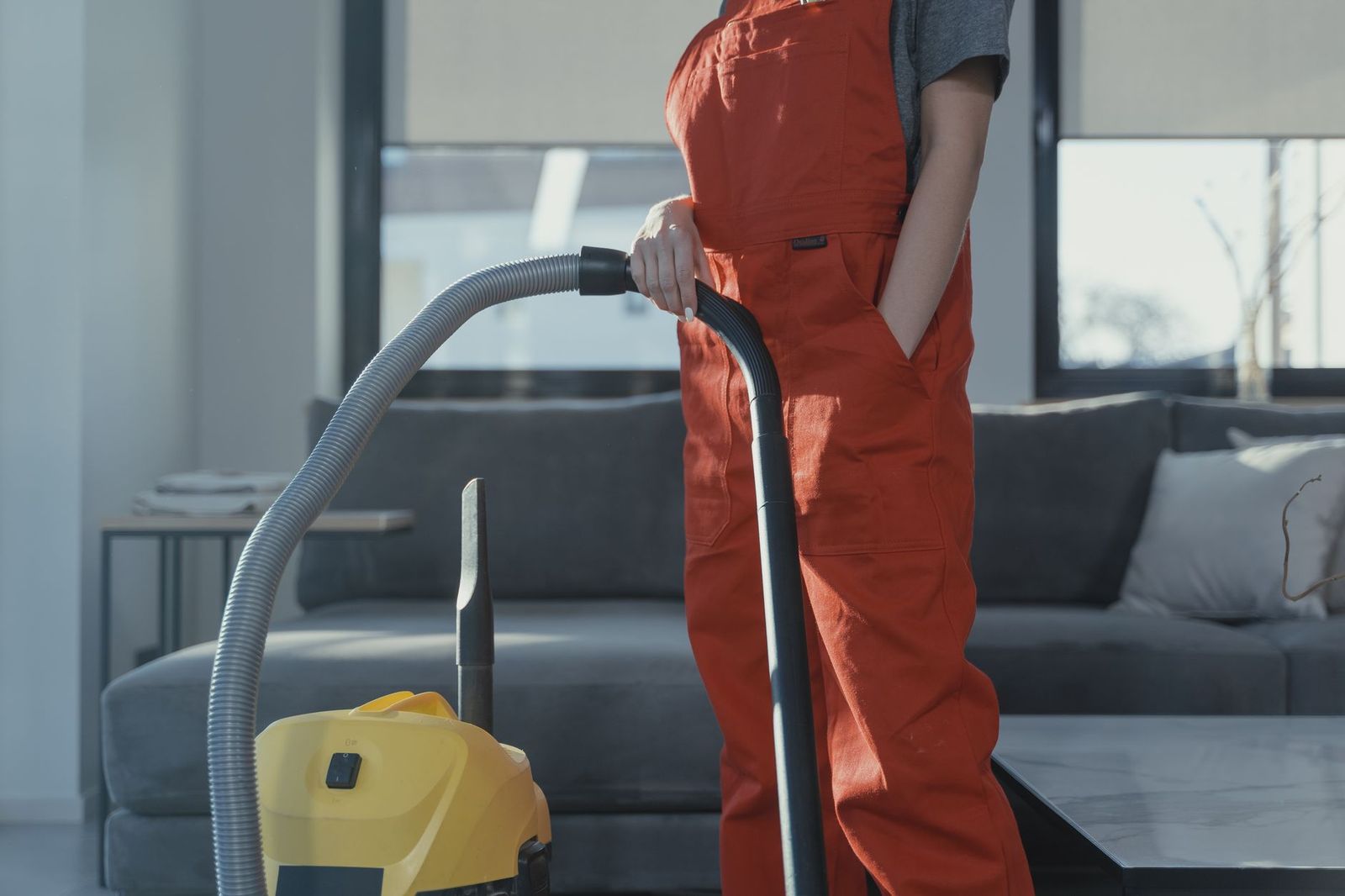
A canister vacuum is a vacuum cleaner with two main pieces: a compact body that holds the motor and dirt container, and a cleaning head on the end of a long hose and wand. You pull the body along behind you, or set it down at the foot of the stairs, while you steer only the light wand and floor tool.
This differs from an upright, where the motor, bin and brush roll all sit in one tall unit you push around. Because the heavy parts stay on the floor, a canister's wand feels much lighter in your hands. That makes it easier to reach under beds and sofas, clean stairs, dust drapes and get into corners.
Canisters have long been popular in Europe and remain a favorite in homes with lots of hard flooring, area rugs and stairs. Most are corded, and they come in bagged and bagless versions, with plain suction heads, air driven turbo brushes or motorized power heads.
How Does a Canister Vacuum Work?
Every canister relies on the same basic chain of parts working together:
- Motor and fan: An electric motor spins a fan at high speed. The fan pushes air out of the canister, which lowers the pressure inside and creates suction at the other end of the hose.
- Floor tool or power head: Air rushes in through the floor tool, carrying dust and debris. Hard floor tools use soft bristles, turbo heads use the airflow to spin a brush, and power heads have their own small motor to drive a brush roll for carpet.
- Wand and hose: The telescoping wand and flexible hose carry the dirty air back to the canister. The hose length is what gives canisters their reach.
- Bag or cyclone: In bagged models, the air passes through a paper or synthetic bag that traps dirt. In bagless models, a cyclone spins the air so heavier debris drops into a clear bin.
- Filters: A motor protection filter keeps fine dust out of the motor, and an exhaust filter, often HEPA grade, cleans the air before it leaves the machine.
- Controls and cord: Suction dials, foot switches or handle buttons adjust power, and many models have a retractable cord.
Because the airflow path is short and the motor sits in a sealed body, canisters can deliver strong, steady suction. Adjusting the power is simple, which is useful when you move from a heavy rug to delicate curtains.
Performance depends on keeping that airflow path clear. A full bag, a packed dust bin, a clogged hose or a dirty filter all restrict the air, and suction drops quickly as a result. That is why most canisters have a bag full indicator or a clear bin, and why changing bags and cleaning filters on schedule matters so much. Checking the hose for blockages when suction suddenly weakens solves most problems in seconds.
What Is a Canister Vacuum Used For?
So, what is a canister vacuum used for in a typical home? Here are the jobs where it shines.
Allergies & Dust
Many canisters, especially bagged models with sealed systems and HEPA filters, trap fine dust, pollen and pet dander well. The long hose also makes it easy to clean mattresses, drapes and upholstery, where allergens collect.
Area Rugs
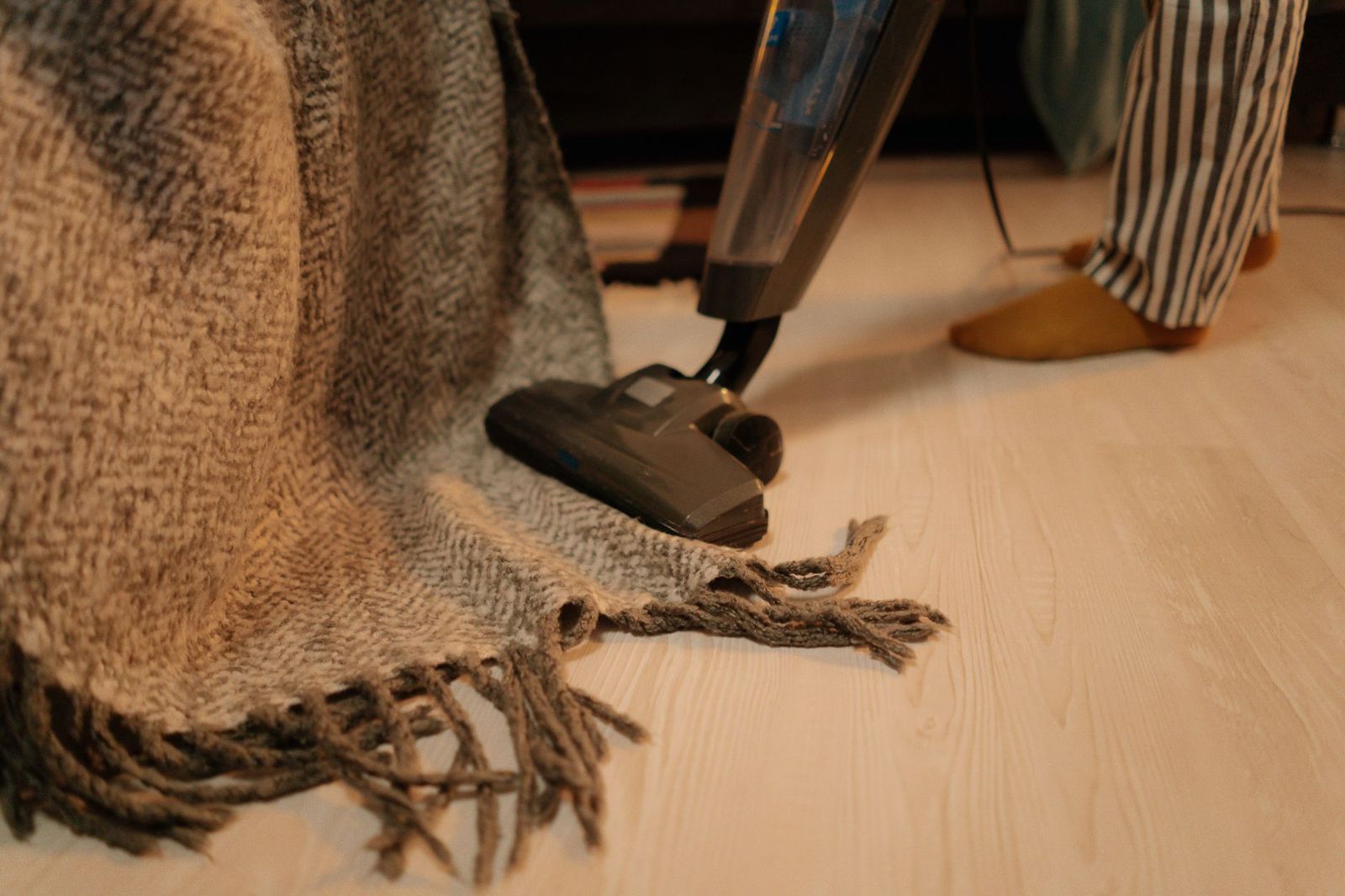
With a turbo or powered head, a canister brushes area rugs well, and suction control helps keep lightweight rugs and fringe from being pulled into the nozzle. You can then switch to a hard floor tool for the floor around the rug.
Carpet
Canisters with motorized power heads clean wall to wall carpet effectively. Models that rely only on suction or a turbo head are better suited to low and medium pile carpet.
Cat Litter
Scattered litter is a classic canister job. The crevice tool reaches behind the litter box and along baseboards, and the bare floor tool picks up granules on tile or vinyl without flinging them around.
Daily Cleaning & Busy Families
A canister handles quick cleanups across floors, stairs, cars and furniture with one machine. Onboard tools keep everything within reach, so it is easy to tackle crumbs, pet hair and dust between deeper cleans.
Types of Canister Vacuums
Canister vacuums vary mostly in how they collect dirt and what drives the floor head.
- Bagged canisters: Dirt goes into a sealed bag. They are cleaner to empty and often preferred by allergy sufferers, with the trade off of buying bags.
- Bagless canisters: A cyclone separates dirt into a clear bin. No bags to buy, but emptying can release dust, and filters need regular rinsing.
- Suction only canisters: Plain floor tools for hard floors and light rugs. These are usually the lightest and least expensive.
- Turbo brush canisters: An air driven brush spins using suction, giving rugs and low pile carpet a good brushing without a separate motor.
- Power head canisters: A motorized brush roll in the floor head, fed by wiring in the hose, for deep carpet cleaning.
- Compact and commercial canisters: Small, light bodies with shoulder straps for stairs, cars and professional use.
Cordless canisters exist but are less common, since the design suits corded power for long cleaning sessions.
Pros and Cons
Pros:
- Light wand and floor tool that is easy to steer
- Excellent reach under furniture, on stairs and up walls
- Adjustable suction for different surfaces
- Often quieter than uprights, with strong filtration on many models
Cons:
- You pull a separate body behind you, which can bump into furniture
- Storage takes more thought because of the hose and wand
- Basic models are weaker on thick carpet than a good upright
Is a Canister Vacuum Right for You?
A canister is a great choice if your home has lots of hard floors, area rugs or stairs, if you want to clean drapes and upholstery easily, or if anyone in the household has allergies. It also suits people who find pushing a heavy upright tiring.
If your home is mostly thick, wall to wall carpet and you want the simplest grab and go cleaning, a strong upright or a cordless stick may be more convenient. For a look at top models, see our guide to the best canister vacuum, plus our picks for the best canister vacuum for pet hair and the best canister vacuum for hardwood floors.
Frequently Asked Questions
Are canister vacuums better than uprights?
Neither is better for every home. Canisters are lighter to steer, reach under furniture more easily and handle stairs and hard floors very well. Uprights are often simpler to store and use on large areas of carpet. Choose based on your flooring, stairs and how you like to clean.
Is a canister vacuum worth buying?
For homes with mixed floors, rugs and stairs, a canister is usually worth it. You get strong suction, good filtration and flexible tools in one machine, and many models are built to last. If you mainly clean plush carpet, compare it with a powerful upright first.
How long does a canister vacuum last?
It depends on quality and care. Budget canisters usually give several years of regular use, while premium models are designed for much longer service. Replacing bags and filters on time, clearing clogs and protecting the hose all help a canister last longer.
Final Thoughts
Now you know how does a canister vacuum work: a motor and fan in a separate body pull dirt through a hose into a bag or bin, then filter the air. That design makes canisters light to steer and great for hard floors, rugs and stairs. Ready to choose one? See our picks for the best vacuum cleaner and tips on where to buy a vacuum cleaner.