
How Does a Garden Hose Work? Everything You Need to Know (2026)
Disclosure: We may earn a commission when you buy through links on this page, at no extra cost to you. As an Amazon Associate I earn from qualifying purchases. Learn more
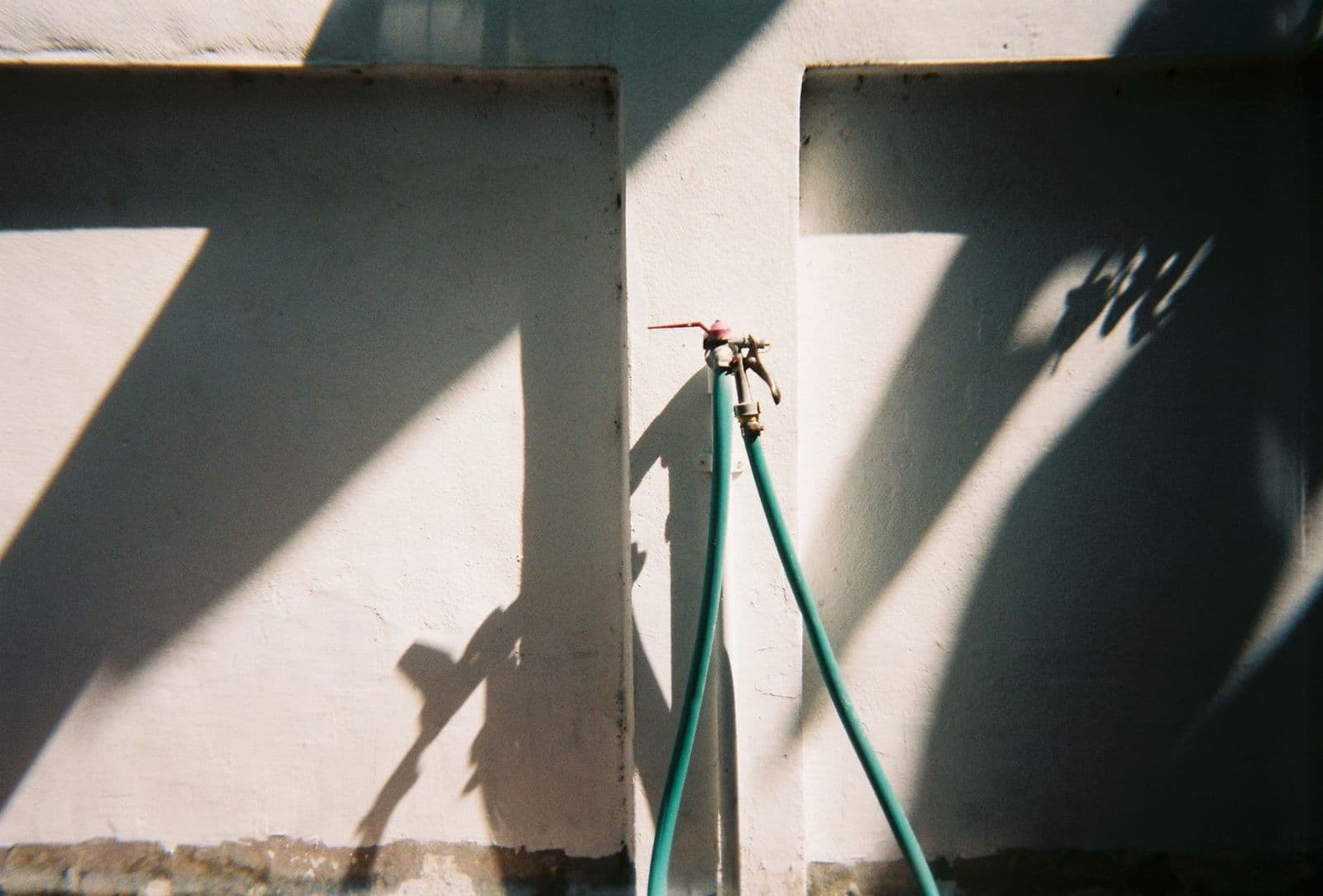
How does a garden hose work? Household pressure pushes water through a reinforced tube; diameter, length and fittings decide what reaches the nozzle.
A garden hose works by carrying pressurized water from your outdoor faucet (the spigot) through a flexible, reinforced tube to wherever you need it. The pressure comes from your home's water supply, not the hose itself; the hose simply guides that water, and a nozzle or sprinkler at the end shapes the flow. That is how does a garden hose work in plain terms, and every design, from a classic rubber hose to an expandable one, follows the same basic idea.
The details still matter. Diameter, length, materials and fittings decide how much water reaches your plants, how often the hose kinks and how many seasons it lasts. This guide explains the parts, the physics, the everyday uses and the main hose types, so you can pick the right one for your yard.
What Is a Garden Hose?
A garden hose is a flexible tube designed to move water outdoors at household pressure. It connects to an exterior faucet on one end and to a nozzle, sprinkler, wand or other attachment on the other. Most homeowners use one for watering plants and lawns, washing cars and rinsing patios.
Hoses are sold by inside diameter and length. Common diameters are 1/2 inch, 5/8 inch and 3/4 inch, with 5/8 inch the most popular all round choice. Lengths typically run from about 25 to 100 feet. The body of the hose is made from rubber, vinyl, a rubber and vinyl hybrid, polyurethane, or, in expandable hoses, a stretchy inner tube inside a fabric sleeve.
Fittings at each end are usually brass, aluminum or plastic. In the US, garden hoses use a standard garden hose thread, so a hose from one brand fits faucets, nozzles and sprinklers from another. Hoses labeled lead free or drinking water safe use materials intended for potable water, which is worth considering if you fill pet bowls, kiddie pools or water edible plants.
How Does a Garden Hose Work?
A garden hose is a simple system with a few parts that each play a role.
- Water source and spigot: your municipal supply or well pump keeps water in your pipes under pressure. Opening the outdoor faucet lets that pressurized water flow into the hose.
- Female coupling and washer: the end that screws onto the spigot has internal threads and a rubber washer. The washer seals the joint so water does not spray out around the threads.
- Inner tube: the smooth inside layer that carries the water. A smoother tube creates less friction, so more pressure reaches the far end.
- Reinforcement layer: a mesh or braided layer of fabric or cord wrapped around the inner tube. It keeps the hose from swelling or bursting under pressure and helps it resist kinks. Burst pressure ratings describe how much internal pressure the hose can hold before it fails.
- Outer cover: protects the hose from sun, abrasion and weather.
- Male coupling: the outlet end with external threads, where you attach a nozzle, sprinkler or another hose.
When you open the faucet, water fills the hose and pushes forward. If the end is open, it pours out at a steady rate. Add a nozzle and the opening becomes smaller, so the same water leaves faster in a jet or spray. Close the nozzle and the hose stays full and pressurized, which is why a quality hose needs strong reinforcement and tight couplings.
Diameter and length change what you feel at the nozzle. A wider hose moves more water, while a longer hose loses more pressure to friction along the way. That is why a short 5/8 inch hose feels strong, while a 100 foot 1/2 inch hose can feel weak, even on the same faucet. Kinks have the same effect as pinching a straw: flow drops sharply until the bend is straightened, which is why kink free designs are so popular.
What Is a Garden Hose Used For?
So, what is a garden hose used for? Mostly watering, but also cleaning cars, siding, windows, outdoor furniture and tools, filling pools and rinsing paths. The setting changes which hose works best.
Flower Beds
A hose with a watering wand or a gentle shower nozzle soaks beds at the roots without blasting soil off. Soaker hoses laid through the bed deliver slow, steady water right to the soil.
Large Yards
Big lawns call for a longer, wider hose and a sprinkler. A 5/8 or 3/4 inch hose keeps flow strong over distance, and a hose reel or cart keeps 100 feet of hose manageable.
Raised Beds
Raised beds dry out quickly. A short hose with an adjustable nozzle, or a drip line run along each bed, keeps soil evenly moist without wetting the leaves.
Small Gardens
Compact gardens benefit from a lighter, shorter hose that coils easily. An expandable or lightweight hybrid hose is easy to move between pots and beds.
Small Yards
In small yards and patios, a 25 to 50 foot hose usually reaches everywhere. Shorter hoses also keep more pressure at the nozzle, which helps when washing a car or rinsing a deck.
Types of Garden Hoses
- Rubber hoses: heavy, durable and flexible in cold weather. They handle hot water and sun well but cost more.
- Vinyl hoses: light and inexpensive, but more prone to kinking and cracking with age.
- Hybrid hoses: blends of rubber and vinyl or other polymers that aim for the flexibility of rubber at a lower weight.
- Expandable hoses: a latex or similar inner tube inside a woven fabric sleeve. They stretch to full length when water pressure fills them and shrink back when drained.
- Soaker hoses: porous hoses that seep water along their whole length, ideal for beds.
- Flat hoses: lie flat when empty and roll up tightly on a reel, saving storage space.
- Coiled hoses: spring back into a coil, handy for patios and balconies.
Pros and Cons
Pros:
- Delivers large volumes of water quickly with no lifting
- Works with nozzles, sprinklers and wands for many jobs
- Standard fittings connect across brands
- Affordable and easy to replace
Cons:
- Can kink, tangle and crack, especially cheaper vinyl hoses
- Heavy rubber hoses are tiring to drag
- Long hoses lose pressure
- Needs storage and winter draining to last
Is a Garden Hose Right for You?
If you have an outdoor faucet and anything to water or wash, a garden hose is close to essential. The real choice is which type. Pick a rubber or quality hybrid hose for heavy use and long life, an expandable hose for easy storage in a small yard, or a soaker hose for beds. Measure from the faucet to the farthest point you need to reach and add a little extra, but avoid buying far more length than you need, since every extra foot costs pressure.
Older gardeners or anyone with limited grip strength may prefer lighter hoses with easy connectors; our guide to the best garden hose for seniors covers those. Growers of edible crops should look at drinking water safe options in our best garden hose for vegetable gardens picks.
Frequently Asked Questions
How does an expandable garden hose work?
An expandable hose has a stretchy inner tube inside a loose woven fabric sleeve. When you turn on the water, pressure inflates the inner tube and the hose grows to its full working length. When you shut off the water and drain it, the tube contracts and the hose shrinks back, which makes it light and compact to store.
What is an expandable garden hose used for?
Expandable hoses are used for everyday watering, rinsing patios and washing cars, especially where storage space is limited. They suit balconies, small yards and gardeners who want a light hose. They are less suited to rough ground, sharp edges or constant heavy use, where a rubber or hybrid hose is more durable.
What size garden hose do I need?
Measure from your faucet to the farthest spot you water and choose the next length up. For diameter, 5/8 inch suits most homes, 1/2 inch is fine for short runs and light use, and 3/4 inch delivers the most water for large lawns and long distances.
Is a garden hose worth buying?
Yes. Even a basic hose saves hours compared with carrying watering cans, and a good one lasts many seasons. Spending a little more for strong fittings and kink resistance usually pays off. See how much does a garden hose cost for typical price ranges.
How long does a garden hose last?
A cheap vinyl hose may last only a few seasons, while a quality rubber or hybrid hose can last much longer. Draining it after use, storing it on a reel out of direct sun and bringing it indoors before freezing weather all extend its life.
Final Thoughts
Understanding how does a garden hose work makes buying one easier: your home supplies the pressure, the hose guides the water, and diameter, length and build quality decide what reaches the nozzle. When you are ready to choose, start with our picks for the best garden hose, and compare retailers in where to buy a garden hose.


