
How to Use a Garden Hose: Simple Steps, Tips and Mistakes to Avoid
Disclosure: We may earn a commission when you buy through links on this page, at no extra cost to you. As an Amazon Associate I earn from qualifying purchases. Learn more
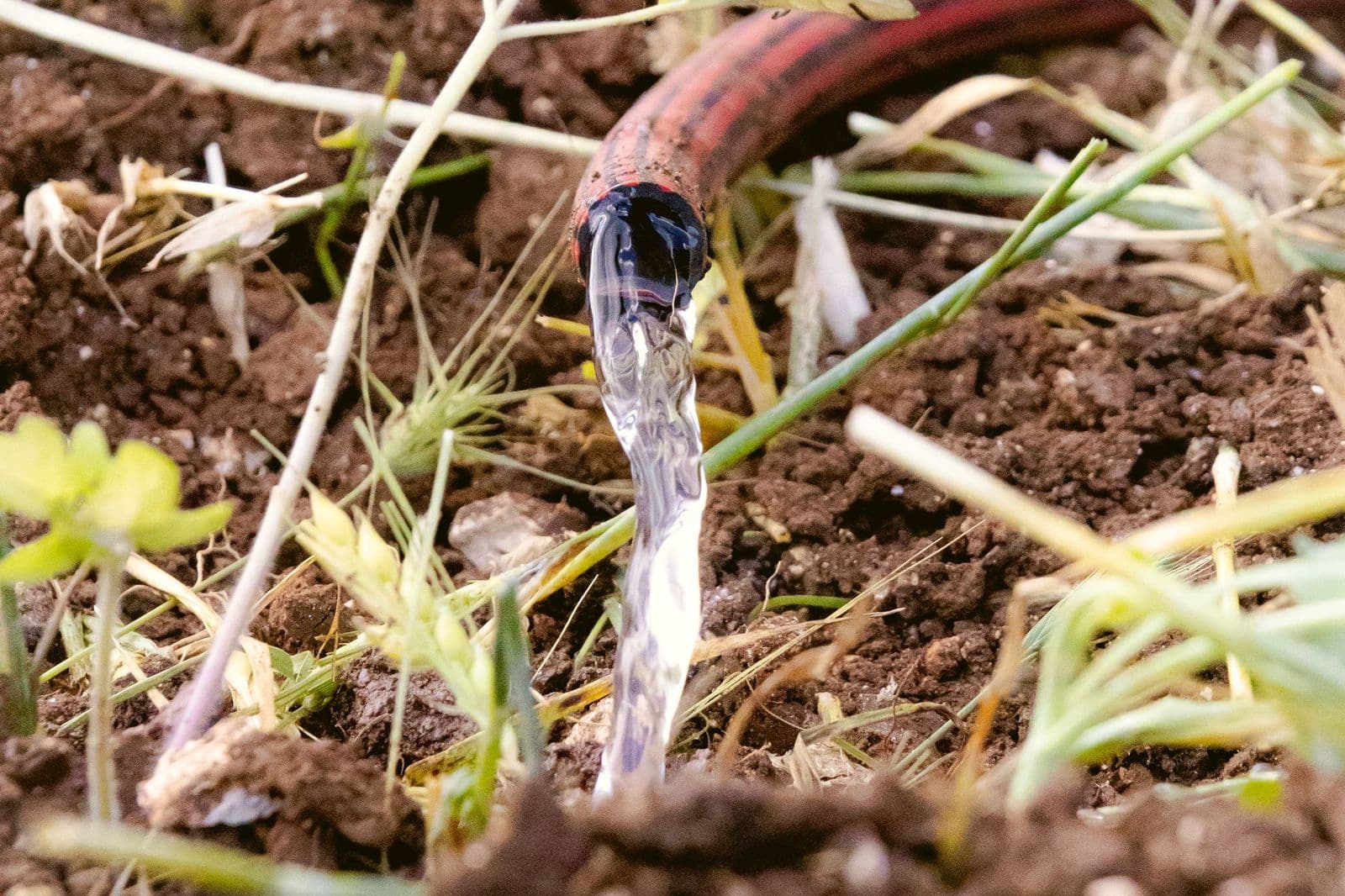
How to use a garden hose: connect it hand tight, water slowly at the roots, avoid kinks and store it drained and dry.
To use a garden hose, check the hose and washer, screw it hand tight onto the spigot, attach a nozzle, turn the water on slowly and adjust the spray for the job. Water at the base of plants rather than the leaves, move the hose without yanking it around corners, and when you finish, turn off the spigot, release the pressure, drain the hose and coil it loosely. That covers how to use a garden hose the right way, and a few simple habits make the hose easier to handle and help it last for many seasons.
This guide covers safety and prep, a step by step routine, pro tips for better watering and the common mistakes that cause leaks, kinks and wasted water.
Before You Start: Safety and Prep
A garden hose is simple, but a little prep avoids most problems. First, walk the route the hose will take and clear away sharp edges, hot surfaces and anything it could snag on. Keep the hose out of walkways where people might trip, or lay it along edges of beds and lawns.
Check that the spigot works and does not leak. If you have a vacuum breaker or backflow preventer on the spigot, leave it in place, since it helps keep garden water from flowing back into household plumbing. Avoid drinking from a standard hose unless it is labeled as safe for drinking water or lead free.
On hot days, let water run for a few seconds before spraying plants or pets, because water sitting in a sunny hose can get very hot. In cold weather, never use a hose that may have ice inside, and wait until temperatures are above freezing.
How to Use a Garden Hose Step by Step
These steps work for standard rubber, vinyl and hybrid hoses. Notes for expandable hoses follow at the end.
Step 1: Pick the right tool for the job
Choose a hose long enough to reach the farthest point you water, but not much longer, since extra length adds weight and reduces pressure. Pair it with the right nozzle: a multi pattern nozzle covers most jobs, a gentle shower or watering wand suits seedlings and beds, and a jet setting works for rinsing patios and tools. For lawns, a sprinkler saves you from standing in one spot.
The hose material matters too. Rubber hoses are heavy but tough and resist kinking, vinyl hoses are light and inexpensive but kink more easily, and hybrid hoses sit in between. A 5/8 inch diameter hose suits most homes, while a wider hose delivers more water over long runs.
Step 2: Check the condition before you start
Look along the hose for cracks, bulges or flat spots, and check that the rubber washer inside the female end is in place and not cracked. A missing or worn washer is the most common reason a connection drips. Make sure the brass fittings or plastic couplings are clean and the threads are not bent.
Step 3: Use proper posture and technique
Screw the hose onto the spigot by hand until it is snug, without forcing it. Attach the nozzle, then turn the water on slowly so pressure builds gently. When moving the hose, pull it in straight lines rather than dragging it around corners, which causes kinks and wears the cover. Lift the hose over obstacles, bend at the knees instead of the back when picking it up, and keep a light grip on the nozzle trigger to avoid hand fatigue.
Step 4: Work in manageable sections
Water one area at a time. Soak the base of each plant slowly so water sinks in instead of running off, then move on and come back for a second pass if the soil is dry. For a lawn, set a sprinkler on one section, let it run, then move it to the next. Working this way keeps the hose from snaking across freshly watered beds and saves water.
Step 5: Clean after use
Turn off the spigot, then squeeze the nozzle to release pressure before you disconnect anything. Rinse mud off the hose, and every so often give it a deeper clean. Our guide on how to clean a garden hose explains a full routine with a vinegar flush and washer check.
Step 6: Store it dry
Drain the hose by lifting one end and walking it toward the other, then coil it loosely on a reel or hanger. Keep it out of direct sun when you can, and bring it inside before freezing weather. Storing a hose under pressure or full of water shortens its life.
Pro Tips for Better Results
- Water early. Morning watering lets moisture soak in before the heat of the day and gives leaves time to dry.
- Aim low. Water the soil around the roots, not the leaves, to reduce waste and leaf disease.
- Water deeply, less often. Deep watering encourages strong roots, while frequent light sprinkling keeps them shallow.
- Use a shutoff valve. A quick shutoff at the nozzle end lets you swap tools without walking back to the spigot.
- Add a hose reel. Reels make it easier to unwind and rewind without kinks and keep the hose tidy.
- Mind the pressure. Very high household pressure can strain fittings and expandable hoses, so open the spigot partway when full force is not needed.
- Choose lead free for edibles. For vegetable gardens and pet bowls, a hose labeled lead free or drinking water safe is a smart choice.
Expandable hoses have their own rules. When learning how to use an expandable garden hose, turn the water on fully before spraying so the hose stretches to length, and always release pressure after use so it shrinks back. Avoid dragging it over rough concrete and keep it away from sharp edges, since its fabric cover is thinner than a rubber hose.
Common Mistakes to Avoid
Most hose problems come from a handful of everyday habits. Avoid these and your hose will leak less, kink less and last longer.
- Leaving the water on and the hose pressurized after you finish.
- Yanking the hose around corners or trees, which causes kinks and wears the cover.
- Overtightening fittings with pliers, which can strip threads and crush washers.
- Leaving the hose in direct sun or out in freezing weather.
- Running over the hose with a mower or car.
- Using a jet setting on delicate plants or soft soil.
- Drinking from a hose that is not labeled safe for drinking water.
Frequently Asked Questions
How often should I water with a garden hose?
It depends on your plants, soil and weather. Many lawns and gardens do well with a deep watering a few times a week rather than a little every day. Check the soil an inch or two down: if it is dry, it is time to water. Hot, windy weather and sandy soil call for more frequent watering.
Can beginners use a garden hose safely?
Yes. A garden hose is one of the easiest garden tools to use. Start with a lightweight hose and a simple multi pattern nozzle, keep the hose out of walkways, turn the water on slowly and release pressure when you finish. Our picks for the best garden hose for seniors highlight light, easy to handle options.
Is it safe to drink water from a garden hose?
Only if the hose is labeled as safe for drinking water or lead free. Standard hoses can contain materials you do not want in drinking water, and water that sits in a hot hose can pick up off flavors. For filling pet bowls or watering edible plants, a drinking water safe hose is the better choice.
Final Thoughts
Learning how to use a garden hose well means checking it before use, connecting it hand tight, watering slowly at the roots, moving it without kinks and storing it drained and dry. When it is time for a new one, see our picks for the best garden hose and the best garden hose for vegetable gardens. Our guides on where to buy a garden hose and how much does a garden hose cost will help you shop.


