
How Does a Robot Mop Work? Everything You Need to Know (2026)
Disclosure: We may earn a commission when you buy through links on this page, at no extra cost to you. As an Amazon Associate I earn from qualifying purchases. Learn more

How does a robot mop work? Water delivery, pads, rollers and spinning mops, navigation and self washing docks explained.
A robot mop works by spraying or feeding water onto a cleaning pad, roller or pair of spinning pads, then scrubbing the floor as it drives itself around your home using sensors and a saved map. Carpet sensors tell it to lift the mop or skip rugs, and many models return to a dock that washes and dries the mop, refills clean water and stores dirty water. If you have ever wondered how does a robot mop work, think of it as a small, automated wet cleaning machine that follows a planned route instead of a random path.
This guide explains what a robot mop is, how its parts work together, what it is best used for, the main types and whether one fits your home.

What Is a Robot Mop?
A robot mop is an autonomous floor cleaner designed to wet clean sealed hard floors such as tile, vinyl, laminate and sealed hardwood. Some are dedicated mops, like the iRobot Braava Jet M6, which mops and sweeps hard floors with a precision jet spray. Many newer models are hybrids, combining a robot vacuum with a mopping system so they vacuum and mop in one run.
Robot mops range from simple units with a damp microfiber pad to flagship combos with roller mops and docks that handle hot water washing, drying and self emptying. They are controlled through an app, a remote or voice assistants, and most can run on a schedule while you are out.
The goal is not to replace a deep scrub entirely, but to keep floors consistently clean between deeper cleanings by removing dust, footprints, light spills and the daily film that builds up on hard floors.
How Does a Robot Mop Work?
A robot mop combines four systems that work together.
Water delivery. A clean water tank feeds water to the mop through an electronic pump or drip system, and better models let you choose the flow level by room. Some, like the Braava Jet M6, spray water in front of the robot to loosen sticky messes before the pad passes over them.
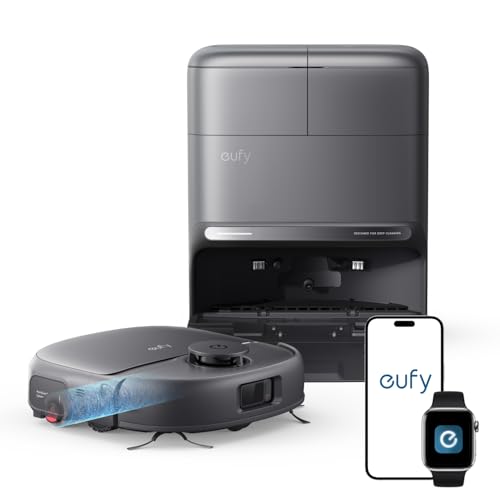
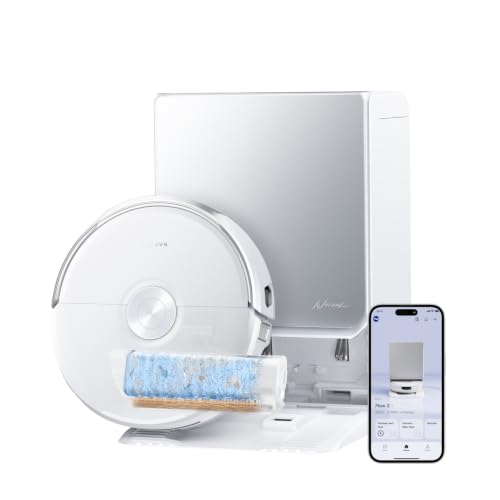
The mop itself. Basic robots drag a damp pad. Dual spinning pads rotate under pressure to scrub, while roller mops, such as the HydroJet roller on the eufy C28, spin continuously and are washed and scraped as they clean so dirty water is not spread around. Some Shark models use sonic mopping, which scrubs with rapid vibration.
Navigation and sensors. LiDAR or camera based navigation builds a map of your home and plans efficient rows. Cliff sensors stop the robot from falling down stairs, and carpet sensors detect rugs so the robot can lift the mop, avoid the carpet or skip it entirely.
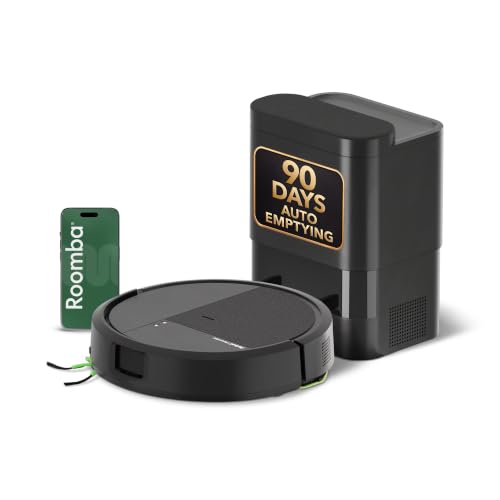
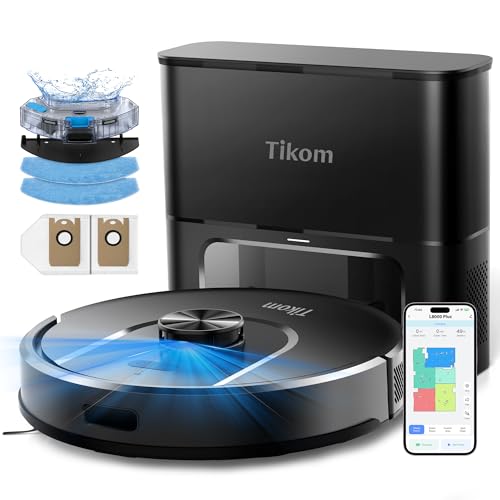
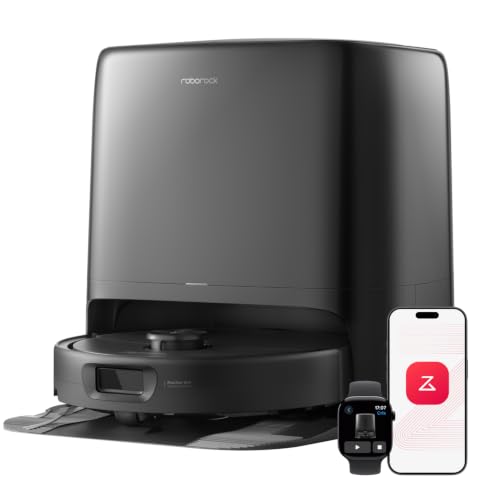
The dock. Basic docks only charge the robot. Advanced docks empty dust, wash the mop with water, dry it with warm air to prevent odors, refill the robot's tank and collect dirty water in a separate tank.
Together, these systems let the robot apply the right amount of water, scrub consistently and keep its mop clean enough that it does not simply move dirt from room to room.
The app ties it all together. After the first mapping run, you can name rooms, set water flow and cleaning order for each one, draw no mop zones around rugs and pet bowls, and schedule cleans. Many robots also recharge and resume, returning to the dock mid job and picking up where they left off, which helps larger homes get mopped in a single session.
What Is a Robot Mop Used For?
So, what is a robot mop used for? Mainly to keep hard floors clean with little effort. Here is how that plays out in different homes.
Daily Cleaning & Busy Families
Scheduled daily runs pick up footprints, crumbs and spills before they dry and stick. Families with kids and pets get the most value, since floors stay presentable without daily manual mopping.
Deep Cleaning
Robots with pressure scrubbing, spinning or roller mops and repeat pass modes handle dried on stains better than basic pads. For heavy grime, run a deep mode or a second pass, and still plan an occasional manual scrub.
Hardwood Floors
Sealed hardwood can be robot mopped if you use low water flow and a pH neutral cleaner approved by the maker. Unsealed or waxed wood should not be wet mopped. Our best robot mop for hardwood floors guide covers gentle options.
Use only the cleaning solution the maker recommends, since some floor cleaners foam or leave residue that clogs pumps and pads. Plain water is often enough for daily runs, with a dedicated solution for weekly deeper cleans.
Homes with Furniture & Tight Spaces
Slim robots slide under sofas and beds, and extending mops or side brushes reach along baseboards and around table legs where dust collects.
Homes with Thresholds
Door sills and raised transitions can trap robots. Look for models that climb higher thresholds or lift themselves over obstacles, and set no go lines where a step is too tall.
Types of Robot Mops
- Dedicated robot mops: mop only, often with spray jets and disposable or washable pads; good for homes that vacuum separately.
- Vacuum and mop combos with static pads: affordable hybrids that drag a damp pad while vacuuming; best for light daily cleaning, like the iRobot Roomba 115X Combo.
- Spinning pad robots: two rotating pads that scrub with pressure and often lift on carpet.
- Roller and track mop robots: continuously washed rollers or tracks that reduce dirty water smearing.
- Full station models: docks that wash, dry and refill automatically for the least manual upkeep.
For help comparing these, read how to choose a robot vacuum and mop.
Pros and Cons
Pros
- Keeps hard floors clean daily with no effort
- Schedules and app control
- Reaches under furniture
- Docks automate most maintenance on advanced models
Cons
- Not a full replacement for occasional deep scrubbing
- Basic pads can spread dirty water
- Needs clear floors to work well
- Full station models are expensive
Is a Robot Mop Right for You?
A robot mop is a strong fit if most of your home has sealed hard floors, you have kids or pets, or you simply dislike mopping. It is less useful in carpet heavy homes or cluttered spaces where the robot cannot move freely.
To get the best results, vacuum or let a combo vacuum first so the mop is not pushing loose debris around, pick up cords and socks before a run, and empty the dirty water tank and rinse the pads regularly. Starting with low water flow on wood and laminate and increasing it only on tile and vinyl keeps floors safe while still lifting grime.
If you want both vacuuming and mopping, a combo with a washing dock gives the most hands free result. See our best robot vacuum and mop picks and the best robot mop for tile floors for specific floor types.
Frequently Asked Questions
What is a robot mop used for?
A robot mop is used to wet clean sealed hard floors such as tile, vinyl, laminate and sealed hardwood. It removes dust, footprints, pet paw prints and light spills on a schedule, keeping floors clean between deeper manual cleanings.
Is a robot mop worth buying?
For homes with lots of hard floors, usually yes. Daily automated mopping saves time and keeps floors noticeably cleaner. Models with self washing docks and carpet detection deliver the most convenience, while basic pad models suit smaller budgets and light cleaning.
How long does a robot mop last?
Most robot mops last several years with regular care. Batteries usually fade first and can often be replaced. Washing or replacing pads, cleaning water tanks and filters, and wiping sensors on schedule helps both the robot and its dock work well for longer.
Final Thoughts
So, how does a robot mop work? It feeds water to a pad, roller or spinning mops, scrubs as it follows a mapped route, avoids carpet with sensors and, on advanced models, returns to a dock that washes and refills it. For ready to buy options, see our picks for the best robot mop.


