
How Does a Robot Vacuum Work: Expert Tips and Step by Step Guide
Disclosure: We may earn a commission when you buy through links on this page, at no extra cost to you. As an Amazon Associate I earn from qualifying purchases. Learn more
How does a robot vacuum work? Sensors, brushes, suction, navigation and docks explained, plus the main types and pros and cons.
How does a robot vacuum work? In short, it is a small, battery powered vacuum that drives itself around your floors. Sensors and a navigation system tell it where it is and what to avoid, spinning brushes sweep dirt toward a suction inlet, a motor pulls the debris into a bin, and when the battery runs low the robot returns to its dock to recharge and, on many models, empty itself.
This guide explains each part in plain English, how they work together, what robot vacuums are best at, the main types you can buy and the pros and cons, so you can decide whether one fits your home.

What Is a Robot Vacuum?
A robot vacuum is an autonomous cleaner shaped like a low disc, usually around 3 to 4 inches tall, that cleans floors on a schedule or on demand. You start it with a button, an app or a voice assistant, and it vacuums the room or the whole home before heading back to its charging dock.
Early models bounced randomly from wall to wall. Today, most robots map your home and clean in neat rows, room by room. Many also mop, empty their own bins into a base and avoid obstacles such as cords, socks and pet bowls. They are designed for frequent maintenance cleaning rather than deep, once a month sessions, which is why owners often run them every day. A short daily run usually takes less than an hour in an average home.
A robot vacuum does not fully replace a regular vacuum in every home. It cannot clean stairs, upholstery or the inside of a car, and very thick rugs can still be a challenge. What it does extremely well is keep everyday dust, crumbs and pet hair under control, so the floors stay clean between deeper cleanings.
How Does a Robot Vacuum Work?
To understand how does a robot vacuum cleaner work, it helps to look at its main systems one at a time.
- Battery and motor: a rechargeable lithium ion battery powers the drive wheels, the brushes and the suction motor. Suction is often listed in pascals (Pa); higher numbers mean stronger pickup.
- Brushes: one or two side brushes sweep debris out of corners and along edges into the robot's path. A main brush roll, made of bristles or rubber, agitates the floor or carpet and flicks dirt toward the suction inlet.
- Dust bin and filter: debris goes into a small onboard bin, and a filter, often HEPA style, traps fine dust so it is not blown back out.
- Sensors: cliff sensors underneath stop the robot from falling down stairs, bump sensors detect contact, and wall sensors help it follow edges. Many robots also have carpet sensors that boost suction on rugs.
- Navigation: basic models use gyroscopes and bump sensors, while advanced ones use LiDAR lasers or cameras to map rooms and plan efficient routes.
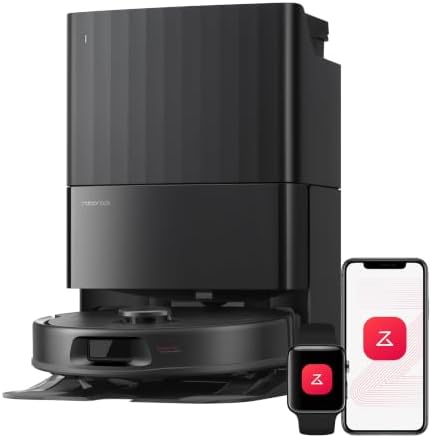
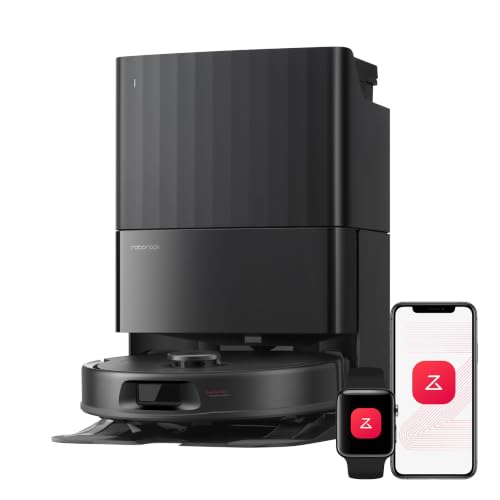
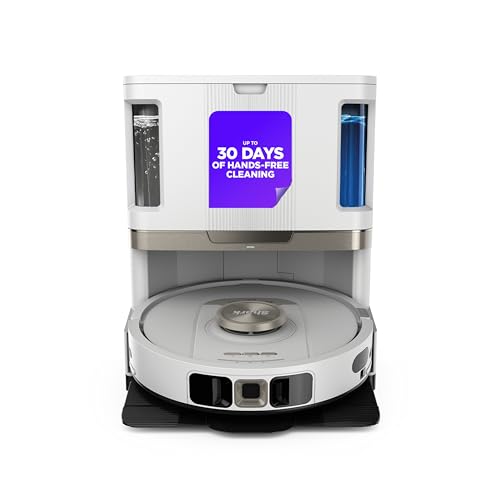
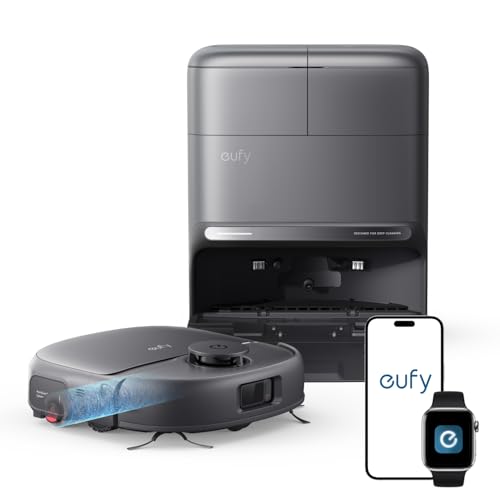
- Dock: the charging base recharges the battery. Self emptying docks also suck debris out of the robot's bin into a larger bag or container, and mop docks wash and dry mop pads.
Put together, the process works like this. The robot leaves the dock, builds or loads a map, then divides the floor into rooms or zones. It cleans each area in a pattern, usually back and forth rows, while side brushes handle edges. Sensors keep it away from drops and obstacles. When the bin is full or the battery is low, it returns to the dock, empties and recharges, then resumes where it left off on models with Recharge and Resume.
What Is a Robot Vacuum Used For?
Robot vacuums shine at frequent, light cleaning. Here are the situations where they make the biggest difference.
Allergies & Dust
Daily runs pick up dust and dander before it builds up and gets kicked into the air. Robots with sealed bins, good filters and self emptying bases help allergy sufferers avoid contact with dust when emptying.
Area Rugs
Most robots climb onto low and medium pile rugs and boost suction automatically. Models with mopping lift their pads or skip rugs so carpets stay dry. Rugs with long fringe may need to be blocked off.
Carpet
On wall to wall carpet, stronger suction and good brushes matter most. A robot will not replace an occasional deep clean with an upright, but daily passes keep dirt from sinking into the pile.
Cat Litter
Scattered litter around the box is a perfect job for a robot. A model with strong suction, edge cleaning and a self emptying dock handles granules well, especially when scheduled every day.
Daily Cleaning & Busy Families
For homes with kids and pets, a robot vacuum keeps crumbs and hair under control while you are at work or asleep. Scheduling runs means floors stay clean without anyone remembering to vacuum. Pet owners can compare our picks for the best robot vacuum for pet hair.
Types of Robot Vacuums
Robot vacuums are often grouped by how they navigate and what their dock does.
- Basic gyro or random navigation: affordable robots that clean in simpler patterns. Good for small spaces and single rooms.
- LiDAR mapping robots: a spinning laser measures distances to walls and furniture to build an accurate map. So how does a lidar robot vacuum work in practice? It knows exactly where it has been, cleans in rows and works in the dark.
- Camera and AI robots: front cameras or structured light identify objects. This is how does a robot vacuum with obstacle avoidance work: it recognizes cords, socks and pet waste and steers around them.
- Self emptying robots: the dock pulls debris from the bin into a bag or container. That is how does a robot vacuum with auto empty work, saving you from emptying a small bin after every run.
- Robot vacuum and mop combos: add a water tank and mop pads or a roller. Higher end docks wash and dry the mop.
- Mini and quiet robots: slim, simpler models for apartments and bedrooms. If you wonder how does a mini robot vacuum work, the answer is simple: the same parts in a smaller body with a smaller bin. Quiet models use efficient motors and lower power modes, so they can run while you work or sleep.
Some robots also use anti tangle brushes that cut or release hair. That is how does a robot vacuum with self cleaning brush work, and it cuts down on maintenance in pet homes.
Pros and Cons
Pros
- Cleans on a schedule with no effort
- Keeps dust, crumbs and pet hair under control daily
- Reaches under beds and sofas
- Self emptying and mop washing docks reduce upkeep
- App control, maps and no go zones
Cons
- Smaller bins and less power than full size vacuums
- Cannot clean stairs or upholstery
- Can get stuck on cords, thick rugs or clutter
- Advanced models with full docks are expensive
Is a Robot Vacuum Right for You?
A robot vacuum is a great fit if you want floors that stay clean every day without effort, have pets that shed, or have busy schedules. It works best in homes with mostly open floors and a willingness to pick up cords and small items before runs. If your home is mostly stairs, thick shag carpet or heavy clutter, you may still need a regular vacuum for most of the work. For a closer look at the trade offs, read is a robot vacuum worth it, and if you have mostly wood floors, see our picks for the best robot vacuum for hardwood floors.
Frequently Asked Questions
How does a self emptying robot vacuum work?
When the robot docks, a strong motor in the base opens a port and pulls debris out of the robot's bin into a sealed bag or larger container. That is how does a self emptying robot vacuum work. The base holds weeks of debris, so you only replace the bag or empty the container occasionally.
How does an app controlled robot vacuum work?
The robot connects to your home Wi-Fi and to a phone app. From the app you can start or stop cleaning, set schedules, choose suction and water levels and view the map. This is how does an app controlled robot vacuum work, and many also support voice assistants.
How does a LiDAR robot vacuum work?
A small spinning laser on top of the robot measures the distance to walls and furniture hundreds of times per second. The robot uses those readings to build a precise map, track its position and plan efficient rows. LiDAR works in low light and is accurate across large homes.
How does a mapping robot vacuum work?
A mapping robot uses LiDAR, cameras or sensors to create a floor plan of your home and save it. That is how does a mapping robot vacuum work. You can then name rooms, set no go zones and virtual walls, and send the robot to clean specific areas.
Is a robot vacuum worth buying?
For most busy homes and pet owners, yes. A robot keeps floors cleaner day to day and saves time. It will not replace every vacuuming task, but it reduces how often you need a full size vacuum. To compare stores and deals, see where to buy a robot vacuum.
Final Thoughts
So, how does a robot vacuum work? Sensors and navigation guide it, brushes and suction collect dirt, and a dock recharges and often empties it. Choose the navigation, dock and suction that match your home, and it will keep floors clean with almost no effort. When you are ready to shop, start with our picks for the best robot vacuum.


