
How Long Does a Garden Hose Last? Lifespan, Signs of Wear and Tips (2026)
Disclosure: We may earn a commission when you buy through links on this page, at no extra cost to you. As an Amazon Associate I earn from qualifying purchases. Learn more
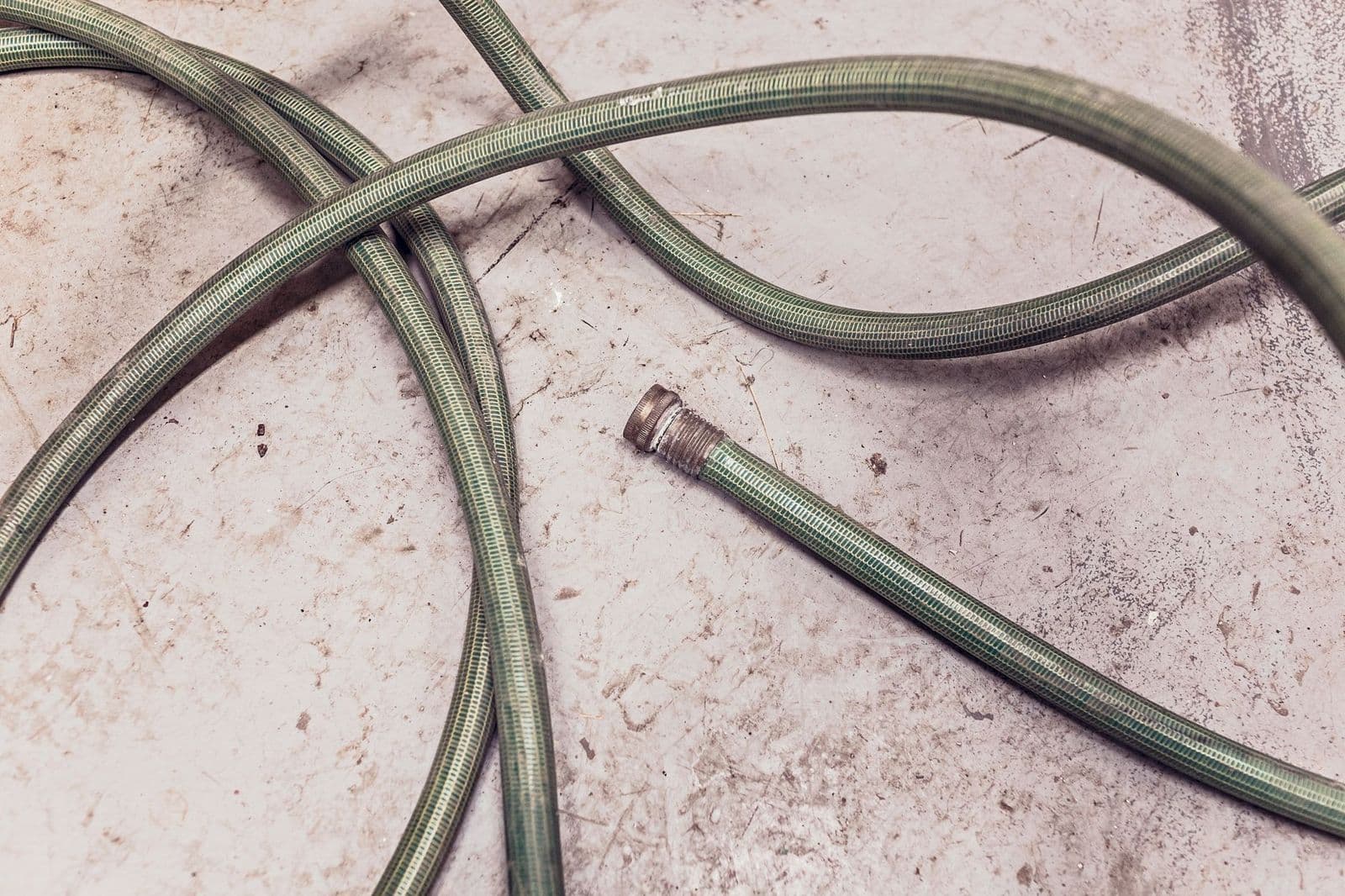
How long does a garden hose last? Typical lifespans for vinyl, hybrid, rubber and expandable hoses, signs of wear and care tips.
A typical garden hose lasts anywhere from a couple of seasons to ten years or more, depending mostly on what it is made of and how it is stored. Thin vinyl hoses often crack or kink within two to five years, hybrid polymer hoses usually last several seasons longer, and heavy rubber hoses kept out of the sun and frost can outlast both. Expandable hoses have the shortest lives, often one to three seasons. So when people ask how long does a garden hose last, the honest answer is that care matters as much as the label.
Below we cover average lifespans by type, what shortens a hose's life, the warning signs that it needs repair or replacement, and simple habits that can add years to the hose you already own.
How Long Does a Garden Hose Last on Average?
There is no single number, because hoses vary so much in material and build. These ranges reflect common experience and what makers suggest through their warranty lengths and care advice:
- Vinyl (PVC) hoses: roughly 2 to 5 years. They are light and cheap but stiffen in cold weather, crack in sun and kink easily.
- Reinforced vinyl or hybrid polymer hoses: roughly 5 to 8 years with care. They stay flexible across a wider temperature range and resist kinks better.
- Rubber hoses: roughly 5 to 10 years or more. Rubber handles heat, cold and hot water well and resists abrasion, though it is the heaviest option.
- Expandable hoses: roughly 1 to 3 seasons. The thin latex core inside a fabric sleeve is light but wears faster than solid walls.
- Metal (stainless steel) hoses: often several years, since the outer shell resists punctures, though inner tubes and fittings can still fail.
Warranty length is a useful hint. Hoses sold with long or lifetime warranties are usually built with thicker walls, multiple reinforcement layers and better fittings. Cheap hoses with short or no warranties tend to be the ones that crack after a season or two. Use these ranges as a guide; a hose left in the sun all summer and frozen all winter will fall short of them, while one that is drained and stored will often beat them.
Factors That Affect How Long It Lasts
Material and construction. The number of layers, the reinforcement mesh and the wall thickness decide how well a hose resists bursting and kinking. Burst pressure ratings help compare models, and higher numbers generally mean a sturdier hose.
Sun exposure. UV light breaks down vinyl and rubber, making them brittle and causing surface cracks. A hose that lives on the lawn in full sun ages much faster than one stored in the shade or on a covered reel.
Freezing temperatures. Water left inside a hose expands when it freezes and can split the wall or crack the fittings. Cold also makes vinyl stiff and prone to cracking when it is uncoiled.
Water pressure left in the hose. Leaving the spigot on with the nozzle closed keeps the hose under constant pressure. This is especially hard on expandable hoses, whose latex core is designed to relax when not in use.
Kinks and twists. Repeated kinking weakens the wall at the same spot until it cracks. Coiling a hose with twists in it makes kinks more likely the next time you use it.
Dragging and abrasion. Pulling a hose across concrete, gravel or around sharp corners wears the outer layer and can puncture it.
Fittings. Thin plastic or soft metal fittings crack, strip or corrode long before the hose itself. Solid brass fittings tend to last much longer. Many hoses are retired because of a failing coupling, not a failing hose.
Hot water and chemicals. Running hot water through a hose not rated for it, or exposing it to fertilizers and solvents, can soften or degrade the inner tube.
How often you use it. A hose that runs daily for a vegetable garden, car washing and filling pools simply sees more wear than one used a few times a month. Heavy users get the best value from thicker rubber or hybrid hoses with strong couplings, even though they cost more at the start. Lighter users can often get many years from a mid range hose if it is stored well.
Signs Your Garden Hose Needs Repair or Replacement
- Leaks at the coupling: often just a worn washer, which is a cheap fix.
- Pinhole leaks or small splits: can be patched with a hose mender if the rest of the hose is sound.
- Bulges or blisters: a sign the inner layer has failed. Replace the hose, since it may burst.
- Cracking along the surface: sun and age damage that tends to spread. Replacement is usually the better choice.
- Constant kinking: a hose that kinks at the same spot every time has a weakened wall.
- Stiffness that never goes away: a sign the material has aged and will soon crack.
- Stripped or crushed fittings: can be replaced with new couplings if the hose is otherwise in good shape.
- Reduced flow from an expandable hose: often means the inner core is wearing out.
If you see more than one of these signs, or the same problem keeps coming back after a repair, it is usually time for a new hose. A quick inspection each spring, before the first heavy watering, is the easiest way to catch these problems early.
How to Make Your Garden Hose Last Longer
Drain and release pressure after use
Turn off the spigot, open the nozzle to release pressure and let the water run out before coiling. This protects the inner wall and fittings, and it is essential for expandable hoses.
Store it out of the sun and frost
Coil the hose on a reel, hanger or in a pot in the shade. Before freezing weather, drain it completely and bring it into a garage or shed. A hose reel also keeps it off the ground and away from lawn mowers.
Protect fittings and washers
Check the rubber washers each spring and replace any that are flattened or cracked. Do not overtighten couplings, and avoid dropping the hose on its metal ends. Brass fittings resist corrosion better than aluminum or plastic.
Avoid kinks, sharp edges and dragging
Uncoil the hose fully before turning on the water, and lead it around corners rather than yanking it. Hose guides at bed corners keep it from rubbing on edges and crushing plants. Carry rather than drag the hose across concrete when you can.
Repair or Replace?
Repair makes sense when the problem is small and the rest of the hose is in good shape: a worn washer, a single pinhole or a damaged end that can be cut off and fitted with a new coupling. Repair kits cost little and take minutes. Replace the hose when it shows bulges, widespread cracking, stiffness or repeated leaks in different spots, or when an expandable hose's core is failing. If you are buying new, our guide on how much does a garden hose cost explains what you get at each price, and where to buy a garden hose compares stores.
Frequently Asked Questions
How long does an expandable garden hose last?
Most expandable hoses last about one to three seasons. Their thin latex core is light and flexible but wears faster than solid hoses. To get the most from one, release pressure after each use, store it in the shade and bring it inside before freezing weather. That answers how long does an expandable garden hose last for typical home use.
Is it worth repairing an old garden hose?
Yes, if the damage is limited to a washer, a fitting or a single small leak and the rest of the hose is flexible and crack free. Repair parts are inexpensive. If the hose is brittle, bulging or cracked in many places, replacing it is the better value.
What brand of garden hose lasts the longest?
Construction matters more than the brand name. Hoses with thick rubber or multi layer hybrid walls, reinforcement mesh, solid brass fittings and long warranties tend to last the longest. Older gardeners who want a lighter hose that still holds up can see our best garden hose for seniors, and anyone watering edible plants can browse our best garden hose for vegetable gardens list.
Final Thoughts
So, how long does a garden hose last? Anywhere from a season or two for expandable and cheap vinyl hoses to ten years or more for well cared for rubber. Drain it, keep it out of the sun and frost, and fix small leaks early. When it is time to upgrade, compare our picks for the best garden hose.


