
How Much Does a Leaf Vacuum Cost? 2026 Price Guide and What to Expect
Disclosure: We may earn a commission when you buy through links on this page, at no extra cost to you. As an Amazon Associate I earn from qualifying purchases. Learn more

How much does a leaf vacuum cost? Typical prices by type, from corded blower vacs to tow behind units, plus hidden costs and savings tips.
A leaf vacuum costs around $40 to $120 for a corded handheld blower vac, around $100 to $400 for a cordless model, and around $250 to $350 for a gas handheld shred vac. Walk behind and tow behind leaf vacuums for big properties run from around $800 to well over $1,500. So how much does a leaf vacuum cost for you? Most suburban homeowners spend between $70 and $250 and get a tool that blows, vacuums and mulches.
The price you pay depends on the power source, the impeller, the mulching ratio and the size of the collection system. This guide breaks down typical prices by type, explains what drives the cost and covers the hidden expenses and ways to save.
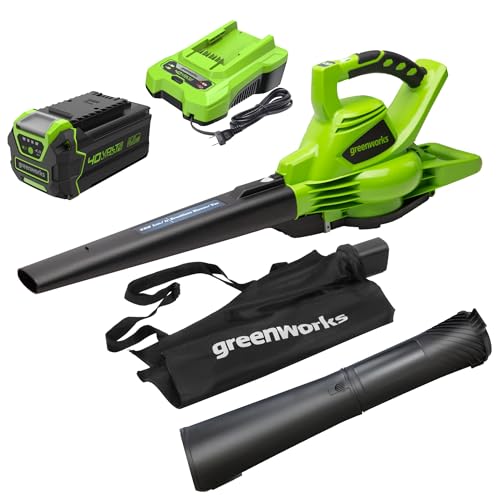
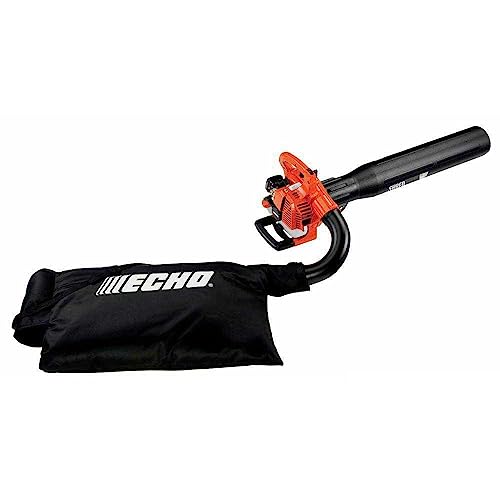

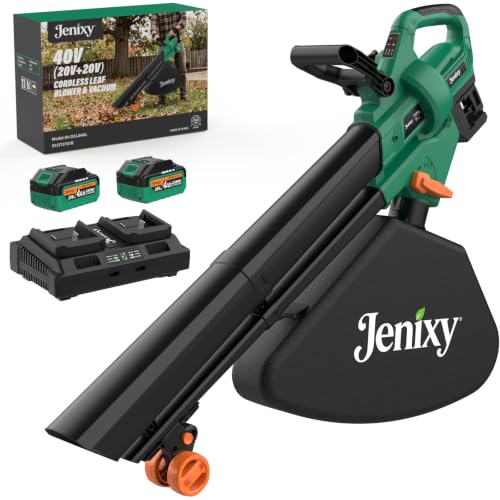

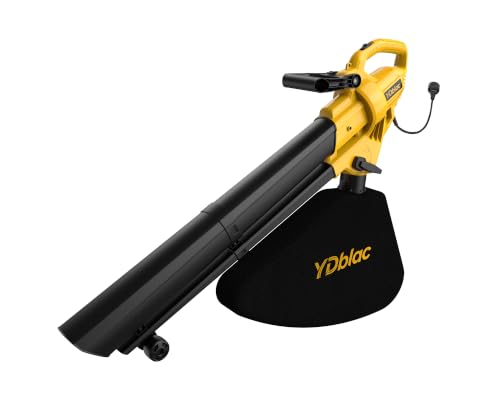
How Much Does a Leaf Vacuum Cost? Average Prices in 2026
The figures below are typical price ranges for new tools sold on Amazon, rounded to make comparison easy. Prices move with the season and with sales, so use them as a guide rather than a quote.
| Type | Typical price | Best for |
|---|---|---|
| Corded handheld blower vac (3 in 1) | around $40 to $120 | Small to medium yards near an outlet |
| Corded blower vac with premium metal impeller | around $120 to $230 | Frequent use, finer mulching |
| Cordless blower vac (battery and charger included) | around $100 to $250 | Yards without easy outlet access |
| Premium cordless leaf vacuum | around $300 to $450 | Long runtime and big bags |
| Gas handheld shred vac | around $250 to $350 | Larger lots and heavy leaf fall |
| Walk behind leaf vacuum and chipper | around $800 to $900 | Acreage and heavy debris |
| Tow behind lawn vacuum | around $1,300 to $1,700 | Large properties with a riding mower |
In short, entry level tools start around $40 to $60, a solid mid range tool costs around $100 to $250, and premium or large property equipment runs from several hundred dollars to well over $1,000. Manual push lawn sweepers, which collect leaves without suction, are a cheaper alternative at around $70 to $170.
Yard size is the easiest way to narrow the budget. A townhouse or small lot with a couple of trees is well served by a corded tool under $100. A quarter to half acre with several mature trees usually calls for a stronger corded model with a metal impeller or a cordless kit in the $150 to $250 range. Once you get to an acre or more of heavy leaf fall, a gas shred vac, a walk behind unit or a tow behind lawn vacuum starts to make sense, even though the price jumps.
It also helps to compare the cost with the alternatives. A good rake and a pack of yard bags cost little but take hours of work every weekend. A lawn service that clears leaves can cost far more over just one or two seasons than a capable leaf vacuum. For most homeowners, a mid range blower vac pays for itself quickly in saved time and bags.
What Affects the Price
Two blower vacs that look alike can differ in price by more than double. These are the features that drive the cost.
Vacuum vs Blower Performance
Many cheap tools are strong blowers but weak vacuums. Higher priced models move more air and keep suction steady as the bag fills, thanks to better motors, wider intakes and anti clog tube designs. Brushless motors on cordless tools also cost more but run longer and last longer.
Mulching Ratio
The mulching ratio tells you how many bags of whole leaves shrink into one bag of mulch. Budget tools often offer around 10:1, while better models reach 15:1 or 16:1. A higher ratio means fewer bag changes and finer mulch, which is worth paying for on a leafy property.
Impeller Material
Plastic impellers keep prices low but can crack when they hit a stick or acorn. Metal impellers cost more, shred more finely and last longer. If you have oak trees or lots of twigs, a metal impeller is money well spent.
Collection Bag Size
Bigger bags and collection systems add cost. Handheld tools carry small bags, while walk behind and tow behind units hold many times more. Some kits add hoses that feed leaves straight into a yard waste can, which raises the price but saves a lot of handling.
Brand and warranty play a part as well. Well known outdoor power brands tend to cost more but offer longer warranties, wider parts availability and battery platforms that run other tools. Lesser known brands can be good value, but check the warranty length and whether replacement bags and tubes are easy to find. The power source matters too: corded tools are cheapest to buy and run, cordless tools cost more up front because of the battery and charger, and gas tools add fuel and engine upkeep to the bill.
Hidden and Ongoing Costs
The sticker price is not the whole story. Corded models need a heavy gauge outdoor extension cord, which can add $20 to $60 if you do not already own one. Cordless tools may need a spare battery for larger yards, and extra batteries can cost a large share of the tool's price. Gas models need fuel, two stroke oil, spark plugs and air filters each season.
Replacement parts add up too. Collection bags wear out and tear, and disposable bag systems need refills. Impellers and tubes can crack after a hard hit. Factor in safety gear, such as glasses, gloves and hearing protection, if you do not already have it.
Is a Cheap Leaf Vacuum Good Enough?
For a small yard with a few trees, a corded 3 in 1 blower vac at around $60 to $80 is often all you need. It will clear patios, walks and modest leaf piles, and its unlimited runtime is a real plus. The tradeoffs are plastic parts, lower mulching ratios and smaller bags. If you have a large lot, many oak or maple trees, or you plan to use the tool every week in fall, stepping up to a model with a metal impeller or a bigger collection system saves time and frustration. Our article on is a leaf vacuum worth it helps you weigh the tradeoffs.
How to Save Money on a Leaf Vacuum
- Shop off season. Late winter and spring often bring lower prices on fall yard tools.
- Watch Amazon deals around major sale events and early fall promotions.
- Consider certified refurbished tools from the maker, which often carry a warranty.
- Buy into a battery platform you already own. A tool only version can cost far less than a kit.
- Look for bundles that include a spare battery or extra bags.
Our guide on where to buy a leaf vacuum compares retailers on price, returns and warranty support.
When you are ready to compare real numbers, the right budget for your yard becomes clearer once you list the features you truly need. Pay for a metal impeller, a good mulching ratio and the right power source, and skip extras that do not fit how you work.
Frequently Asked Questions
Is it cheaper to buy a leaf vacuum online?
Often, yes. Online retailers such as Amazon tend to carry a wider range of models and frequent deals, and you can compare prices quickly. Local stores sometimes match prices and make returns easier. Check the total cost with shipping, and make sure the seller offers the maker's warranty before you buy.
How long does a leaf vacuum last?
A corded or cordless blower vac usually lasts around five years or more with care, and gas models can last longer with regular maintenance. Batteries often need replacing after several seasons. Avoiding wet leaves and debris, emptying the bag often and storing the tool dry all extend its life.
Final Thoughts
So, how much does a leaf vacuum cost? Plan on around $40 to $120 for a corded blower vac, around $100 to $400 for cordless, and much more for walk behind or tow behind units. Match the tool to your yard size and leaf load, then see our picks for the best leaf vacuum, the best leaf vacuum for large yards and the best leaf vacuum for flower beds.


