
How Much Does a Robot Vacuum Cost in 2026? Real Price Ranges Explained
Disclosure: We may earn a commission when you buy through links on this page, at no extra cost to you. As an Amazon Associate I earn from qualifying purchases. Learn more
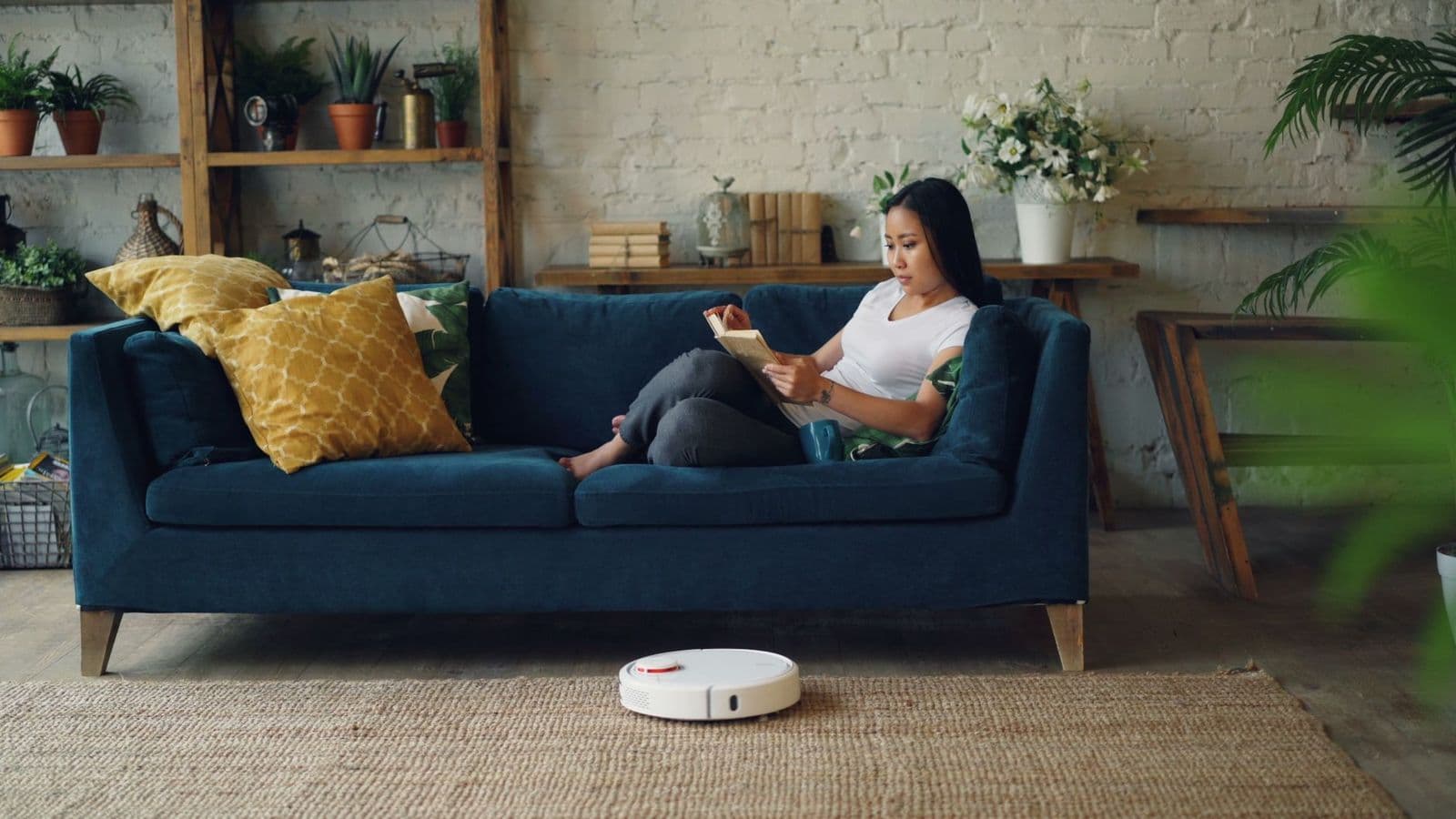
How much does a robot vacuum cost? Price ranges from basic to premium, what drives the cost, ongoing expenses and ways to save.
Most robot vacuums cost between about $150 and $1,600. Basic models that vacuum on a schedule start around $150 to $300, mid range robots with LiDAR mapping, self emptying docks or mopping run around $400 to $900, and premium all in one robots that wash and dry their own mops cost around $1,000 to $1,600. So how much does a robot vacuum cost for your home? The answer depends on navigation, suction, the dock and whether you want it to mop as well. This guide explains typical prices, what drives them, the ongoing costs and how to save.
Average Robot Vacuum Prices in 2026
The ranges below reflect what current robot vacuums typically sell for on Amazon. Sales events can drop prices sharply, so treat these as a guide rather than fixed numbers.
| Tier | Typical price | What you get |
|---|---|---|
| Entry level | Around $150 to $300 | Basic or gyroscope navigation, app scheduling, moderate suction, sometimes a simple self emptying base or mop pad |
| Mid range | Around $400 to $900 | LiDAR mapping, room by room control, stronger suction, self emptying base, spinning mop pads, often a mop washing dock |
| Premium | Around $1,000 to $1,600 | All in one docks with hot water mop washing and drying, roller mops, AI obstacle avoidance, the highest suction and threshold climbing |
Small and simple robots can dip below $150, and a few flagship models with extra accessories go above $1,600. For most homes, the mid range offers the best value, because it adds the mapping and self emptying features that make a robot genuinely hands off.
Size and noise matter less to price than you might expect. A compact robot that fits under low furniture is not necessarily cheaper, and quiet modes are standard on most models, so how much does a quiet robot vacuum cost is really a question of which tier you choose. Compare noise levels within your budget rather than paying extra for a quiet label.
Robot mops and combos follow the same pattern. A basic vacuum with a drag mop pad sits at the low end, while a robot that lifts its mop on carpet and washes it at the dock sits in the upper mid range or premium tier. If you also want the robot to dry its mops with warm air, expect to pay premium prices.
What Affects the Price
Suction Power (Pa) and Brush Design
Suction is measured in pascals (Pa). Entry robots offer a few thousand Pa, mid range models often list 10,000 to 25,000 Pa and flagships reach 30,000 Pa or more. Rubber or detangling brushes that resist hair wrap also add cost but save time for pet owners. See our picks for the best robot vacuum for pet hair for models built for shedding.
Navigation: LiDAR, Camera and Obstacle Avoidance
Navigation is one of the biggest price drivers. Budget robots bump and turn or use simple sensors. LiDAR robots build accurate maps, so you can set rooms and no go zones in an app. Premium models add AI cameras that recognize cords, socks and pet waste.
So how much does a robot vacuum with obstacle avoidance cost? Reliable camera based avoidance usually starts in the upper mid range.
Self Emptying and Self Cleaning Docks
A dock that empties the bin into a sealed bag adds roughly a hundred dollars or more to a similar robot. How much does a robot vacuum with auto empty cost in total? Many self emptying models start around $250 to $450. Docks that also wash, dry and refill mops push the price into the premium tier.
Mopping System and Carpet Detection
Simple drag mops are cheap, while spinning pads, roller mops and mops that lift or retract on carpet cost more. How much does a robot vacuum and mop cost with a full self cleaning dock? Usually around $600 and up. A robot mop without vacuuming is rarer and can cost less, but most buyers are better served by a combo. For wood floors, see our picks for the best robot vacuum for hardwood floors.
Hidden and Ongoing Costs
A robot vacuum keeps costing a little after you buy it. Plan for:
- Dust bags: self emptying docks use disposable bags that need replacing every month or two.
- Filters and brushes: filters, main brushes and side brushes wear and should be replaced on the maker's schedule.
- Mop pads or rollers: washable but still wear out over time.
- Cleaning solution: many mop docks dispense detergent automatically, so you will buy refills.
- Batteries: the battery slowly loses capacity and may need replacing after a few years.
- Electricity and water: small, but hot water mop washing and drying use more energy than a basic dock.
Most brands and third party sellers offer accessory kits that bundle brushes, filters and bags, which lowers the yearly cost. Check that replacement parts are easy to find before you buy a less common model. As a rough rule, budget a small amount each year for consumables, and more if you run the robot daily in a home with pets, since brushes and filters clog faster with hair.
Is a Cheap Robot Vacuum Good Enough?
For a small apartment with hard floors and little clutter, a budget robot can keep dust and crumbs under control between deeper cleans. It will clean less methodically, may miss spots and usually needs its bin emptied by hand after each run.
In larger homes, homes with pets or rooms full of cords and toys, a mid range robot with LiDAR mapping and a self emptying base is usually worth the extra money. It cleans in neat rows, knows which room it is in and runs for weeks without attention. Read is a robot vacuum worth it to decide how much automation you really need.
Another way to decide is to think about what bothers you most. If dust bunnies are the problem, a basic robot fixes it. If you want sticky kitchen spills gone too, budget for a combo with a mop that lifts on rugs. And if you hate any upkeep at all, a premium all in one dock is the only kind that comes close to truly hands off.
How to Save Money on a Robot Vacuum
- Shop major sales: robot vacuums are among the most heavily discounted items during big sales events, especially older flagship models.
- Watch Amazon deals: daily deals and coupons often take a meaningful amount off popular models.
- Consider last year's flagship: when a new model launches, the previous version often drops in price while still offering most of the features.
- Look at certified refurbished: renewed robots from the maker or a trusted seller can save money and often include a warranty.
- Skip features you will not use: if you rarely mop, a strong vacuum with a self emptying base costs far less than an all in one robot.
Before you order, compare sellers, warranties and return windows in our guide on where to buy a robot vacuum.
Frequently Asked Questions
How much does a robot vacuum cleaner cost?
How much does a robot vacuum cleaner cost depends on features. Basic models cost around $150 to $300, mid range robots with mapping and self emptying cost around $400 to $900, and premium all in one models run around $1,000 to $1,600.
How much does an app controlled robot vacuum cost?
App control is now common even on budget models, so an app controlled robot can cost as little as around $150. Expect better apps with room maps, no go zones and schedules on mid range robots around $400 and up. How much does a robot vacuum with virtual walls cost? Usually about the same, since virtual walls are set in the app on mapping models.
How much does a LiDAR robot vacuum cost?
LiDAR robots typically start around $250 to $350 for basic models and run up to premium prices when paired with self cleaning docks. LiDAR is the feature that most improves navigation for the money, so it is worth prioritizing if your budget allows.
How much does a robot vacuum and mop combo cost?
A basic vacuum with a mop pad costs around $200 to $350. Combos with mops that lift on carpet and a dock that washes them usually cost around $600 to $1,000, and models with roller mops and hot water washing run higher.
Is it cheaper to buy a robot vacuum online?
Usually, yes. Online stores carry a wider range of models and frequent discounts, and many robots are cheapest during major online sales events. Compare the total price, warranty and return policy before you buy.
Final Thoughts: How Much Does a Robot Vacuum Cost?
Expect to spend around $150 to $300 for a basic robot, around $400 to $900 for a mid range model with mapping and a self emptying base and around $1,000 to $1,600 for a premium robot that mops and cleans itself. So, how much does a robot vacuum cost for your home? Pick the features you will actually use, and you will get the best value. Ready to shop? See our picks for the best robot vacuum.


