
How Much Does a Vacuum Cleaner Cost in 2026? Real Price Ranges Explained
Disclosure: We may earn a commission when you buy through links on this page, at no extra cost to you. As an Amazon Associate I earn from qualifying purchases. Learn more

How much does a vacuum cleaner cost? Typical price ranges by type, what raises the price, ongoing costs and ways to save.
So, how much does a vacuum cleaner cost? Most people pay between about $100 and $450 for a reliable vacuum. Basic models start around $40, solid mid range uprights and cordless sticks land around $150 to $450, and premium canisters, cordless flagships and robot vacuums with self emptying docks run from about $800 to more than $1,100.
The price you should pay depends on your floors, your home size, pets and allergies. Below you will find typical price ranges by type, the features that push prices up, the ongoing costs nobody mentions in the store and practical ways to spend less without ending up with a vacuum you regret.
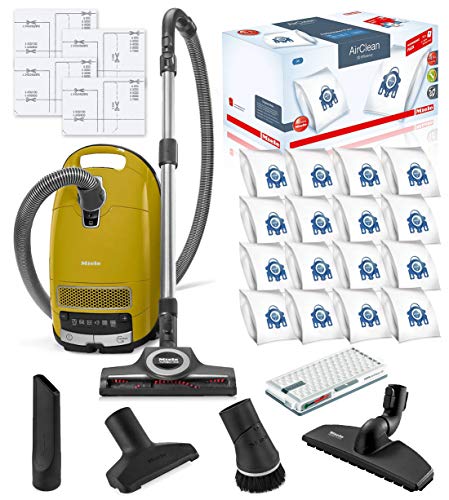

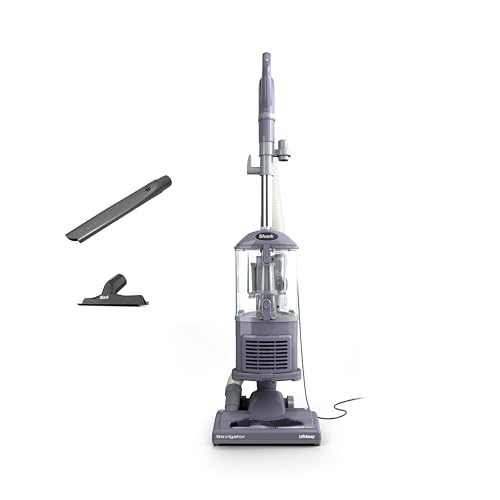
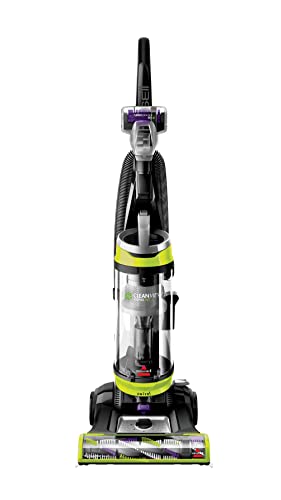
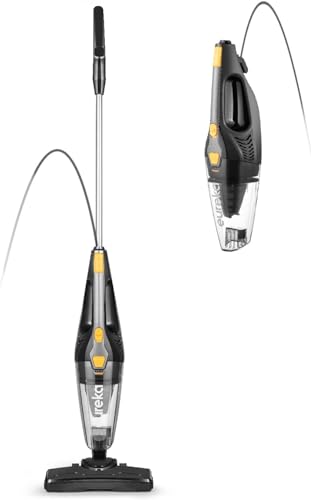
How Much Does a Vacuum Cleaner Cost? Average Prices in 2026
Prices vary more by type than by brand. The table shows typical ranges for new vacuums sold on Amazon and in major stores.
| Vacuum type | Entry level | Mid range | Premium |
|---|---|---|---|
| Upright | around $80 to $150 | around $150 to $450 | around $500 to $950 |
| Canister | around $80 to $170 | around $200 to $500 | around $900 to $1,300 |
| Cordless stick | around $40 to $130 | around $150 to $450 | around $500 to $950 |
| Robot vacuum | around $150 to $300 | around $400 to $700 | around $1,000 to $1,500 |
| Handheld | around $25 to $60 | around $80 to $150 | around $200 to $250 |
| Backpack | around $100 to $200 | around $300 to $450 | around $500 to $650 |
Across all types, entry level vacuums start around $40, typical mid range choices sit around $450 and premium machines run around $1,100. A small corded stick or compact upright can clean an apartment well for under $100. Mid range models add stronger suction, better tools and sealed HEPA filtration. Premium models add smarter features like dust sensors, longer battery life, self emptying robot docks and very quiet, well built canisters.
If you are asking how much does a cordless stick vacuum cost, expect around $150 to $450 for a dependable model with a removable battery, and around $800 or more for top flagship sticks. For a full size upright, the answer is usually around $150 to $300 for a strong pet friendly model.
Many shoppers also wonder how much does a lightweight vacuum cost. Corded stick vacuums and compact uprights under ten pounds often sell for around $40 to $120, which makes them some of the cheapest ways to keep a small home clean. Lightweight cordless models cost more because the battery and motor drive up the price. If filtration is your priority, how much does a hepa filter vacuum cost is easier to answer than you might expect: HEPA filters now appear on many uprights around $150 to $200, while fully sealed HEPA systems tend to start around $300.
Robot vacuums deserve a separate note. Basic robots that bump around a room cost around $150 to $300, mapping models with app control sit around $400 to $700, and robots with self emptying docks and mopping often cost around $1,000 or more. The extra money buys convenience rather than raw suction, so compare them against how much time you want to save.
What Affects the Price
Two vacuums that look alike can differ by hundreds of dollars. These are the main reasons.
Suction Power and Airflow
Stronger motors and better airflow pull more dirt from carpet. Cordless models need bigger, pricier batteries to deliver high suction for long periods, which is why runtime and power climb together with price. Corded vacuums give more suction per dollar because they do not carry a battery.
Floor Types and Brush Roll Options
A basic vacuum has one brush roll. Pricier models add motorized floor heads, soft rollers for hard floors, tangle resistant brush rolls for pet hair and height adjustment for thick carpet. Homes with mixed floors benefit most from these upgrades. If you mostly have wood floors, see our guide to the best vacuum cleaner for hardwood floors.
Bagged vs Bagless
Bagless vacuums usually cost less upfront and save you from buying bags. Bagged vacuums often cost more at purchase but trap dust more cleanly, which helps allergy sufferers. Premium bagged canisters are among the most expensive vacuums you can buy.
Filtration and Sealed System (HEPA)
A HEPA filter on its own is common even in mid range models. A fully sealed system, where air cannot escape around the filter, costs more to engineer. If someone in your home has allergies or asthma, this is one feature worth paying for.
Hidden and Ongoing Costs
The sticker price is only part of the story. Over the life of a vacuum, you will likely buy some of the following:
- Bags: bagged models need a steady supply, often around $15 to $25 for a multipack.
- Filters: washable filters wear out eventually, and HEPA filters need replacing on a schedule.
- Batteries: cordless and robot batteries lose capacity over time, and a replacement can cost a good share of a budget vacuum.
- Brush rolls and belts: belts stretch and brush bristles wear down, especially in pet homes.
- Robot extras: side brushes, mop pads and dock bags add up for robot owners.
Budget a small yearly amount for parts. A well maintained vacuum lasts longer, which lowers the true cost per year. Our guide on how long does a vacuum cleaner last explains what to expect by type.
Is a Cheap Vacuum Cleaner Good Enough?
For a small apartment with hard floors and no pets, a cheap vacuum is often perfectly fine. A basic corded stick or compact upright picks up dust and crumbs well and costs little to run.
Cheap models struggle with thick carpet, heavy pet hair and large homes. Weak suction, small bins and short battery life turn a quick job into a long one, and low cost parts tend to wear out sooner. If you have shedding pets, start with our picks for the best vacuum cleaner for pet hair instead of the cheapest option, because spending a little more usually saves money over the long run.
A good middle ground is a well reviewed mid range model from an established brand. These machines usually have parts and filters sold for years, which keeps them running long after a bargain vacuum would be replaced.
How to Save Money on a Vacuum Cleaner
- Shop sales seasons: major sale events in summer and late fall bring some of the year's best vacuum prices.
- Watch Amazon deals: lightning deals and price drops on last year's models can cut costs noticeably.
- Consider refurbished: certified refurbished units from the maker often cost much less and still include a warranty.
- Look for bundles: kits with extra filters, batteries or tools are cheaper than buying parts later.
- Buy for your floors: skip premium features you will never use.
Comparing stores helps too. Our guide on where to buy a vacuum cleaner covers the pros and cons of each.
Frequently Asked Questions
How much does a backpack vacuum cost?
How much does a backpack vacuum cost depends on use. Home and light commercial backpack vacuums cost around $100 to $200, while professional models used by cleaning crews run around $300 to $650. Higher prices bring longer cords, better harness comfort and HEPA filtration for commercial spaces.
How much does a bagged vacuum cost?
A bagged upright usually costs around $100 to $300, while premium bagged canisters cost around $900 to $1,300. Remember to add the cost of bags over time. Bagged models trap dust well, which is why many allergy sufferers prefer them despite the ongoing expense.
How much does a bagless vacuum cost?
Most bagless vacuums cost around $80 to $450, with premium cordless and robot models going much higher. Bagless designs save money on bags, but you still need to clean or replace filters. They are the most common type and offer the widest choice at every budget.
How much does a canister vacuum cost?
How much does a canister vacuum cost ranges widely: compact bagless canisters start around $80, solid mid range models cost around $200 to $500 and premium bagged canisters with powered floor heads run around $900 to $1,300. Canisters are quiet and great on stairs and mixed floors.
Is it cheaper to buy a vacuum cleaner online?
Often, yes. Online stores like Amazon carry more models and more frequent price drops, and you can compare owner reviews before buying. Local stores sometimes match prices and make returns easier, so check both during major sales.
Final Thoughts
How much does a vacuum cleaner cost comes down to the type, features and your home. Plan on around $100 to $450 for most households, less for small spaces and more for premium cordless, canister or robot models. Factor in bags, filters and batteries, and buy for your floors. When you are ready to shop, start with our picks for the best vacuum cleaner.


