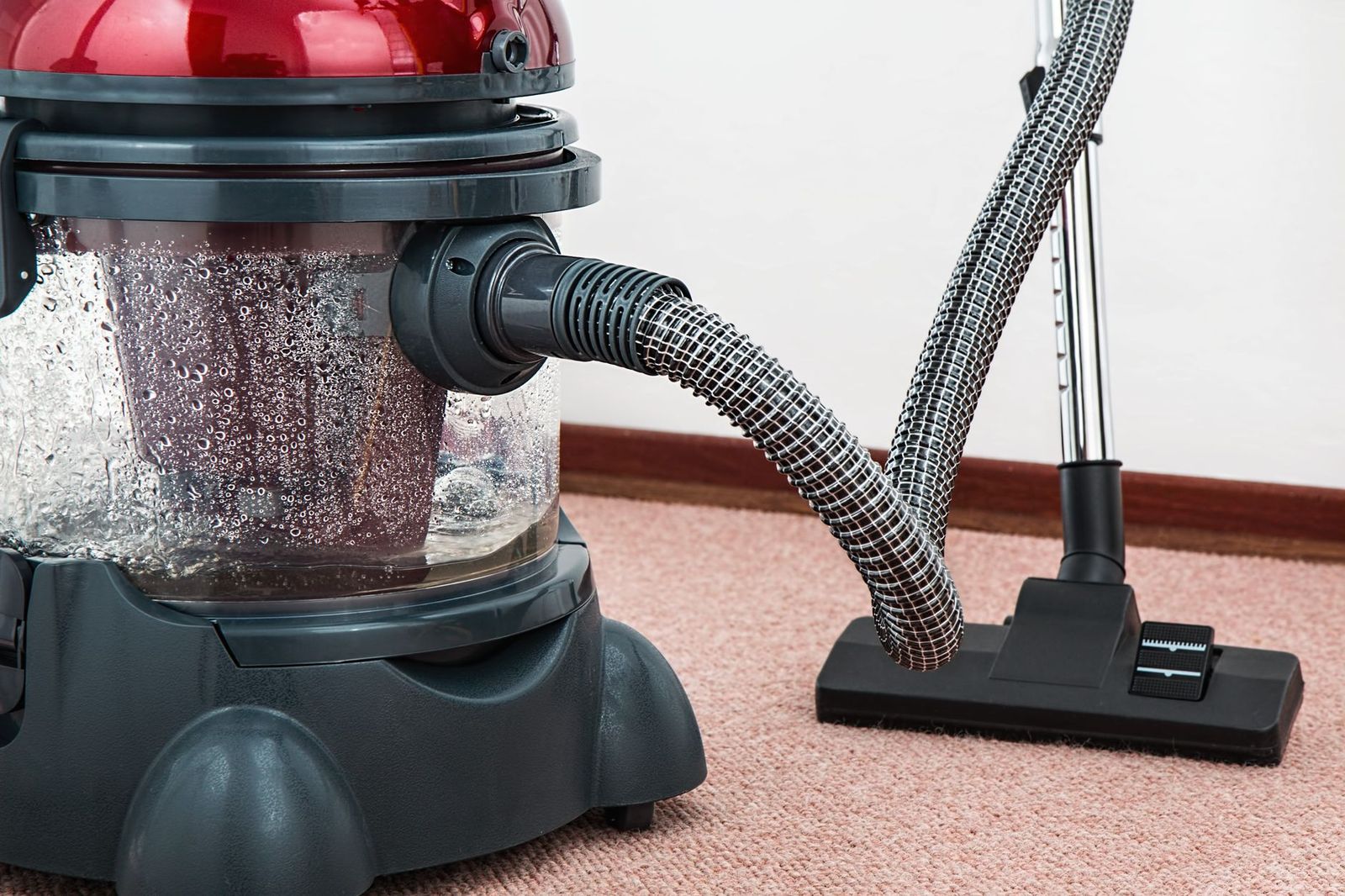
How Long Does a Vacuum Cleaner Last? Lifespan, Signs of Wear and Tips (2026)
Disclosure: We may earn a commission when you buy through links on this page, at no extra cost to you. As an Amazon Associate I earn from qualifying purchases. Learn more
How long does a vacuum cleaner last? Typical lifespans by type, the warning signs of wear and easy habits that add years of use.
Most vacuum cleaners last about 5 to 8 years, with quality upright and canister models often reaching 8 to 10 years or more and budget cordless sticks sometimes wearing out in 3 to 5. So how long does a vacuum cleaner last in your home? It depends on the type, build quality, how often it runs and, above all, how well it is maintained. A vacuum that gets its filters washed and its brush roll cleared regularly can easily outlive a neglected premium model.
Below you will find typical lifespans by vacuum type, the factors that shorten or extend that life, the warning signs that a machine is failing, and a simple maintenance routine. We also cover when a repair makes sense and when it is smarter to replace.
Average Lifespan: How Long Does a Vacuum Cleaner Last?
Manufacturer warranties and owner experience point to a fairly consistent range. Warranties on mainstream vacuums usually run one to five years, while motors in well built models often keep going long after coverage ends. The table below gives realistic ranges for regular household use.
| Vacuum type | Typical lifespan | Main wear points |
|---|---|---|
| Upright (corded) | 6 to 10 years | Belts, brush roll, hoses |
| Canister | 7 to 12 years | Hose, power head, motor brushes |
| Cordless stick | 3 to 6 years (battery 2 to 4) | Battery, trigger, cleaner head |
| Handheld | 3 to 5 years | Battery, small motor |
| Robot vacuum | 3 to 6 years | Battery, wheels, sensors, brushes |
| Backpack (commercial) | 7 to 10 years | Hose, harness, motor |
| Central vacuum system | 15 to 20+ years | Power unit motor, hose |
Corded machines tend to last longer than battery models because there is no lithium pack slowly losing capacity. On a cordless vacuum, the battery is usually the first part to fade, but on many models it can be replaced, which resets much of the performance. Heavy use shortens every number in the table. A vacuum running daily in a home with several shedding pets will wear faster than one used twice a week in a small apartment.
Factors That Affect How Long It Lasts
Several things decide whether a vacuum reaches the top or the bottom of its expected range.
- Build quality: metal wands, sealed motors and thicker plastic housings hold up better than thin, lightweight shells. Premium brands also tend to sell spare parts for longer.
- Motor type: brushless digital motors found in many newer cordless and canister models have fewer wearing parts than older brushed motors.
- Frequency of use: more hours per week means more wear on belts, bearings and batteries.
- Debris load: pet hair, sand, fine dust and renovation debris are hard on filters and motors. Using a household vacuum for drywall dust is a common way to kill it early.
- Filtration: clogged filters force the motor to work harder and run hotter. Models with sealed HEPA filtration protect the motor and your air, but only if the filters are kept clean.
- Floor types: thick carpet and rugs put more strain on the brush roll and belt than hard floors.
- Storage and handling: dropping a stick vacuum, wrapping the cord too tightly or leaving a battery in a hot garage all shorten its life.
Bagged and bagless designs also age differently. A bagged vacuum traps most dust inside the bag, so the motor and filters stay cleaner. If you are curious how long does a hepa filter vacuum last, the answer follows the same pattern: the machine itself lasts as long as its type allows, while the HEPA filter needs replacing on the schedule the manufacturer sets, often every 6 to 12 months.
Weight and size play a role too. Many shoppers ask how long does a lightweight vacuum last, and the honest answer is a little shorter than a full size model on average. Compact sticks and small uprights use smaller motors and lighter plastics, so they wear sooner under heavy use. Used as a quick cleanup tool alongside a bigger machine, though, a lightweight vacuum often lasts five years or more.
Signs Your Vacuum Cleaner Needs Repair or Replacement
Vacuums rarely fail all at once. Watch for these warning signs:
- Weak suction that does not improve after emptying the bin, cleaning filters and clearing the hose.
- Burning smell, which often means a slipping belt, a jammed brush roll or an overheating motor.
- Loud or unusual noises such as grinding, rattling or high pitched whining.
- Brush roll not spinning even when switched on, usually a broken belt or failed motor.
- Short runtime on a cordless model, a sign the battery is wearing out.
- Dust escaping from the body or exhaust, pointing to cracked seals or worn gaskets.
- Frayed cord or intermittent power, which is also a safety risk.
Some of these are cheap fixes. A new belt or brush roll costs little and takes minutes to install. Motor failure or a cracked main housing is usually where replacement starts to make more sense.
It also helps to keep a simple note of when you replaced the belt, filters or battery. If the same problem keeps coming back every few weeks even after a fix, the underlying part, often the motor or the main circuit board, is probably wearing out. At that point it is time to compare replacement options rather than repeat the same repair.
How to Make Your Vacuum Cleaner Last Longer
A few minutes of care each week adds years to almost any vacuum. These four habits matter most.
Empty the bin or change the bag
Empty a bagless bin once it reaches the max fill line, and ideally after every session. Change bags when they are about two thirds full, since suction drops sharply as a bag fills. An overfilled bin or bag reduces airflow, which makes the motor run hotter and wear faster.
Wash or replace filters
Check the filters monthly. Many foam and pleated pre motor filters can be rinsed in cold water, but they must dry completely, usually for 24 hours, before going back in. HEPA filters are often not washable, so follow the manual and replace them on schedule.
Remove hair from the brush roll
Hair and string wrap around the brush roll and strain the belt and motor. Cut them away with scissors along the groove of the roll every week or two, or more often if you have pets. Many newer models have tangle resistant rolls, but they still benefit from a quick check.
Check hoses for clogs
A sudden loss of suction is often a blockage in the hose or wand. Detach it and look through it toward a light, then push out any clog gently with a broom handle. Clearing clogs quickly keeps the motor from straining against blocked airflow.
Repair or Replace?
A simple rule of thumb: if the repair costs less than about half the price of a comparable new vacuum and the machine is still within its expected lifespan, repairing usually makes sense. Belts, brush rolls, hoses, filters and cordless batteries are all reasonable repairs.
Replace instead when the motor has failed on an older budget model, when parts are no longer available, or when your needs have changed, such as moving from carpet to mostly hard floors. Newer models are often lighter, quieter and better at filtering fine dust, which can be worth the upgrade on its own. If you are pricing a replacement, our guide to how much does a vacuum cleaner cost shows what each type typically runs, and where to buy a vacuum cleaner compares the main places to shop.
Frequently Asked Questions
How long does a backpack vacuum last?
A commercial grade backpack vacuum usually lasts around 7 to 10 years, even with heavy daily use by cleaning crews. That durability comes from simple designs with strong motors and replaceable parts. When people ask how long does a backpack vacuum last, the key extras are regular filter cleaning and replacing worn hoses and harness parts.
How long does a bagged vacuum last?
Most bagged vacuums last about 8 to 10 years, and well built models can go longer. The bag captures dust before it reaches the motor and filters, which reduces wear. So the answer to how long does a bagged vacuum last depends mainly on changing bags on time and replacing belts as needed.
How long does a bagless vacuum last?
Bagless vacuums typically last 5 to 8 years. They are convenient, but fine dust reaches the filters more easily, so the filters clog faster. Owners who ask how long does a bagless vacuum last usually find that washing filters monthly and emptying the bin after each use keeps them near the top of that range.
How long does a canister vacuum last?
Canister vacuums are among the longest lasting types, commonly 7 to 12 years and sometimes more for premium models. Their motors sit in a separate body away from the floor head, which protects them from strain. When estimating how long does a canister vacuum last, the hose and power head are usually the first parts to need attention.
Is it worth repairing an old vacuum cleaner?
It is worth it when the fix is simple and the machine is otherwise solid, such as a new belt, hose, filter or battery. Paying for motor replacement on an inexpensive model rarely makes sense. For a durable canister or a central system, where how long does a central vacuum system last is often measured in decades, repairs are usually a smart investment.
Final Thoughts
How long does a vacuum cleaner last? Usually 5 to 8 years, longer for canisters, quality uprights and central systems, and shorter for budget cordless and robot models. Regular maintenance makes the biggest difference, from emptying the bin to clearing the brush roll. When it is time to replace yours, see our picks for the best vacuum cleaner, the best vacuum cleaner for pet hair and the best vacuum cleaner for hardwood floors.