The 3 Best Vacuum Cleaners for Allergies of 2026: Expert Picks and Buying Guide
Disclosure: We may earn a commission when you buy through links on this page, at no extra cost to you. As an Amazon Associate I earn from qualifying purchases. Learn more

Our best vacuum cleaner for allergies picks use sealed HEPA systems to trap dust, pollen and dander, plus tips on filters and bags.
If you sneeze every time you vacuum, the problem may be the vacuum itself. Many machines pick up dust, pollen and pet dander from the floor, then blow the finest particles straight back into the room through leaky seals or weak filters. For allergy sufferers, that can make cleaning day the worst day of the week. The best vacuum cleaner for allergies pairs a true HEPA filter with a fully sealed body, so allergens stay locked inside, plus strong pickup that pulls dust and dander out of carpets before it can become airborne.
We compared current vacuums sold on Amazon by their published filtration specs, verified owner feedback, expert reviews and price against features. Three stood out: the Shark PowerDetect Upright AZ4002 as the best overall pick, the Shark Navigator Lift-Away NV360 as the best value, and the Miele Complete C3 Calima bagged canister as the premium choice with a HEPA Lifetime Filter.

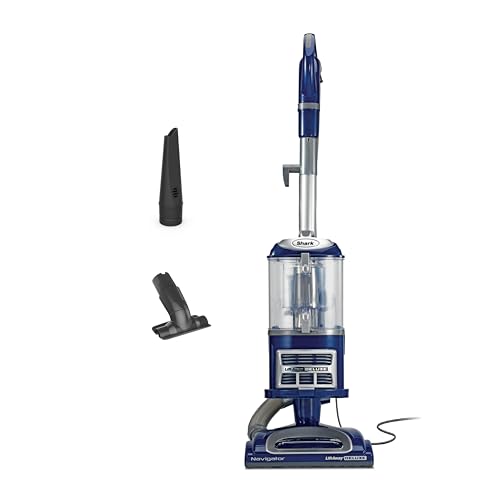

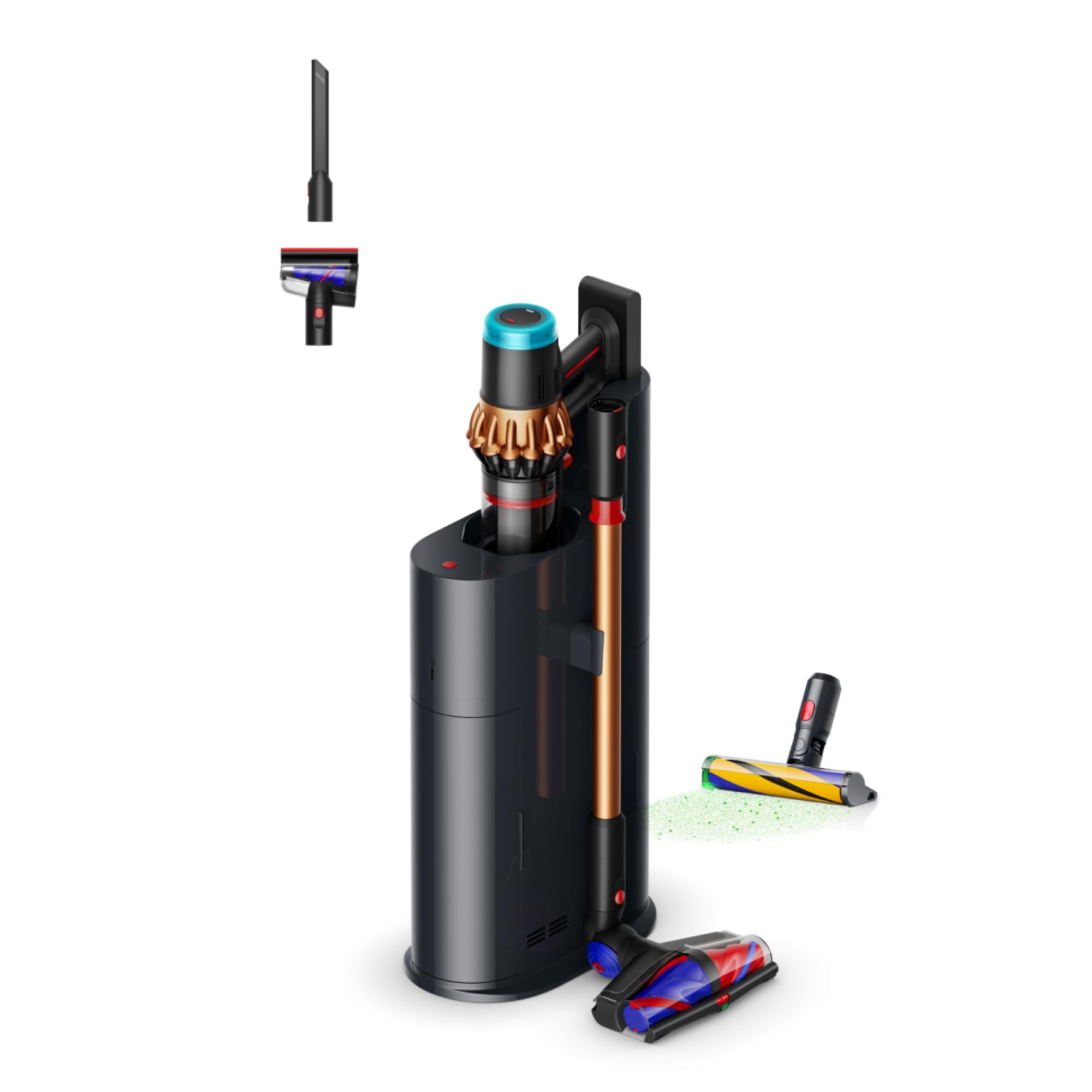

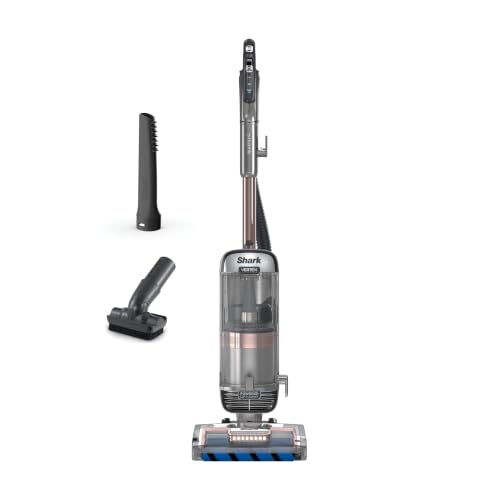


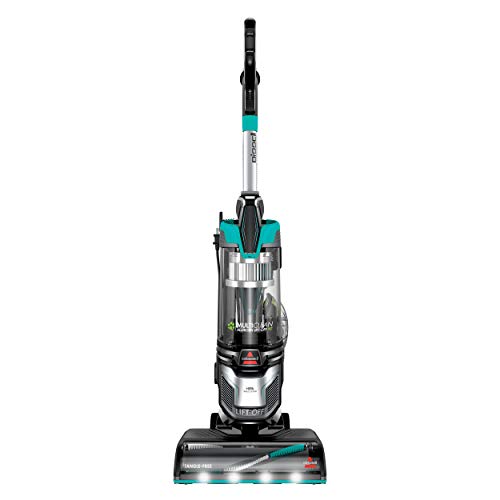

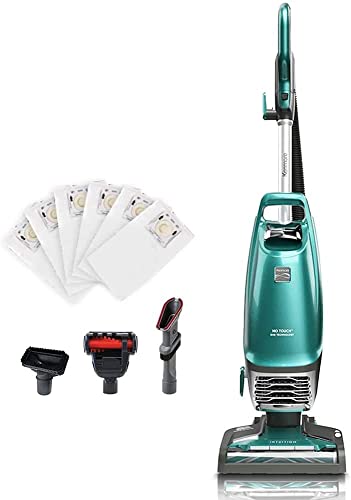
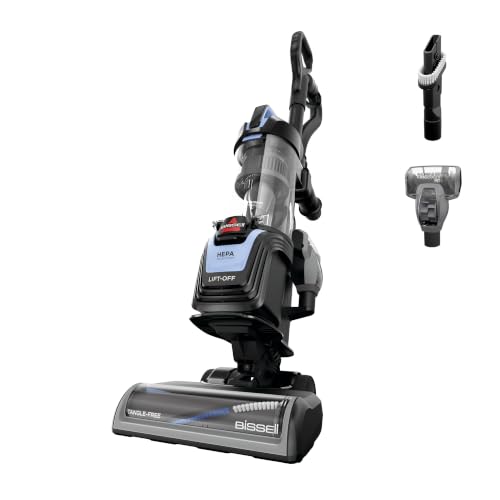
Our Top 3 Picks at a Glance
- Best Overall: Shark PowerDetect Upright Vacuum AZ4002 (around $450). Anti-Allergen Complete Seal with a HEPA filter that traps 99.99% of dust and allergens, plus sensors that adjust suction automatically.
- Best Value: Shark Navigator Lift-Away Upright Vacuum NV360 (around $150). A sealed HEPA system, a detachable pod and brushroll shutoff for a modest price.
- Best Premium Pick: Miele Complete C3 Calima Bagged Canister Vacuum (around $750). A HEPA Lifetime Filter that retains up to 99.999% of fine particles inside a bagged, sealed canister.
The comparison table above also lists strong alternatives, including the Dyson V15 Detect Plus and V16 Piston Animal cordless vacuums, the Shark Vertex Lift-Away, Kenmore's HEPA canister and bagged upright, the Miele Classic C1 and Bissell's allergen models.
How We Chose the Best Vacuum Cleaner for Allergies
For allergy sufferers, filtration comes first, so every pick had to offer HEPA filtration and a sealed system that keeps air from escaping around the filter. We then compared cleaning performance on carpet and hard floors, since allergens hide deep in carpet pile, and looked at how hygienic each vacuum is to empty. Owner feedback on Amazon carried a lot of weight, especially comments from people with allergies and asthma and from homes with pets. Finally, we weighed price against features and confirmed each pick is in stock and a current model.
Vacuum Cleaner for Allergies Reviews
Each review lists the maker's confirmed specs, why the model earned its place, the main pros and cons and who should buy it. Our three picks cover a smart premium upright, a proven budget upright and a high end bagged canister, so you can match filtration to your budget and floors.
1. Shark PowerDetect Upright Vacuum AZ4002: Best Overall
- Anti-Allergen Complete Seal with a HEPA filter that traps 99.99% of dust and allergens
- DuoClean Detect with four Intelli-Sense sensors for dirt, hair, floor type and direction
- Floor Detect adjusts suction and brushroll speed between carpet and hard floors
- Self cleaning brushroll with no hair wrap, plus a HairPro self cleaning pet power brush
- Powered Lift-Away pod for stairs, upholstery and furniture
Why We Picked It
The AZ4002 checks the two boxes that matter most for allergies: it picks up a lot of dust, and it keeps that dust inside. Shark's Anti-Allergen Complete Seal works with a HEPA filter to trap 99.99% of dust and allergens down to 0.3 microns, so the fine particles that trigger sneezing are not blown back out of the exhaust. That sealed design is the difference between a vacuum that helps allergies and one that makes them worse.
Its smart sensors do the rest. DuoClean Detect uses four Intelli-Sense sensors to find hidden dirt, pet hair and edges, then raises suction and brushroll speed where needed. Floor Detect adapts automatically between carpet and hard floors, so you get deep cleaning in rugs without scattering dust on wood or tile. For homes with pets, the self cleaning brushroll prevents hair wrap, and the HairPro pet brush pulls dander from upholstery and stairs.
The Powered Lift-Away pod keeps the brushroll spinning while you clean stairs and furniture, which matters because dust and dander collect on soft surfaces as much as on floors.
Pros
- Sealed HEPA system traps 99.99% of dust and allergens
- Sensors boost power where dirt and hair hide
- No hair wrap, great for pet dander
- Powered Lift-Away for stairs and upholstery
Cons
- Bagless bin can release some dust when emptied
- Heavier than a basic upright
Who Should Buy It
Choose the AZ4002 if you have allergies, pets and a mix of carpet and hard floors, and want a vacuum that adapts to each surface on its own. At around $450, it is the most complete allergy friendly upright we found and our pick as the best hepa filter vacuum for allergies in most homes.

2. Shark Navigator Lift-Away Upright Vacuum NV360: Best Value
- HEPA filter with Anti-Allergen Complete Seal
- Lift-Away detachable pod for above floor cleaning
- Brushroll shutoff for carpet and hard floors
- Swivel steering
- 0.9 quart bagless dust cup with upholstery and crevice tools
Why We Picked It
You do not need to spend a fortune for sealed HEPA filtration. The Navigator Lift-Away NV360 uses the same Anti-Allergen Complete Seal idea as Shark's pricier models, pairing a HEPA filter with a sealed body so dust and allergens stay in the machine. That makes it one of the most affordable ways to get real allergy protection from an upright.
It is light and easy to steer thanks to swivel steering, and the Lift-Away pod detaches for stairs, curtains, blinds and furniture, all places where dust and pollen settle. The brushroll shutoff protects hard floors and avoids scattering fine dust on bare surfaces. Its huge base of owner reviews speaks to long term reliability.
It lacks the sensors and self cleaning brushroll of the AZ4002, so you will cut hair off the roller now and then, but for basic allergy friendly cleaning it is outstanding value.
Pros
- Sealed HEPA filtration at a low price
- Light with easy swivel steering
- Lift-Away pod for above floor cleaning
- Proven, widely owned design
Cons
- Brush roll can tangle with long hair
- Small dust cup for large homes
Who Should Buy It
Pick the NV360 if you want sealed HEPA filtration on a budget and have a small to medium home. At around $150, it is also one of the best lightweight vacuum for allergies choices for people who carry a vacuum between floors.

3. Miele Complete C3 Calima Bagged Canister Vacuum: Best Premium Pick
- HEPA Lifetime Filter that retains up to 99.999% of fine particles
- Bagged canister for low to medium pile carpet and hard floors
- Turbo Brush floorhead and Parquet Twister floorhead
- Foot switches for suction power, Comfort Handle and One-Touch cord rewind
- Dusting brush, upholstery nozzle and crevice nozzle in an integrated compartment
Why We Picked It
For severe allergies, a bagged canister with top tier filtration is hard to beat, and the Complete C3 Calima is built for exactly that. Miele's HEPA Lifetime Filter retains up to 99.999% of even the smallest particles, including fine dust and allergens, and the bagged design means dust is sealed away inside a bag rather than dumped from an open bin. Emptying is quick and clean, which matters a lot to people who react to every puff of dust.
The Turbo Brush handles low to medium pile carpet, while the Parquet Twister head is gentle on hard floors. Foot switches let you change suction without bending, and the integrated accessories stay with the vacuum so you are not hunting for tools. As a canister, it is also quieter and easier to steer around furniture than most uprights.
It costs far more than our other picks, but for households with asthma or serious allergies, the filtration and hygienic disposal are worth it.
Pros
- Exceptional HEPA Lifetime filtration
- Bagged, hygienic disposal
- Two floorheads for carpet and hard floors
- Comfortable foot controls and integrated tools
Cons
- High price
- Ongoing cost of bags
Who Should Buy It
Buy the C3 Calima if you have severe allergies or asthma, mostly hard floors and low to medium pile carpet, and want premium build quality. At around $750, it is the premium choice and the best vacuum cleaner for pollen and fine dust in this guide.

What Allergy Sufferers Should Look for in a Vacuum Cleaner
Not every vacuum labeled for allergies actually helps. These three features make the biggest difference. For a broader look at all types, see our guide to the best vacuum cleaner.
True HEPA vs HEPA type filters
A true HEPA filter is designed to capture at least 99.97% of particles as small as 0.3 microns. HEPA type or HEPA style filters may sound similar but are not held to that standard. Check the listing for a stated capture rate and particle size rather than relying on the word HEPA alone.
Sealed systems that stop leaks
Even the best filter fails if air leaks around it. A sealed system forces all air through the filter before it leaves the vacuum. Look for terms like complete seal or sealed allergen system, and avoid cheap models where dust escapes through gaps in the body.
Hygienic emptying and bagged options
Emptying a bagless bin can release a cloud of fine dust. Bagged vacuums seal dust inside, and some bags close automatically. If you prefer bagless, empty the bin outdoors into a bag held close to the opening and wear a mask during the process.
How to Choose the Best Vacuum Cleaner for Allergies
Think about your floors, pets and how severe your allergies are. If you are asking which vacuum cleaner is best for allergies in your home, start with filtration and work through the points below.
Suction Power and Airflow
Strong suction and good agitation pull allergens out of carpet rather than leaving them to be kicked up later. Look for sensors or boost modes that increase power on carpet. Owner feedback on dust pickup is often more useful than headline power figures.
Floor Types and Brush Roll Options
Carpet holds far more dust and dander than hard floors, so carpeted homes need a motorized brush roll. On hard floors, a soft roller or brushroll shutoff prevents fine dust from being scattered. If your home is mostly wood or tile, our guide to the best vacuum cleaner for hardwood floors covers gentle options.
Bagged vs Bagless
Bagged vacuums are usually better for severe allergies because they trap dust in a sealed bag. Bagless models save money on bags and work well for mild allergies if they have a sealed HEPA system and you empty them carefully.
Filtration and Sealed System (HEPA)
Choose a vacuum with a true HEPA filter and a sealed body. Check how often the filter needs cleaning or replacing, since a clogged filter reduces suction and can let dust bypass it. Washable prefilters help extend HEPA filter life.
Weight and Maneuverability
A vacuum you can easily carry and steer gets used more often, which keeps allergen levels down. Light uprights and canisters make stairs and furniture easier, and the best lightweight vacuum for dust is often one with a detachable pod.
Cord Length or Battery Runtime
Corded vacuums give steady power for whole home cleaning. Cordless sticks are convenient for frequent quick cleanups, which help control dust between deep cleans. Many allergy sufferers own one of each, using the cordless model for quick daily passes and the corded one for a thorough weekly clean.
Attachments and Above Floor Cleaning
Dust and pollen collect on curtains, upholstery, mattresses and vents. A dusting brush, upholstery tool and crevice tool are essential. Pet owners should add a motorized pet tool; our guide to the best vacuum cleaner for pet hair covers the strongest options.
FAQs About Vacuum Cleaners for Allergies
Can a vacuum cleaner be used for allergies?
Yes. A vacuum with a true HEPA filter and a sealed system removes dust, pollen, dander and dust mite debris from floors and furniture without blowing them back into the air. Vacuuming at least twice a week helps keep allergen levels lower, especially in bedrooms and carpeted rooms.
How long does a vacuum cleaner last?
Most quality vacuums last around 8 years, and premium bagged canisters often last longer. Replacing filters and bags on schedule, clearing brush rolls and checking seals keep both suction and filtration working well over time.
Is a vacuum cleaner worth the money?
For allergy sufferers, a good sealed HEPA vacuum is one of the most worthwhile home purchases. It reduces allergens in the air and on surfaces, which can mean fewer symptoms and better sleep.
How much should I spend on a vacuum cleaner?
Sealed HEPA uprights start around $150, while smarter uprights and premium canisters run $400 to $750 or more. Our guide on how much does a vacuum cleaner cost breaks down price ranges, and our guide on where to buy a vacuum cleaner covers where to find good deals.
How do I maintain a vacuum cleaner?
Empty bins outdoors or replace bags before they are full, and wash or replace filters as the maker recommends. Check seals and hoses for cracks, cut hair from brush rolls and wipe down the vacuum to keep dust from building up on the outside.
Final Verdict
The Shark PowerDetect Upright AZ4002 is the best vacuum cleaner for allergies for most homes, combining a sealed HEPA system with smart sensors and pet friendly features. The Shark Navigator Lift-Away NV360 is the value pick for sealed HEPA filtration on a budget, and the Miele Complete C3 Calima is the premium choice for severe allergies. Prices change often, so check today's price on Amazon before you buy.