
How to Choose Pruning Shears: Features That Matter in 2026
Disclosure: We may earn a commission when you buy through links on this page, at no extra cost to you. As an Amazon Associate I earn from qualifying purchases. Learn more

Bypass, anvil, ratchet or electric: a plain guide on how to choose pruning shears that fit your hands and your garden.
To choose pruning shears, match the blade type to what you cut (bypass for live stems, anvil or ratchet for dead wood), check the cutting capacity against your thickest branches, pick a grip that fits your hand and look for hardened, replaceable blades. That is the quick answer to how to choose pruning shears. This guide walks through each feature, typical prices, sizing and the buying mistakes that lead to crushed stems and sore wrists.
What Are Pruning Shears and Do You Need Them?
Pruning shears, also called hand pruners or secateurs, are one hand cutting tools for stems and branches up to roughly three quarters of an inch thick. If you grow roses, shrubs, fruit trees, perennials or vegetables, you need a pair. Clean cuts heal faster than torn ones, so a good pair protects plant health as well as your hands. For a fuller look at their uses, see what are pruning shears used for.
Main Types of Pruning Shears
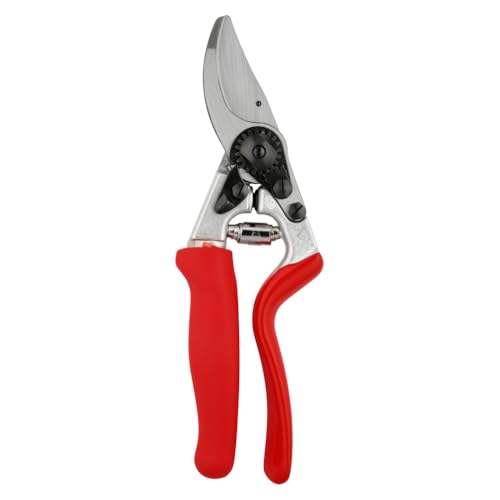
Bypass pruners work like scissors, with one sharp blade passing a hook. They make the cleanest cuts on live growth and suit most gardeners.
Anvil pruners press a straight blade onto a flat surface. They cut dry, dead wood with less effort but can crush soft green stems.
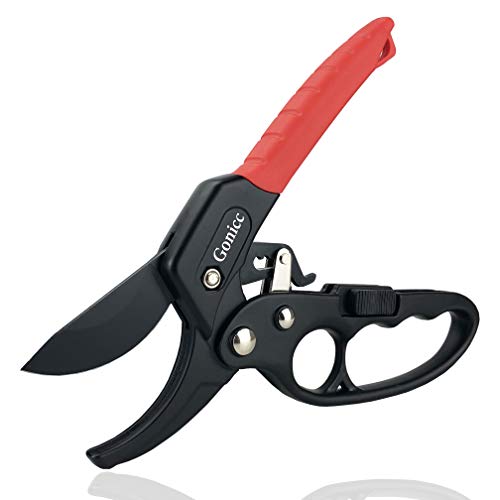
Ratchet pruners cut in stages, so people with weaker hands or arthritis can get through thicker branches with several small squeezes.
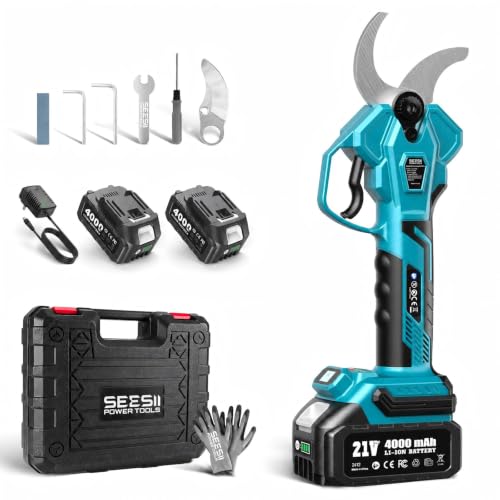
Electric pruners use a battery and motor to close the blade. They suit large orchards, vineyards and anyone making hundreds of cuts a day.
Snips and micro tip shears are a fifth option for deadheading, herbs and delicate flowers.
How to Choose Pruning Shears: Key Features to Consider
Bypass vs Anvil vs Ratchet
Choose bypass for live plants, anvil for dead wood and ratchet if hand strength is limited. Many gardeners own a bypass pair for everyday work and an anvil pair for cleanup.
Cutting Capacity
Cutting capacity is the thickest branch the shears are rated to cut. Hand pruners usually handle about 5/8 to 1 inch. Anything thicker belongs to loppers or a saw, and forcing it damages the blade.
Blade Steel and Coating
Hardened carbon steel holds an edge well. Non stick or titanium coatings reduce sap buildup and rust, and a blade that can be resharpened or replaced extends the tool's life.
Ergonomic Grip and Hand Size
Handles should open comfortably within your grip span. Many brands sell small, medium and large sizes plus left handed models, and some offer rotating handles that reduce fatigue.
Manual vs Cordless Electric
Manual pruners are light, cheap and precise. Cordless electric pruners cost more and weigh more, but they make big jobs far easier on the hands.
Locking Mechanism and Safety
A lock that is easy to work with one hand keeps blades closed in your pocket. Electric models should have a safety trigger or lockout.
Replaceable Parts
Premium pruners sell replacement blades, springs and bolts, which turns a one time purchase into a tool you keep for many years.
How Much Should You Spend?
Entry level bypass and anvil pruners cost around $10 to $20 and work well for light home gardening. Mid range tools at around $35 to $80 add better steel, replaceable parts and sized handles, with professional Swiss models in this band. Cordless electric pruners run around $45 to $110 and more. So how much do pruning shears cost? Most home gardeners do best in the $15 to $70 range.
Where to Buy Pruning Shears: Amazon vs Big Box Stores vs Specialty Shops
Amazon has the widest selection, verified reviews and fast delivery. Big box stores let you test the grip in hand, and garden centers offer expert advice and sharpening services. Compare returns and warranty support before you buy.
What Size Pruning Shears Do You Need?
Use this table to answer what size pruning shears do I need for your garden and hands.
| Garden or user | Suggested tool | Typical capacity |
|---|---|---|
| Balcony, herbs, flowers | Snips or small bypass pruner | Up to 1/2 inch |
| Typical yard with shrubs and roses | Medium bypass pruner | About 3/4 inch |
| Small hands or arthritis | Small bypass or ratchet pruner | About 3/4 inch |
| Orchard, vineyard, large hedges | Cordless electric pruner | 1 inch or more |
Are Pruning Shears Worth Buying?
Yes. Even a basic pair makes cleaner cuts than household scissors or a knife, which helps plants heal and reduces disease. A quality pair with replaceable parts can last for many years, so the cost per season is tiny. For anyone who grows plants, pruning shears are one of the first tools worth owning.
Common Buying Mistakes to Avoid
- Buying anvil pruners for live, green stems.
- Choosing handles too large for your hand.
- Expecting hand pruners to cut thick branches meant for loppers.
- Ignoring whether blades can be sharpened or replaced.
- Picking a lock that needs two hands to operate.
Frequently Asked Questions
How long do pruning shears last?
It depends on build quality and care. Cheap pruners may last only a few seasons before the blade dulls or the spring fails, while premium pairs with replaceable blades and springs can serve for many years. Wipe off sap after use, oil the pivot, sharpen the blade each season and store them dry to get the longest life from any pair.
How much do pruning shears cost?
Basic manual pruners cost around $10 to $20, premium manual models around $35 to $95 and cordless electric pruners around $45 to $110. Spending more usually buys harder steel, better ergonomics, sized handles and replaceable parts. For most home gardeners a mid priced bypass pair offers the best balance of comfort and durability.
Are pruning shears worth buying?
Yes. Pruning shears make clean cuts that protect plant health, reduce the risk of disease entering torn stems and save time on every pruning job. Compared with using scissors or a knife, they are safer and far less tiring, and even an inexpensive pair pays for itself in healthier shrubs and flowers.
Are pruning shears worth it for a small garden?
Yes. Even a few potted plants or a small flower bed benefit from clean cuts for deadheading, shaping and harvesting herbs. An affordable bypass pair costs little and takes up almost no space, and a pair of micro tip snips is a handy extra for delicate flowers and indoor plants.
What is the best brand of pruning shears?
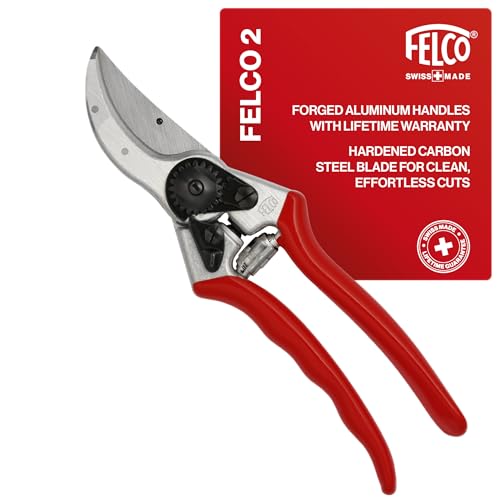
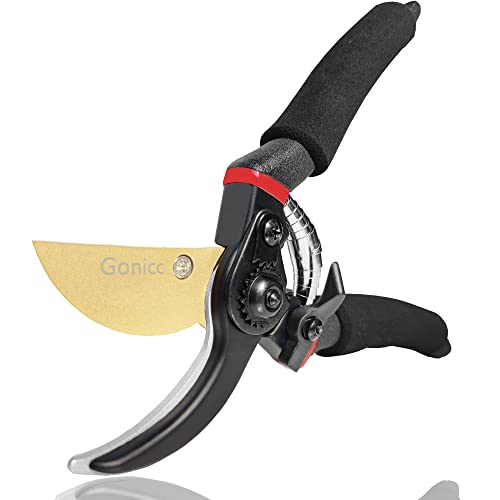
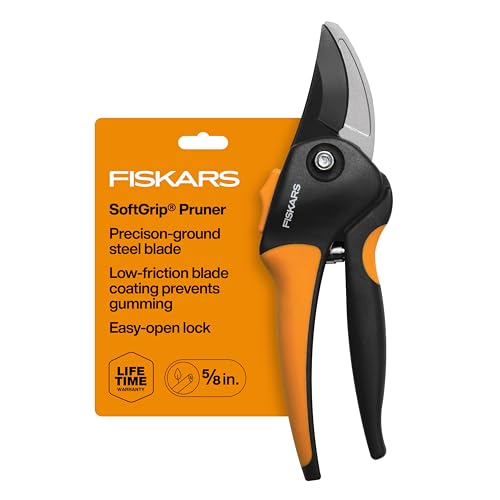
There is no single best brand for everyone. Felco is widely regarded for professional manual pruners with replaceable parts, while Fiskars and gonicc offer strong value for home gardeners. Compare blade type, cutting capacity and handle size rather than choosing on brand alone, since the right fit matters most.
Final Thoughts
Knowing how to choose pruning shears comes down to blade type, cutting capacity, steel quality and a comfortable grip. For specific models, see our picks for the best pruning shears, the best pruning shears for trees and the best pruning shears for flower beds, then learn how to use pruning shears the right way.


