
What Are Pruning Shears Used For? Everything You Need to Know (2026)
Disclosure: We may earn a commission when you buy through links on this page, at no extra cost to you. As an Amazon Associate I earn from qualifying purchases. Learn more
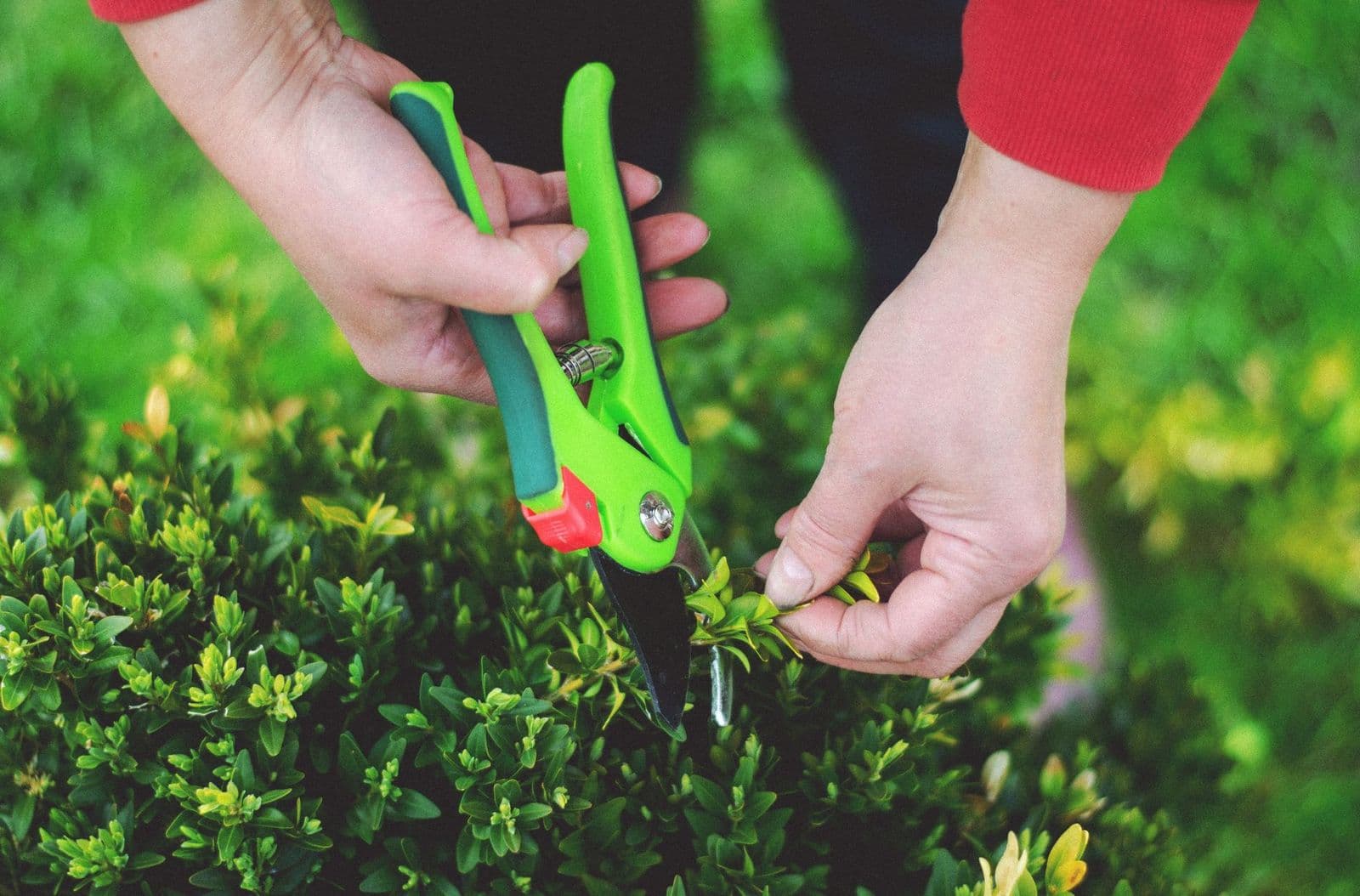
What are pruning shears used for? How hand pruners work, bypass vs anvil vs ratchet types, and the garden jobs each one handles best.
Pruning shears are hand held cutting tools used to trim living and dead stems, small branches, flowers and foliage up to about three quarters of an inch thick. Gardeners use them to shape shrubs, deadhead flowers, harvest herbs and vegetables, remove diseased growth and keep young trees well formed. If you have wondered what are pruning shears used for, the short answer is almost any precise cut in the garden that is too thick for scissors and too small for loppers or a saw.
Below we explain how pruning shears are built, how they cut, the main types and where each one shines, so you can pick the right pair for your yard.
What Are Pruning Shears?
Pruning shears, also called hand pruners or secateurs, are short, scissor style tools with two handles, a pivot and a pair of hardened steel blades. They are sized to fit one hand and designed for repeated cutting of plant material, with a spring that opens the blades after each squeeze and a lock that keeps them closed when stored.
Unlike household scissors, pruning shears are built to handle woody stems. The blades are thicker, the pivot is stronger and the handles give leverage so you can cut through green branches without crushing them. Most models handle stems up to about 3/4 inch, while larger branches call for long handled loppers, and limbs thicker than that need a pruning saw.
Pruning shears are one of the most used tools in any garden. Rose growers, vegetable gardeners, orchard owners and landscapers all rely on them, and many people keep a pair in a holster during the growing season for quick trims as they walk the yard.
How Do Pruning Shears Work?
Pruning shears use simple lever action. Squeezing the handles pivots the blades together, and the leverage multiplies the force of your grip at the cutting edge. Here are the main components and how they work together:
- Blades: The cutting blade is sharpened to a fine edge. On bypass pruners it slides past a thicker hook or counter blade, like scissors. On anvil pruners it presses down onto a flat surface.
- Pivot bolt: Holds the blades together and sets blade tension. A tight, smooth pivot gives clean cuts; a loose one lets stems slip between the blades.
- Spring: A coil or volute spring opens the blades after each cut, reducing hand fatigue during long sessions.
- Handles: Usually aluminum, steel or reinforced plastic, often with cushioned grips. Some rotate as you squeeze to reduce strain on your wrist.
- Locking latch: Keeps the blades closed for safe storage and carrying.
- Sap groove: A channel on the hook blade that lets sap flow away so blades do not gum up.
Ratchet pruners add a mechanism that cuts in stages. You squeeze, release and squeeze again, and the ratchet holds the blade in place between steps, letting people with weaker hands cut thicker stems. Electric pruners use a battery powered motor to close the blade, making hundreds of cuts easier on the hands.
What Are Pruning Shears Used For?
Pruning shears handle most everyday cutting jobs in the garden. Here is how they are used in different spaces.
Flower Beds
Deadheading spent blooms, cutting flowers for vases, trimming perennials and cutting back ornamental grasses all call for pruners. Bypass pruners make clean cuts that heal quickly. See our picks for the best pruning shears for flower beds.
Hedges & Bushes
Pruners shape small shrubs, remove dead or crossing branches and thin out dense growth to let in light and air. For long hedges, hedge shears or a powered trimmer are faster, but pruners give precise control on roses and specimen shrubs.
Small Gardens
On patios, balconies and small yards, a single pair of pruners covers most cutting needs, from trimming container plants to clipping vines and climbers. They also handle light jobs such as cutting twine, opening bags of soil and trimming houseplants, which is why many people keep one pair by the back door.
Trees
Pruners handle small branches, water sprouts and suckers on young trees and fruit trees. For branches thicker than about 3/4 inch, switch to loppers or a saw. Our list of the best pruning shears for trees covers models with higher cutting capacity.
Vegetable Gardens
Harvesting peppers, tomatoes, squash and herbs with pruners avoids tearing the plant. They are also used to remove suckers, trim diseased leaves and clear old vines at the end of the season.
Types of Pruning Shears
Bypass pruners. The most popular type. Two curved blades pass each other like scissors, making clean cuts on living stems. Best for flowers, shrubs and green wood.
Anvil pruners. A straight blade presses onto a flat anvil. They cut dead, dry wood with less effort but can crush living stems, so they are better for cleanup work than for shaping live plants.
Ratchet pruners. Usually anvil style with a ratcheting mechanism that cuts in steps. They help gardeners with arthritis or limited grip strength handle thicker branches.
Electric pruners. Battery powered models close the blade at the press of a trigger. They suit orchards, vineyards and large gardens with many cuts to make.
Floral snips and micro tip pruners. Narrow, pointed blades for deadheading, harvesting herbs and detailed trimming of delicate plants.
Within each type, look at blade material and size. Carbon steel blades take a very sharp edge but need oiling to prevent rust, while stainless and coated blades resist corrosion and sap. Handles come in small, medium and large sizes, and some brands make left handed models, so a good fit in your hand matters as much as the cutting style.
A simple rule helps: cut just above a bud or side branch at a slight angle, and use the right tool for the stem thickness. Forcing pruners through a branch that is too thick twists the blades and leaves a ragged wound that heals slowly.
Pros and Cons
Pros
- Precise, clean cuts that help plants heal
- Light, compact and easy to carry
- Useful for dozens of garden tasks
- Affordable, with replaceable blades and springs on many models
Cons
- Limited to small stems and branches
- Repeated cutting can tire your hand
- Blades need regular cleaning and sharpening
- Wrong type (anvil on live wood) can damage plants
Are Pruning Shears Right for You?
If you grow flowers, shrubs, vegetables, herbs or fruit trees, a good pair of pruning shears is essential. Choose bypass pruners for most live plant work, and add an anvil or ratchet pruner if you cut a lot of dead wood or have limited grip strength. Gardeners with very large properties or orchards may find electric pruners worth the cost. Whatever you choose, wear gloves, keep fingers clear of the blades and close the safety latch whenever you put the pruners down, especially around children. To compare features such as cutting capacity, grip size and blade material, read how to choose pruning shears.
Frequently Asked Questions
How do pruning shears work?
Pruning shears use lever action. When you squeeze the handles, the blades pivot together around a central bolt, multiplying your grip force at the cutting edge. Bypass blades slide past each other like scissors, while anvil blades press onto a flat surface. A spring reopens the blades after each cut. Our guide on how to use pruning shears covers proper technique.
Are pruning shears worth buying?
Yes. Pruning shears are among the most useful garden tools you can own, handling deadheading, shaping, harvesting and cleanup. A quality pair makes cleaner cuts, which helps plants heal and resist disease, and it saves effort compared with scissors or a knife.
How long do pruning shears last?
A well made pair of pruning shears can last many years, even decades, with care. Clean sap off the blades after use, keep them sharp, oil the pivot and store them dry. Many quality brands sell replacement blades and springs, which extends their life further.
Final Thoughts
So, what are pruning shears used for? Clean, precise cuts on flowers, shrubs, vegetables and small branches throughout the garden. Pick bypass pruners for live plants, anvil or ratchet pruners for dead wood, and keep them clean and sharp. When you are ready to buy, compare our picks for the best pruning shears.


