
How to Use Pruning Shears: Simple Steps, Tips and Mistakes to Avoid
Disclosure: We may earn a commission when you buy through links on this page, at no extra cost to you. As an Amazon Associate I earn from qualifying purchases. Learn more
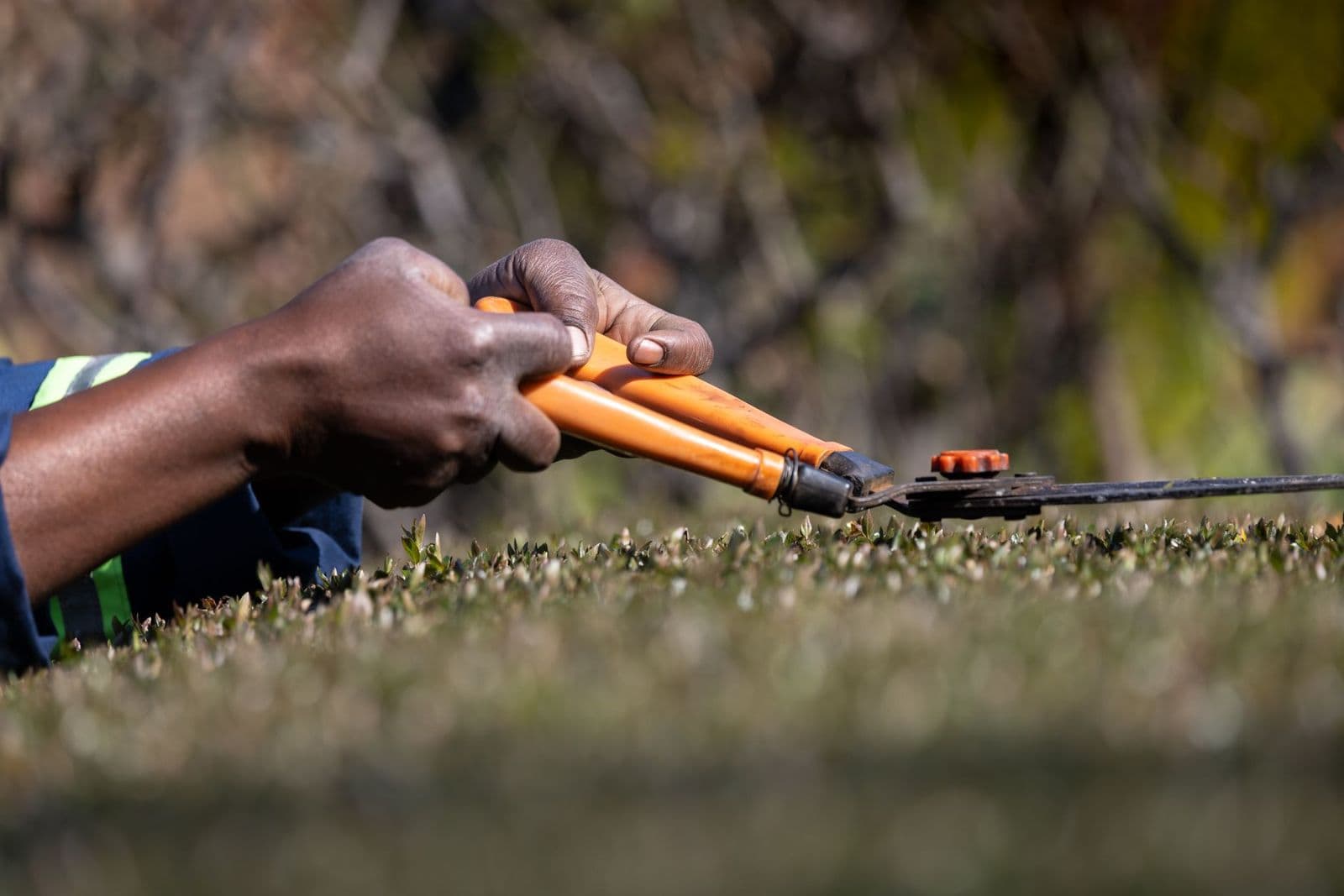
Clean cuts near a bud, sharp blades and a little oil: a simple guide on how to use pruning shears for healthier plants.
To use pruning shears, hold them with the sharp blade facing the part of the plant you keep, open them fully, place the stem deep in the jaws near the pivot and cut cleanly about a quarter inch above an outward facing bud, at a slight angle. Then wipe the blades clean after each job. That is the essence of how to use pruning shears. This guide covers preparation, a step by step routine, cleaning and maintenance, and the mistakes that leave ragged cuts and sore hands.
Before You Start: Safety and Prep
Wear gloves, especially around roses and thorny shrubs, and consider safety glasses when cutting overhead branches. Check that you have the right tool: bypass pruners for live stems, anvil pruners for dead wood, and loppers or a saw for anything thicker than the shears' cutting capacity. Make sure the blades are sharp and clean, because dull blades crush stems and dirty ones can spread disease. Wipe the blades with rubbing alcohol before you start, and again between plants if any look diseased. Finally, plan what you will cut before you begin so you do not remove too much growth.
How to Use Pruning Shears Step by Step
Step 1: Pick the right tool for the job
Use bypass pruners for green, living stems, because their scissor action makes clean cuts. Choose anvil pruners for dry, dead wood. If your hands tire quickly or you have many cuts to make, ratchet or electric pruners reduce the effort. Not sure which you need? Our guide on how to choose pruning shears explains each type.
Step 2: Check the condition before you start
Open and close the shears a few times. They should move smoothly, the spring should return the handles, and the lock should hold. Make sure the pivot bolt is snug so the blades do not separate during a cut. Test the edge on a thin twig: a sharp pair slices cleanly, while a dull one pinches and leaves a torn, stringy end.
Step 3: Use proper posture and technique
Hold the shears with the cutting blade toward the plant you keep, so the crushed side, if any, ends up on the piece you remove. Place the branch deep in the jaws, close to the pivot, where you have the most leverage. Cut about a quarter inch above a bud or side shoot at a slight angle, and squeeze in one smooth motion rather than twisting.
Step 4: Work in manageable sections
Prune one section of a shrub at a time, stepping back often to check the shape. Remove dead, damaged and crossing branches first, then thin and shape. Avoid taking more than about a quarter to a third of a plant in one session. Take short breaks on big jobs, because tired hands lead to sloppy cuts and a higher risk of slipping.
Step 5: Clean after use
Wipe sap and debris off the blades with a damp cloth, then dry them. Clean with alcohol after cutting diseased plants. Sticky sap left on the blades hardens quickly, makes the next cut drag and attracts rust, so a thirty second wipe now saves a lot of scrubbing later.
Step 6: Store it dry
Close and lock the shears and keep them in a dry place, ideally a drawer, holster or hook in the shed, never on damp soil. A leather or nylon holster on your belt is handy during the season, because shears set down in the grass are easy to lose and quick to rust.
How to Clean and Maintain Pruning Shears
Learning how to clean pruning shears and how to maintain pruning shears takes only a few minutes and keeps them cutting cleanly for years.
Rinse and dry after use
Rinse off soil and sap, or wipe with a damp cloth, then dry thoroughly. Moisture left in the pivot leads to rust and stiffness. For hardened sap, a little warm soapy water or a dedicated sap remover works better than scraping, which can scratch the blade.
Remove rust
Scrub light rust with steel wool or a fine abrasive pad. Soak stubborn rust in a little white vinegar, then rinse, dry and oil.
Sharpen edges
Use a diamond file or sharpening stone on the beveled side of the cutting blade, following its original angle. A few strokes each season keep the edge keen. Remove any burr on the flat side with one light pass.
Oil moving parts and wood handles
Add a drop of light oil to the pivot and spring after cleaning. If your shears have wooden handles, rub in linseed oil occasionally.
Store indoors
Keep shears in a dry shed, garage or kitchen drawer over winter, not in a damp tool bucket. Before storing them, give the blades a light coat of oil and close the lock so the edges are protected.
When to replace
Replace the blade or spring when the edge is chipped or the spring loses tension. If the handles crack or the blades no longer meet, it is time for a new pair. Quality pruners with replaceable parts usually only need a new blade or spring.
Pro Tips for Better Results
- Cut just above an outward facing bud to encourage open, airy growth.
- Prune most shrubs when dormant, and flowering shrubs right after they bloom.
- Keep a cleaning cloth and small bottle of alcohol in your pocket.
- Use loppers or a saw for thicker limbs, as in our list of the best pruning shears for trees.
- For deadheading and delicate flowers, see the best pruning shears for flower beds.
Common Mistakes to Avoid
Most pruning problems come from rushing or using the wrong tool. Watch out for these common errors.
- Twisting the shears to force a cut, which bends blades and tears bark.
- Cutting branches thicker than the rated capacity.
- Leaving long stubs that invite rot and pests.
- Using anvil pruners on soft green stems, which crushes them.
- Putting shears away wet or covered in sap.
Frequently Asked Questions
How often should I clean pruning shears?
Wipe your pruning shears clean after every use, and disinfect them with rubbing alcohol between plants whenever you cut diseased growth. Give them a deeper clean, sharpening and oiling at least once or twice a season, and before you store them for winter. Regular light care prevents rust and keeps cuts clean.
What can pruning shears be used for?
Pruning shears handle shaping shrubs, deadheading flowers, cutting back perennials, harvesting herbs and vegetables, and trimming small branches on fruit trees and roses. For a full list of jobs, see what are pruning shears used for.
Final Thoughts
Mastering how to use pruning shears means choosing the right type, cutting cleanly near a bud with the stem deep in the jaws, and keeping the blades clean, sharp and oiled. For recommended models, see our picks for the best pruning shears.


