How to Clean a Central Vacuum System: Simple Steps, Tips and Mistakes to Avoid
Disclosure: We may earn a commission when you buy through links on this page, at no extra cost to you. As an Amazon Associate I earn from qualifying purchases. Learn more
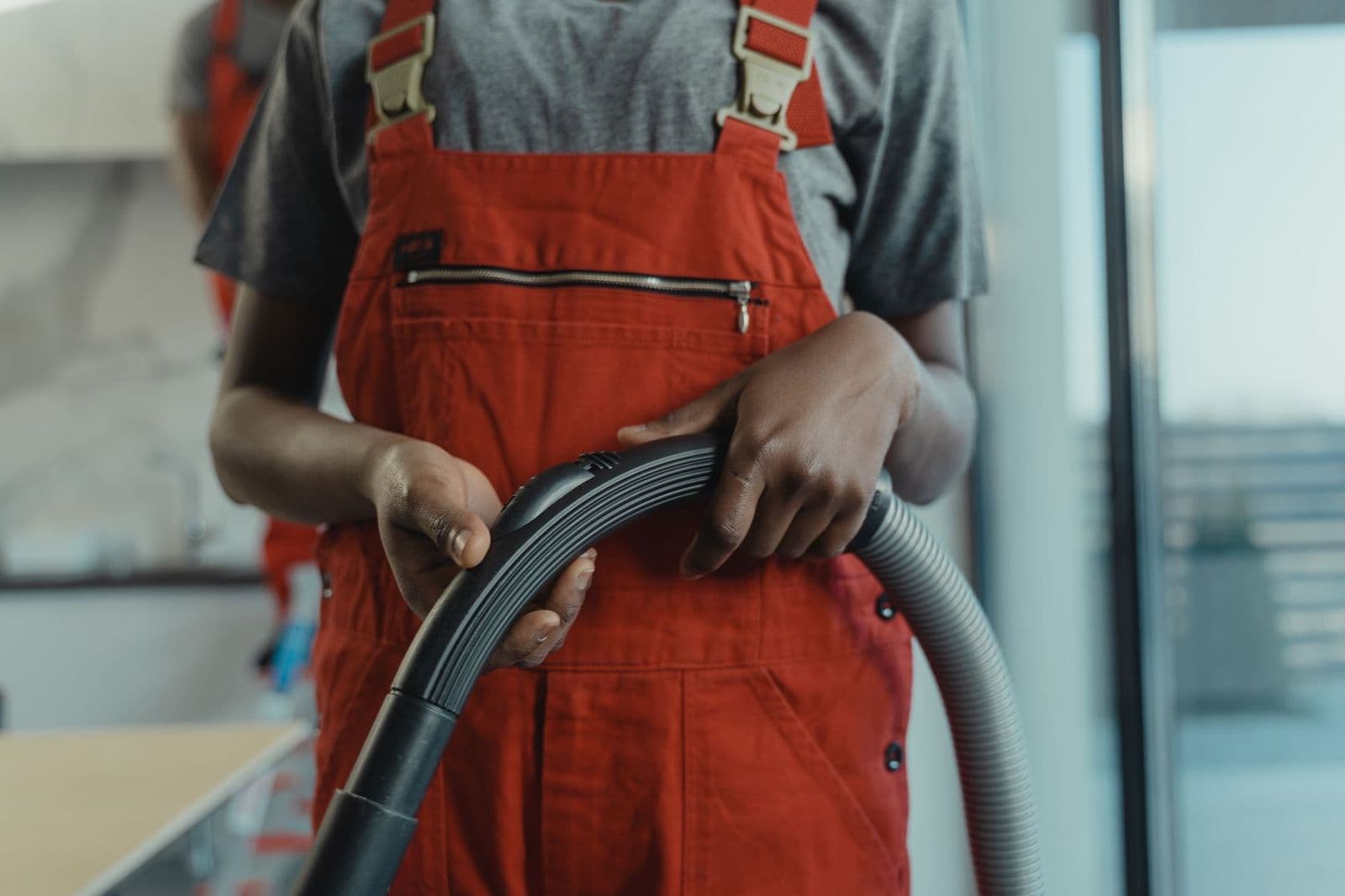
How to clean a central vacuum system: empty the canister, service the filter, clear hose and pipe clogs and follow a simple yearly schedule.
If you are wondering how to clean a central vacuum system, the core routine is short: empty the canister or change the bag at the power unit, clean or replace the filter, clear the hose and powerhead of hair and debris, and check the inlet valves and pipes for clogs. Do the quick tasks monthly and the deeper checks once or twice a year, and the system will keep strong suction for a very long time.
A central vac moves dust through pipes in your walls to a power unit in the garage, basement or utility room, so most of the mess never comes near your living space. That convenience makes it easy to forget about maintenance until suction drops. This guide lists what you need, walks through each step, gives a simple schedule and explains how to fix the most common problems.
Why Regular Maintenance Matters
A whole house vacuum depends on airflow. Every part, from the inlet valves to the pipes, canister, filter and motor, has to let air move freely. When the canister overfills or the filter clogs with fine dust, airflow drops and suction at the hose falls off fast. The motor then works harder and runs hotter, which shortens its life.
Clogs in the hose or pipes also trap debris that can attract pests or cause odors. Regular cleaning keeps suction strong, protects the power unit, which is the most expensive part of the system, and lets you catch small problems like a cracked hose cuff before they become costly repairs.
What You Need
- Replacement bags or a trash bag for the canister
- Replacement filter or a soft brush for the reusable filter
- Dust mask and gloves
- Scissors or a seam ripper for hair on the brush roll
- A long, flexible plumbing snake or a soft ball sized to the pipe (for clogs)
- Mild dish soap, warm water and a microfiber cloth
- Screwdriver for powerhead covers
How to Clean a Central Vacuum System Step by Step
Before starting, switch off the power unit or unplug it from the wall, and wear a dust mask, since emptying the canister releases fine dust.
Step 1: Empty the Canister or Change the Bag
Detach the canister from the power unit, usually by releasing side latches. For bagless systems, empty the dirt over a large trash bag held tight around the rim to contain dust. For bagged systems, slide the full bag off the inlet and seal it before removing. Empty the canister when it is about two thirds full, not when it is packed, since an overfilled canister quickly kills suction.
While the canister is off, look inside the inlet port on the power unit and pull out any debris stuck there. Wipe the canister rim and gasket with a dry cloth so it seals tightly when you reattach it, because even a small gap lets air leak in and weakens suction at every inlet in the house.
Step 2: Wash or Replace the Filter
Most central vacs use a cartridge filter, a cloth filter or a self cleaning filter. Tap or gently brush a reusable cartridge filter clean. Some cloth and foam filters can be rinsed in cool water if the manual allows, but they must dry completely before going back in. Paper or HEPA style cartridges that are torn, stained or permanently clogged should be replaced.
Step 3: Clean the Powerhead Brush Roll
The electric powerhead at the end of the hose has a spinning brush roll that collects hair and string. Unplug the hose, flip the powerhead and cut wrapped hair with scissors along the brush groove. Remove the brush roll if your model allows, clean the end caps and check the belt for cracks or stretching.
Step 4: Check Hoses and Pipes for Clogs
Weak suction at one inlet but not others points to a clog in that inlet's pipe run. Weak suction everywhere points to the hose, canister or filter. To test the hose, drop a coin or small ball through it while it hangs straight. If it sticks, feed a plumbing snake through gently or use a hose on reverse suction from another inlet. Never use a sharp tool that could puncture the hose.
Pipe clogs usually form at the first sharp bend behind an inlet. A common trick is to vacuum up a few tissues or a small foam ball at a nearby inlet so they push through and dislodge the blockage, then empty the canister. If nothing works, a central vacuum technician can clear the line without opening walls.
Step 5: Clean Attachments and Inlet Valves
Wash the dusting brush, crevice tool and upholstery tool in warm soapy water and let them dry. Wipe the inlet valve covers and check that each door seals tightly, since a leaky inlet bleeds suction from the whole system. Clear any debris lodged just inside the inlet opening.
Step 6: Clean the Power Unit Vents and Exhaust
The power unit needs air to cool its motor. Wipe dust from the housing and vents with a dry cloth, and make sure boxes or storage are not crowding the unit. If your system vents outdoors, check the exhaust cap for blockages such as lint, leaves or nests. Some systems also have a secondary motor filter worth checking.
Step 7: When to Replace Belts and Parts
Replace the powerhead belt if it is cracked, glazed or loose. Hoses with split cuffs or leaks should be repaired or replaced. Motor carbon brushes wear over years of use. If the motor sparks, runs intermittently or sounds rough, have a technician inspect it, since replacing brushes is far cheaper than replacing the motor.
Maintenance Schedule (Daily, Monthly, Yearly)
Use this table as a simple plan for how to maintain a central vacuum system. Adjust for pets and household size.
| When | Task |
|---|---|
| After use | Remove hair from the powerhead, store the hose without sharp kinks |
| Monthly | Check the canister level, tap the filter clean, wipe attachments |
| Every 3 to 6 months | Empty the canister or change the bag, inspect the hose and inlet seals |
| Yearly | Deep clean or replace the filter, check the exhaust, inspect belts and the motor |
Troubleshooting Common Problems
Weak suction everywhere: a full canister, a clogged filter or a hose blockage. Empty, clean and test the hose.
Weak suction at one inlet: a clog in that pipe run or a poorly sealing inlet door. Clear the pipe and check the seal.
Unit will not start: a tripped breaker, a faulty low voltage wire at an inlet or a tripped thermal cutoff after overheating. Let it cool, then check the breaker and connections.
Burning or musty smell: a slipping powerhead belt, an overheating motor or debris rotting in the canister. Inspect and clean.
Powerhead brush not spinning: a broken belt or hair jammed in the roller.
Most of these problems trace back to a handful of avoidable mistakes:
- Letting the canister fill to the top, which chokes airflow and overheats the motor.
- Vacuuming up large objects, wet debris, fireplace ash or drywall dust, which clog pipes or ruin filters.
- Reinstalling a filter that is still damp after washing, which can grow mold and smell.
- Coiling the hose tightly or hanging it from a sharp hook, which creates kinks and cracks.
- Stacking boxes against the power unit, which blocks the cooling vents.
- Ignoring a powerhead that has stopped spinning, which leaves carpets half cleaned.
If your system is very old and repairs keep adding up, compare models in our guide to the best central vacuum system, including picks for the best central vacuum system for large homes and the best central vacuum system for pet hair.
Frequently Asked Questions
How often should I clean a central vacuum system?
Check the canister monthly and empty it or change the bag when it is about two thirds full, which for many homes means every few months. Clean the powerhead after heavy use and service the filter at least once or twice a year. Homes with pets or large families need more frequent attention.
Can I wash the filter or parts with water?
Attachments and some cloth or foam filters can be washed in warm or cool water if the manual allows, and must dry completely before use. Do not wash paper cartridge filters or HEPA style filters unless they are labeled washable. Never put water in the power unit, canister motor area or inlet wiring.
Final Thoughts
Now you know how to clean a central vacuum system: empty the canister, care for the filter, clear the hose, powerhead and inlets, and keep the power unit cool and dusted. A few minutes of upkeep protects strong suction for years. If you also want a portable machine for quick jobs, see our picks for the best vacuum cleaner or learn where to buy a vacuum cleaner.